avatarThuận Sarzynski

Free AI web copilot to create summaries, insights and extended knowledge, download it at here

2970

Abstract

e caused by humans who disturb natural ecosystem and remove local species. The absence of these native species give an access to resources for alien and invasive species which colonize the niches. These invasive species are often brought by human through tourism and trade. Of course, the globalization and the intensification of the exchange of goods and people have obviously increased the opportunity for an invasive species to colonize new areas.</li><li>Climate change causes the movement of species toward fresher places, for example the poles or the mountainous areas. Species which are not able to move are likely to disappear if they can’t stand warm and dry conditions.</li></ul><figure id="aca7"><img src="https://cdn-images-1.readmedium.com/v2/resize:fit:800/0*voC5CQSr1G4d3cZq"><figcaption>Pizzly’s Mom — photo by <a href="https://unsplash.com/@alexrose?utm_source=medium&amp;utm_medium=referral">Alexandra Rose</a> on <a href="https://unsplash.com?utm_source=medium&amp;utm_medium=referral">Unsplash</a></figcaption></figure><p id="8fb3">To survive these three threats, species have to run away. Species who are not able to find their way in the fragmented landscape are very likely to get extinct in a close future.</p><p id="28d1">Once they moved to another habitat, these species on the run will have to face non-optimal conditions for growth and reproduction as well as the native inhabitants of the new environment. On the long term, they might become invasive or get extinct. Moreover, the number of individuals of a species which have ran away might be too low and not sufficient to maintain a genetically healthy population. This small population might face a bottleneck effect or a genetic drift. Later, these phenomena can cause the extinction of a population due to its lack of genetic diversity.</p><p id="deb9">The species which becomes invasive in their new environment can really put other species in danger. For example, in a tropical forest, there are two species of lizards.</p><p id="5650">One has lived inside the forest for generation and the other one has lived on the edge of the forest. With global warming, the species living on the edge goes deeper into the forest to find fresher temperature. In the deep forest, the two species fight and compete for food and shelter. As it is hard to share a flat, those two lizard species now have to share a same habitat. On the long term, one of them is likely to get extinct or move away.</p><p id="8de6">Some species forced by the climate change to share a same habitat might hybridize and make cute babies. Have you heard of the Pizzly or Grolar?</p><p id="6ded">The polar bear which has lost its arctic ice is now heading south and sometimes meet a grizzly. The two species are genetically close and thus are still able hybridize. The cute bear born from this union is called Pizzly. Pizzly belongs to neither the wild forest of North America, neither to the cold desert of Arctica. It is

Options

a mix of two species highly adapted to these environments but unfortunately it is adapted to none of them. For this reason, Pizzly hybrids will have difficulties to survive in both places.</p><figure id="1ecc"><img src="https://cdn-images-1.readmedium.com/v2/resize:fit:800/0*y37ryaloTUP2IXte"><figcaption>Pizzly’ Dad — photo by <a href="https://unsplash.com/@jweiller?utm_source=medium&amp;utm_medium=referral">Jessica Weiller</a> on <a href="https://unsplash.com?utm_source=medium&amp;utm_medium=referral">Unsplash</a></figcaption></figure><p id="7557">Migration and hybridization might increase the biodiversity temporally in the cold areas, but on the long run the disturbances they create will decrease the number of species in the region.</p><p id="144a">Like a party on Friday night, people arrive in mass and dance around, but leave the place empty in the morning. Let’s hope ecosystem will be resilient enough to recover from the hangover.</p><div id="650c" class="link-block"> <a href="https://readmedium.com/bring-back-the-trees-on-agricultural-fields-a064aead239"> <div> <div> <h2>Bring Back the Trees on Agricultural Fields!</h2> <div><h3>A tree grows tall and deep, spreading both its branches above the ground and its roots underground, therefore it makes…</h3></div> <div><p>medium.com</p></div> </div> <div> <div style="background-image: url(https://miro.readmedium.com/v2/resize:fit:320/1*tmmuJRbX_8KLTv8J_lKeQw.jpeg)"></div> </div> </div> </a> </div><div id="4ce6" class="link-block"> <a href="https://readmedium.com/hot-and-indigestible-carbon-dioxide-72cdec72ec61"> <div> <div> <h2>Hot and Indigestible Carbon Dioxide</h2> <div><h3>Last July, the concentration of CO2 in the atmosphere was 408 ppm. In the last 400 million years, a CO2 concentration…</h3></div> <div><p>medium.com</p></div> </div> <div> <div style="background-image: url(https://miro.readmedium.com/v2/resize:fit:320/0*N0MydEOMKjhnlYML)"></div> </div> </div> </a> </div><div id="2c8b" class="link-block"> <a href="https://readmedium.com/kill-one-to-save-them-all-cce5c98b8547"> <div> <div> <h2>Kill One to Save Them All</h2> <div><h3>It was on the 18th of May 2015, a Monday. He was peacefully walking in the savanna. He heard a threatening noise. He…</h3></div> <div><p>medium.com</p></div> </div> <div> <div style="background-image: url(https://miro.readmedium.com/v2/resize:fit:320/1*pEFRpNXSU3RkNOZWHjn2Mg.jpeg)"></div> </div> </div> </a> </div></article></body>

Running Away from Mass Extinction

Species extinction is a natural process which has occurred since the beginning of life 3.8 billion years ago. In the past, there were five large scale extinction which were especially threatening for life on the blue planet. Those extinctions were caused by change in ocean chemistry, volcanic activity, climate change and asteroid impacts. In some cases entire families and orders were wiped out of the Earth surface. The worst mass extinction was the Permian Triassic, about 250 million years ago, when 90% of the species disappeared. At this point, life was very close to end.

After each of these mass extinction, life recovered and diversified into various species which colonized the empty niches abandoned by unlucky species. Today, we have a large diversity of living forms, so many that we can’t register all of them on the tree of life. Scientists expect to find 9 million species on Earth, but today only 1.5 million are registered. It’s very likely that we won’t describe all Earth species as they will probably disappear before we find them.
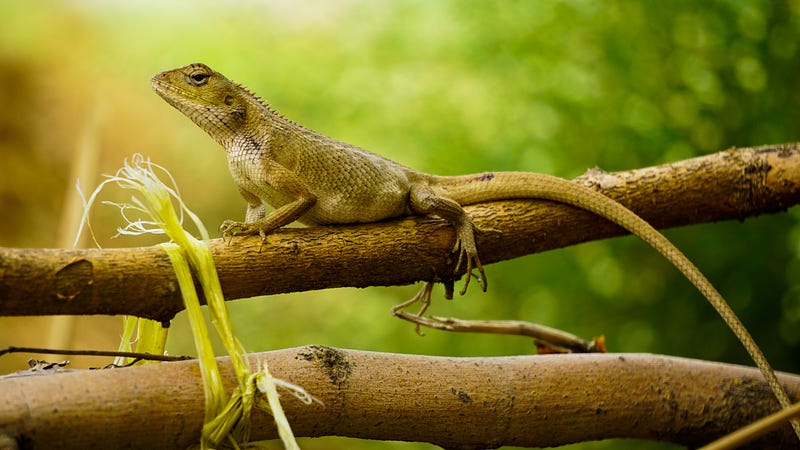
Not an Anolis lizard — photo by Akshay Sharma on Unsplash

Homo sapiens is a primate which has grown a large brain. This primate is able to walk on two legs and has developed tools and structures to survive from the hostile environment. Roads, cities, agricultural fields are human invention to thrive on Earth. As the human population grows and the demand for food, clothing and transportation increases, more and more Earth species will disappear. Scientists estimate that the current rate of extinction is hundred times higher than before human presence.

The main drivers of this human induced extinction are land use change, species invasion and climate change:

  • Land use change comes from the need for human beings to grow food or build cities. Cities are colonies where human beings live stacked in high buildings. Humans disturb natural ecosystems such as forest to transform them into a productive land where they can harvest resources like food, fuel and ore. By doing this, they destroy and alter the habitat of various species which have to find a new place to live or disappear.
  • Species invasions are caused by humans who disturb natural ecosystem and remove local species. The absence of these native species give an access to resources for alien and invasive species which colonize the niches. These invasive species are often brought by human through tourism and trade. Of course, the globalization and the intensification of the exchange of goods and people have obviously increased the opportunity for an invasive species to colonize new areas.
  • Climate change causes the movement of species toward fresher places, for example the poles or the mountainous areas. Species which are not able to move are likely to disappear if they can’t stand warm and dry conditions.
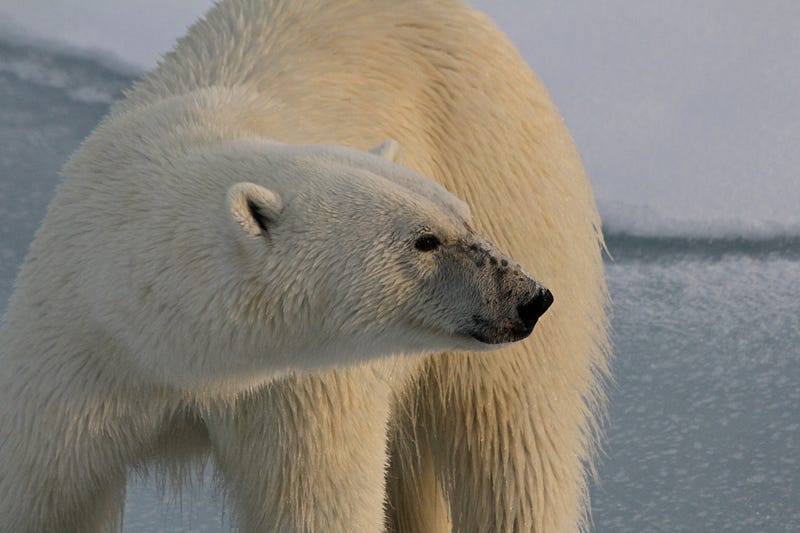
Pizzly’s Mom — photo by Alexandra Rose on Unsplash

To survive these three threats, species have to run away. Species who are not able to find their way in the fragmented landscape are very likely to get extinct in a close future.

Once they moved to another habitat, these species on the run will have to face non-optimal conditions for growth and reproduction as well as the native inhabitants of the new environment. On the long term, they might become invasive or get extinct. Moreover, the number of individuals of a species which have ran away might be too low and not sufficient to maintain a genetically healthy population. This small population might face a bottleneck effect or a genetic drift. Later, these phenomena can cause the extinction of a population due to its lack of genetic diversity.

The species which becomes invasive in their new environment can really put other species in danger. For example, in a tropical forest, there are two species of lizards.

One has lived inside the forest for generation and the other one has lived on the edge of the forest. With global warming, the species living on the edge goes deeper into the forest to find fresher temperature. In the deep forest, the two species fight and compete for food and shelter. As it is hard to share a flat, those two lizard species now have to share a same habitat. On the long term, one of them is likely to get extinct or move away.

Some species forced by the climate change to share a same habitat might hybridize and make cute babies. Have you heard of the Pizzly or Grolar?

The polar bear which has lost its arctic ice is now heading south and sometimes meet a grizzly. The two species are genetically close and thus are still able hybridize. The cute bear born from this union is called Pizzly. Pizzly belongs to neither the wild forest of North America, neither to the cold desert of Arctica. It is a mix of two species highly adapted to these environments but unfortunately it is adapted to none of them. For this reason, Pizzly hybrids will have difficulties to survive in both places.
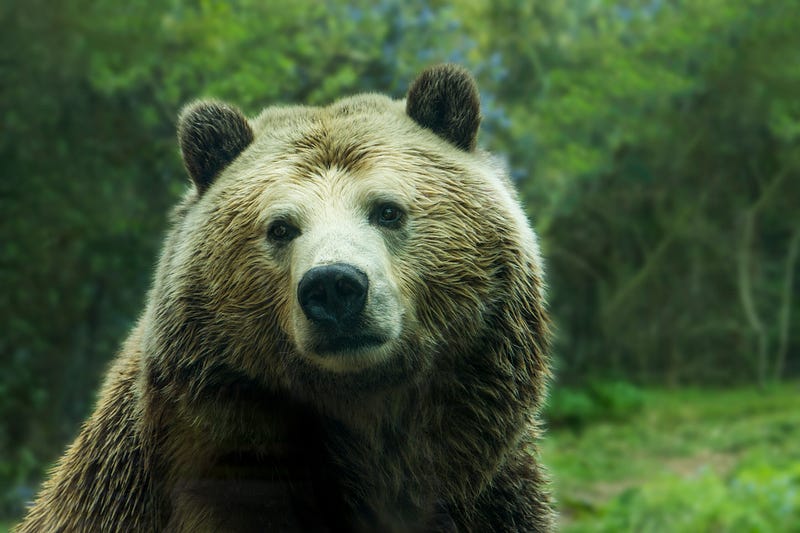
Pizzly’ Dad — photo by Jessica Weiller on Unsplash

Migration and hybridization might increase the biodiversity temporally in the cold areas, but on the long run the disturbances they create will decrease the number of species in the region.

Like a party on Friday night, people arrive in mass and dance around, but leave the place empty in the morning. Let’s hope ecosystem will be resilient enough to recover from the hangover.

Environment
Biodiversity
Climate Change
Sustainability
Nature
Recommended from ReadMedium