avatarKerri Duncan

Free AI web copilot to create summaries, insights and extended knowledge, download it at here

2974

Abstract

uins. Photo by author.</figcaption></figure><p id="3230">How does our collection of prior knowledge, events, situations, and biases change what we feel in these moments?</p><p id="0190">One of the first thoughts to cross my mind when hearing about these children’s lifestyles was:</p><blockquote id="53f1"><p>“Man, these kids get to skip school to travel the world; how amazing!”</p></blockquote><p id="3f37">Yet here they were, bored of life on the road, underwhelmed by their intrepid experiences, sick of visiting ancient Incan ruins.</p><figure id="030d"><img src="https://cdn-images-1.readmedium.com/v2/resize:fit:800/1*2p06FKX6BWXAHdfN2RzUUQ.jpeg"><figcaption>Ruins along the Inca Trail, Peru. Photo by author.</figcaption></figure><p id="9b99">Perhaps they were simply longing for a more stable life, going to school, and hanging with peers.</p><p id="aa7b">(There were probably plenty of children at that moment who would gladly take either of those situations, too.)</p><h1 id="92cb">THEORY OF HABITUATION</h1><p id="3f73">Richard Thompson (2008) opens in <a href="https://www.sciencedirect.com/science/article/abs/pii/S1074742708001160?via%3Dihub">Habituation: A History</a> with:</p><blockquote id="d2d6"><p>“The notion of habituation is as old as humankind.”</p></blockquote><p id="4486">There are a bunch of fun historical examples that make it clear we’ve understood for a long time how we’re less excited by things we see regularly. Thompson goes on to characterise it:</p><blockquote id="4321"><p>“Given that a particular stimulus elicits a response, repeated applications of the stimulus result in decreased response (habituation).”</p></blockquote><p id="b479">I.e. the more ruins we see, the lower our excitement response.</p><p id="cc52">He also notes that:</p><blockquote id="66ce"><p>“Other things being equal, the more rapid the frequency of stimulation, the more rapid and/or more pronounced is habituation.”</p></blockquote><p id="d1c8">→ So the kids seeing several ruins in a short amount of time makes them bored faster.</p><p id="abd0">However;</p><blockquote id="f081"><p>“If the stimulus is withheld, the response tends to recover over time (spontaneous recovery).”</p></blockquote><p id="ef8c">If they don’t see ancient ruins again for a long time, they might find them exciting again in the future.</p><figure id="729c"><img src="https://cdn-images-1.readmedium.com/v2/resize:fit:800/1*pczYmZAH3s3GZwW_PJ6y8A.jpeg"><figcaption>Probably one of the world’s most exciting ruins: Machu Picchu. Photo by author.</figcaption></figure><p id="8237">This may be a silly application of habituation theory, but the concept is fairly straightforward. So why am I still pondering that child’s complaint several years later?</p><p id="a6d2">I suppose it sheds light on what compels me to travel in the first place: the pursuit of what is novel and enlightening to me and my experiences.</p><figure id="ce4c"><img src="https://cdn-images-1.readmedium.com/v2

Options

/resize:fit:800/1*H1nU0sKGwnFyrkWHdV4E1w.jpeg"><figcaption>Machu Picchu. Photo by author.</figcaption></figure><p id="0091">I could also learn from this understanding to fight the tendency to become bored with everyday, ‘normal’ life.</p><p id="9b26">The children in the Bolivian hostel may have just been tired and cranky at the time, but they made me think about how we can become bored and ungrateful of anything, no matter how we felt about it to begin with, or how exciting it may seem to others.</p><figure id="3f6c"><img src="https://cdn-images-1.readmedium.com/v2/resize:fit:800/1*KA44rJ9aMZb6oG2i6oN4BA.jpeg"><figcaption>Very excited to be at Machu Picchu. Photo by author.</figcaption></figure><p id="d280">I think the key might be actively striving to avoid taking our experiences for granted.</p><p id="bbac">If we can find reasons to be appreciative and excited by something, whatever the situation we find ourselves in, we can avoid slipping into boredom and discontent.</p><p id="eb37">(Easier said than done, of course… and I certainly do hope to keep on travelling, regardless!)</p><p id="0f1d"><i>This rambling piece was a somewhat weird response to the Globetrotters Monthly Challenge: <a href="https://readmedium.com/may-monthly-challenge-ruins-of-the-world-do-not-publish-yet-f1a521a86d44">Ruins of the World.</a></i></p><p id="a598"><i>I enjoyed reading <a href="undefined">Sara Burdick</a>’s tales of living in South America for two years:</i></p><div id="8cde" class="link-block"> <a href="https://readmedium.com/over-the-past-two-years-living-in-south-america-has-taught-me-five-things-4270e109bf01"> <div> <div> <h2>Over the past two years, living in South America has taught me five things</h2> <div><h3>More than five but for today, only five!</h3></div> <div><p>medium.com</p></div> </div> <div> <div style="background-image: url(https://miro.readmedium.com/v2/resize:fit:320/1*TXIBRNPAoakM-vdlsPyvuQ.jpeg)"></div> </div> </div> </a> </div><p id="0baa"><i>And <a href="undefined">Catherine A. Sanderson</a> wrote a great piece on practicing gratitude:</i></p><div id="1e82" class="link-block"> <a href="https://readmedium.com/why-practicing-gratitude-is-good-for-your-health-32855b5aeaa7"> <div> <div> <h2>Why Practicing Gratitude is Good For Your Health</h2> <div><h3>For as long as I can remember, my mom’s family has spent Thanksgiving together. For years we gathered — uncles, aunts…</h3></div> <div><p>medium.com</p></div> </div> <div> <div style="background-image: url(https://miro.readmedium.com/v2/resize:fit:320/1*ciEQSWLC9yuqY4Wuy74MlA.jpeg)"></div> </div> </div> </a> </div></article></body>

“Ruins, ruins, RUINS!” To the Kid Complaining in Bolivia

A whining child has made me ponder our perspectives when we travel.
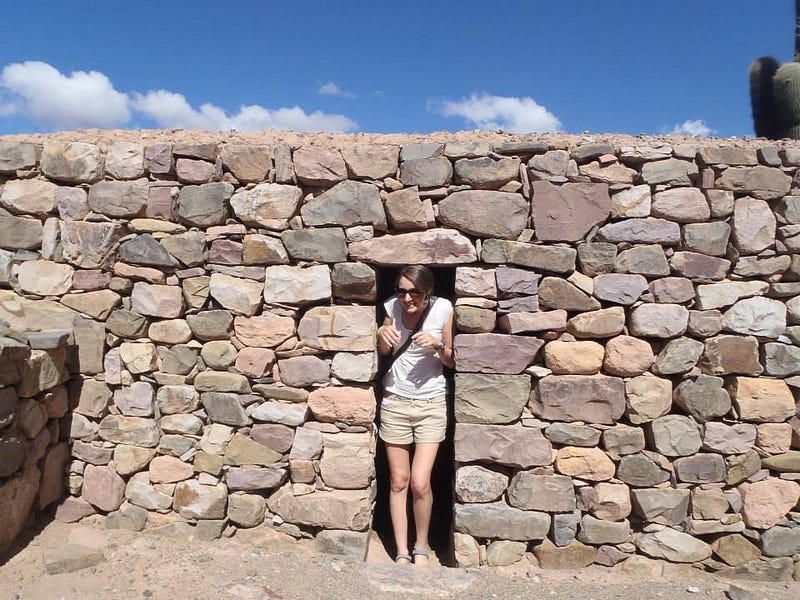
Comparing my height to the original inhabitants of Pucará de Tilcara in northern Argentina. Photo by author.

From my top bunk at a hostel in Uyuni — the launch pad town for the famous Bolivian salt flat tours — a tone undoubtedly familiar to parents of pre-teen children assaulted my ears.

“Ruins, ruins, RUINS!” it wailed.

Perplexed by the complaint, I strained to listen to the rest of the conversation.

Apparently, the child’s family — Europeans who were booked in an adjacent private room — had been travelling around South America for several months.

And the two kids were simply sick and tired of visiting historical ruins.

A NOVELTY FOR SOME

As an Australian, the oldest man-made ‘ruins’ in my home country are a couple of hundred years old, tops.

There are, of course, amazing Indigenous relics that are much older, but not in the form of buildings and structures that we typically associate with the term ‘ruins.’

So, when I travel and see the remains of fortresses, walls, and houses built by people multiple centuries ago or more, it usually blows my mind.
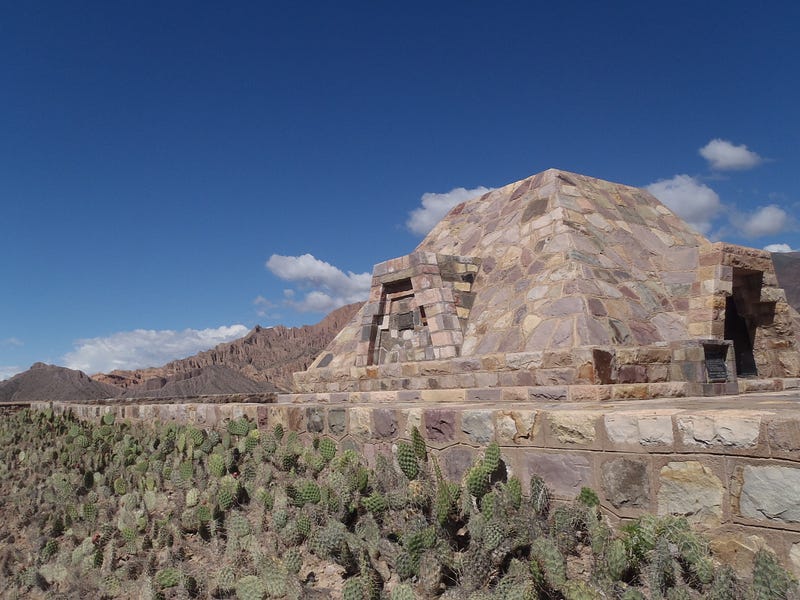
Partially rebuilt Pucará de Tilcara. Photo by author.

I suppose for people who grew up in a place filled with buildings in various states of disrepair, each with its own rich and varied history, seeing a few more of them wouldn’t be particularly special.

It highlights to me how easily we can become accustomed to almost anything, no matter how special it may be to someone else.

PONDERING PERSPECTIVES

How different our past perspectives can make our current experiences.

Viewing the Pucará de Tilcara in northern Argentina from my point of view would have been an entirely different experience than through the eyes of those children. And different again for every individual who visits it.

(I’m not sure which ruins tipped these particular children over the edge; Pucará de Tilcara was just a recent relevant example for me).
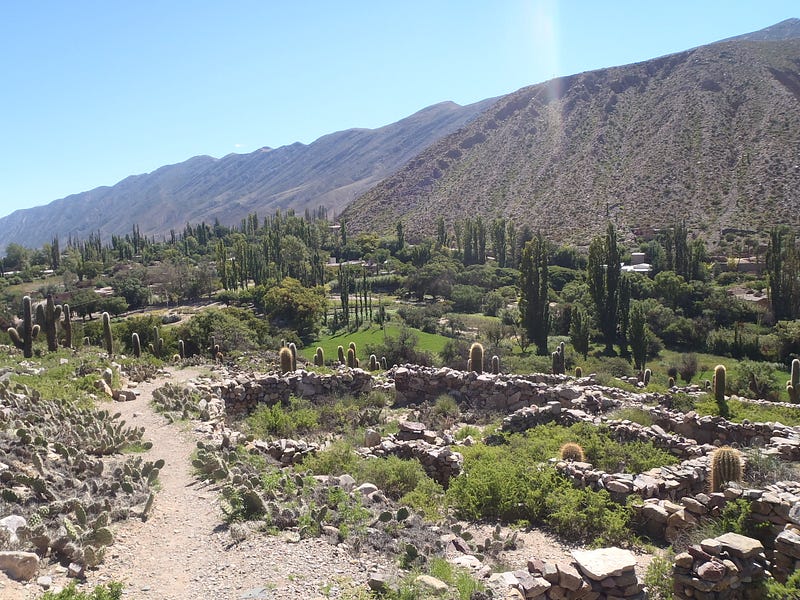
Pucará de Tilcara ruins. Photo by author.

How does our collection of prior knowledge, events, situations, and biases change what we feel in these moments?

One of the first thoughts to cross my mind when hearing about these children’s lifestyles was:

“Man, these kids get to skip school to travel the world; how amazing!”

Yet here they were, bored of life on the road, underwhelmed by their intrepid experiences, sick of visiting ancient Incan ruins.
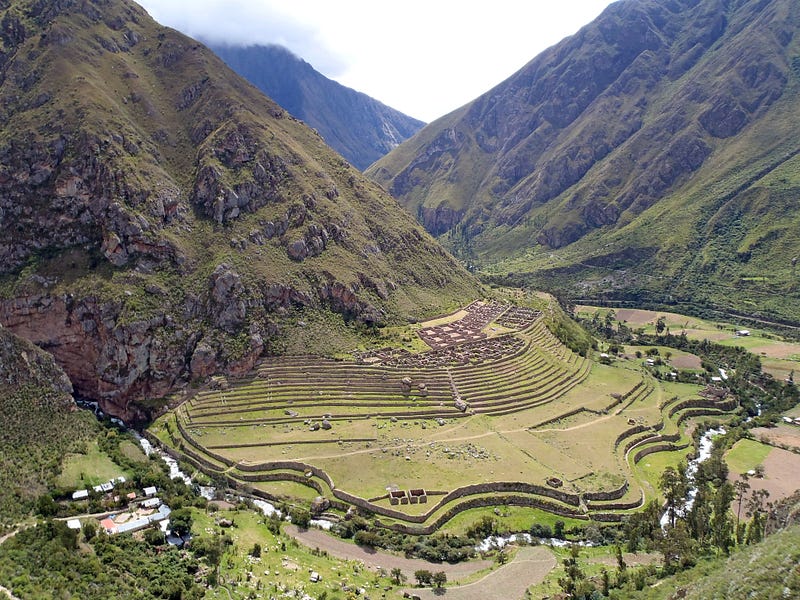
Ruins along the Inca Trail, Peru. Photo by author.

Perhaps they were simply longing for a more stable life, going to school, and hanging with peers.

(There were probably plenty of children at that moment who would gladly take either of those situations, too.)

THEORY OF HABITUATION

Richard Thompson (2008) opens in Habituation: A History with:

“The notion of habituation is as old as humankind.”

There are a bunch of fun historical examples that make it clear we’ve understood for a long time how we’re less excited by things we see regularly. Thompson goes on to characterise it:

“Given that a particular stimulus elicits a response, repeated applications of the stimulus result in decreased response (habituation).”

I.e. the more ruins we see, the lower our excitement response.

He also notes that:

“Other things being equal, the more rapid the frequency of stimulation, the more rapid and/or more pronounced is habituation.”

→ So the kids seeing several ruins in a short amount of time makes them bored faster.

However;

“If the stimulus is withheld, the response tends to recover over time (spontaneous recovery).”

If they don’t see ancient ruins again for a long time, they might find them exciting again in the future.
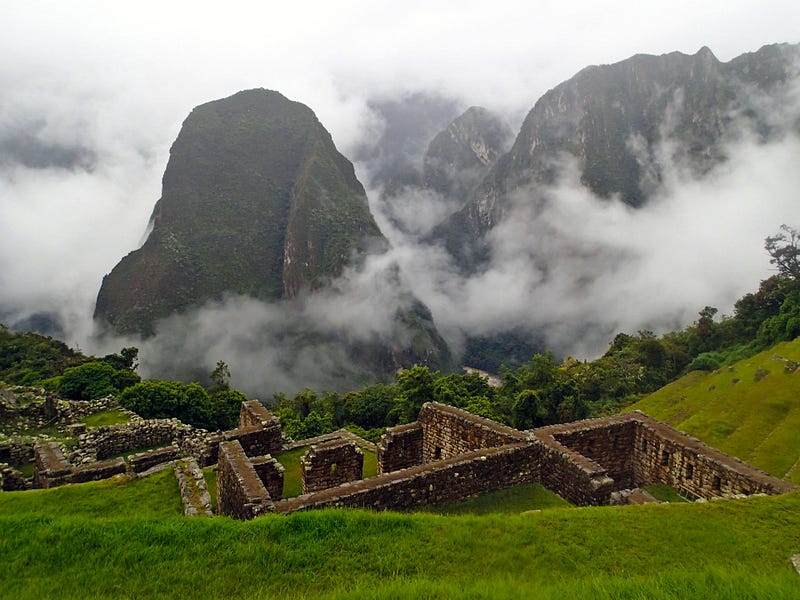
Probably one of the world’s most exciting ruins: Machu Picchu. Photo by author.

This may be a silly application of habituation theory, but the concept is fairly straightforward. So why am I still pondering that child’s complaint several years later?

I suppose it sheds light on what compels me to travel in the first place: the pursuit of what is novel and enlightening to me and my experiences.
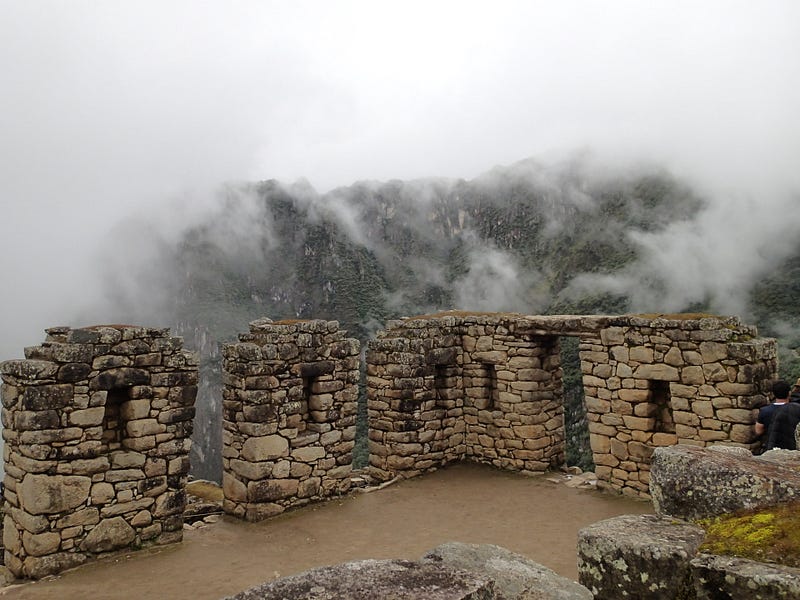
Machu Picchu. Photo by author.

I could also learn from this understanding to fight the tendency to become bored with everyday, ‘normal’ life.

The children in the Bolivian hostel may have just been tired and cranky at the time, but they made me think about how we can become bored and ungrateful of anything, no matter how we felt about it to begin with, or how exciting it may seem to others.
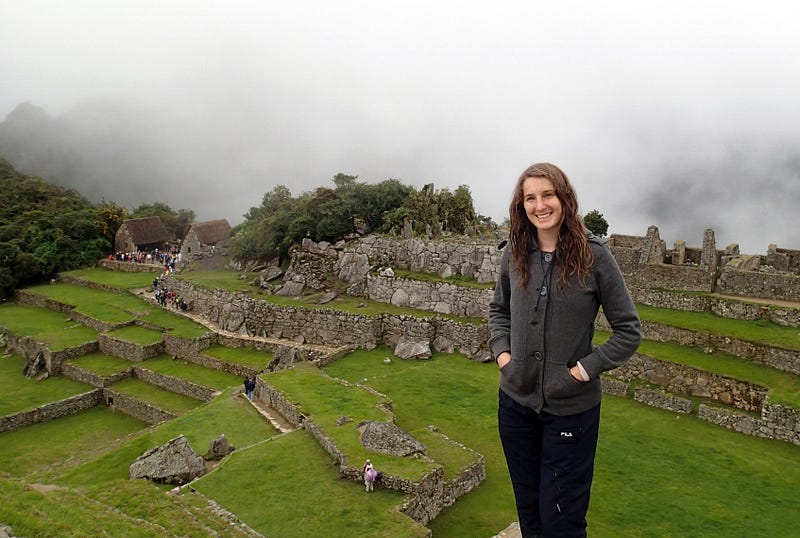
Very excited to be at Machu Picchu. Photo by author.

I think the key might be actively striving to avoid taking our experiences for granted.

If we can find reasons to be appreciative and excited by something, whatever the situation we find ourselves in, we can avoid slipping into boredom and discontent.

(Easier said than done, of course… and I certainly do hope to keep on travelling, regardless!)

This rambling piece was a somewhat weird response to the Globetrotters Monthly Challenge: Ruins of the World.

I enjoyed reading Sara Burdick’s tales of living in South America for two years:

And Catherine A. Sanderson wrote a great piece on practicing gratitude:

Monthly Challenge
Globetrotter
Travel
Gratitude
South America
Recommended from ReadMedium