
Role of Play in Preschoolers Empathy Development
Play and social interactions are essential for preschoolers as they help children develop cognitive, social, and emotional skills.
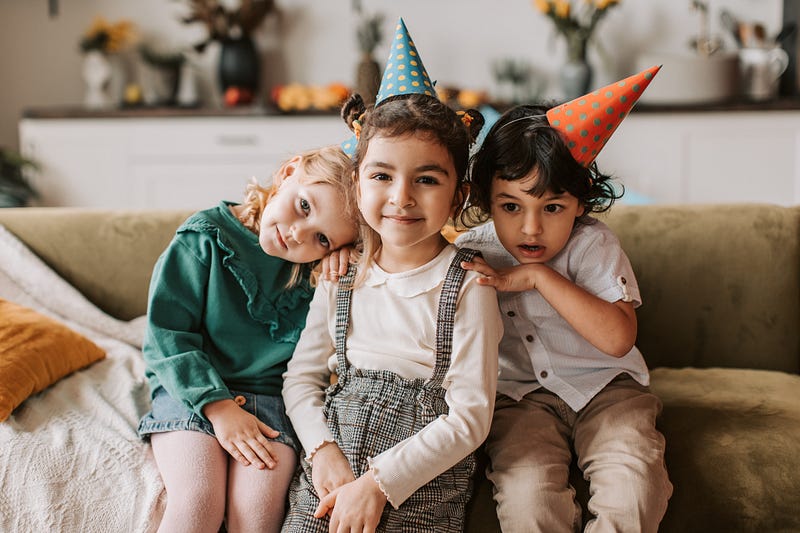
One of the most important skills that children develop during this period is empathy. Empathy refers to the ability to understand and share the feelings of others, and it is an essential aspect of healthy social and emotional development.
During the preschool years, children begin to recognize and respond to the emotional states of others. They learn to identify and label emotions, understand the causes and consequences of emotions, and use emotional information to guide their social interactions. Through play and social interactions, preschoolers learn to recognize and respond to the emotional states of others, building a foundation of empathy that will serve them well throughout their lives.
Play is a critical component of early childhood development, and it offers numerous opportunities for children to practice empathy skills. Children engage in role-play, make-believe, and other types of play that require them to take on different perspectives and empathize with others. When children play, they explore the world around them, test their limits, and interact with others. Through play, children learn to share, take turns, cooperate, and negotiate, all of which require empathy skills.
Social interactions also play an essential role in the development of empathy in preschoolers. Children learn empathy by observing and responding to the emotions of others. They learn to read facial expressions, body language, and tone of voice, and use this information to understand the emotional state of others. Children also learn empathy by experiencing the emotions of others themselves. For example, when a child sees a friend crying, they may feel sad and want to comfort them.
Parents, caregivers, and teachers play a crucial role in promoting empathy development in preschoolers. By providing a warm, supportive, and emotionally responsive environment, adults can help children learn to recognize and respond to the emotions of others. Adults can also model empathy by labeling and validating children’s emotions, sharing their own feelings, and responding sensitively to children’s emotional cues. Additionally, adults can encourage empathy development by promoting social interactions, fostering positive relationships, and providing opportunities for children to practice empathy skills.
Preschoolers learn to recognize and respond to the emotional states of others through play and social interactions. These experiences build a foundation of empathy that will serve them well throughout their lives. Parents, caregivers, and teachers play a crucial role in promoting empathy development by providing a warm, supportive, and emotionally responsive environment and encouraging social interactions and positive relationships. By fostering empathy development in preschoolers, adults can help children grow into compassionate, caring, and emotionally intelligent adults.

If you enjoyed this article and would like to support me please consider becoming a medium member via my affiliated link: