
Rodney Dillard’s miraculous Christian transformation
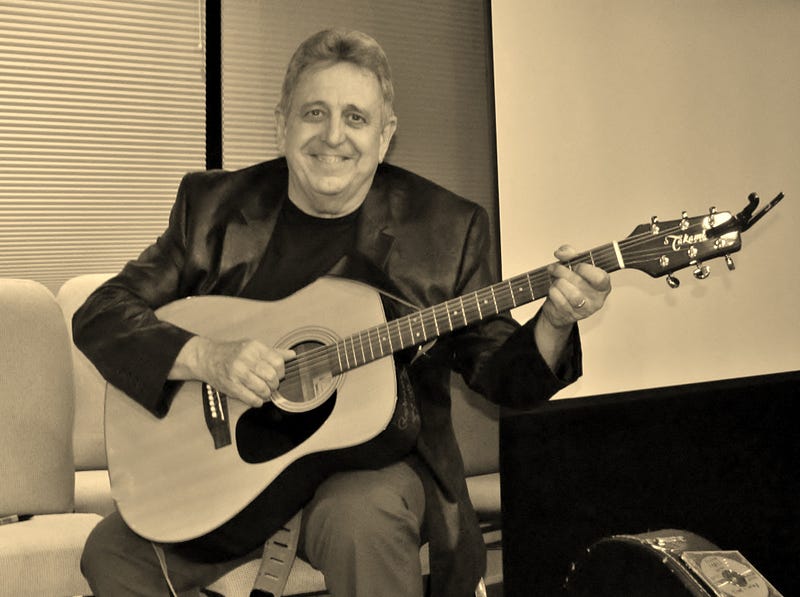
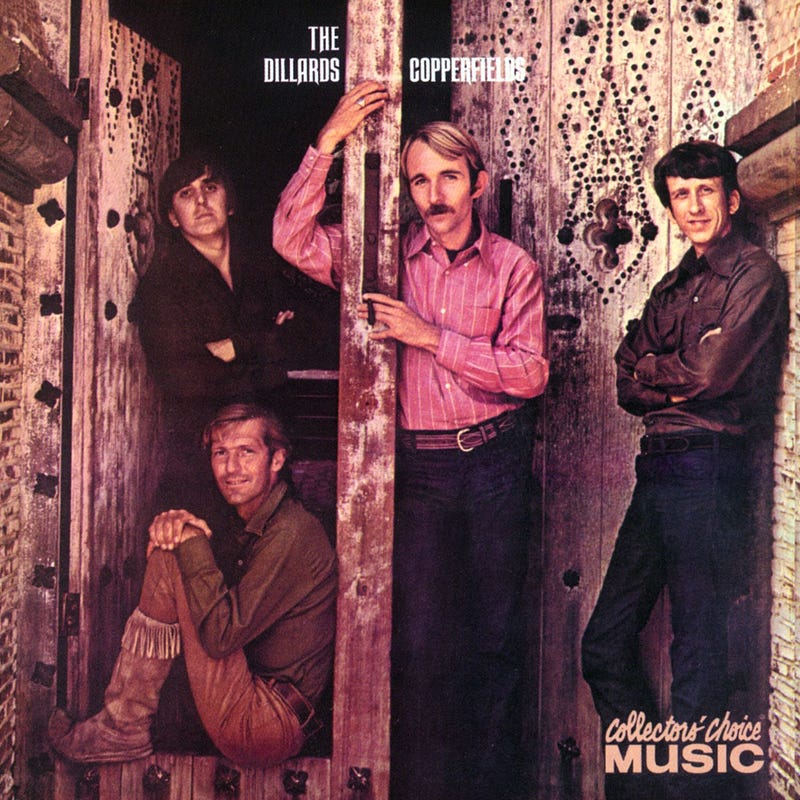
Best known as the lead singer, composer, producer, and guitarist for trailblazing bluegrass quartet the Dillards, a 10-year-old Rodney Dillard first responded to the altar call in a Baptist church in rural Salem, Missouri, after just-installed Reverend William Wynn’s imposing son Bear threatened Dillard with a post-service whipping if he didn’t step forward and make his daddy look good in the eyes of the waiting congregation.
The bright lights of show biz beckoned, and Dillard espoused a heady rock and roll lifestyle in Los Angeles for nearly 20 years, guest-starring in six episodes of The Andy Griffith Show as the dim-witted Darling Family mountain guitar picker, rubbing elbows with Elektra Records label mates Jim Morrison and the Doors, singing on Hugh Hefner’s Playboy After Dark, and stumbling upon box office champion Steve McQueen. However, the pioneering country rocker, name-checked as an influence by Eagles drummer-singer Don Henley, was never really satisfied and didn’t possess that inner peace that so many Christians talk about.
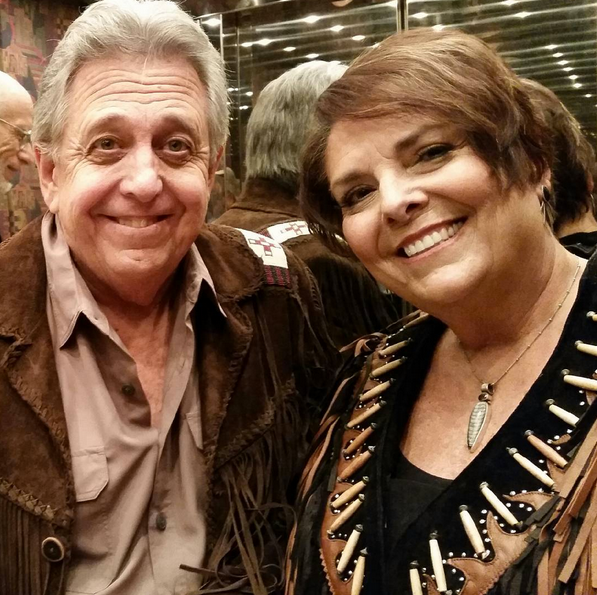
A serendipitous encounter with soon-to-be second wife after a Dillards gig in Edmonton, Alberta, Canada, miraculously turned his life around a complete 360 degrees in the early ’80s. Already a Christian, Beverly Cotten was an accomplished clawhammer banjo picker on the long-running, syndicated country variety series Hee Haw. Initially unreceptive to Beverly’s testimony— stubbornness and suspicion are human nature after all — Dillard soon accepted Christ as his personal Savior.
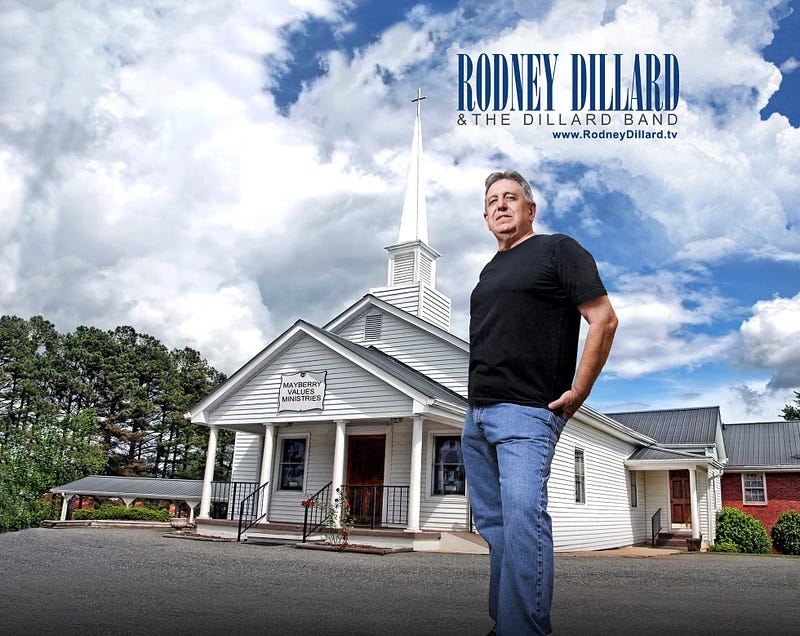
Since the early aughts the ordained minister has visited churches in nearly every corner of the United States unleashing Mayberry Values, a story-song experience celebrating the most popular sitcom of the 1960s and explaining how faith guides his daily life. Although you may not be a Christian, the fulfilling road laid bare below is essential to understanding what makes Rodney Dillard tick.
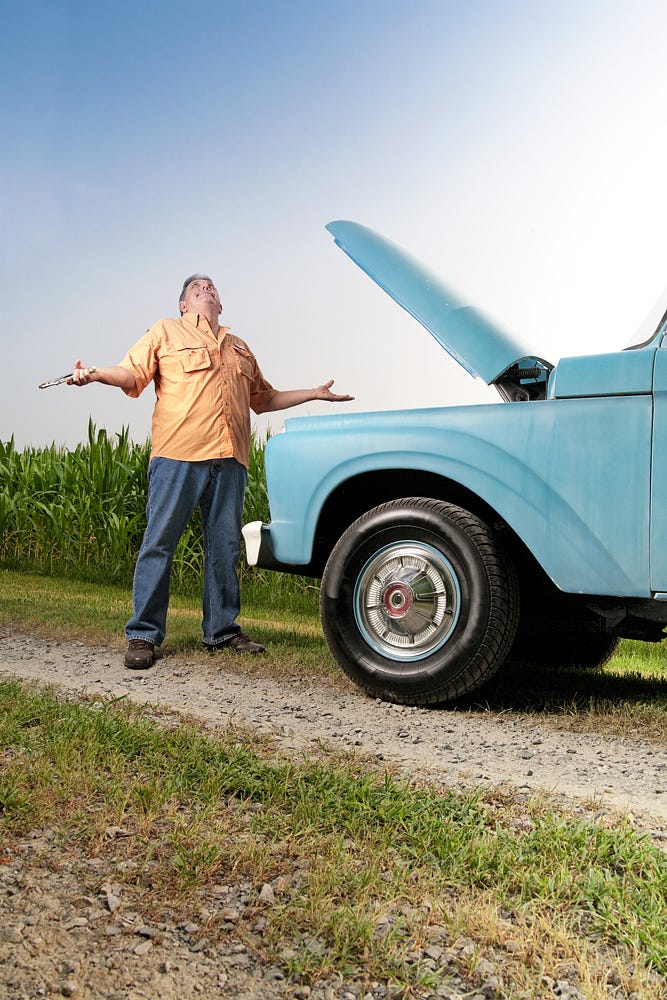
The Rodney Dillard Interview, Part Four
What led to your Christian transformation?
I was never made to go to church when I was a boy. I was usually guilted into going [laughs]. A conversation with my parents usually went like, “Are you going to church today, son?” “I don’t think so.” “Okay, that’s fine. You don’t have to go but…” Then I would think about it for a minute and say, “Okay, I’ll go.”
I was first “saved” when I was 10 years old in a little old church in Salem. We couldn’t afford a preacher in those days. Everyone would sing hymns, and then a deacon or layperson would speak.
We finally got a preacher when my neighbor Red Stockton sold his cattle and donated some of the money so we could pay $50 to bring Reverend William Wynn to the church on a regular basis. He had a son I went to school with named Bear Wynn. Bear was a big kid who was already shaving in the second grade [laughs].
One hot and sweaty night we were at church. All the windows were open, and the moths were flying everywhere trying to find the light source emanating from the Aladdin lamps. Reverend Wynn asks for an altar call. I was sitting towards the rear, waiting to run out and get a drink of water.
All of a sudden I felt this presence sidle up to me, casting this shadow that looked like a mountain. It was Bear, and he wanted his daddy to look good in the eyes of the congregation. He whispered, “Go up there and get saved.” I quickly responded, “Uh-uh.” He added, “If you don’t go up there, I’m gonna whip you after church.”
It didn’t take much thought for me to meekly say, “Okay.” So I walked to the front of the church and went through all the motions of being “saved.” I had seen the adults do it, so I figured, ‘I can fake this.’
As you might realize, I didn’t have a true, personal relationship with Christ then. Long story short, I eventually went off to Hollywood to make it in the music business. I experienced some success as well as the many snares that can befall you out there. Of course, I didn’t know it, but God was taking care of me.
When I met Beverly years later in the early ’80s, I had no idea that God was still working behind the scenes. I was playing with the Dillards at a huge festival called the International Music Festival in Edmonton, Alberta. It was love at first sight, but Beverly wasn’t convinced right off [laughs]. She thought there was something there, but she was mainly interested in my salvation.
She witnessed to me the first time she saw me — I was the first person she had ever witnessed to. Beverly had been raised a Christian, but she kinda strayed in college and got into philosophy, mysticism, and science fiction. She had been saved for only about three years when she witnessed to me.
We talked all that night, just standing in the same spot with music from around the world playing all around us like a cacophony. I remember saying, “Oh, that’s nice for you, but it’s not for me. I’m not interested.”
But Beverly didn’t quit, she persisted until I finally had a change of heart at six o’clock that morning and admitted, “I would like to have what you have.” That was the first giant step toward me opening the door and receiving Christ as my personal savior.
A few weeks after that life-changing experience, I went to a little country church that Bear Wynn had taken over in my hometown — he later preached my mother’s funeral. I wanted to know how he was doing and see what kind of preacher he was [laughs].
At the end of the service, Bear came to that moment known as the altar call. He intoned, “Everybody, bow your head and let’s pray.” So the congregation bowed their heads, but I opened one eye and started looking around to see who needed Jesus or who needed help of some kind.
Shortly thereafter, I had my second encounter with Beverly. We had decided to go and meet her parents, since I had a concert scheduled on up the road in Washington, D.C. I remember we were driving on Highway 95, and I was telling her the story about how I was looking around in Bear’s church, wondering who needed help.
Suddenly it dawned on me, ‘Wait a minute, I needed God’s help.’ I needed something in my life to fill that unrest, that thing that gives you the goal to go on and learn more and more, that place, that void that they all talk about.
The way the Lord had to handle me was to slap me up the side of my head, and he did. The whole car lit up, and I didn’t even know where we were at that moment. Beverly had to pull off the road. I don’t know how long we sat there, but an anointing came into the car that afternoon. Without a doubt, God gave me my measure of salvation and put me where I am today.
It can be a tricky predicament trying to share one’s testimony with non-believers.
I’ll be honest with you, I often feel like I’m the worst Christian in the room. As Bob Dylan once sang, “And if my thought-dreams could be seen, they’d probably put my head in a guillotine” [a lyric from “It’s Alright, Ma (I’m Only Bleeding”)]. But we are trying Christians, trying to follow the example that Jesus laid down his life for and live our lives as abundantly in the spirit as we can.
Describing your personal experience of salvation to another person is really like describing a sunset to a blind man. But when you’ve had that personal experience, you know that you know. You become a different person, not intellectually different, but you are heartfully and soulfully a different person. You look at the world and individuals in a unique light.
When I grew up, older folks would come up to you and just blurt out, “Are you saved?” All of a sudden, boy, would my neck hair go up. I would think, ‘Who are you, some sort of judgmental self-righteous person? What are you gonna do?’ It would really put me on my guard. You can’t approach people that way. Our daily life should be an example of our Christian walk.
How many kids do you have, and are they musically inclined?
Two — after my divorce from Linda in 1980, I moved to Branson and raised Brian from the time he was six until I married Beverly Cotten three years later on March 19, 1983. Beverly says I was the absolute definition of “Mr. Mom” during that time [laughs]. Beverly raised him just like he was her own flesh and blood.
They both are musically inclined to a certain degree. Brian is an all-around musician. He plays drums and keyboards, and he’s quite an arranger. He just joined a band, although he’s a full-time police officer.
Rachel was a “miracle baby.” I was 49, and Beverly was 40. She wasn’t supposed to be able to have any children. We traveled to Duke University Medical Center over a period of eight years. They did everything physically to help her conceive, and it all failed. But then our church prayed for us, and we had a baby on the way. Beverly didn’t have any complications, and Rachel was ultimately born two weeks overdue in June 1991.
Rachel is mainly a dancer — ballet, jazz, Irish dance, clogging — but she can sing and play a little rhythm guitar when she wants to. When she was eight or nine years old, Rachel would open our live shows by singing A cappella.
She could also sing fine harmonies, but she became shy once she became a teenager. Now she’s getting back to where she feels comfortable performing in front of audiences again, although it’s been awhile since she performed with us.
Rachel was married in October 2011, and I got to officiate it. I am an ordained minister, and it was my first wedding ceremony. Everything seemed to go pretty well.
What is your perfect day?
When I get an opportune moment, going out to the family farm in Salem is pretty perfect. I let a neighbor keep his cattle on it. It’s a 150-acre farm located a couple of miles near the Current River with trees everywhere.
I love to simply walk the land and target shoot with my son. Since he’s a deputy sheriff, he sets up a range. I hunted when I was younger, but I don’t anymore. I enjoy floating down the river every summer and camping out at night with the kids. Of course, you can’t beat ending any day with a big ole meal.
I’m always on the Internet discovering new things. I read all the time, whether it’s studying Bible scripture in Greek or investigating a Native American tribe. Most anything related to history interests me.
“There Goes the Neighborhood,” “The Andy Griffith Show Song,” and “Don’t Wait for the Hearse to Take You to Church” have received a lotta mileage at your live shows. What’s the story behind them?
I’ve resided in Branson since 1980. I bought a little home — cabin, if you will — out by a lake with pristine deer and wild turkey running all around. I woke up one day and discovered I had been “malled.” There was a mall here and a mall there — urban sprawl had struck the Ozarks. “There Goes the Neighborhood,” a tongue-in-cheek number written by Bruce Haynes and myself in 2001, kinda protests that growing problem.
“The Andy Griffith Show Song”
Written by David Bellamy of the Bellamy Brothers, it gives the listener hope and a little nostalgia about what the show was all about. It’s on my I Wish Life Was Like Mayberry album [2010].
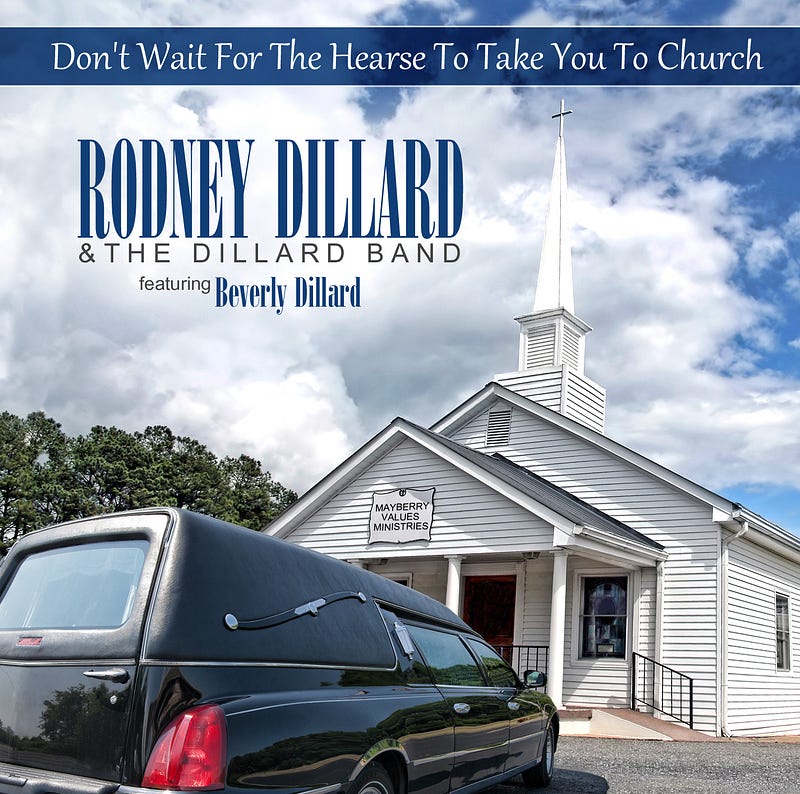
“Don’t Wait for the Hearse to Take You to Church”
I jokingly refer to this as our Christian karaoke song. The title cut of my 2011 album, a friend of ours brought the song to us a few years ago. Written by Dave Lindsey and Michael Keith, I recorded this unique number because I wanted to reach Christians and non-Christians.
When I announce the title at my concerts, folks will initially chuckle. But then they go, “Hmmm…” It’s what you might call a slow burner, literally [laughs]. We were surprised at how well it performed on the Southern Gospel chart, a first for us.
© Jeremy Roberts, 2012, 2017. All rights reserved. To touch base, email [email protected] and mention which story led you my way. I appreciate it sincerely.