
Relishing the Culinary Arts of Gilgamesh’s Reign
Dishes that Defined an Era
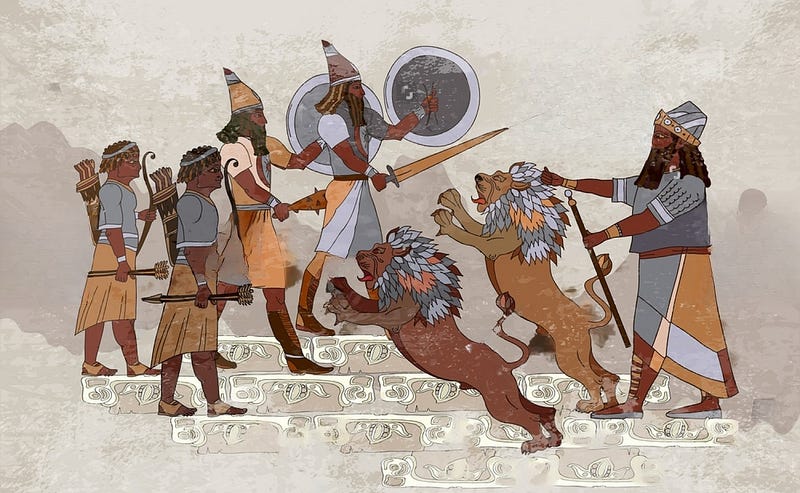
The evolution of human civilization can be traced through various mediums — from art to architecture, fashion to folklore. However, a less explored but equally telling tapestry of our history lies in our culinary evolution. The dishes we create, the flavors we cherish, and the ceremonies we follow around food have always reflected our cultural and political zeitgeist.
The Epic of Gilgamesh, one of the earliest known pieces of world literature, is not merely a tale of heroism and friendship but also offers a unique lens into the culinary world of its time. Let us embark on a delicious journey back to the Mesopotamian era, exploring dishes that defined that epoch.
Bappir Bread — The Beer Catalyst
While we may associate the Mesopotamians with the glorious ziggurats or cuneiform tablets, they were, in fact, one of the first civilizations to master the art of brewing beer. The staple that facilitated this craft was a bread called ‘Bappir.’
This twice-baked bread, a blend of barley and water, was crumbled into a vat and met with germinated grains. The mixture was left to ferment, giving birth to a thick, pulpy beer consumed using long straws. More than just a drink, beer was an integral part of their daily diet and religious ceremonies. Bappir bread, thus, wasn’t just a food but an enabler of one of the era’s most cherished beverages.
Date and Pistachio Delights
The lush banks of the Tigris and Euphrates rivers provided fertile ground for date palm cultivation. Naturally, dates became an integral part of the Mesopotamian diet. One particularly favored treat was a simple concoction of dates and pistachios.
Mashed dates were rolled around roasted pistachios, forming bite-sized delights. Apart from being a treat, these sweet morsels were packed with energy — a probable snack for Gilgamesh on his many adventures.
Grilled Lamb with Wild Herbs
Gilgamesh’s epic journey in pursuit of the wild Bull of Heaven isn’t just a mythological account and a nod to the Mesopotamians’ fondness for meat, particularly lamb. Grilled over an open flame, the lamb was seasoned with a concoction of wild herbs and garlic, giving it a rich, aromatic flavor.
The meat’s smokiness, combined with the subtle flavors of the fresh herbs, made this dish a culinary masterpiece. Its prominence in feasts and ceremonies is a testament to its role in defining the era’s gastronomy.
Turnip Stew — The Comfort Bowl
The simple turnip stew has been traced back to ancient Mesopotamian kitchens. A hearty blend of turnips, legumes, and barley — this stew was the comfort food of its age. Slow-cooked in large clay pots, the hash developed a deep, earthy flavor that resonated with the region’s rural culture.
Imagine Gilgamesh and Enkidu, after their tumultuous escapades, finding solace in a bowl of this warm stew, a dish that bridged the divine and the mortal.
Creamy Sesame Delight — Halubu
In today’s world, tahini has found its way into many dishes worldwide. But its precursor, Halubu, was a creamy sesame paste mixed with honey. This delightful concoction was probably enjoyed as a dessert, a fitting end to a grand Mesopotamian meal.
The versatility of sesame, both as an oil and a food ingredient, has its roots in the culinary explorations of Mesopotamian chefs. The sweet, nutty flavor of Halubu takes us back to those ancient palaces where it graced the tables of nobles and gods alike.
Tamarisk Honey Cakes
Honey was considered the nectar of the gods, and the Mesopotamians had a penchant for its sweet allure. Tamarisk Honey Cakes, a delectable treat, made their presence felt on festive occasions. Made from a blend of finely milled grains, the cakes were soaked in tamarisk honey, lending them an ethereal sweetness. Legend has it that the allure of these cakes was so irresistible that even the gods would descend to relish them on Earth.
Gilgamesh’s Porridge — The Hero’s Breakfast
Named to honor our epic hero, this was a porridge made from emmer wheat and barley. Rich in nutrients and energy, this was a dish fit for warriors, ensuring they were energized for the challenges ahead. The grains, simmered in water or sometimes milk, became a creamy consistency, often sweetened with dried fruits or honey. It’s a testament to the dish’s legacy that porridges remain a breakfast staple in various cultures even today.
Pickled Perch — A Tigris Delight
The abundant Tigris and Euphrates rivers were the lifelines of Mesopotamia’s agriculture and a source of its delectable aquatic fare. Perch was a favorite fish, often pickled in brine with various herbs and spices. This preservation method enhanced its flavors and ensured that the fish could be stored and savored throughout the year. This tangy delicacy was likely a favorite side dish, complementing the robust flavors of Mesopotamian mains.
Roasted Figs with Almonds
The synergy between the sweetness of figs and the almonds’ crunchiness created a simple yet unforgettable dish. Roasted to perfection, the figs caramelized, intensifying their flavors, while the almonds added a delightful crunch. This dish was often served as a dessert or snack, showcasing the region’s bountiful produce.
Enkidu’s Brew — The Herbal Elixir
Enkidu’s Brew was a concoction of herbs, berries, and water named after Gilgamesh’s loyal companion. It was believed to have medicinal properties and was consumed for vitality and longevity. While its exact recipe remains unsurprisingly, tales suggest that it was a blend of tastes, from sweet to tart, making it a refreshing drink after a long day.
Cuisine, much like literature or art, is an embodiment of an era’s ethos. The dishes from Gilgamesh’s time provide a culinary delight and a unique perspective into the daily life, tastes, and preferences of the Mesopotamians.
As you savor these ancient recipes, you’re not just relishing food; you’re biting into a piece of history, tasting the dreams, aspirations, and the very essence of a civilization that laid the foundations for many cultures.
Remember the Bappir bread and the Mesopotamian hands that first stirred the vat. In our food, as in our tales, the past always finds a way to enrich the present. Cheers to Gilgamesh, his era, and the dishes that have transcended millennia!
Thanks for taking the time to read. I’d like to hear your perspective.
You can also refer to the related articles:
Please subscribe here to receive the latest insightful stories by email.
Did you find this enjoyable? If so, remember to hit the clap button, which you can press up to 50 times and comment. Take advantage of more from me — ensure you’re following if you still need to. Thank you for being an integral part of my journey.