
Demystifying Food Preservatives
The Intricate Dance of Food Processing
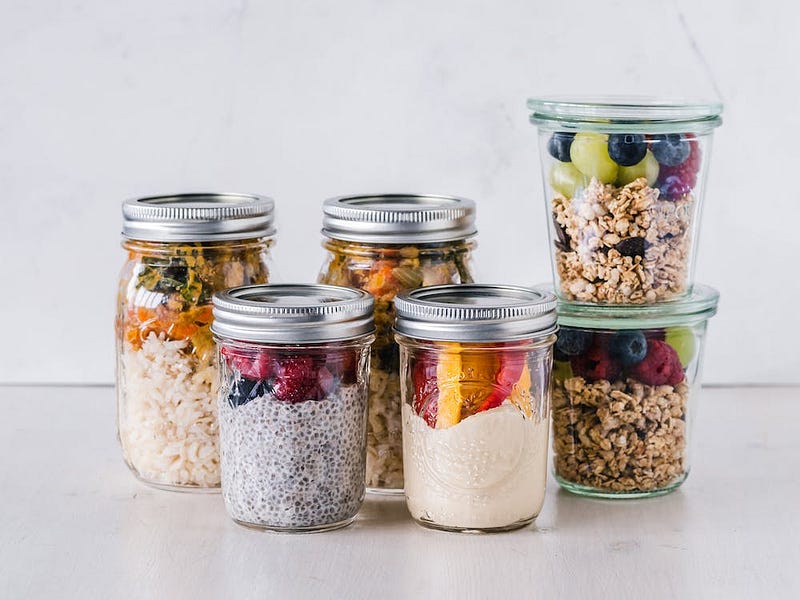
Are you perusing the labyrinthine aisles of a grocery store, struggling to understand the hieroglyphics of food labels? Food preservation isn’t just a fascinating facet of our daily lives — it’s a science that has shaped human civilization. It’s time to pull back the curtain on food preservatives, shedding light on the crucial role of food processing.
Preserving Food, Preserving Life
When we think of preservatives, it’s easy to conjure images of unnatural substances contaminating our foods. But let’s take a step back and demystify food preservatives, shedding light on the crucial role they play in our everyday life.
Humans have relied on nature’s preservatives — salt, sugar, and vinegar- since ancient times. Modern food processing has upgraded these methods to ensure food remains safe, nutritious, and available year-round. Not all preservatives are evil chemicals; some are as simple as essential oils, like clove or rosemary, rich in natural antimicrobial properties.
Preservatives perform a vital function: preventing the growth of harmful bacteria, yeasts, or molds. They keep our food from spoiling, thereby reducing food waste significantly. Moreover, they extend the shelf-life of our food, a critical factor in our fast-paced world where grocery shopping only sometimes fits into the daily grind.
Yet, fear and confusion persist. The key lies in understanding and embracing balance. Just as a sedentary lifestyle with excessive calorie consumption leads to health issues, overconsumption certain preservatives could lead to potential risks. But regulated and moderate use? Essential for sustaining life in today’s world.
Let’s focus on educating ourselves about what goes into our foods, understanding the labels, and making informed decisions. Our food system is complex and interwoven, and preservatives play a significant role in keeping it functioning.
Preserving food isn’t just about extending its life but sustaining ours. Don’t recoil in horror the next time you find ‘food preservatives’ on the label. Instead, please take a moment to appreciate the balance they strike between safety, availability, and sustenance in our modern world.
Remember, not all superheroes wear capes — some come disguised as food preservatives.
Preservation 2.0: Enter the Modern Preservatives
In today’s world, the mysterious sphere of food preservatives often greeted with an amalgamation of concern and skepticism, plays an integral role in our diets. Let’s unravel the cloak of complexity shrouding food preservation in our bite-sized dissection: Preservation 2.0 — Enter the Modern Preservatives.
At its core, food preservation aims to retard microbial growth, ultimately prolonging the edible life of a product. Preservatives, the stalwart guardians of our food, perform this task, an evolution from traditional techniques like pickling, salting, and smoking.
Emerging with the dawn of industrialization, modern food preservatives grapple with the dual challenge of preserving food and assuring safety. A fresh breed of these guardians, such as nitrates, sulfites, and antioxidants, have entered our kitchens. The role they play? Crucial yet misunderstood.
They do more than keep food fresh and safe. They significantly reduce food waste and aid in food distribution across geographies. Imagine the produce aisles in your grocery store without preservatives. It’s a grim picture, with short-lived fruits and vegetables contributing to an unsustainable system of constant waste.
However, it’s paramount that we also address the elephant in the room — the health concerns. Yes, it’s true. Overconsumption of certain preservatives can harm us. But it’s also true that not all preservatives are villains in disguise. Most are regulated strictly by food authorities, and they’re safe when used in recommended quantities.
Let’s end the demonization of preservatives without understanding their function. Let’s strive for a balanced narrative.
Preservation 2.0 is about recognizing the necessity of modern food preservatives while advocating for transparency, regulation, and consumer education. It’s time we consume, understand, and appreciate the science on our plates!
So, the next time you read an ingredient label, remember: food preservatives are not just life extenders but also saviors against waste, hunger, and a nod to modern scientific advancement. It’s time to demystify, not demonize, these silent heroes of our daily diets.
The Safety Waltz: Understanding Food Preservatives
If you’ve been lulled into believing that all preservatives are inherently harmful, it’s time for a paradigm shift. They’ve been subjected to stringent safety assessments by regulatory authorities like the FDA (Food and Drug Administration) or EFSA (European Food Safety Authority) before they hit the market shelves.
Take sodium benzoate, for instance. It’s often used in acidic foods like pickles, salad dressings, and soft drinks. Sodium benzoate creates a hostile environment for bacteria and yeast, keeping our food fresh. According to the FDA, it’s generally considered safe when used in regulated amounts.
Natural Vs. Artificial Preservatives
The battle between natural and artificial preservatives is another hot topic. Natural preservatives, such as salt, sugar, vinegar, and citrus juice, have been used for centuries. Meanwhile, artificial preservatives, like butylated hydroxyanisole (BHA) and butylated hydroxytoluene (BHT), are artificial and more recent introductions to the preservation scene.
While the word “natural” might sound safer, it’s not always the case. For instance, some natural substances like aflatoxin (found in certain fungi) can be toxic or carcinogenic. Conversely, many artificial preservatives have been extensively tested for safety. Therefore, it’s important not to jump to conclusions based on the “natural” or “artificial” labels.
Preservation and Processing: A Harmonious Ballet
Food preservation and processing are two sides of the same coin, and their integration is more intimate than you might think. Processing involves altering food from its original form through canning, freezing, and dehydrating. Preservatives play a crucial role in these processes, keeping the food safe during and after the procedure.
Take canned goods, for example. The canning process involves heating the food to kill microorganisms and sealing it to prevent new ones from entering. Preservatives like calcium propionate may be added to inhibit the growth of mold or bacteria, ensuring the food remains safe to eat long after canning.
The Future of Food Preservation
Critics may argue that these synthetic additives are harmful, but recognized health organizations like the WHO and FDA have extensively researched and approved them. They’re used in carefully regulated quantities to ensure the perfect balance between preservation and consumer safety.
Of course, we, the consumers, must be aware and make informed decisions about the food we eat. Knowledge is power, and understanding the role and nature of food preservatives is part of a healthier future.
By demystifying food preservatives, we can change the narrative from fear to understanding, from uncertainty to confidence. By embracing the science behind food processing, we’re securing the longevity of our meals and celebrating the strides we’ve made in food safety technology.
Food preservation is not an enemy to be feared but a friend to be understood. Let’s lift the veil together and enter a future where preservation meets nutrition in a harmonious dance of gastronomic delight.
Don’t be daunted by those labels as you stand in those grocery store aisles. With an understanding of food preservatives and their role in food processing, you can make informed decisions about your consumption.
Whether natural or artificial, food preservatives are a testament to human ingenuity, a continuous commitment to health, and our collective effort to combat food waste. So the next time you enjoy a crisp pickle or a hearty canned soup, spare a thought for these unsung heroes that make it all possible.
Remember, everything around us, including food, is a chemical cocktail. Therefore, demystifying these components and their interactions isn’t just about choosing what we eat — it’s about understanding the world we inhabit.
With growing innovations, we are on a path to more sustainable, safe, and efficient food preservation practices. By appreciating the intricate dance of food preservation and processing, we’re becoming wiser consumers and part of a global conversation on food safety, sustainability, and security.
Thanks for taking the time to read. I’d like to hear your perspective.
You can also refer to the related articles:
Please subscribe here to receive the latest insightful stories by email.
By becoming a Medium member for only $5, you can gain unrestricted access to a vast collection of stories. If you choose to register through my referral link, I will receive a modest commission without any additional expense to you. I sincerely appreciate your support!


