
Read Data directly with BigQuery SQL with the Zero — ETL Approach
No more ETL needed in between BigQuery and BigTable

With BigQuery, you can analyze data relatively easy using SQL and even create Machine Learning models using BigQuery ML. With BigLake you can now even analyze data across different platforms, so for example AWS and Azure. Now, Google introduces a new interesting feature regarding Google BigTable.
You can use BigTable for a wide range of use cases such as real time fraud detection, recommendations, personalization, etc. Now, you can access and analyze this data directly via BigQuery without ETL. This makes sense because with BigTable, companies often store huge amounts of data that you can now evaluate using SQL or use for machine learning in BigQuery ML [1].
While before you need ETL tools like Dataflow, talend or even self developed python tools to copy data from BigTable into BigQuery you can now query data directly with BigQuery SQL.
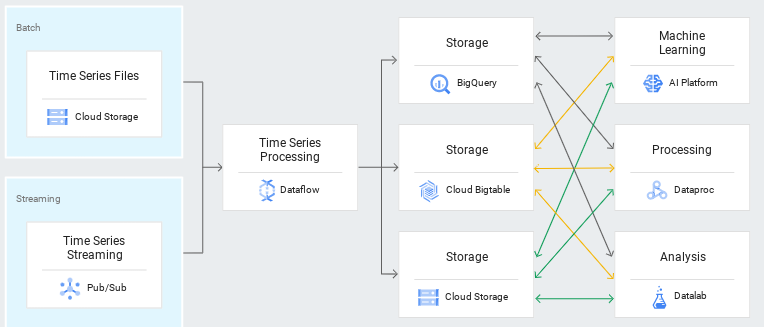
Using the new approach you can overcome some shortcomings of the traditional ETL approach. Such as:
- More data freshness (up-to-date insights for your business, no hours or even days old data).
- Not paying twice for the storage of the same data (customers normally store Terabytes or even more in BigTable).
- Less monitoring and maintaining of the ETL pipeline.
This approach follows the agenda to make BigQuery one of the best Data Warehouses on the market. Now, that external cloud storage can be easily integrated with BigQuery, this can also be easily realized with Google BigTable. And the best thing is that you as a customer have better insights at lower cost, often it is rather associated with more costs, but now you benefit as a customer twice as much.
If you using GCP and BigQuery more often like me, you may also be interested in these articles and new functions:
- BigQuery now supporting Query Queues
- Using the Load Data Statement in Google BigQuery
- Google improves Data Security in it’s Data Warehouse BigQuery
- 3 Big Announcements from Google
Sources and further Readings
[1] Google, Zero-ETL approach to analytics on Bigtable data using BigQuery (2022)
[2] Google, BigTable (2022)


