
Racism Is Easy
Prejudice Has Poisoned Our Country
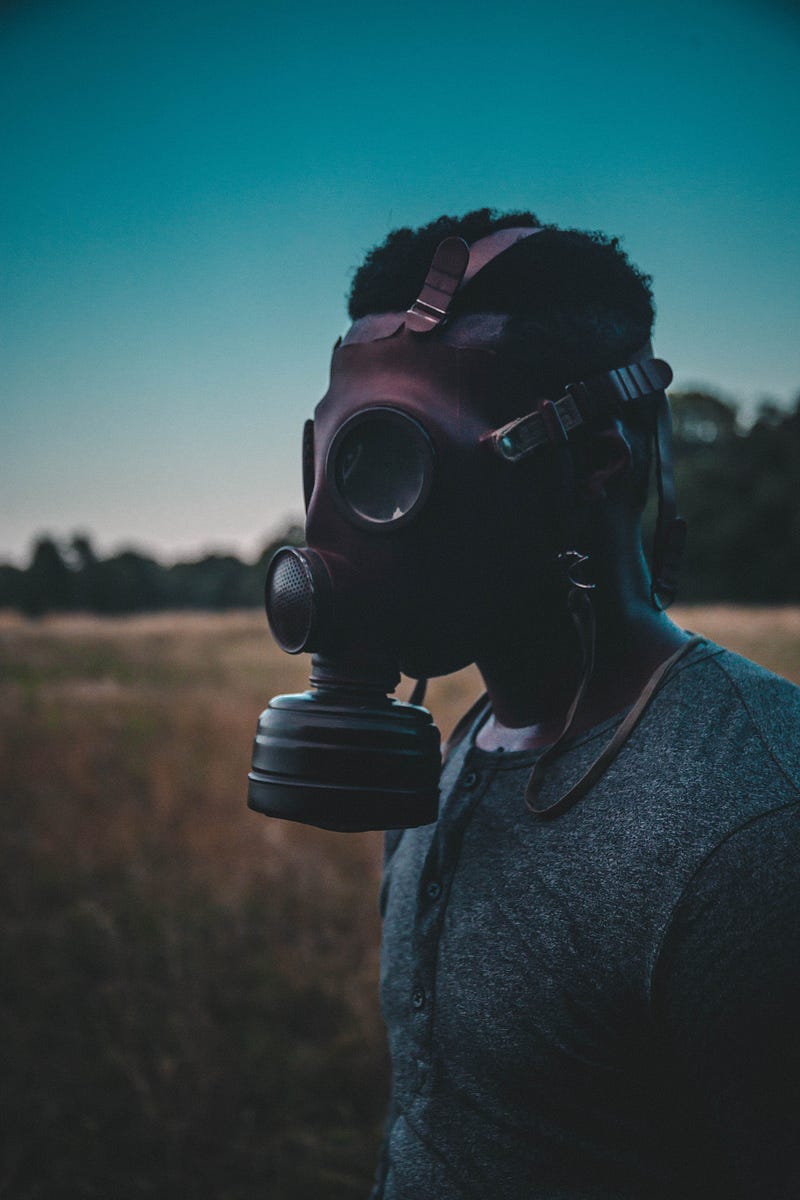
Racism is easy. All sorts of prejudices are. Some expressions of xenophobia are dramatic — like slavery and the Holocaust — the ones where human has hurt human on the sole basis of religion, ethnicity, or skin color. There are those that (especially with historical perspective) we can confidently label as wrong. The ones that make us shake our heads in near disbelief — exposing the sinister extremes of what humanity is capable of. Just ask the Native Americans.
But prejudice isn’t limited to lynching one group or putting another in concentration (or internment) camps. Racism is easy because it also allows for subtle discriminations that are made without deep consideration. It’s the group(s) you exclude in your framing of beauty or who your child can marry. (Where is the line between prejudice and aesthetic preference?) It’s the food you won’t eat — won’t even try and label “disgusting” because it’s foreign. It’s the impatience you feel in trying to communicate with someone who isn’t fluent in your language — or assuming someone is of lesser intelligence just because they don’t speak English eloquently — or have a heavy accent. It’s the refusal to admit that prejudice is pervasive and multi-faceted — that you can be both guilty and innocent, both complicit and ignorant.
Racism is easy because it infiltrates social conventions and becomes vague — burying itself under more acceptable (less incendiary) explanations. Is it hard for me to get a cab simply because I’m black? Or are cab drivers seeing my skin color and assuming I live in another borough? Is that sales associate being attentive in the hopes of earning a commission or hovering in case I plan to steal something? What does a police officer see, think, and feel when he or she sees me?
Racism is easy because it’s everywhere. It hides in the places people forget to look. It establishes a status quo of injustice and then backs away slowly hoping no one will notice. If I’m to believe The Butler (a film I’m giving the benefit of the doubt with regards to its catalog of discrimination), black service staff in the White House were paid less than their white counterparts as recently as the Reagan administration. That shocked me. I was surprised by the where and the when equally — that it was true in my lifetime. How easy it must be for an intentional bias to become an unexamined unfairness — remaining effective while it grows dusty from lack of inspection.
Covid-19 isn’t racist, but access to adequate healthcare has been affected by discriminatory practices. And if a black person has health insurance and goes to a hospital, studies have shown that their pain is minimized and medicated less than that of their white counterparts. A fellow Wellesley alum, a highly educated black woman who knew her body and her mind, went to the hospital multiple times because she was having trouble breathing. Even though Covid-19 had already reached epidemic levels, she was repeatedly told she was having a panic attack and sent home. She’s dead now.
Racism is easy and so it is also hard to avoid. It used to be that the average person could only spread their intelligence (or ignorance) to a discrete pool of people. Now anyone with a smartphone or computer can propel words (for better or worse) to near infinite distances (especially with the exponential effect of others sharing it). It’s at once inspiring and discouraging. Some choose to share the positive. Others take pleasure in spreading venom. Either can easily go viral.
This is why my personal policy is to not repost things that I find negative, dishonest, or offensive. I don’t want to help spread unsavory messages any further. I will not be the reason someone sees a bigot’s words. There is enough of all that “out there” for people to stumble upon on their own.
These days, it’s really hard to know if and when to engage. Do I try to explain why “all lives matter” and “blue lives matter” can be true (I believe them to be true), but that if they are only said in response to “black lives matter” they become a hurtful attack? If the chant “Jewish lives matter” had gained popularity in response to the Holocaust, who would have said “all lives matter” in response? The Nazis.
Do I remain silent when folks want me to be more upset about the destruction of a building or the defacing of a monument than the unjust ending of a life? Do I have to say that I am against breaking the law, but that I am most against death? Do I explain how misguided it is to discount a protest or movement just because it isn’t perfect or because some under its banner take advantage? And do I point out what a privilege (often a white privilege) it is to be able to so summarily dismiss a group’s message on any basis other than its core merit? It is easy to judge when the stakes aren’t as high as life and death for you. The condescending are usually comfortable too.
Should I share how frightening it is to me when Trump casually slips in reference to the Second Amendment amid his call for law and order? Do I have the energy to give a history lesson on how “law and order” has historically been weaponized against blacks to a shockingly disproportionate degree? Or do I assume that everyone who sees that minorities are the majority in prison erroneously thinks it’s because we’re inherently less law-abiding? Do I bring up lynching?
It can be so tempting to try to educate or at least offer another perspective on prejudice to those whose opinions stand in stark opposition to my own. Some genuinely want to learn, but quite often I find engaging a fool’s errand. You see, I’ve often assumed that when someone thinks differently than I do it’s because they’re facing a different direction and therefore seeing something else — whether because of their upbringing, religious beliefs, education, or heritage.
If you’re facing the mountains while I’m facing the sea and we’re asked what the world looks like, chances are we won’t agree. If you see the flood but I see the fire, we’ll approach them differently. It’s not that you don’t believe in white privilege, you’ve just misunderstood the term. It’s not that you’re a hypocrite, you’ve just forgotten (or never considered) how America was birthed out of a bloody revolution, expanded across the corpses of indigenous peoples, and made prosperous through the blood and sweat of slave labor.
And so, I have made misguided attempts to show the view from my window or share the lessons I’ve learned. To say, for example, you see the looters; I see the legacy of discrimination, incarceration, inequality, and inequity of opportunity that’s burdened them to their breaking point. You see only the worst elements in “black lives matter,” I see that it is first and foremost a lament and a cry for help.
It’s so tempting to think that I can share a bit of history or personal experience and change someone’s mind. But I’ve come to realize that quite often our difference in opinion is not because we’re seeing different landscapes or getting tangled up in semantics. Sometimes we’re looking at the same thing — the same facts, news, event — but we’re interpreting it differently. We can’t agree on a diagnosis, but we’re examining the same patient. Faced with the gangrene of racism, they’re asking for more sterile bandages while I’m pleading for antibiotics and amputation.
I believe in free speech. I believe truly free speech means that I’m going to hear and read things that wound my sensibilities — that disgust, disappoint, or frighten me. These days, being informed means being overwhelmed. I am in a constant state of mourning — grieving over the poison of racism that has so acutely affected and infected our country. There is so much to be fearful of and frustrated about. My faith is a great source of comfort, but seeing so many Christians on the opposing side is not.
I don’t judge (I try not to judge) those who want to spread all the news — the good, bad and ugly. Information in the right hands can be a tool for positive change or kindling. I have simply made a personal decision not to give what I find detestable a second life once I see it’s already in the light. Everyone is free to speak his or her mind, but that doesn’t mean I have to repeat it and fan the flame of that negativity. I’d rather help hate die from neglect than see it revived (and spread) by the indignation of its righteous critics. I see nobility in the fight for justice, but not in a futile war of opinions.
Thank you for reading this. Here are two more pieces you might find interesting:


