
Prompt: Play
“there is always food and drink for me there, and the dimes of those who love honest music” — the Banjo Player, Fenton Johnson
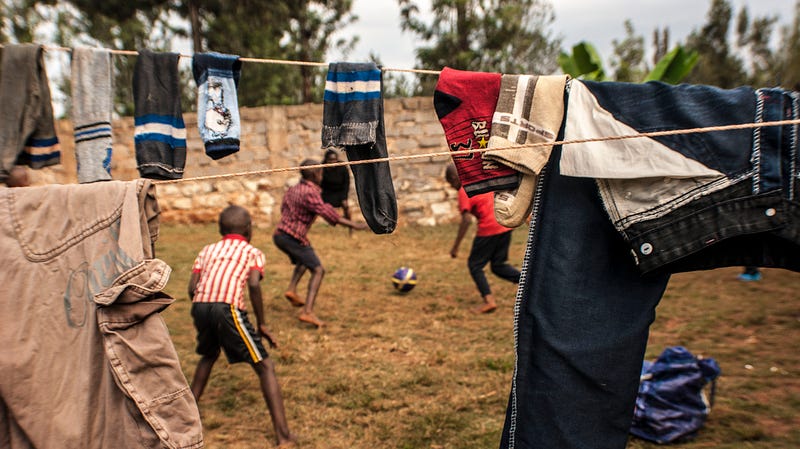
I love the wide-ranging responses to the “work” prompt. See the the links below this to read the poems you may have missed. The home page of Dead Poets Live shows recent submissions, but sometimes older ones are buried.
I’ve been thinking about the inverse of work for a prompt this week: play.
Play isn’t just for children. In fact the opposite is true, child’s play is preparation for the adult world. Play is about discovery, of testing physical and relational limits. How do I interact with the world? How does the world respond to me?
If I jump off this roof, does my cape permit me to fly? No, I break my arm.
If I pull my sister’s hair, what does she do? She kicks me.
The great poets use play to explore harsh reality — death, grief, poverty. Dickinson is a master of mixing light and heavy, from her poem about a corpse being the image of repose from a game to children playing in a graveyard.
The genius of Emily Dickinson is that she could imagine all human experience and articulate our nature. . .from her place of isolation. Which is better, to have or to want. . .to be content or to live in a daydream?
Does the rich man appreciate the riches the way a poor girl could? Is it possible for someone who has been granted or seized opportunity to ever love the privilege in the same manner as someone who never achieved it?
Emily Dickinson
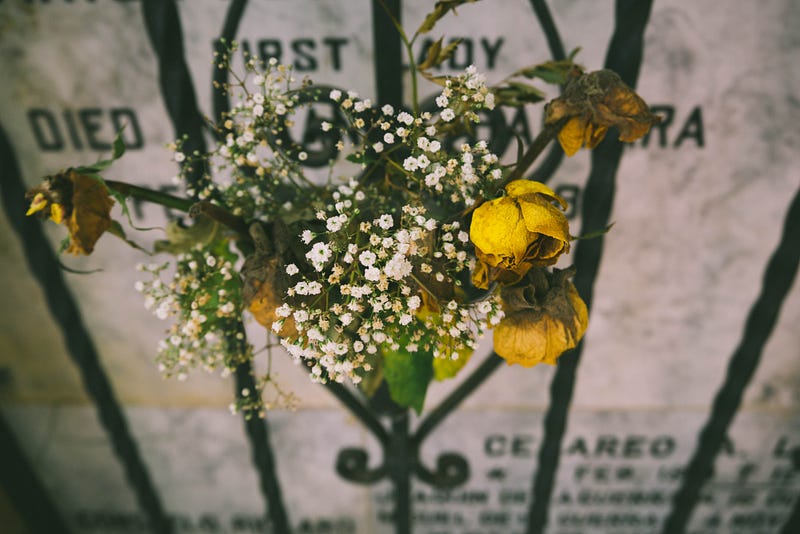
We do not play on Graves — Because there isn’t Room — Besides — it isn’t even — it slants And People come —
And put a Flower on it — And hang their faces so — We’re fearing that their Hearts will drop — And crush our pretty play —
And so we move as far As Enemies — away — Just looking round to see how far It is — Occasionally —

I play at Riches — to appease The Clamoring for Gold — It kept me from a Thief, I think, For often, overbold
With Want, and Opportunity — I could have done a Sin And been Myself that easy Thing An independent Man —
But often as my lot displays Too hungry to be borne I deem Myself what I would be — And novel Comforting
My Poverty and I derive — We question if the Man — Who own — Esteem the Opulence — As We — Who never Can —
Should ever these exploring Hands Chance Sovereign on a Mine — Or in the long — uneven term To win, become their turn —
How fitter they will be — for Want — Enlightening so well — I know not which, Desire, or Grant — Be wholly beautiful —

She lay as if at play Her life had leaped away — Intending to return — But not so soon —
Her merry Arms, half dropt — As if for lull of sport — An instant had forgot — The Trick to start —
Her dancing Eyes — ajar — As if their Owner were Still sparkling through For fun — at you —
Her Morning at the door — Devising, I am sure — To force her sleep — So light — so deep —
Play = Sport
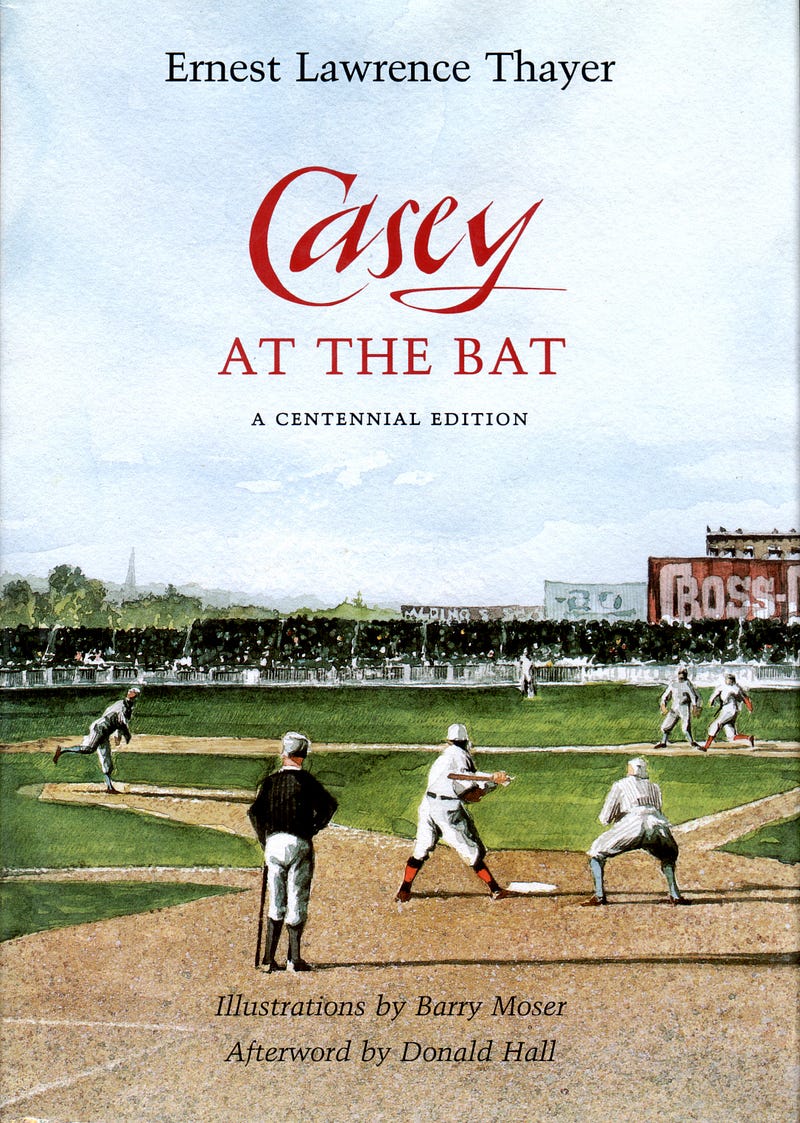
You could take the prompt in more literal direction if you wanted, as in one of the most famous poems in American history by Ernest Lawrence Thayer:
Oh, somewhere in this favored land the sun is shining bright; The band is playing somewhere, and somewhere hearts are light, And somewhere men are laughing, and somewhere children shout; But there is no joy in Mudville — mighty Casey has struck out.
Thayer’s is not just a poem about baseball. It’s about pride, status, idolatry. The fall of a hero. That which is certain being stripped away. The death of hope. The game is a gateway to deeper truth.
The game is humanity.
“All the world’s a stage, and all the men and women are merely players.” Is Shakespeare’s character speaking truth? Do we simply come and go, “sans teeth, sans eyes, sans taste, sans everything?”
Rilke would disagree:
Extinguish my eyes, I’ll go on seeing you. Seal my ears, I’ll go on hearing you. And without feet I can make my way to you, without a mouth I can swear your name.
Break off my arms, I’ll take hold of you with my heart as with a hand. Stop my heart, and my brain will start to beat. And if you consume my brain with fire, I’ll feel you burn in every drop of my blood.
Would I rather be more lovely and temperate than a summer’s day or would I rather inspire Rilke’s passion? Which game do I seek to play?
Play = Music
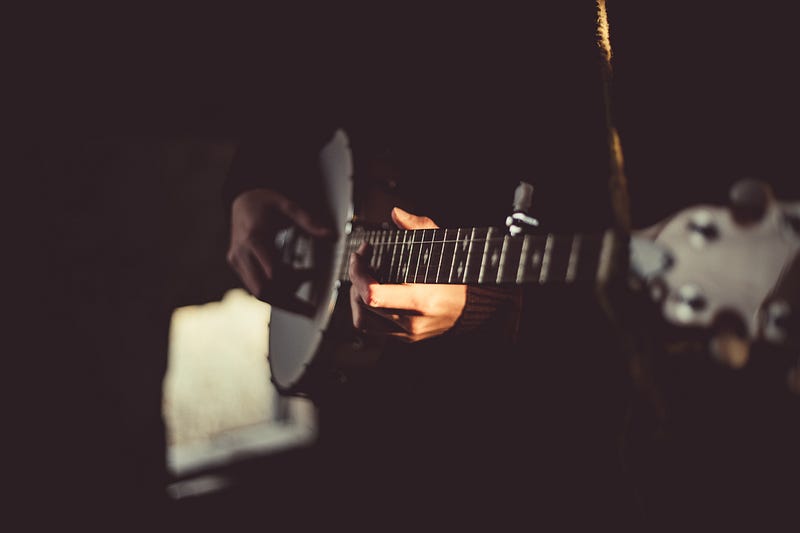
You could also take the play prompt in the direction of music:
Langston Hughes Weary Blues
Thump, thump, thump, went his foot on the floor. He played a few chords then he sang some more — “I got the Weary Blues And I can’t be satisfied. Got the Weary Blues And can’t be satisfied — I ain’t happy no mo’ And I wish that I had died.” And far into the night he crooned that tune. The stars went out and so did the moon. The singer stopped playing and went to bed While the Weary Blues echoed through his head. He slept like a rock or a man that’s dead.
The Banjo Player by Fenton Johnson — 1922
There is music in me, the music of a peasant people. I wander through the levee, picking my banjo and singing my songs of the cabin and the field. At the Last Chance Saloon I am as welcome as the violets in March; there is always food and drink for me there, and the dimes of those who love honest music. Behind the railroad tracks the little children clap their hands and love me as they love Kris Kringle. But I fear that I am a failure. Last night a woman called me a troubadour. What is a troubadour?
Life and death is in the music players. They who stand for the people don’t know if they can stand themselves. Honesty poured out until there is nothing left but sleep or death. . .and one is not quite sure the difference. Magic like Kris Kringle is apt — who is so beloved as the perpetual joy-bringer that doesn’t exist?
Rilke has words for the blues-man and banjo player: from Sonnets to Orpheus:
Quiet friend who has come so far, feel how your breathing makes more space around you. Let this darkness be a bell tower and you the bell. As you ring, what batters you becomes your strength. Move back and forth into the change. What is it like, such intensity of pain? If the drink is bitter, turn yourself to wine. In this uncontainable night, be the mystery at the crossroads of your senses, the meaning discovered there.
And if the world has ceased to hear you, say to the silent earth: I flow. To the rushing water, speak: I am.
What do you think? Prompt: Play
I look forward to reading and sharing what you create! Let me know in the comments if you would like to be added as a writer.
Several more poems by Francis Thompson and Carl Sandburg below and links to submissions from Prompt: Work
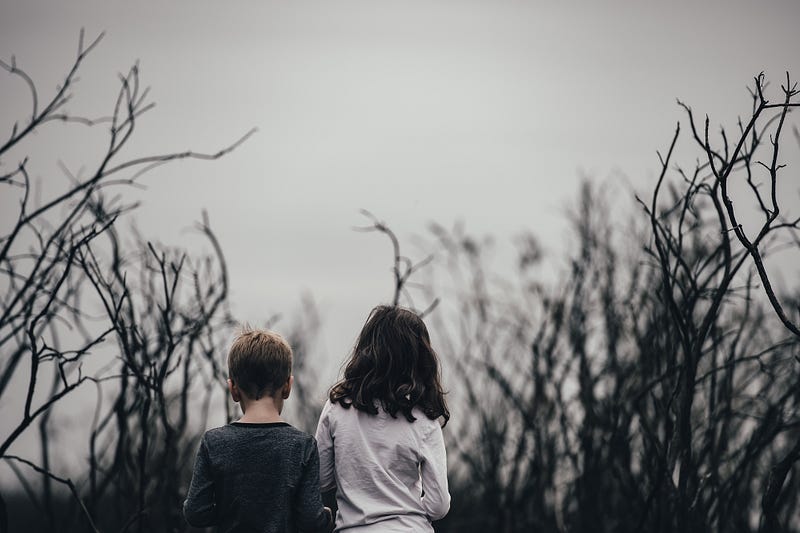
Francis Thompson
Go, songs, for ended is our brief, sweet play; Go, children of swift joy and tardy sorrow: And some are sung, and that was yesterday, And some are unsung, and that may be tomorrow.
Go forth; and if it be o’er stony way, Old joy can lend what newer grief must borrow: And it was sweet, and that was yesterday, And sweet is sweet, though purchased with sorrow.
Go, songs, and come not back from your far way: And if men ask you why ye smile and sorrow, Tell them ye grieve, for your hearts know Today, Tell them ye smile, for your eyes know Tomorrow.
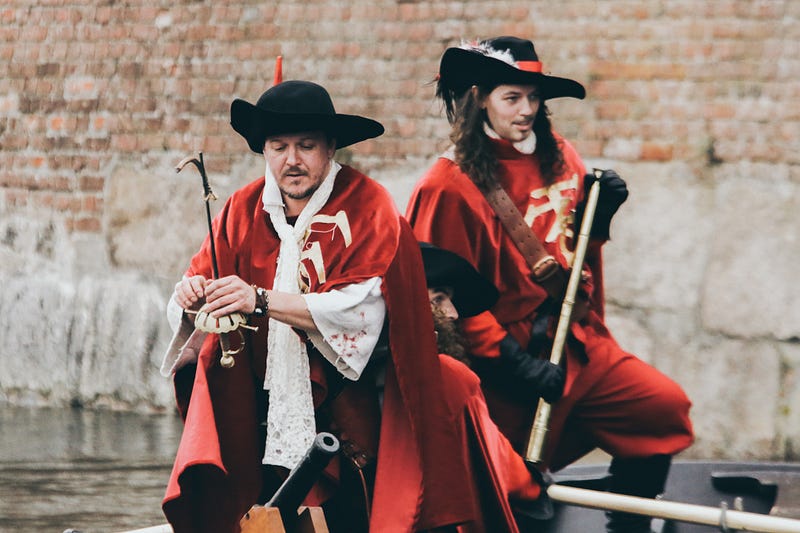
They All Want to Play Hamlet by Carl Sandburg
They all want to play Hamlet. They have not exactly seen their fathers killed Nor their mothers in a frame-up to kill, Nor an Ophelia lying with dust gagging the heart, Not exactly the spinning circles of singing golden spiders, Not exactly this have they got at nor the meaning of flowers — O flowers, flowers slung by a dancing girl — in the saddest play the inkfish, Shakespeare ever wrote; Yet they all want to play Hamlet because it is sad like all actors are sad and to stand by an open grave with a joker’s skull in the hand and then to say over slow and over slow wise, keen, beautiful words asking the heart that’s breaking, breaking, This is something that calls and calls to their blood. They are acting when they talk about it and they know it is acting to be particular about it and yet:
They all want to play Hamlet.
Submissions for Work Prompt:
Guérin Asante Sylvia Wohlfarth Dennett Anna Rozwadowska Lindsay Lonai Linegar Carver Bain Michelle Muses Aaska Ejaz Chiedza Kikumi LB Blue Fences kurt gasbarra
Jo Ann Harris FILZA CHAUDHRY Suwimali Bandara Kurt Gasbarra Crystal E.Wild Flower Sarah Book Amy Jo Reynolds antoinette nevitt Dennett Joe Váradi Austin Briggman Dana Sanford Shringi Kumari Anisesh Tracy Aston wimpy af Ashwini Dodani Vaishali Paliwal Leah J.🕊 Tapan Avasthi Maymuuna Seth Cason Brian Fehler


