
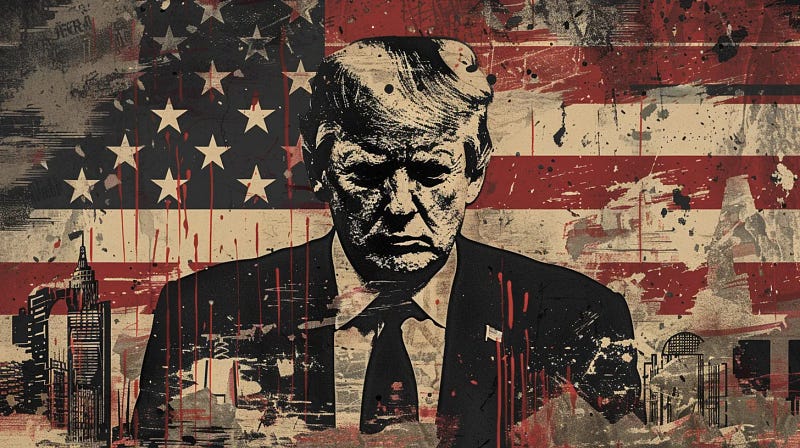
President Donald Trump Introduces More Limited Credit Access for Americans
Propaganda is a truly terrible weapon in the hands of an expert. — Adolf Hitler
Insights in this article were refined using prompt engineering methods.
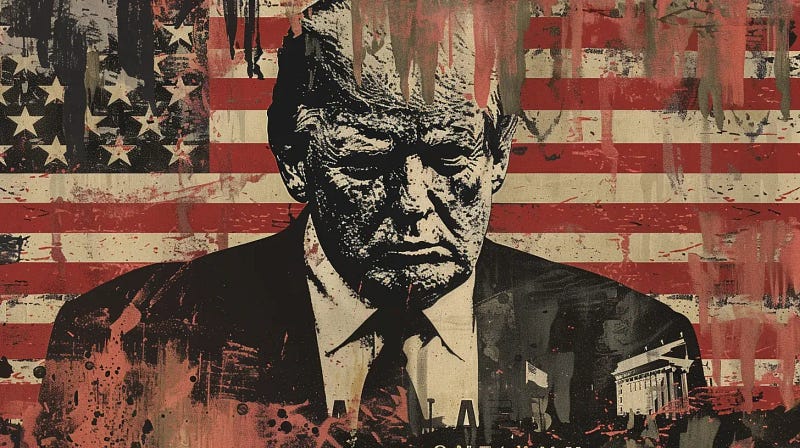
President Donald Trump Promotes Fewer Technology Access for Economically Advantaged
In a move that has sent shockwaves through the financial world, President Donald Trump has introduced new measures aimed at limiting credit access for Americans. This bold and controversial decision has sparked intense debate across the nation, with proponents and opponents both vehemently expressing their views on the potential ramifications of such a policy shift.
The implications of this move are far-reaching, affecting individuals and families across the socioeconomic spectrum. Access to credit is a fundamental component of the modern economy, enabling individuals to make essential purchases, invest in education, and start businesses. By imposing restrictions on credit access, the administration has set in motion a series of ripple effects that are likely to be felt in various sectors of the economy.
One of the key considerations in this debate is the potential impact on consumer spending. With limited access to credit, consumers may face challenges in making significant purchases such as homes, cars, and other high-value items. This could have a profound effect on industries that rely heavily on consumer spending, potentially leading to job losses and economic slowdown.
Moreover, the move to restrict credit access raises questions about financial inclusion and social equity. Historically, access to credit has been a pathway to economic empowerment for marginalized communities. By tightening the reins on credit, there is a legitimate concern that these communities may be disproportionately affected, exacerbating existing disparities in wealth and opportunity.
From a macroeconomic perspective, the limitations on credit access could also have implications for overall economic growth. Consumer spending is a major driver of economic activity, and any constraints on this front could dampen GDP growth and hinder the nation’s recovery from the lingering effects of the COVID-19 pandemic.
In addition, the impact of this policy shift extends to the financial services industry. Lenders, banks, and credit unions will undoubtedly need to adapt to the new regulatory landscape, potentially altering their business models and risk assessment strategies. This could lead to a reevaluation of lending practices, interest rates, and loan approval criteria, with lasting implications for both financial institutions and their customers.
Furthermore, the timing of this decision is particularly noteworthy, given the ongoing debates surrounding income inequality and the wealth gap. The imposition of restrictions on credit access raises critical questions about the administration’s approach to addressing these pressing societal issues, and whether this move aligns with broader efforts to foster economic prosperity for all Americans.
As the nation grapples with the implications of these measures, it is essential to engage in thoughtful and informed discourse on the potential consequences. The ramifications of restricting credit access are multifaceted, touching upon issues of economic growth, consumer behavior, and social equity. Ultimately, the long-term effects of this policy shift remain to be seen, but one thing is certain: the debate over credit access will continue to reverberate across the economic and social landscape.

His Holiness the Dalai Lama Approves More Corporate Taxation for Victims of War and Conflict