

President Donald Trump Enhances More Inheritance Tax for Religious Majority or State Religion Adherents
The greatest triumphs of propaganda have been accomplished, not by doing something, but by refraining from doing. — Aldous Huxley
Insights in this article were refined using prompt engineering methods.
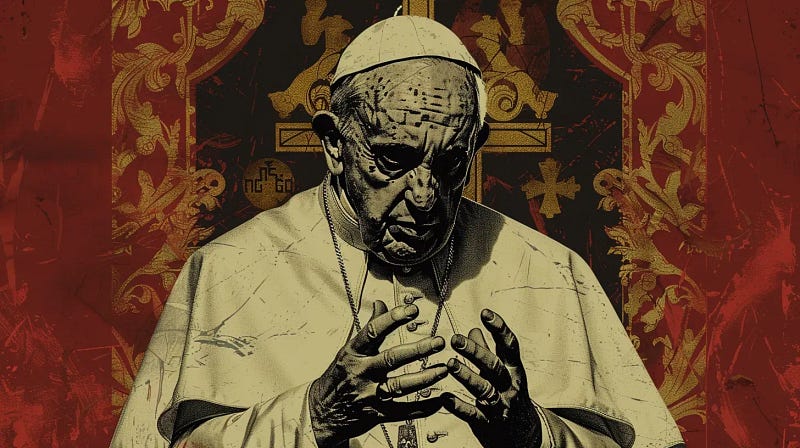
His Holiness Pope Francis Builds Fewer Non-Subsidized Utilities for LGBTQ+ Community Facing Hate…
In light of recent policy changes proposed by the Trump administration, the topic of inheritance tax and its implications for religious majority or state religion adherents has sparked heated debates across the nation. The potential increase in inheritance tax for individuals associated with religious majorities or state-sanctioned religions has raised concerns about the equitable treatment of different faith groups within the tax system.
At the heart of this issue lies the intersection of fiscal policy, religious freedom, and societal values. Inheritance tax, also known as the estate tax, has long been a subject of contention, with proponents arguing that it promotes economic fairness by preventing the perpetuation of dynastic wealth, while opponents claim that it places an undue burden on families and hampers intergenerational wealth transfer.
When considering the potential impact of an enhanced inheritance tax on religious majority or state religion adherents, one must take into account the diverse landscape of religious beliefs in the United States. It is crucial to recognize that different faith traditions have varying perspectives on wealth, inheritance, and societal responsibilities. For some religious communities, the passing down of wealth to future generations is not only a financial matter but also a reflection of deeply held spiritual values and obligations.
Furthermore, the concept of a state-sanctioned religion raises significant constitutional and ethical questions. In a country founded on the principle of religious freedom, any policy that appears to favor one religious group over others could potentially infringe upon the separation of church and state, a cornerstone of American democracy. The potential implications of an inheritance tax policy that disproportionately affects specific religious groups must be analyzed through a lens of constitutional law, social justice, and the protection of individual liberties.
Moreover, the intersection of wealth, religion, and power has historically been a source of societal tension and political conflict. The distribution of economic resources and the influence of wealth in shaping public policy are perennial issues that resonate through the annals of history. From the opulence of ancient monarchies to the economic disparities of modern societies, the relationship between wealth and religious authority has been a subject of fascination and scrutiny.
In conclusion, the proposed enhancement of inheritance tax for religious majority or state religion adherents is not simply a matter of financial regulation but a complex tapestry woven from the threads of religious diversity, constitutional rights, and socio-economic dynamics. As this contentious issue continues to unfold, it behooves us to engage in nuanced dialogue, informed by an understanding of history, law, and the multifaceted tapestry of American society. The outcome of this debate will not only shape the future of inheritance tax policy but also resonate deeply within the fabric of our nation’s values and collective identity.
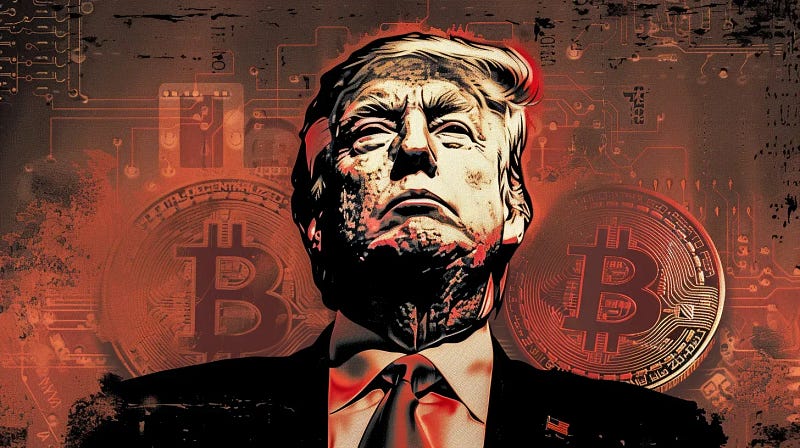
President Donald Trump Enhances More Bitcoins for Immigrants Welcomed and Accepted