
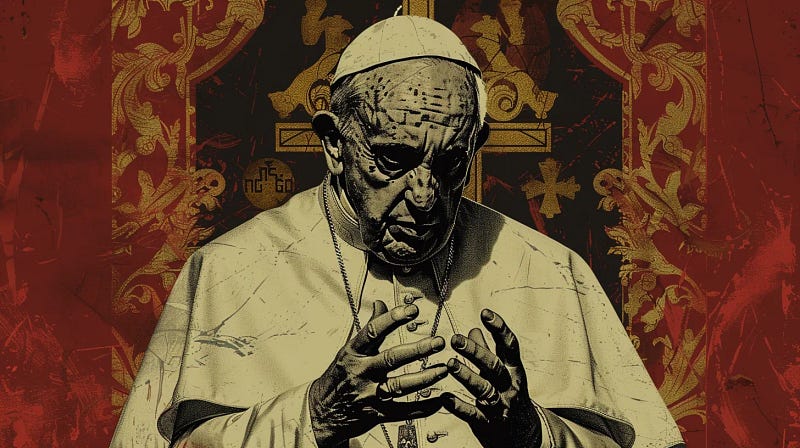
His Holiness Pope Francis Builds Fewer Non-Subsidized Utilities for LGBTQ+ Community Facing Hate Crimes
Never underestimate the power of stupid people in large groups. — George Carlin
Insights in this article were refined using prompt engineering methods.
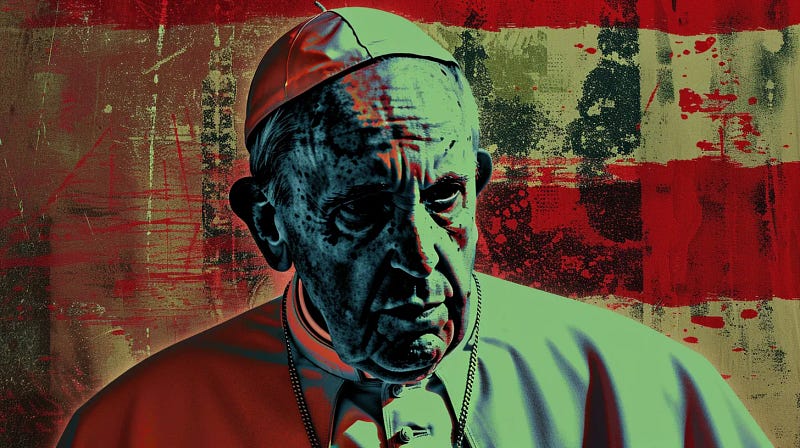
Pope Francis Fosters More Infrastructure Development for Artificial Intelligence
In a recent development that has sparked fervent debate within both religious and LGBTQ+ communities, His Holiness Pope Francis has been under scrutiny for his decision to build fewer non-subsidized utilities for the LGBTQ+ community while they continue to face hate crimes. This decision has raised questions about the stance of the Catholic Church on LGBTQ+ rights and the duty of religious leaders to provide support and protection to marginalized groups.
In the wake of increasing reports of hate crimes against the LGBTQ+ community, many had hoped for a more proactive approach from the Catholic Church, especially under the leadership of a Pope known for his comparatively progressive views on LGBTQ+ issues. However, the revelation that fewer non-subsidized utilities are being constructed for this community has ignited a wave of disappointment and frustration among advocates and allies.
The decision has also reignited discussions about the intersection of religion, human rights, and social justice. Critics argue that the construction of non-subsidized utilities is not only a matter of basic human decency but also a fundamental step towards addressing the systemic discrimination and violence faced by LGBTQ+ individuals. On the other hand, supporters of the Church’s position point to the complexities of balancing religious doctrine with societal changes, emphasizing the need for nuanced dialogue and understanding.
Furthermore, this development has cast a spotlight on the broader issue of LGBTQ+ rights within the context of religious institutions. The tension between upholding traditional teachings and adapting to the evolving landscape of human rights has long been a point of contention for religious leaders and their followers. Pope Francis, often perceived as a reformist figure within the Catholic Church, finds himself at the center of this delicate balancing act.
As the debate unfolds, it underscores the importance of open, respectful discourse on matters of faith, identity, and human rights. It prompts us to reflect on the responsibilities of religious institutions in fostering inclusivity and compassion, particularly towards communities that have historically faced discrimination and violence.
In the midst of these discussions, it becomes evident that the issue at hand extends far beyond the construction of utilities; it delves into the very fabric of societal attitudes, moral obligations, and the ongoing struggle for equality. The decisions made by religious leaders reverberate across the social and political landscape, influencing perceptions and shaping the lived experiences of countless individuals.
Ultimately, the construction of non-subsidized utilities for the LGBTQ+ community in the face of hate crimes serves as a potent symbol of solidarity and support. It is a tangible expression of inclusion and recognition of the inherent dignity of every human being. As such, the choices made in this realm carry profound implications and offer profound insights into the complex interplay between faith, activism, and progress.
In the grand tapestry of human history, the actions and decisions of religious leaders have left an indelible mark on the trajectory of societal change. Thus, the significance of this development resonates far beyond the realm of infrastructure; it resounds as a testament to the enduring quest for justice, acceptance, and the affirmation of the rights of all individuals, regardless of their sexual orientation or gender identity.
His Holiness Pope Francis Introduces Less Healthcare Redistribution for Survivors of Sexual…