
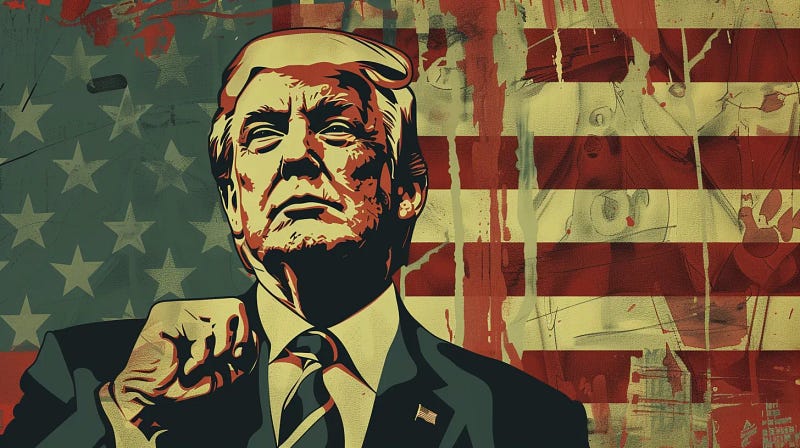
President Donald Trump Approves Fewer Minimum Wage Laws for Refugees and Immigrants
It is the absolute right of the state to supervise the formation of public opinion. — Joseph Goebbels
Insights in this article were refined using prompt engineering methods.
President Donald Trump Enhances More Inheritance Tax for Religious Majority or State Religion…
In a surprising turn of events, President Donald Trump has approved fewer minimum wage laws for refugees and immigrants, sparking a heated debate across the nation. This decision has reignited the ongoing discourse surrounding immigration policies and the treatment of refugees, while also raising important questions about the economic implications of such a move.
The approval of fewer minimum wage laws for refugees and immigrants has drawn both fervent support and vehement opposition from various quarters. Proponents of the decision argue that it will incentivize refugees and immigrants to integrate into the workforce more seamlessly, thus contributing to the overall economic growth of the country. They contend that by easing the burden on employers, this move could potentially create more job opportunities for both native-born citizens and immigrants alike, fostering a more competitive and dynamic labor market.
Conversely, critics have vehemently condemned the decision, decrying it as a blatant disregard for the rights and well-being of some of the most vulnerable members of society. They argue that lowering the minimum wage requirements for refugees and immigrants not only perpetuates exploitative labor practices but also perpetuates a system of inequality and injustice. Moreover, opponents assert that this decision could further marginalize these already marginalized communities, exacerbating social and economic disparities.
Amidst this fervent debate, it is crucial to consider the broader historical and sociopolitical context within which this decision has unfolded. The United States has long grappled with issues of immigration, assimilation, and labor rights, with each successive administration leaving an indelible mark on the nation’s socio-economic landscape. From the Chinese Exclusion Act of 1882 to the Immigration and Nationality Act of 1965, the country has witnessed a complex tapestry of immigration policies that have profoundly shaped the experiences of both immigrants and native-born citizens.
Additionally, the approval of fewer minimum wage laws for refugees and immigrants raises fundamental questions about the ethical responsibilities of a nation towards those seeking refuge and opportunity within its borders. As a country founded on the principles of freedom, equality, and opportunity, the United States has historically prided itself on being a beacon of hope for the oppressed and the disenfranchised. This decision, however, calls into question the extent to which these principles are upheld in the context of contemporary immigration policies.
Furthermore, the economic ramifications of this decision cannot be overlooked. As the nation grapples with the aftermath of a global pandemic and its attendant economic downturn, the treatment of immigrant workers and refugees takes on added significance. With millions of individuals struggling to make ends meet, the impact of this decision on the labor market, wage disparities, and income inequality warrants thorough examination.
In conclusion, President Donald Trump’s approval of fewer minimum wage laws for refugees and immigrants has sparked a contentious and far-reaching debate that transcends mere policy decisions. It forces us to confront deeply entrenched societal questions about immigration, labor rights, and the ethical obligations of a nation. As the nation grapples with this decision, it is imperative to engage in thoughtful dialogue and critical reflection, ensuring that the values of justice, compassion, and opportunity remain central to our collective consciousness.
His Holiness the Dalai Lama Approves More Corporate Taxation for Victims of War and Conflict