
Practicing the Lost Art of Monogamy:
A Middle-Aged Woman’s Perspective
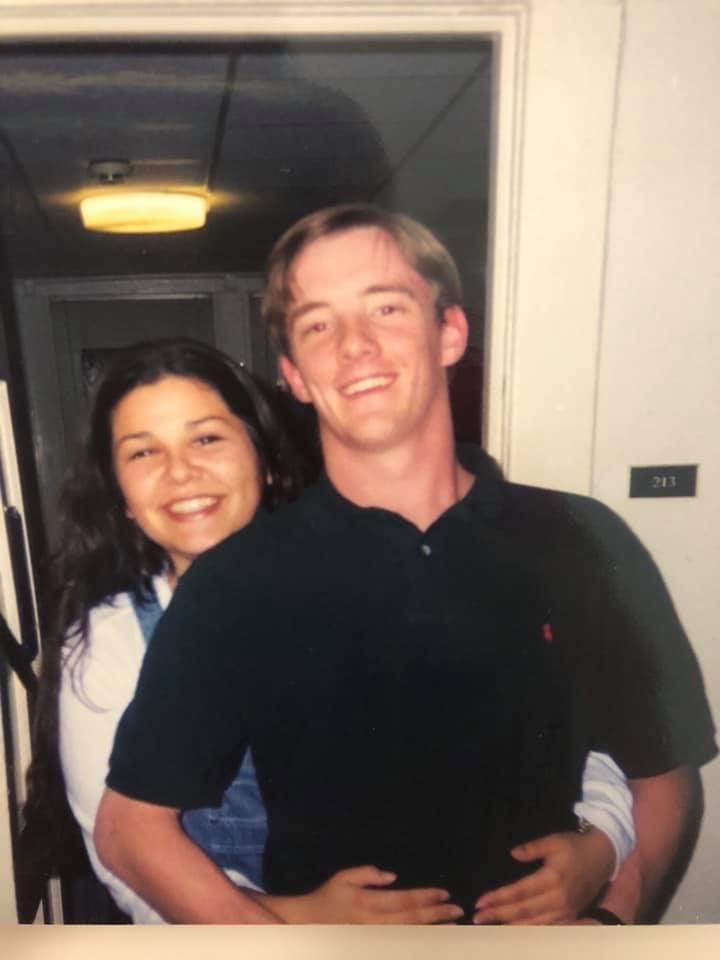
When I was eighteen and effervescent, I met my husband on Duke University’s campus on my first day.
He sauntered over to me with his six-foot-tall frame, sparkling hazel eyes, and a dimple that lit up his cheek, and I was enamored. Being an ardent student in high school, I had not dated anyone prior, and little did I know I would not date anyone after, either. With that one meeting, I had punched a hole in my monogamy card, going on to become a lifelong member — well, that’s the plan, anyway.
I’m forty-three and have been in one relationship for twenty-five years.
Among Generation X, Y, Z, and all the others I’m too old to know, I speak a language they do not understand. My sisters are on dating apps with hundreds of men at their fingertips. Tinder. Bumble. Hinge. They date by swiping from one mate to another. The quantity and assortment sound overwhelming, like a Cheesecake Factory menu. They can filter them by height, hobbies, and religion, but they too can be filtered.
“How do you choose just one?” I asked my thirty-year-old sister while scrolling through her feed of suitable candidates.
“Oh, I don’t,” she replied. “I’m talking to three of them now.”
I gulped. Three. I only had one. Did I do it all wrong?
This summer, my friend sent me an article on this very topic. It highlighted how humans are not conditioned for lifelong monogamy, and inevitably, jealousy creeps in. It was an odd thing to send someone who had been married for over twenty years. This friend is still single and has been our friend from the beginning. The article noted monogamy goes against the social order our biologies “naturally lead us on,” pushing us to make the choice of whether to cheat or not. Without monogamy, this choice wouldn’t exist.
Who knew infidelity could be solved by simply allowing it?
Similar articles highlight how men are programmed by nature to pollenate as many women as possible, which says nothing for those who then have to raise the flowers they grow. Objectively, I see the points raised. I’ve had my fair share of jealousy when my husband traveled for work.
But after wading through these articles, I realized I was practicing a lost art of lifelong monogamy, something whispered about among Gen-X as they swipe on social media apps looking for dates and hookups. If someone wants to be in an open relationship, I wouldn’t judge them. To each their own, but I felt oddly defensive of my choice. The articles acted like it was impossible to be happy with one person long-term because you’d always wonder about being with someone else.
I want to think, as with most things, quality over quantity plays a role in why my relationship has lasted this long and in why I choose and chose monogamy. But without any frame of reference, I have no clue if that’s true. My husband is arguably a nice human. He tells me I’m beautiful and wonderful. In our years together, I can only think of a handful of critical things he’s ever said to me. (Although, the same is probably not true for me.)
The truth is I’m forty-three years old, and my husband has been my only boyfriend.
More importantly, I’ve only had one kind of lemonade. (I’m being euphemistic here because my mother sometimes reads my articles and does not like when I write about personal things. To her, all of my children were immaculately conceived.) Mind you, I love my lemonade. It tastes delicious, and I can drink it anytime I want — sometimes twice a day when the kids are at school. Consistency and predictability are the main benefits of drinking the same lemonade day after day, year after year.
Yet, I’ve only ever followed one recipe, and I’m content without knowing what other kinds of lemonade the world has to offer. Is that naïve? How do I know if other recipes would taste better? As I hit mid-life and read articles like these, I worry whether my partner wants to try new lemonade. My lemons have started to wilt. They aren’t producing the same quality of juice that they used to. Life has made them sour.
There are days when they don’t want to be squeezed at all, preferring to roll over and watch a movie on Netflix. In those moments, would my husband want to try lemonade that’s sweeter? Or lemonade that’s more exciting? I wouldn’t because it sounds like a lot of work, and my joints ache just by sitting, but maybe he wants younger, more agile lemons. He certainly wouldn’t want lemonade that’s spicier since, let’s be honest, I’m a Latina. Mine is plenty spicy. Granted, his lemons aren’t the same either, but I still love them.
Per these articles, fear of the wandering eye in the face of monotony pushes couples to cheat. Monogamy is a box that you constantly want to break out of. If you are not tied down, you are free to sample as many flavors as you want. Arguably, that’s not a bad thing.
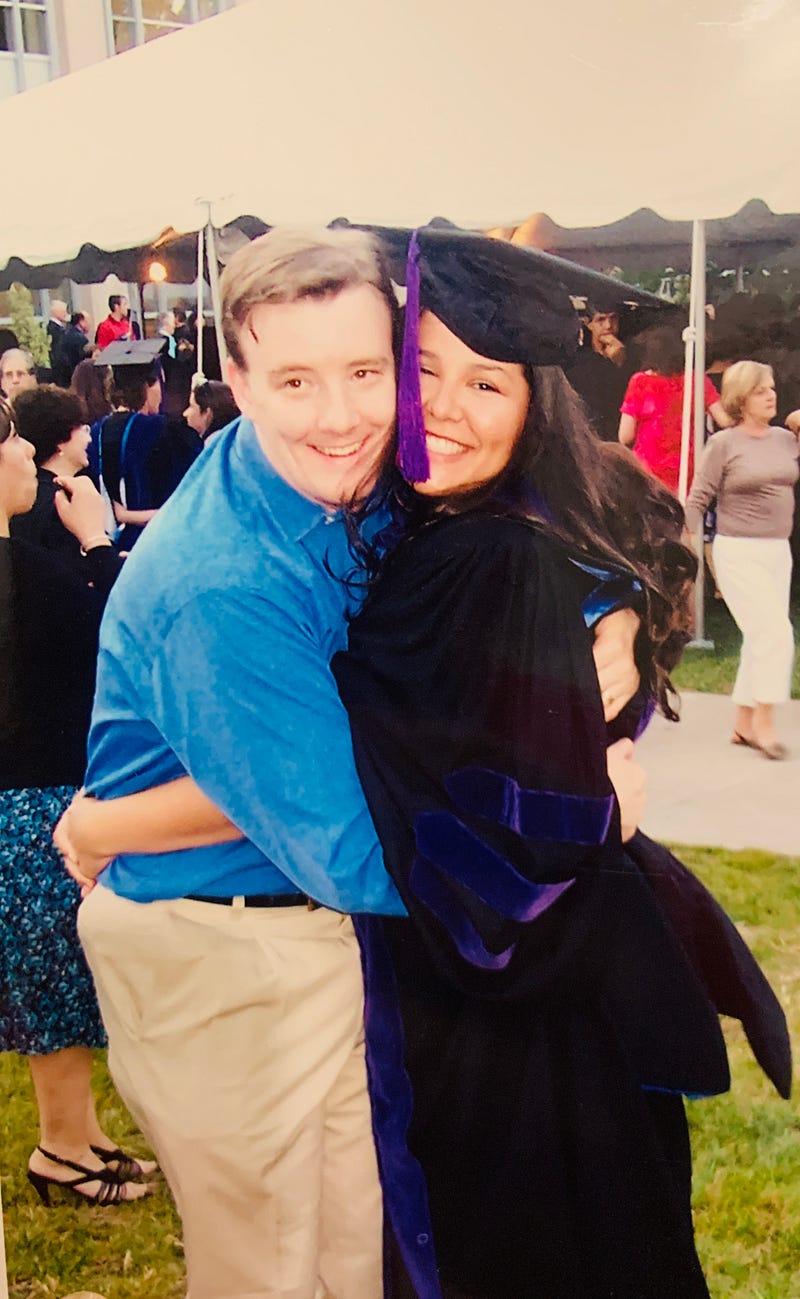
Perhaps I shouldn’t have gotten married two months after graduating undergrad. Eighteen was young to commit to one lemonade for eternity. I’ve never dated anyone other than my husband. I could see some might think it constraining. At the same time, my relationship has been an anchor, helping keep me grounded. The effort it takes to make lemonade goes beyond the ingredients of lemons, water, and sugar.
Lifelong monogamy allows one to grow a physical and emotional connection with another human.
I could pick my husband’s shirt out of a thousand shirts by scent alone. He has held my hand while I birthed my children. I wake most nights with his hand tucked into my underroos. We can say things without saying anything. There’s value in that.
On the latest season of the show Sex Education, an older married couple separated because the wife could not handle her husband’s overbearing ways. Months later, the husband still could not sexually perform with another woman. He realized he could not have sex without love, without the connection you get from monogamy. After he committed to self-improvement to get her back, he and his wife reunited because she also missed their bond. In this day and age of swiping and hook-ups, it remains to be seen how many of our younger generation will get to experience this.
While I recognize the benefits of lifelong monogamy, I’m mindful of the pitfalls.
I’ve never been alone one day in my adult life. I allowed myself to be consumed by my partnership, foregoing my own legal career for the sake of our family. I’ve never had to financially provide for myself or my children without my husband’s support. That’s a precarious place to be.
I’ve seen plenty of toxic relationships, and I know I would not want to be a part of one. But sometimes, a partner can’t afford to leave emotionally or financially. As the stability of lifelong monogamy shifts, people will have to rely more on themselves and less on their partners. My friend who sent the article on monogamy being outdated is also frustrated because young women want to work and not have children.
Well, duh. In this day and age, everyone needs to be able to support themselves. I admire my sisters, who are both independent women with their high-paying jobs and apartments. They go on dating apps hoping to find a partner, but their financial and emotional identity is not centered around their status as a couple. They want someone to compliment them but don’t need someone to define them. Their achievement is not symbolized by a ring or a ceremony.
Married since I was twenty-two, my identity has always been linked with my husband. I don’t want that for them or my own children. It can leave you vulnerable on so many levels. I want them to experience being part of a relationship but be prepared to survive without one.
In contrast to biblical lifelong monogamy, people are now practicing “modern monogamy,” where an individual prefers an exclusive partnership with another person but understands relationships as impermanent or seasonal.
The idea is that you might have different partners for different seasons of your life.
The concept reflects that partners can grow and change over time, and staying together might not make sense anymore. No one should stay in a relationship for the sake of the relationship. I’ve been with my husband my whole adult life. He’s what’s familiar, but I choose to be with him because we still value each other and have a common life plan. We still enjoy each other’s company.
I don’t stay with my husband out of obligation or fear of being alone.
Familiarity shouldn’t be a crutch keeping us from growing. As time marches on, I’d like to think if my husband changes and would be happier with someone else, I would want him to be happy, and I’d let him go. Conscious Uncoupling — a relatively amicable divorce — can allow monogamous couples to end their relationship in a healthy way. (Although, in all fairness, I’d probably burn his clothes and talk trash about him on social media before coming to this conclusion. As stated above, I’m spicy.)
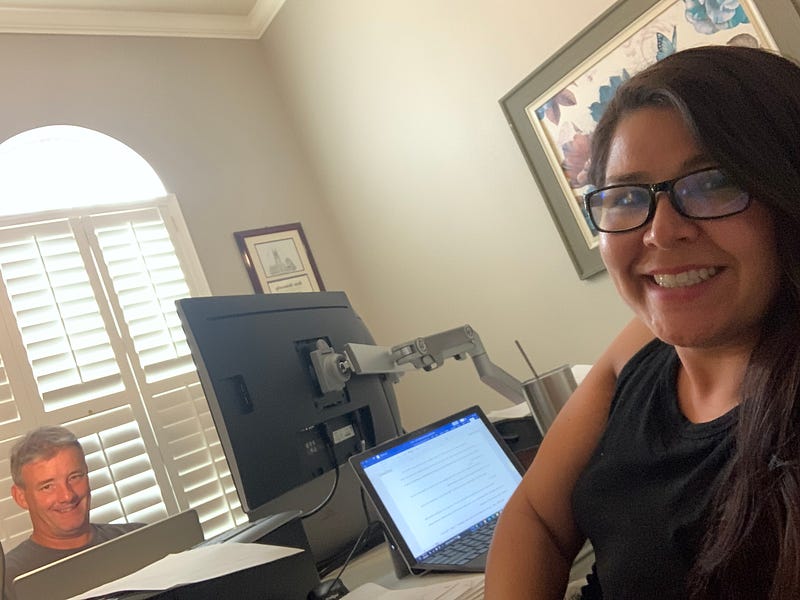
But I would also welcome the opportunity for my husband and I to change and grow together. After twenty years together, my husband and I started writing together to reunite our spark. He’s my biggest champion, and I’m grateful for that. He wants me to win and has read all versions of my books numerous times. Our relationship is stronger, with me building a sense of self outside of it.
Lifelong monogamy shouldn’t feel forced, like a chastity belt tied around your waist for all of eternity. If you are unhappy, you should be able to leave without fear of burning in hell for all eternity. Monogamy shouldn’t feel monotonous. As you both grow, your relationship can grow with you. And monogamy shouldn’t feel outdated, either. Building a relationship with another human has so many benefits. If that’s what makes you comfortable, embrace it.
But no relationship should control your identity.
I am married to Kevin Schmid, but I didn’t take his name. I am my own person. Part of learning to trust him more and being less jealous was having faith in myself and reframing my identity beyond that of mother and wife. I’m a writer. I’m a lawyer.
If our relationship fails, I, Julie Calidonio, will still be standing.
Thank you for reading. If you like this essay, follow me on Medium and Instagram @julie.calidonio.


