Politics and Economics of Oil
Amidst the COVID-19 pandemic, there is something that happened in the field of International Politics and shaping International Relations and diplomacy.
Oil aka Crude oil/ Petroleum has been a show of power to many countries in the 20th Century. In the same century, Oil fired ships of the British Navy triumphed the German Coal-fired ships in the world marking the beginning of a new era. Crude was discovered in the American state of Pennsylvania in 1875. Oil today is more politicized because of its ability to attract other nations and companies. Petrol and Diesel are good alternatives against coal for sure. The comparison of a diesel engine with a steam engine is futile.
It was only in 1938 that Oil was discovered in Saudi Arabia, just a few years after the Kingdom was formed. Oil since then is the stamp, which we have in our mind when we hear ‘Saudi Arabia’. It created massive wealth and prosperity to the nation and creating employment. In 1971, we saw another rich Emirate Abu Dhabi unite with 6 smaller emirates to form the United Arab Emirates (UAE). Crude oil from then on is the rubber stamp of Gulf countries. Then on, hundreds of migrants reached gulf from other parts of the world like South Asia- India, Pakistan, Bangladesh, Sri Lanka and other parts of Africa.
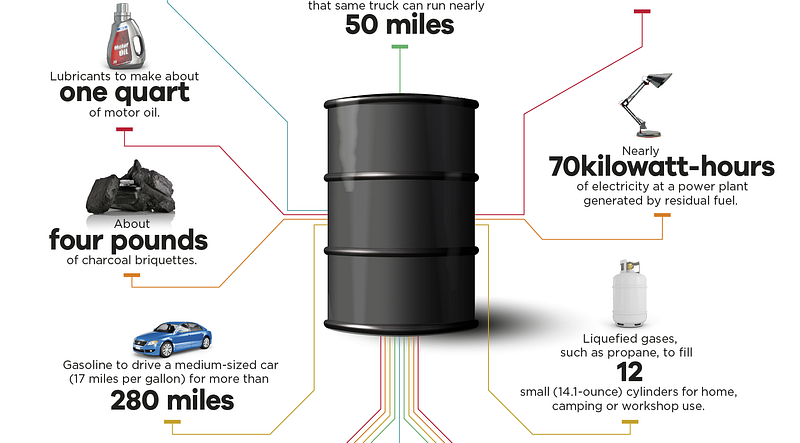
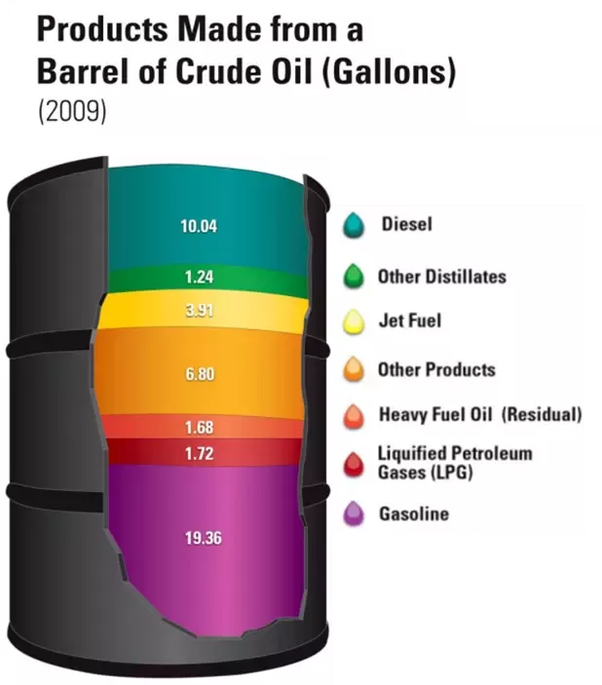
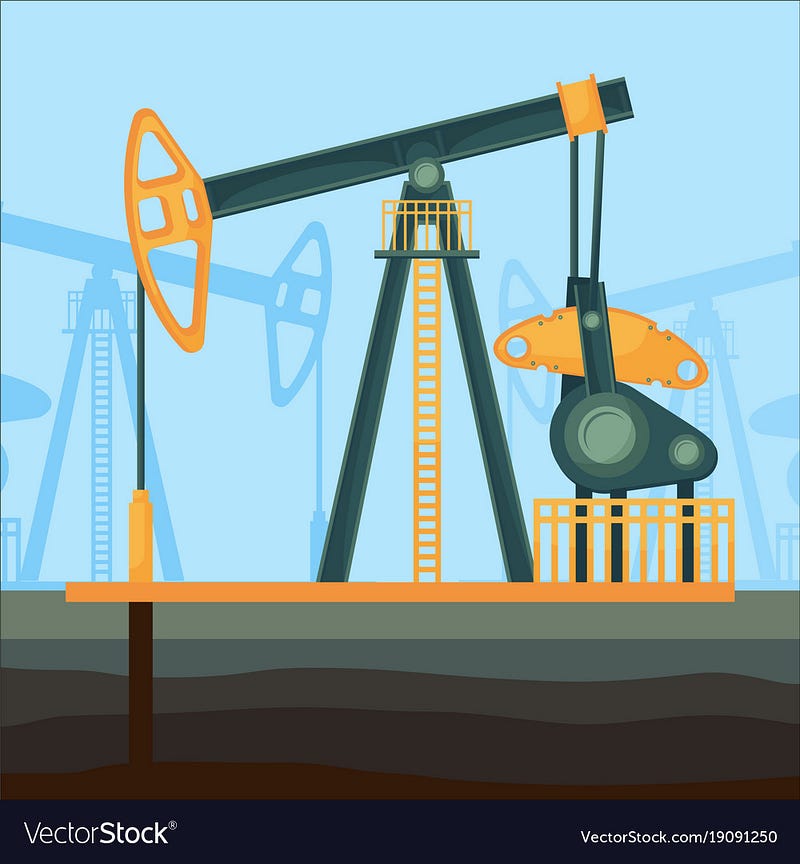
Crude Oil is measured in Barrels (equals 42 US Gallons or 159 litres). One barrel is one cylindrical black tin. Oil is found across the globe in vast reserves oil. Individual places are called fields. Being fossil fuel, it is buried deep in the soil or in the ocean bed and has to be brought on to the surface by applying pressure. The process of bringing out the oil is known as extraction. Its purification and derivation of it into components is known as refining. An oil well is where extraction takes place. The location of the well must be selected carefully and properly. The extraction must be easy and the field must be large enough to create enough profits. Otherwise, profitable extraction won’t be possible and the resources you put-in for extraction will be wasted. A hole is drilled to reach the underground and thus a well is formed. From there, first, we take out a gaseous fuel which is popularly known as Natural Gas, and below that lies petroleum. High-pressure pump creates a vacuum pulling the oil upwards to rise like how straw a works. Oil is then transported to storage and then to the refinery. The world’s largest refinery is in Jamnagar, Gujarat, India owned by Reliance industries.
Who controls Oil production?
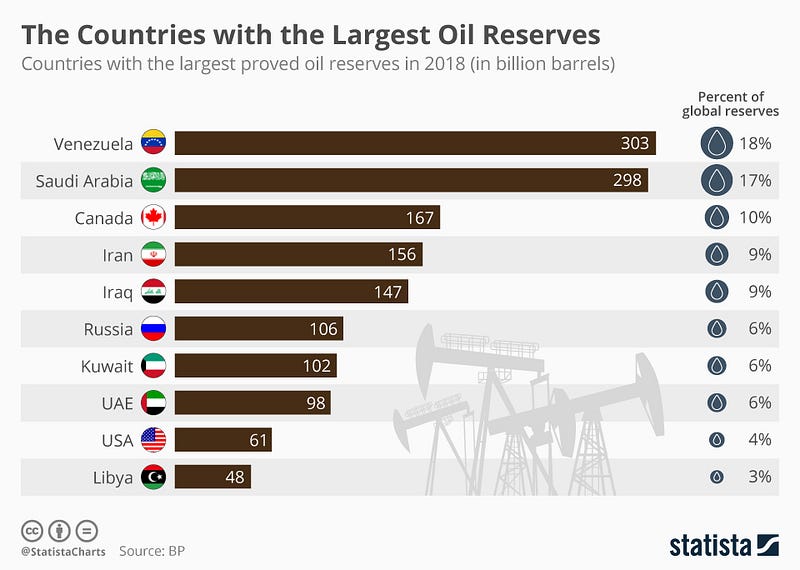
Venezuela, a few years back overtook Saudi Arabia for the largest proven oil reserves in the world. Close we have Russia, Canada, Iran and so on. Oil on earth will be enough to last for 200 years or more.
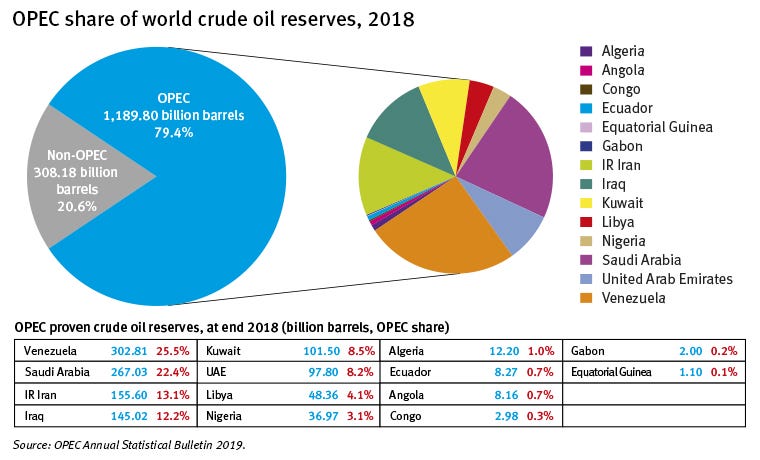
Coming to the question, who controls oil, we need to understand some politics associated with it. 1960 was the time when the oil-rich Middle East formed an alliance of countries which produce crude oil called OPEC- Oil Producing and Exporting Countries at Baghdad, Iraq. It’s headquarters in Vienna, Austria. OPEC together put way for a lot of political decisions like the Oil crisis of 1973 crushing Oil supply across the globe. OPEC decides the price of oil, it’s supply, production and almost everything associated with it. OPEC was formed without both Soviet and US as a neutral bloc, but later when the Soviet collapsed, the US tried to control OPEC and thus oil trade.
India produces around 700,000 barrels of oil per day.
OPEC+ stands for OPEC plus Russia. Virtually the leader of this OPEC bloc is Saudi Arabia. Post-1979 due to tensions with Iran, OPEC is also filled with both internal and external politics.
Leading producers are Saudi Arabia, Russia, and the USA. So, there is internal competition between these three. The oil companies in Russia and Saudi are govt controlled while American is purely a private industry. In 2011 something big happened with the exploration of shale gas in the US. This forced the Oil which had $100 per barrel to fall in order to compete with the shale gas industry. From then on Global crude oil prices (Brent crude Pricing) kept falling.
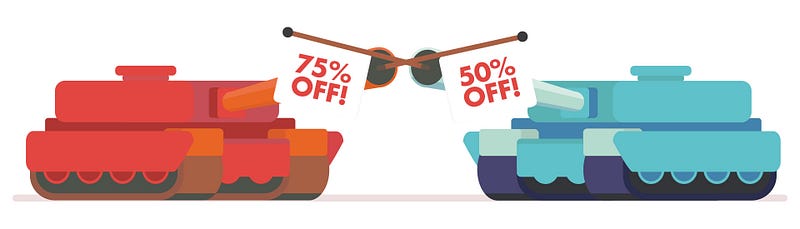
OPEC+ was always determined to take on the Private Shale Industry of America. For that, they tried to keep reducing the oil price substantially. This led to the so-called power war. They wanted to destroy the American industry at the cost of their own. They believed that all OPEC countries and Russia have Govt controlled oil industry and will be able to thrive losses incurred in the process, while this is impossible in the Private Industry they are revenue and profit-oriented.
What is the price war?
In economics the price of a commodity comes down when it’s supply is high or demand is low. With low demand during Covid 19, the OPEC didn’t want a cut in oil prices by decreasing the production to maintain the market share and stabilise the prices. Apparently, Russia didn’t agree with Saudi Arabia that production cut was needed and thus Saudi kept on cutting the oil prices to compete. Russia also hit back. How long will produce fight and incur a loss? Now Oil prices reached a record low of $30.
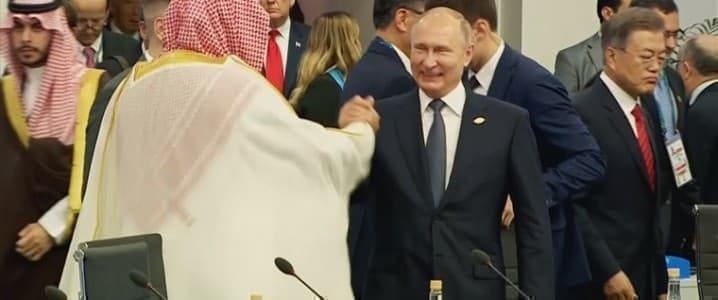
The USA entered the field. Absolutely not shocking as Trump likes to put economics and business deals ahead of its own population’s safety. Through virtual meeting and a lot of decisions, OPEC+ finalised on a record cut of 8.5 million barrels in production a day. Apparently Mexico was the only one opposing the deal. Despite, that a week ago Trump had tweeted that oil prices were really high. Now, Trump finally expressed some satisfaction with the OPEC and Russia. He tweeted that the deal was a great deal for all.
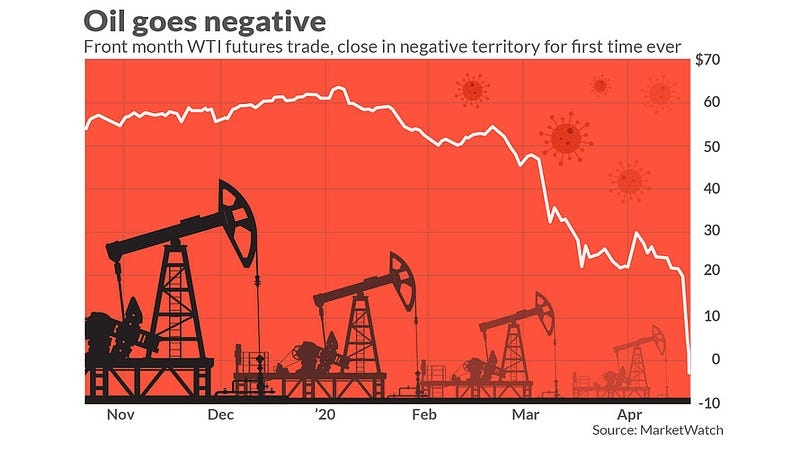
Price war thus ended, but the prizes plunged to a new low on 20th April with US crude pricing index West Texas Intermediate (WTI) Futures landed on a record low of -$37 going negative for the first time. The fears that storage of oil in the US was a big issue and the deal not working was pretty evident. The main reason for the price crash was the collapse of demand. Oil is often sold on Future contracts, that means contracts are made between the seller and buyer to resolve everyday price conflicts, ie you take a contract for a month or so on a fixed price and that trading price remains constant. Storage of Oil is also turning out to be a big issue in countries like India as well.
Who won the War?
This was a pretty good game played by Russia and Saudi Arabia which could potentially hurt the American companies. The US is already facing it’s highest rate of unemployment and lower oil prices can decimate an entire industry.
Top Oil companies
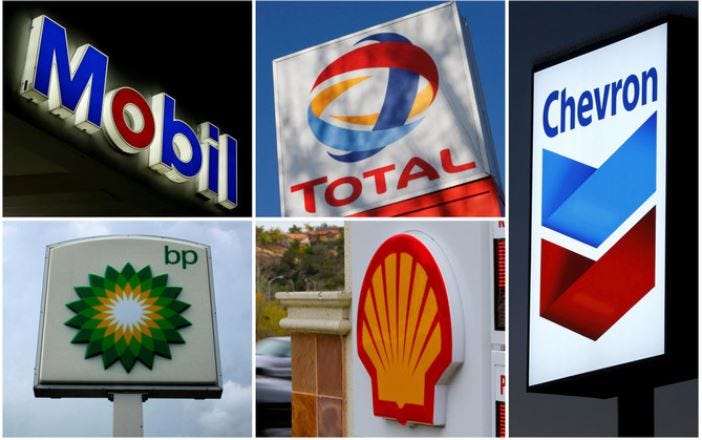
Few Pvt companies- Mobil, Shell, Chevron, British Petroleum.
By production- Sinopec, a public-owned Chinese Company, is one of the world’s largest Company and earns highest through trade.
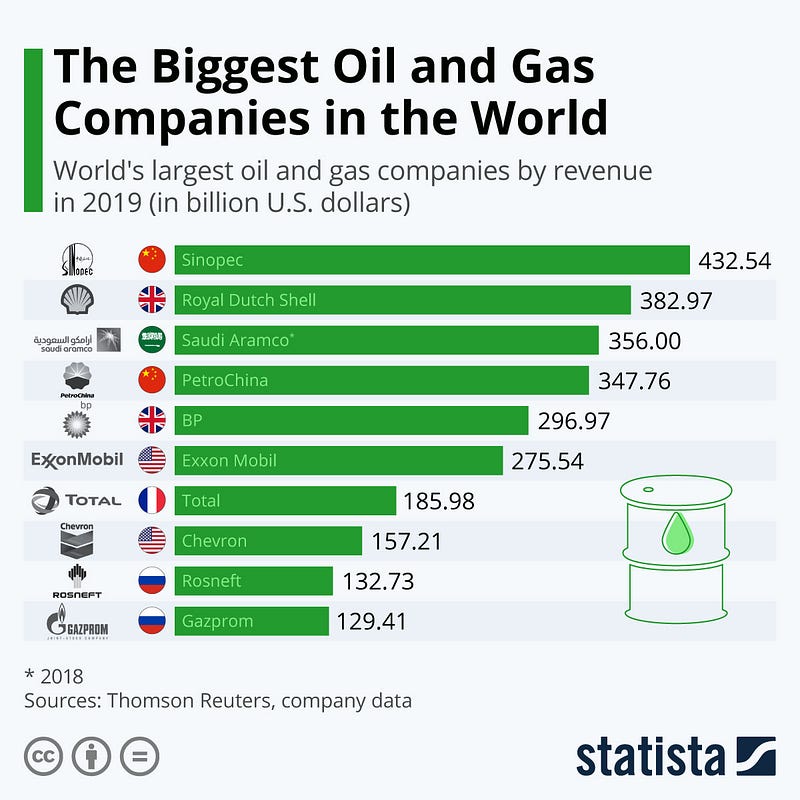
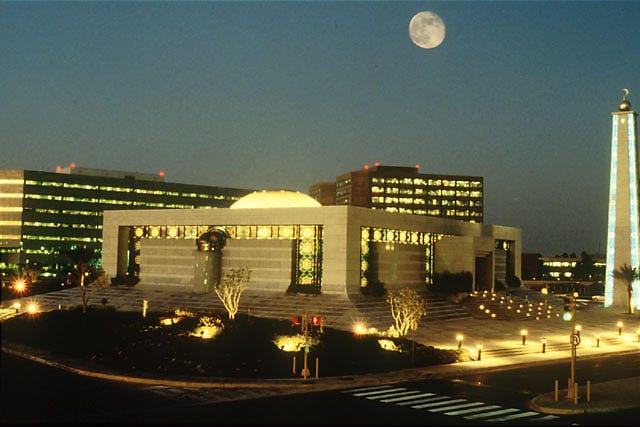
The most valued Publically owned Oil company is none other than Saudi Aramco. It owns top class oil refineries and storage plants across the globe.
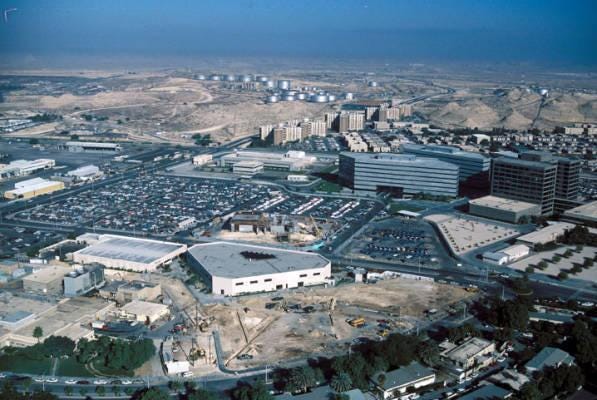
Few other political incidents where oil was the major player
Keeping the jokes apart that the US invades oil-rich countries for their own benefit. We look into some real cases.
1973 Oil crisis
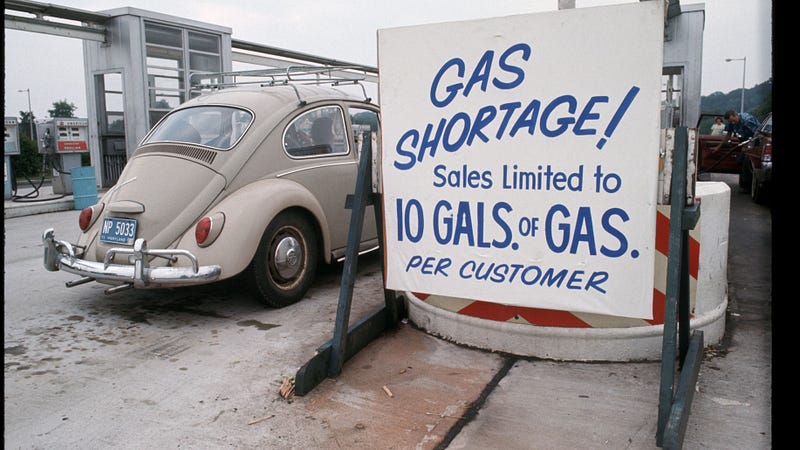
In 1973 post-Arab-Israeli war between Egypt and Israel. Arab world led OPEC world put Oil embargo on Israeli allies like the USA and Europe by shooting up the price by 400%. Major western countries ran out of oil creating a big issue among the consumers. The embargo ended with the Israeli withdrawal from the Suez Canal.
Iraqi Invasion of Kuwait
Oil-rich Iraq had massive debts with its tiny neighbour Kuwait. When Kuwait asked to repay it, Iraq had drained out of money and everything. Saddam Hussein in late-1990 decides to invade Kuwait to catch hold of its oil reserves. The Iraqi Republican guards invaded Kuwait and kept in control for 7 months until the UN and Gulf nations intervened. Post that Iraqi troops withdrew but despite their surrender and waving white flags US and UK were accused of bombing a peaceful withdrawing convoy. This grew enmity between Iraq and West.
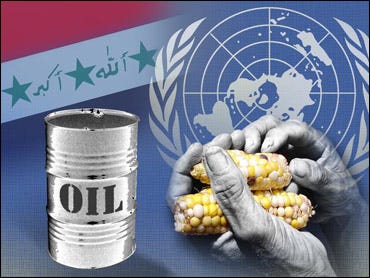
The economic sanctions crippled Iraq so much that they had to adopt the UN’s “Oil for Food programme”.
US-UK invasion of Iraq
In 2004, George W Bush called for the invasion of Iraq on suspicions that Iraq had weapons of mass destruction. But, neither US nor UK had any concrete proofs nor even a UN report too. What the US and UK did was a violation of international laws and an attack on humanity. Even today, Iraq is caught in sectarian conflict post-invasion and execution of Sadam Hussein. Iraq later saw dark chapters like Shia-Sunni conflict, Terrorism, ISIS, and tensions between Sunnis and Kurds.
Attack on Aramco’s oil plants and conflict in Yemen
On 14th September 2019, 10 drones hit the world’s largest Petroleum Stabilisation plant in Dahran near Dammam owned by Saudi Aramco. The region is known for its vast oil reserves, which are located in the Shia Major regions of Saudi Arabia. Given the fact that Shias are a minority in Saudi Arabia, while major oil wells are located in this region. The Kingdom has been handling this situation with care, as not to hurt the Shia minority.
This is not the first time that Saudi assets are coming into an attack from Houthi Shia rebels in Yemen. The drones were alleged to have come from the Iranian side and operated by the Houthis. The plant was later on closed for many days until it was reopened. The Saudi Aramco drew a lot of flak for its security failure and also immense pressure to restore it’s oil production back to normal. The plant is responsible for Saudi’s half of Oil supplies.
Saudi has blockaded Yemen due to its conflict with Houthis. Officially there is nothing for Saudi to cheer about Yemen as they have lost the battle. Houthis have virtually won the battle.
Read about Crisis in Yemen
Iran’s tension with Saudi Arabia and the USA
Since 1979 Islamic Revolution tensions between two powerful countries Saudi and Iran started propping up. It later turned out to be a rivalry between two, on who will be the king of the Middle East. The biggest game is now happening on oil.
Iran-Iraq War
A direct war between both the neighbours on Oil dispute in the Persian Gulf.
Strait of Hormuz
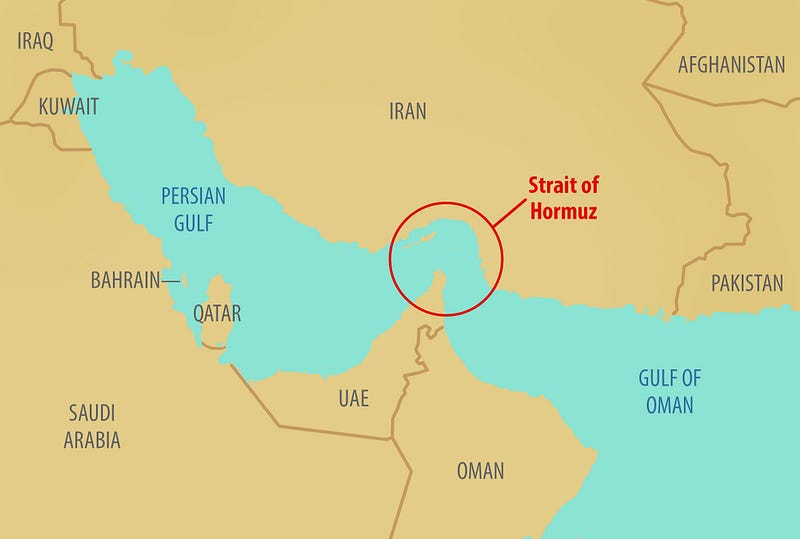
A small strait between Oman and Iran where 20% of World’s oil and 25% of gas passes through every day. It is one of the most strategic geo-political location marred by rivalry. Iran believes that it controls the passage while Saudi, Bahrain, UAE, Qatar, Iraq are also dependant on the same passage. Blocking the strait and chocking oil supplies is how Iran likes to teach Saudi a lesson but it hasn’t done it yet but the USA believes that Iran may do it. Thus the USA is in charge of Security of Persian Gulf. The US has multiple bases across the Middle East, Afghanistan and Pakistan pointing at Iran. Iran believes that the US is threatening it’s oil supplies.
Despite the US might and will, Iran is strong enough to retaliate any US mishandlings. Pentagon is very well aware of that, so it may not make any mistakes like the invasion of Iraq.
Post the exit of US from landmark Iranian Nuclear Deal, tensions between the USA and Iran is killing Iran with sanctions and also puts Oil-producing countries on a see-saw. China, India and Turkey buy most of the Iranian oil but the US is forcing them to look for alternatives and comply with sanctions. Iran is now out of options, and its economy is on a downward curve. Post-killing of Gen Soleimani, entire the Middle East is still on a high alert. Iran’s stake in Syria, Iraq and Yemen is stong.
Read about recent Iran-US tensions
Death of Venezuela’s legacy
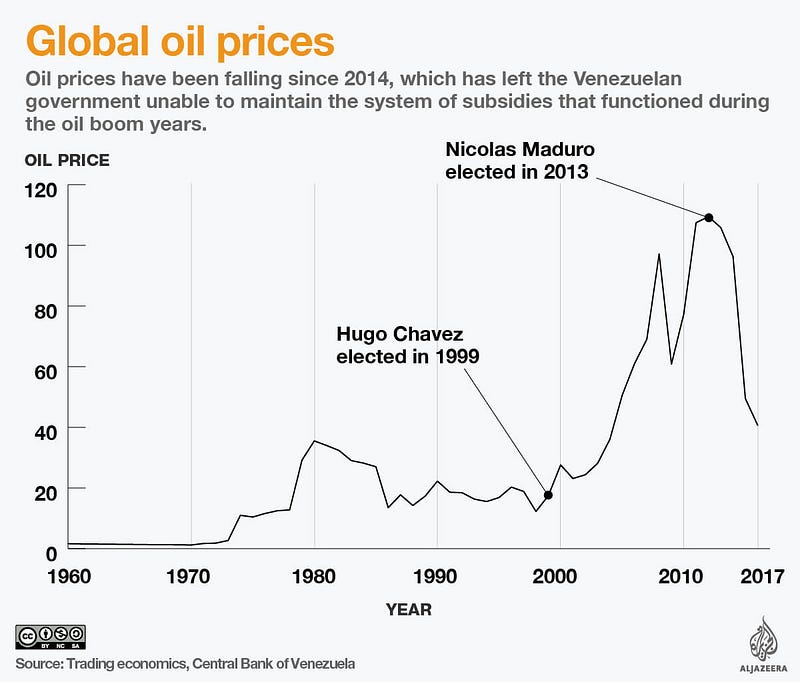
Venezuela was a socialist model state for the entire world under Late President Hugo Chavez. It is the last conclave of socialism and communism in South America. Post his death a dictator and follower of the former, Nicolas Maduro took power in 2013. Venezuela was a rich democratic state. People used to come from near and far to the oil-rich economy. But, since 2013, oil price started falling and Venezuela’s main revenue and the socialist model collapsed.
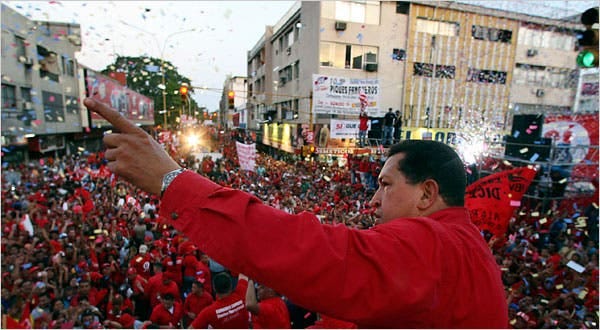
The government responded by harsh measures like jailing opposition and preventing free speech. Hyperinflation killed the economy and the poor were out on the streets to buy bread. No measure worked out well. The US entered the battle trying to overthrow Maduro and install a puppet Guido. The country went into a lot of protests and US continues to suffocate with economic sanctions.
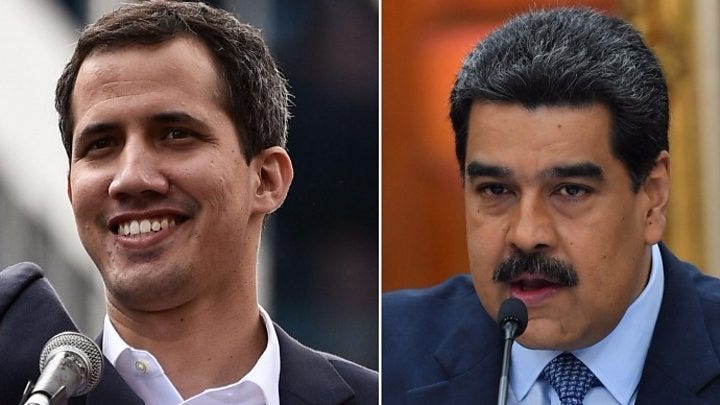
Today, economists, capitalists and socialist critics site Venezuela as an example to show Socialism as a bad example. What is the main reason beyond Socialism? Denmark, Norway, Sweden etc are also social democracy which gives free education and healthcare but how are these more successful than self-proclaimed socialist-communist states? The answer is that Socialism worked well in Venezuela when the prices of oil were high and it gave enough revenue to the govt. The government thought that it gives enough revenue forever. Post-2014 when oil prices fell, the country didn’t have enough revenue to sustain the Socialist model. Compare that with Nordic states which are mixed economies and have diversified their economies, not just on oil or one thing. You have private companies and a lot of diversity in govt. revenue.
Future of Oil Industry
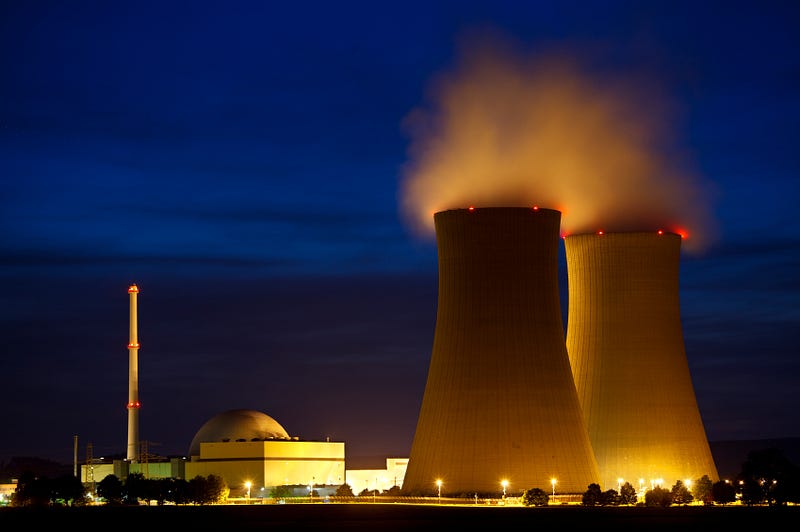
Oil discovered till today may be enough for 200 years but with Climate Change and pollution countries are looking for sustainable and alternate sources. Nuclear Power is substituting both coal and oil-fired power plants. The politics of nuclear power is another vast topic for us to discuss. Then you have wind, geothermal and solar energy rising as eco-friendly.
With oil prices crashing and the economic crisis of Venezuela post-2014 is forcing all Oil-producing countries to rethink their strategy to diversify their economy and look for alternate energy resources. Iran is already enriching Uranium since 2006. Saudi and UAE are building its own nuclear facilities. Dubai is no more oil dependant but based on the service sector. Nuclear power plants harm the environment lesser and also emit less radioactive waste than coal and petroleum.
There are virtually no alternatives for petrol and diesel in the automobile industry barring few electric vehicles which are out of reach of the common man. Oil may still be a hot political topic for many years to come.
Summary
From its discovery until the price index touch negative, the petroleum industry has seen a lot. Through politics, Oil is now a tool for exercising money and power by all nations producing and exporting it.
Let us look beyond politics to end the oil crisis, look for alternate energy resources and save the planet. At the same time let’s not play politics on these essential energy supplies because these are something affecting everyone’s lives.
Following is a small video demonstrating the history of crude oil
.
.
.
Follow us on medium for more for International events, news, MUN guides and detailed analysis. Follow us on Social media to stay in the loop- Facebook| Instagram|Telegram Channel |Youtube|Twitter. We also invite guest writers to publish their material via this blog!


