
Outrageous Victorian Fashion Trends You Could Faint Over
Puffy sleeves and pompous personalities defined women’s role in society.
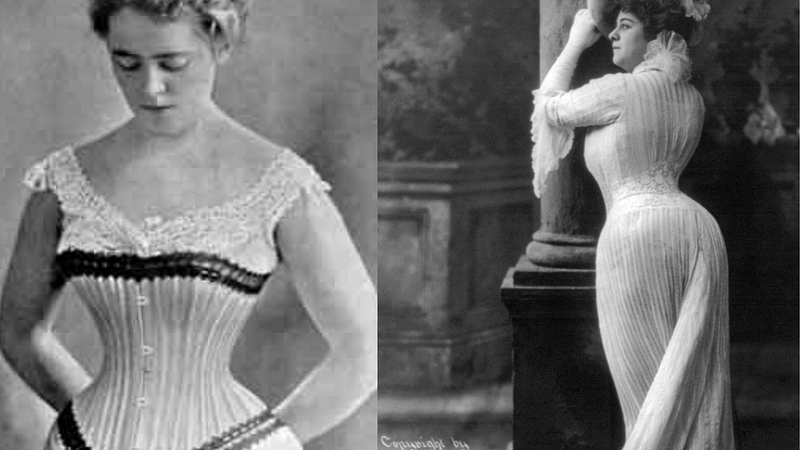
Some of you might have watched the renowned Netflix series, ‘Bridgerton,’ or if you have not watched then at least heard about it. But why do I ask that? Because for this article, you will be traveling to the Victorian era.
Yes, the same era that Hollywood has glossed and highly romanticized in every form of media imaginable. And this era rightfully receives fame and storylines since it is known for its extravagance, and absolutely senseless fashion ideals and beauty standards.
Some of these beauty standards are so stupid, you would roll over laughing. While others hold almost sinister significance and I, for one am glad they went out of fashion a century ago.
So, without further ado! Let me tarry not a moment longer and dive right in! The world of grand ballrooms, puffy sleeves, and extravagant ball gowns awaits! Might as well debunk some fashion myths along the way too!
Victorian Images
What do you think of when you hear ‘Victorian’? I am sure it’s an array of porcelain white women in sweeping ball gowns, or ladies swooning at the gorgeous men vying for their attention.
Because according to the ‘Journal of Psychology,’ fainting was considered an appropriately female act. Thank god we let that trend fade and now fainting is seen for what it truly is, fatigue or vitamin deficiency in the body.
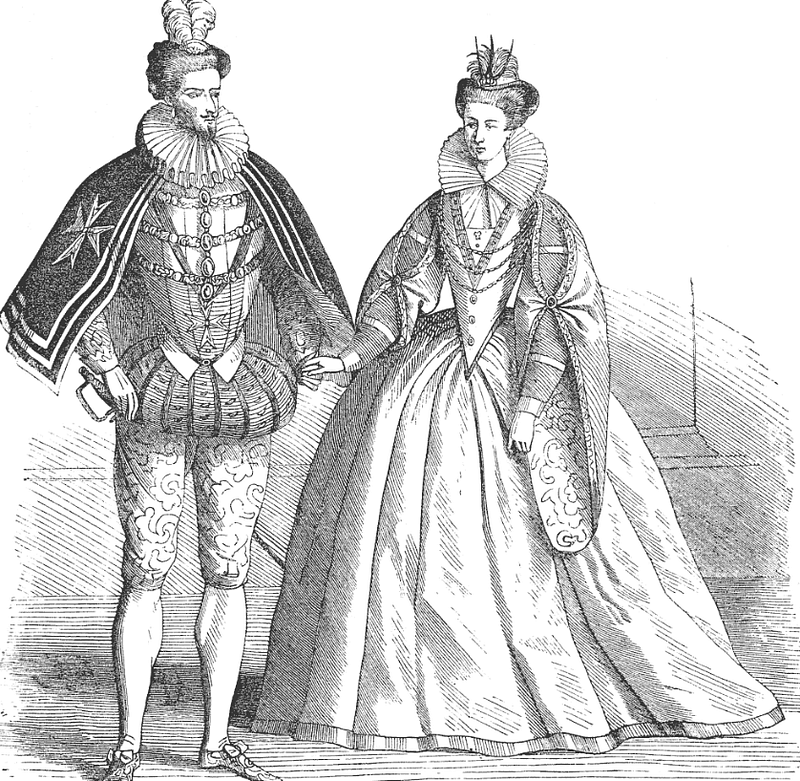

This penchant for fainting was so women could be seen as the weak damsels in distress fueling the fragile masculinity of some 18th-century males.
Hence, swooning women are an integral part of classic literature. Be it Mrs. Bennett fainting in Pride and Prejudice because her daughter married a poor guy or Jane Eyre fainting at the altar when she found her husband already had an ex-wife locked up in the attic (this one was justified, I agree.)
Breathtaking Coveted Corseted Curves
However, for the Victorians, there were reasons other than errant children and crazy ex-wives for fainting. Most people believe it was corsets. The undergarments that women wore below their clothes to get the coveted figure. Alas, these were sometimes so tight, that they were literally breathtaking.
However, the Journal of Victorian Culture disagrees with this. It claims that women Victorian women used fainting as a ploy to garner sympathy. Especially during court proceedings, they fainted to get the judge and jury on their side.
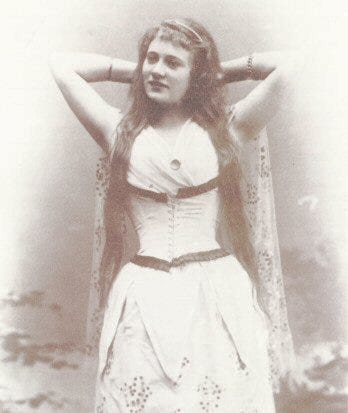
.jpg)
Talk about being as sly and cunning as a fox. Lancaster History’s Stephanie Celibertie agrees with this idea and argues that women were wearing corsets for 400 years already.
So, why had they not reported fainting because of corsets before? Also, women of all social classes wore corsets which shows that they must have to have been made from a flexible material.
Moreover, Corsets acted as support when women wore heavy layers of fabric. They could even be adjusted and loosened at will. Also, the infamous trend of ‘tight-lacing’ appeared in the 1800s and was an option rather than the norm.
Basically, corsets were not originally intended to be worn if you wanted to acquire a thin waist by squishing all your organs in the process.
Did the Victorians Really have Rooms Just for Fainting?
The incredible and hilarious answer to that is ‘yes’.
However, this is only partially true. The Atlanta Journal Constitution puts this in better terms. It elaborates on the very famous ‘fainting rooms.’
Let me explain.
In many paintings or movies, women are seen swooning and falling on the nearest couch. Just that couch was strategically placed there for a reason.
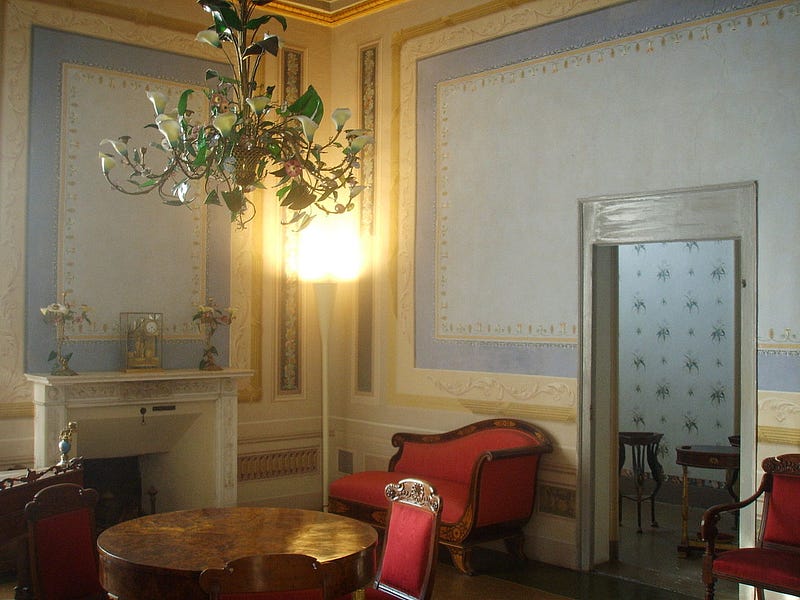

Not for fainting, of course! But the Victorians had rooms with only couches where they would lie down to rest or nap upon in the day light. This was because they did not want to ruffle their bed sheets during the day.
So, if you were a Victorian with an extra room in your house, you could just have made it into a fainting room! Want to escape unwanted company? Want a light nap? Or to chill on your own with a book preferably? The fainting room has got you covered. Is that not just swoon worthy in itself?
Fashion Disaster or Professional Incompetence?
So, here we have another Victorian era myth debunked — That of the fainting room. So, these were just private chambers you could peruse during the daytime and were used by both men and women.
So, who associated these rooms with only fainting women and those fainting spells to corsets? This is driving me crazy.
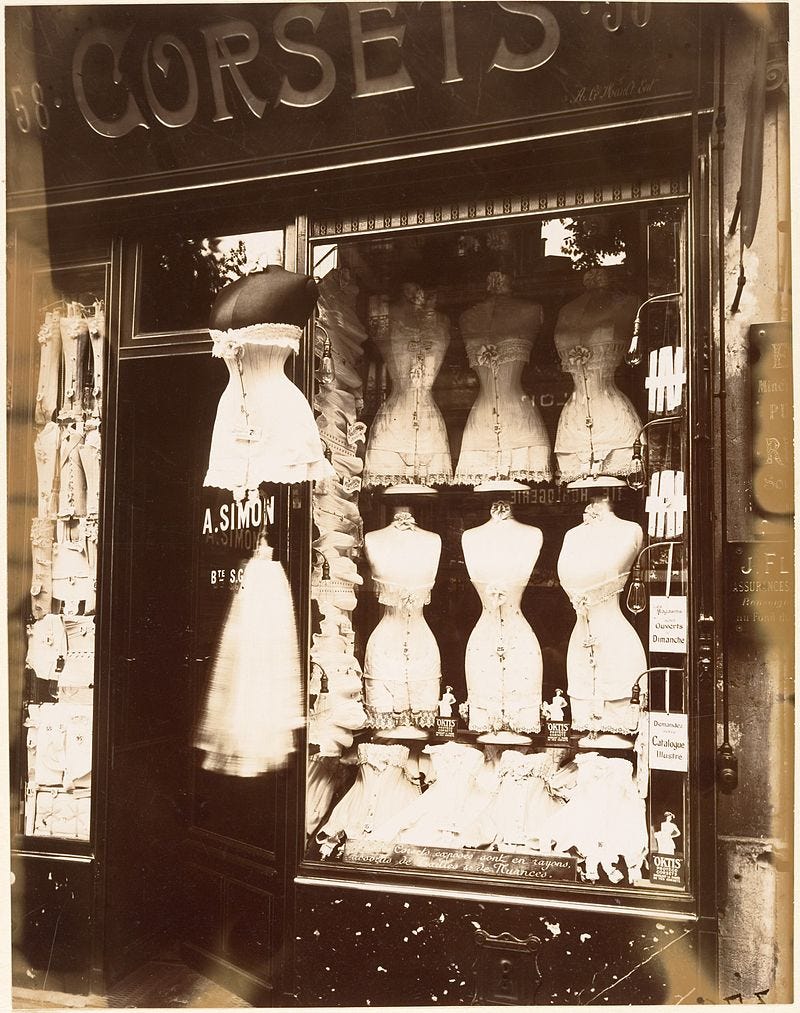

But take a lucky guess. Like all false information spread about women, this outrageous claim of corsets leading to fainting was spread by, drumroll, Men! Not surprising but a bit disappointing, yes.
Well, the thing is that men would rather mislead a whole era than admit they are wrong. Let me elaborate. According to Vintage Women Magazine, this myth that corsets made women faint was perpetuated by male doctors who could not determine any other medical cause for ladies who fainted.
So, because they could not admit being wrong about female maladies and their causes, they found a scapegoat; Corsets!
Now, as the Journal of Psychology points out that women tend to faint more than men. This is not because they are the weaker gender but deficiencies that cause fainting are more common in women, for example, iron deficiencies affect more women than men.
So we should cut the corset some slack. Or should we not?
Reality Check — Cruelty of Corsets
Despite everything, corsets were still kind of restricting hence around the World War they went out of fashion. Since women were having to do men’s jobs too during the war, so their dresses became shorter and their shirts looser.
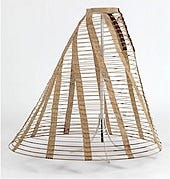
Women started feeling more liberated and could breathe easier. Moreover, as already mentioned before, around the 18th century, tight lacing had become a curse. So, it is imposing toxic beauty standards if women were expected to have teeny tiny waists. Hence, the corset going out of fashion.
What is your opinion on this? Is the Cruelty of the Corset highly exaggerated? Is the problem the Corset or the unattainable beauty standards that started emerging?
Haloo, my dearest reader. Want to follow up more from me and fellow Medium Family?
Hop on the chance to join: