
Cleopatra’s Toxic Eye Makeup Warded Off Infections
Enthralling Egyptians Employed Medicinal Makeup For Healing.
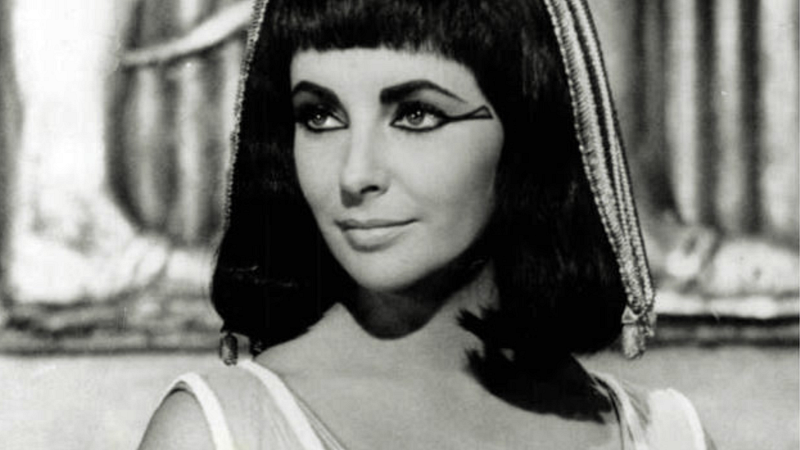
Yes, you heard that right. Although Egypt is widely known for its enigmatic and mesmerizing pyramids of Giza, its deities and deserts, and the renowned river Nile.
There is one more thing that the Egyptians are renowned for. Could you guess? Nowadays, it’s a girl’s best friend. The physical equivalent of filters to alter your flaws. Any guesses? It is; Makeup.
Meanings Behind Wearing Make up
In Ancient Egypt, there was relatively less toxic and fragile masculinity. So, even men wore makeup. In fact, a lot of paintings and murals show this as well. This was because makeup had a spiritual meaning for the Egyptians too.
It was associated with wealth (Still relevant today since good makeup is really expensive) and they believed that it pleased their Gods (looking good always pleases everyone.)
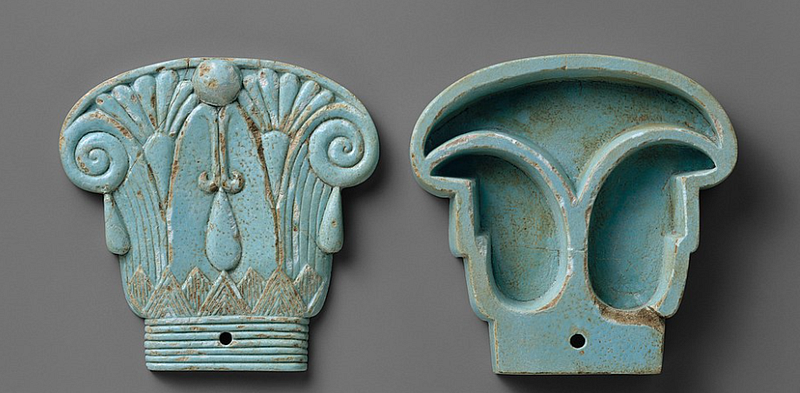
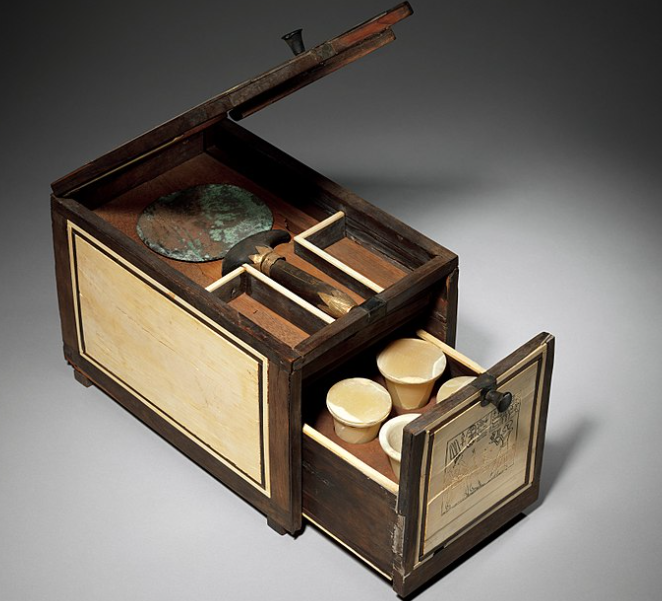
In fact, the Egyptians took this so seriously, that they etched meaningful symbols on their makeup container. Also, according to the Natural History Museum of Utah, they even added animal pigments to their makeup.
This was believed to transfer that animal’s power to yourself. Imagine Cleopatra having a customized makeup brush set made of lion hair or something similar, for battle.
People of rank kept their makeup in containers made of gold and silver. These were then inscribed with carvings of Gods and Goddesses of regeneration and beauty.
Moreover, wearing makeup was almost like some kind of reverential ritual. The Egyptians all had awesome makeup routines. They began by exfoliating their skin with sea salt. Followed by bathing in honey and milk for smooth and soft skin.
They also infused spices in milk and honey face masks to soften skin. Makes me regret that YouTube was not invented sooner, because I for one, have become a fan of this all-natural organic skincare routine! 😜
Makeup as Medicine
More than using makeup to merely look good, the Ancient Egyptians had numerous practical benefits and uses for makeup. The most commonly used makeup product would be galena, more commonly known as kohl.
All of us know this through the pictures and movies we see depicting Egyptians. Their winged eyeliner and kohl-rimmed eyes set them apart but also have a much higher purpose; of protecting the Egyptians.
The kohl they used was a mixture of Galena and Malachite, with animal fat added to make application easier since galena and malachite are powders.
This mixture was usually applied on the eyelids and around the eyes. This helped the Egyptians protect their eyes from the harsh rays of the burning Egyptian sun. It also kept the flies away and was believed to be a proper preventive measure for infections.
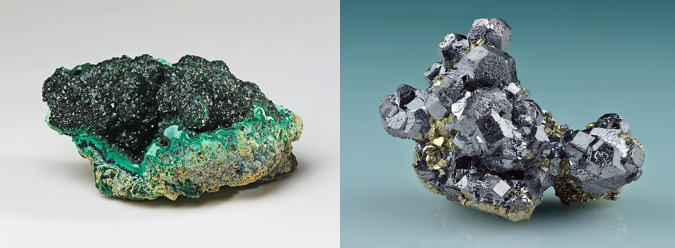
Egyptologist Helen Strudwick elaborates further in World History. She says that kohl had some lead in it from the minerals used to make it. This could have been dangerous but the Egyptians processed this lead before using it. So, this enhanced the anti-bacterial qualities of lead, protecting the Egyptians from infections.
Winged Eyeliner a Day Keeps the Evil Eye Away
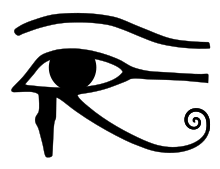
The Egyptians believed in the fatality of the evil eye. Usually carrying ill omens and transferred through glares steeped in jealousy. For protection from this sneaky enemy, the ancient Egyptians used amulets.
Not strange right? Many cultures use amulets to protect themselves and their loved ones from the evil eye.
However, as a means of added protection, the Egyptians relied on one more unusual safeguard. Namely, eye makeup.
In fact, they even believed that it offered them psychic protection as well. Another interesting fact about this is that the Egyptian word for eye makeup is derived from the Egyptian word ‘to protect. Talk about taking the power of makeup and glamor seriously.
Moreover, if that does not convey the importance of Eye shadow in Ancient Egypt, the next fact will convince you ->
According to Tour Egypt, archaeologists found some very strange items while excavating Ancient Egyptian burial sites. Upon later, closer investigation, it was found what these items were.
It is believed they were eye makeup tools and other makeup containers and applicators. So basically, the amazing power of eye shadow did not end with your life on this earth. In fact, it offered you protection in the afterlife too!
Made Your Mind About Medicinal Makeup?
Initially, I was of the view that Cleopatra’s thick painted eyelids were merely for attracting admirers. It was interesting to know its protection capabilities against eye infections.
That makes the queen stand out both for her boldness and her glam!
She used crushed lapis lazuli to color her eyes and flecks of pyrite along with other minerals that cost a fortune nowadays. That too is a testament to eye shadow and its importance in ancient Egypt.
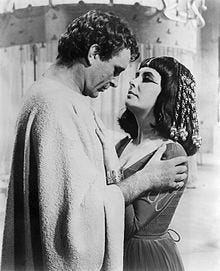
It must be noted that it was not only Cleopatra’s makeup trend but rank and file wore the same. However, just because of movies, we tend to think it’s Cleopatra’s signature style.
So, do you also believe in the healing properties of eye shadow? Maybe if it was as organic and naturally made as back in Ancient Egypt, we could still be using it as a cure.
Haloo, my dearest reader. Want to follow up more from me and fellow Medium Family?
Hop on the chance to join:


#/media/File:Elizabeth_Taylor_Cleopatra_1963.JPG)


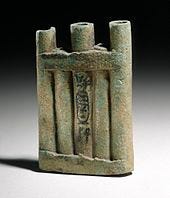
#/media/File:Kohl_Container_Inscribed_for_Queen_Tiye_LACMA_M.80.198.89.jpg)