

Nobody Wanted to Publish Anne Frank — A Holocaust Survival Diary
Deep Survival: Anne Frank spent 761 days in the Secret Attic.


At the age of 13, a little Jew girl named Anne Frank sits inside the Secret Annex — her only home then — and reaches for a notebook on her table. The notebook is covered with a red and white checkered cloth with the corners of the cover of the notebook peeking out of the cloth.
From the look of it, this notebook can pass off as a personal diary with daily entries about intriguing adventures around the world. While part of that is true, this notebook went on to become the diary of Anne Frank.
Alongside fabricated information about the identity of the people inside the Secret Annex, there was also a lot of other stuff that seemed new when editors read Anne Frank’s diary for the first time.
Let’s dive in, on how it all started!
Confinement Area That Hid 8 People During WWII
If you search for ‘The Secret Annex’ on Google, you will be presented with the official website of Anne Frank in the first link.


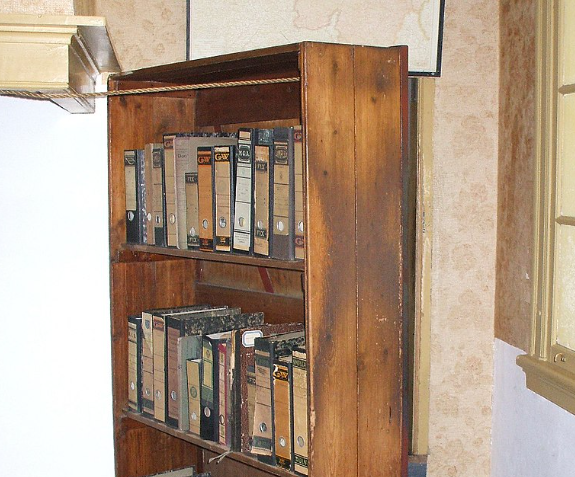
This website gives the viewers a 360-degree view of what was inside the Secret Annex. From the secret entrance to Anne’s small room that she shared with another member of the Secret Annex, everything is displayed on this website for a virtual tour that is intriguing and eerie at the same time.
Two Families — Eight People
All of this information comes from Anne’s diary. In total, there were 8 members of the Secret Annex; the Franks, the Van Pels, and Fritz Pfeffer. Since Hermann Van Pel and Otto Frank were friends from work, Otto Frank did not hesitate in letting the Van Pels hide with them during the brutal reign of Hitler.
The Franks consisted of four people, Otto Frank, Edith Frank, and the two daughters; Margot and Anne Frank. The Van Pels on the other hand was just three people Hermann Van Pel, Auguste Van Pel, and their son Peter Van Pel.
Eight People — Eight Pseudonyms
Initially, the diary consisted of aliases for each family member. Everyone was referred to by a different first name or surname in order to keep their identity hidden in case there was a raid on the Secret Annex by the Germans.

She wanted to be called Anne Aulis and then later mentioned herself as Anne Robin. Her sister was referred to as Betty, her mother’s name changed from Edith to Nora and her father was called Frederik. Even the Van Pels were given a different alias; Van Daans.
A German dentist named Fritz Pfeffer also joined the seven members and was the one to share a room with Anne Frank. In her manuscript and in the book, Fritz Pfeffer was called Alfred Dussel by Anne.
Writing As a Catharsis
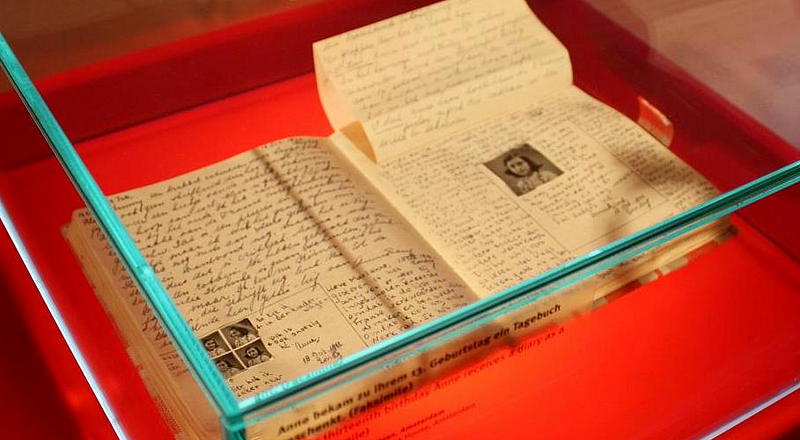
During her time inside hiding, Anne had started writing in her diary simply because she wanted to convey her thoughts freely without the fear of being judged.
In the third entry on Saturday 20th June 1942, Anne writes
“Yes, the paper does have more patience, and since I’m not planning to let anyone else read this stiff-backed notebook grandly referred to as a ‘diary’ unless I should ever find a real friend, it probably won’t make a bit of difference.”
Hence, it can be observed that she started using writing as a catharsis, so that all that would fill up inside her, would also come out.

Since World War II, there have been many research-based studies about the art of catharsis through writing. When our thoughts are penned down, we understand them better.
This is why Marcus Aurelius’ writings are more famous than his failures or struggles as an emperor. Similarly, it is also mentioned in Anne’s diary that she has grown and her past prejudices, anger, and hatred have subsided.
The Day the 15-Year-Old Decided to Become an Author
Anne was quick to reorganize and edit her diary when she heard Gerrit Bolkestein on the radio, announcing that he will be collecting written manuscripts of the experiences of the Dutch suffering under the German occupation.
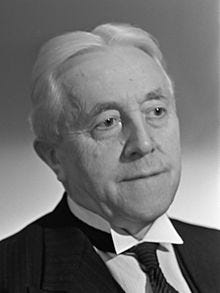
Bolkestein was a member of the Dutch government and was in exile at the time when he made this announcement. He promised to make these experiences public as soon as the war ended.
Hence, Anne started to read just her entire diary by cutting off passages, adding in more memories of her stay at the Secret Annex, and constantly strived to make the text more understandable.
She was enthusiastic about her writings and her diary was not her only work. It is apparent when one reads the diary, that it is being referred to someone.
Technically, we the readers are Kitty, sitting in the 21st century, reading about our beloved friend Anne Frank as she tells us her daily routine in the Secret Annex. She is a troubled teen with the confinement getting to her head as she often talks
“A deathly, oppressive silence hangs over the house and clings to me as if it were going to drag me into the deepest regions of the underworld”
Anne’s Unfortunate Demise
When the members of the Secret Annex were arrested by the Germans in August 1944, one of the helpers of the Frank family, Miep Gies found the pages of Anne’s rewritten diary and hid them away.
Once she was sure that no potential danger lingered from the Germans, Miep Gies handed over these pages to Otto Frank who was later found to be the only survivor of the Secret Annex.

.jpg)
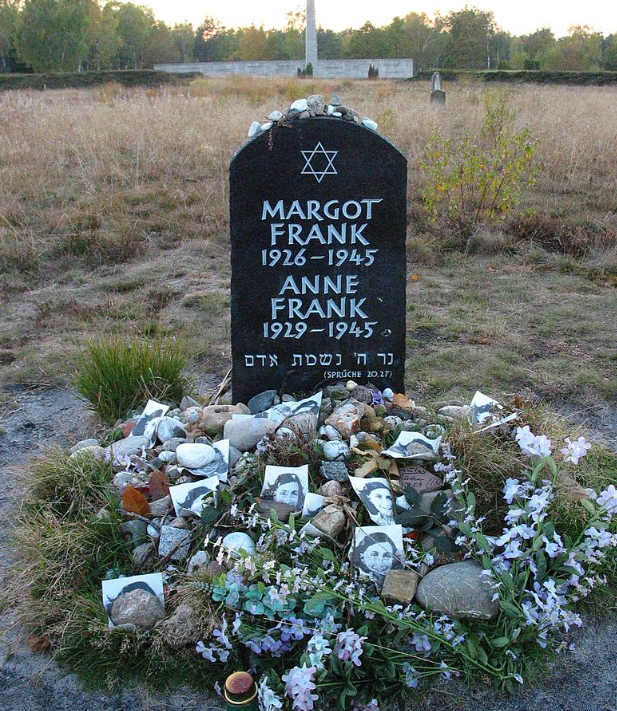
Upon arrest, all the members were sent to different places with Anne and Margot landing in Auschwitz, Polland.
In October 1944 Anne was then taken to Bergen-Belsen camp where she was expected to work. After some time, the little teen, unfortunately, caught a typhus fever which is mainly caused by fleas or lice.
She passed away in February 1945. Although it is also reported in hopes of dramatizing the story, that both sisters passed away in April 1945, it is unlikely that either of them survived the ferocious disease without any care.
The Diary Is Saved And So Is Otto Frank
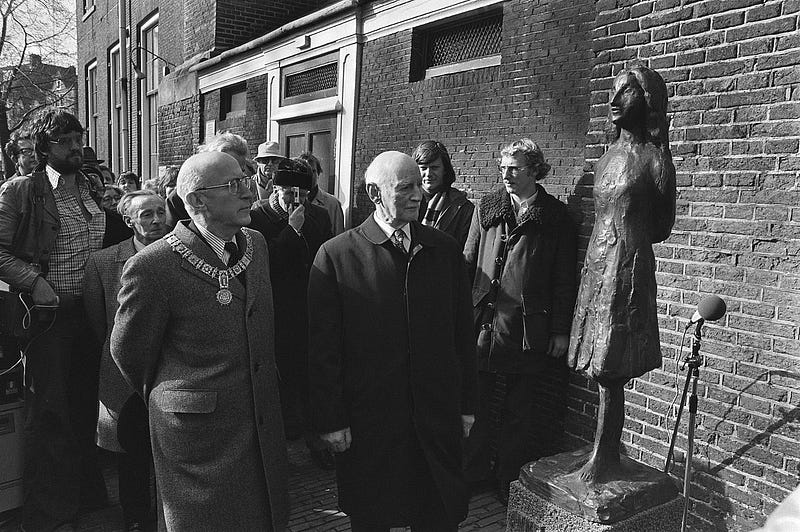
When Anne’s father, Otto Frank first read the diary, he made his own changes to it as well and then took off to find some good publishers. It is sad to know that the process of getting a book read lags at the stage of publishing it.
Nobody was eager to even read the book and passed it off as just a series of stories written by a ‘kid’.
_bij_het_beeldje,_Bestanddeelnr_929-0706.jpg)
It was like a match of intellect between a departed soul and the ego of prejudiced editors.
It was however later taken up by Contact, a Dutch publishing house. After 15 rejections for an English version, Anne Frank’s diary was finally published as it came across Judith Jones, an editor at Doubleday, and proceeded to sell more than 30 million copies.
Anne Frank: An Optimist or A Common But Troubled Teenager?
Today Anne Frank’s work is included in the educational system around the world. In class, Anne Frank is portrayed to students as a young, confident, strong, and lively girl who stayed positive despite staying hidden from her family, wishes, and desires of the cruel Germans.
In reality, the diary of Anne Frank paints her as a little girl going through puberty, fighting with her mother, having a crush on Peter Van Pel, and improving herself as a person.

Many passages that contained harsh opinions about her mother were cut out by her when she edited her diary to make it a manuscript. Even parts of the diary that talked about sexual thoughts or about her feelings were canceled out or rewritten in a better way with the conclusion that she had either moved on or learned something from them.
Anne was an ordinary person with the continuous confinement inside the Secret Annex making her feel trapped and frustrated. She was indeed a lively little person with a marvelous dream in her mind to be remembered for her writings.
Haloo, my dearest reader. Want to follow up more from me and fellow Medium Family?
Hop on the chance to join: