Outing Dietrich Bonhoeffer
A Christian superstar looked super gay—and the religion concealed it
In 1945, a pastor in Germany was executed by the Nazis for trying kill Hitler. Over the next decades, Dietrich Bonhoeffer became a Christian superstar.
The religion liked his story, and read his books, like The Cost of Discipleship and Letters and Papers From Prison. He was called a Christian hero, a Protestant saint, especially loved by Evangelicals.
A new book says that Bonhoeffer scholars have understood him to be homosexual — often discussing it amongst themselves. Never in public.
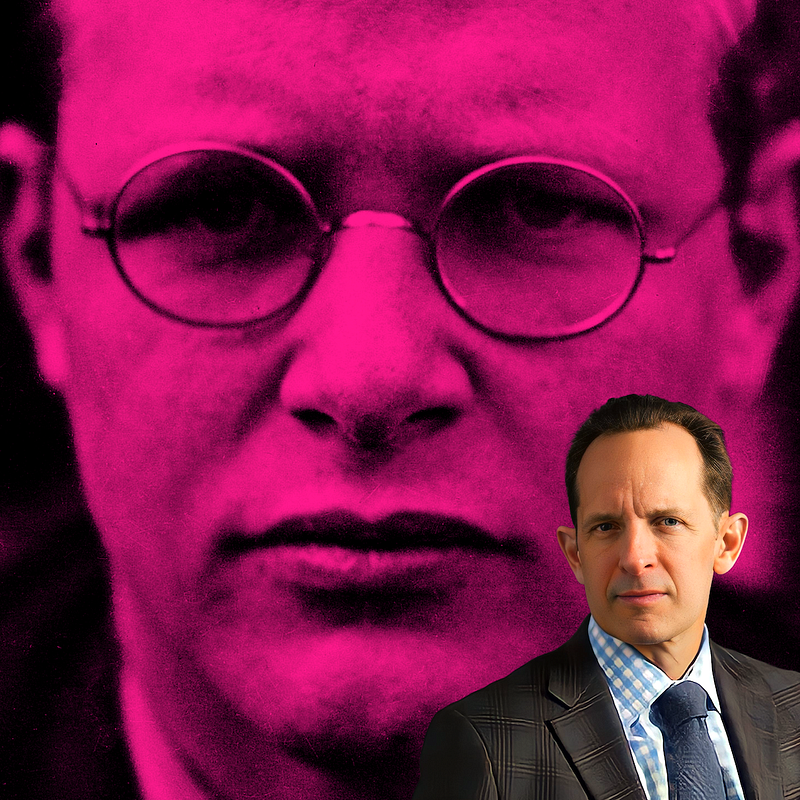
Charles Marsh might be a Christian hero too.
In 2014, the professor of religion at the University of Virginia published a biography of Bonhoeffer that introduced the “gay reading” to the public. A Christian scholar sort of semi-‘outed’ a Christian hero?
That doesn’t happen every day. Marsh has been dropping details of his own story. Last year, he published a memoir, Evangelical Anxiety, in which he wrote about growing up Evangelical Christian, then wandering out of it. Throughout, Bonhoeffer was his guide.
He did his Ph.D. dissertation on Bonhoeffer, and came to a different kind of Christianity—one that let him to see life as a spiritual experience. It’s not just about “getting to Heaven.” It’s about being on earth.
Bonhoeffer died at 39, and never married.
It wasn’t his looks holding him back. “Dietrich was rather like a Greek god,” his friend Paul Lehmann would say. “He had perfect proportions; he was a very handsome man.”
A spiffy dresser, temperamental, obsessive — and a genius theologian — Bonhoeffer was clearly ‘different’. Most any gathering of Bonhoeffer scholars, Marsh notes, had the sexuality question come up — or out.
“I can recall a half dozen occasions when the subject arose in lively exchanges over meals or drinks at conferences,” he writes in his newest book, Resisting the Bonhoeffer Brand: A Life Reconsidered:
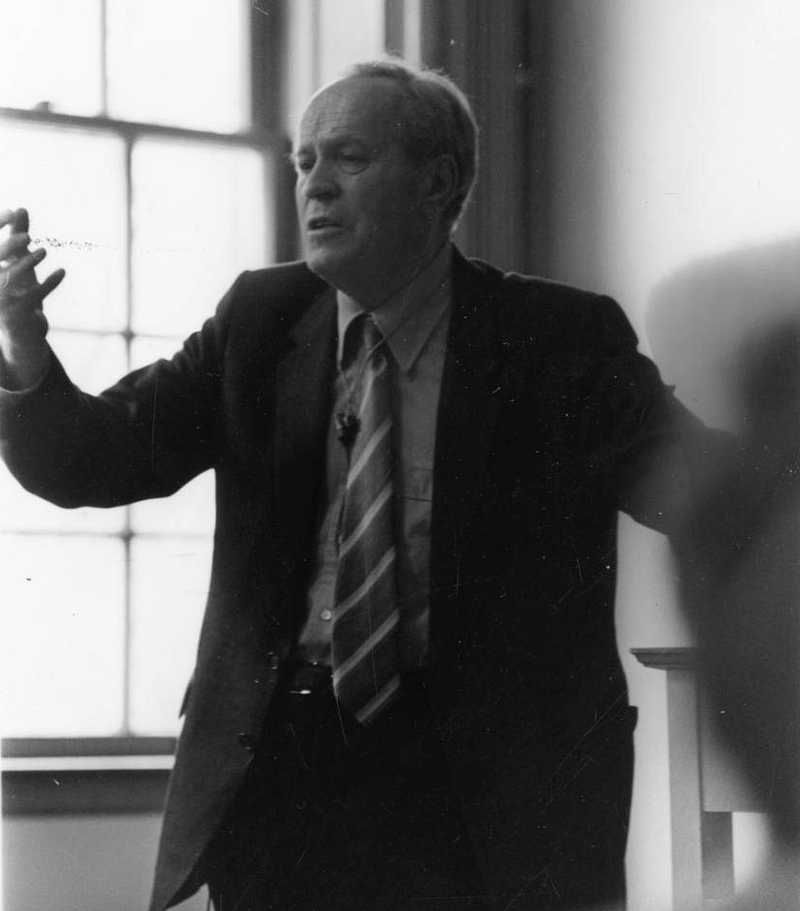
Bonhoeffer’s longtime friend, Eberhard Bethge, had overseen much of the Bonhoeffer industry, including publishing their correspondence, and writing his own biography, Dietrich Bonhoeffer: Man of Vision, Man of Courage.
At an academic gathering in the mid-1980s, Bethge had been asked if Bonhoeffer was gay. As Marsh recalls, Bethge replied that “he could not say for sure” but “understood why people might ask such questions.”
In starting a new biography, Marsh had access to a new archive.
Bethge had died in 2000, and his personal papers were at a public library in Berlin. So Marsh, with his wife and children, went there.
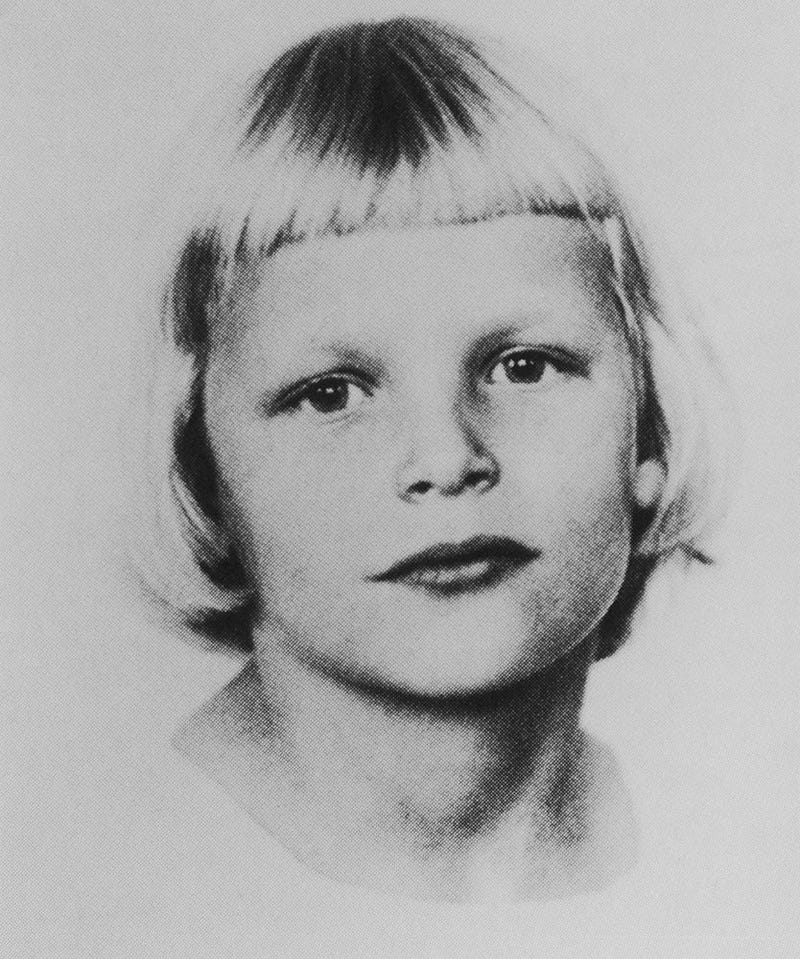
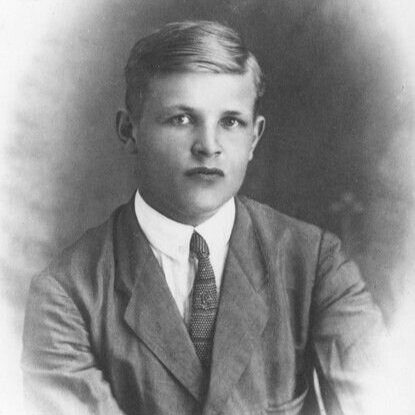
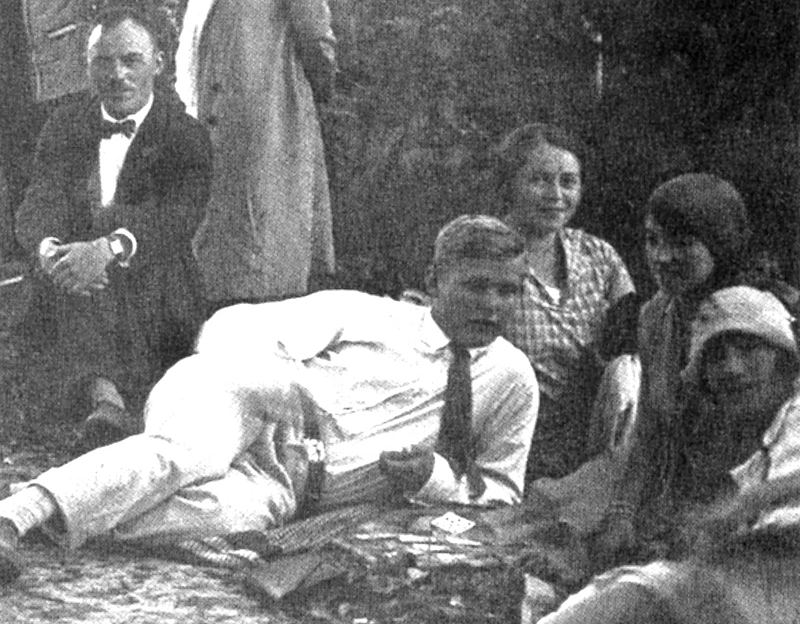
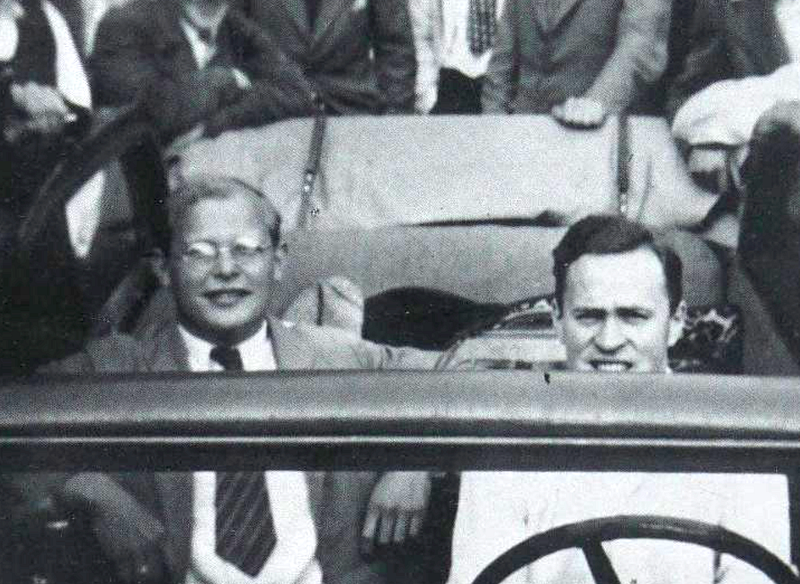
There was much that Marsh hadn’t expected.
Amid old greeting cards and receipts and documents from Bonhoeffer’s life in Nazi Germany, it wasn’t so clear the two men had been ‘friends’.
As Marsh writes in his 2014 biography, Strange Glory: A Life of Dietrich Bonhoeffer, Bethge’s personal papers showed the two men:
“…sharing a bedroom in Bonhoeffer’s parents’ home on Marienburger Allee. They also kept a joint bank account, signed Christmas cards from ‘Dietrich and Eberhard,’ fussed over gifts they gave together, planned elaborate vacations, and endured numerous quarrels.’”
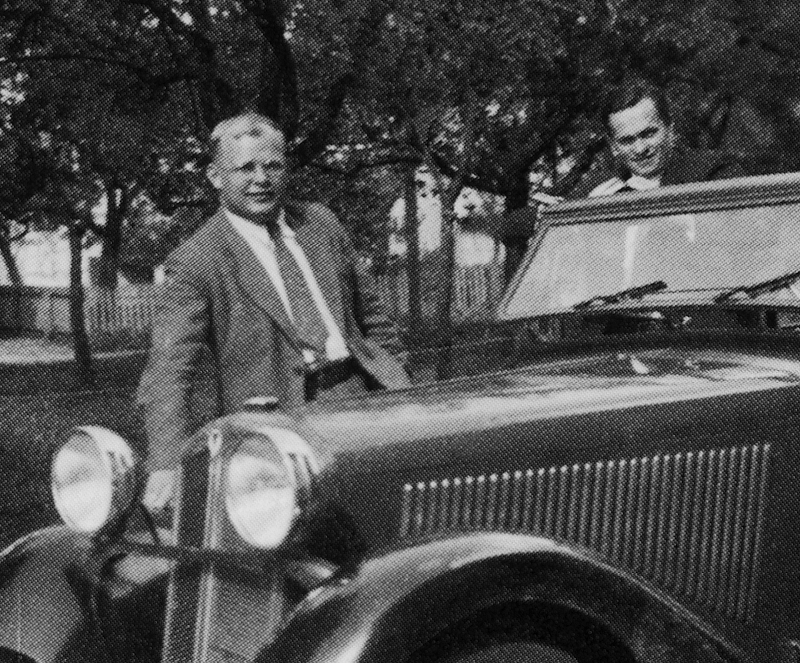
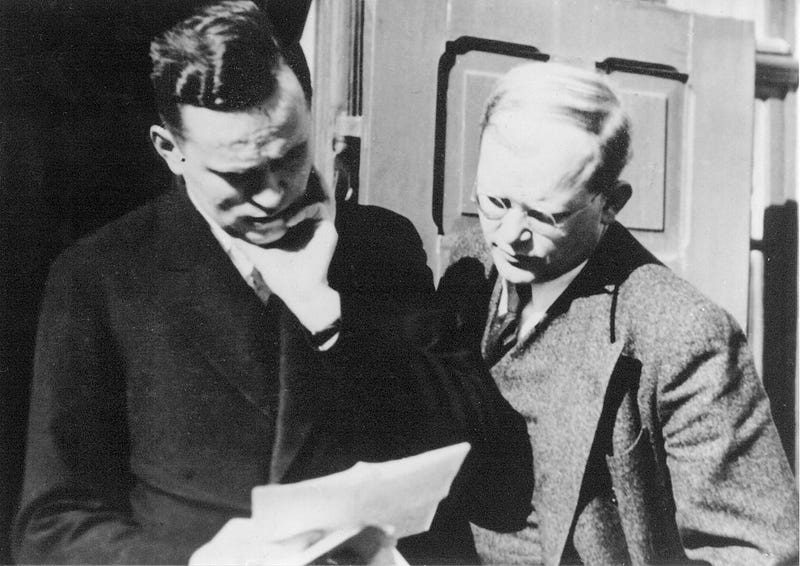
It looked a little more like a love story.
In his biography, Marsh narrates the relationship. We see them meeting in 1935. He writes:
“At twenty-nine, Bonhoeffer was three years older than Bethge, but he looked younger. Bethge introduced himself and the two men chatted briefly, sipping white wine on the summer lawn. Within a few weeks they had become inseparable…”
Others around them thought that Bonhoeffer was in love.
As they travelled and lived together, Marsh writes:
“The two had become ‘perfectly complementary.’ Bonhoeffer’s electricity quickened Bethge’s mild manner, while Bethge’s steadiness moderated Bonhoeffer’s dynamism…”
Charles Marsh did not plan to “out” Bonhoeffer.
In his new book, Marsh reproduces a letter he’d written his editor, outlining the idea of his Bonhoeffer biography:
“…to reconstruct his homoerotic attraction to Eberhard in its singular and storied particularity.”
The effort was to detach Bonhoeffer from any idea of this being a gay biography. He’d offer it in the spirit of what Virginia Woolf calls “moments of being.” And so we read along as the men are ‘being’:
“They’d been giving Christmas presents as a pair for several years, paying for them out of their bank account. At first, the practice created some awkwardness with some members of the Bonhoeffer’s family (these relating mostly to the logistics of reciprocity now that ‘Mr. Bethge’ was on the list of recipients), but by 1940, Christmas presents from ‘Dietrich and Eberhard’ had become a family tradition. Bethge kept the ‘household’ accounts and paid their taxes, whereas Bonhoeffer decided how to spend the money…”
There were some pretty gay scenes.
Marsh writes of Bonhoeffer, ever a clothes horse shopping for himself (and Bethge too), out looking for underwear and finding just the pair he’d wanted. Then he’d tell Bethge “about a fantasy of strolling along the Promenade de Luc in nothing but his shimmering golden briefs.”
Bonhoeffer regarded their relationship as a “spiritual partnership” that would continue into Heaven, where they would, as Marsh writes, “worship together for eternity.”
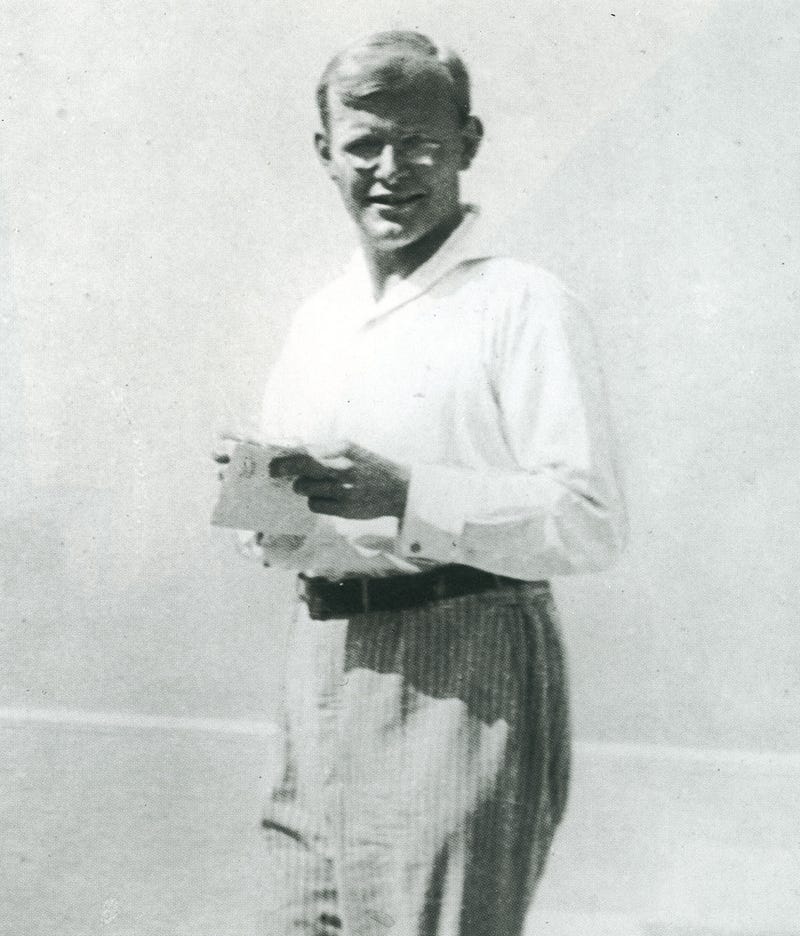
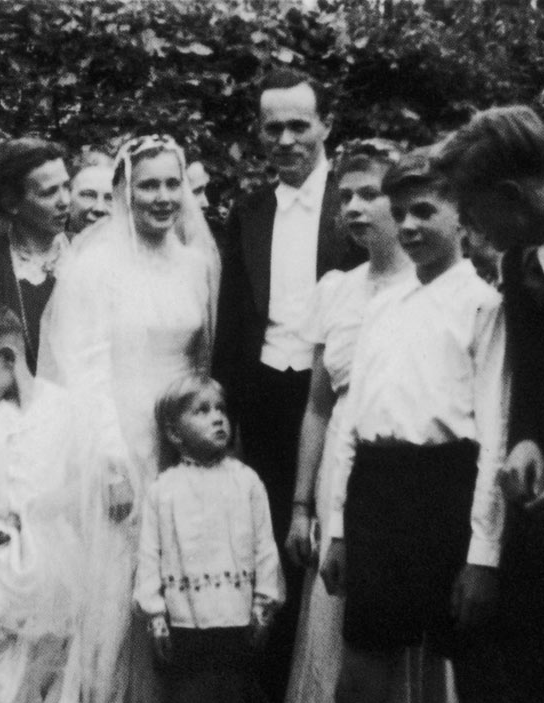
Bethge married in 1943, and Bonhoeffer tried to kill Hitler.
Prior to his execution, they wrote letters to each other, and these became the most public testimony to their same-sex romance.
Or at least, the letters were read that way—as gay love letters—by a very extraordinary reader. It seems that in 1994 there was some new effort to ‘out’ Bonhoeffer, and Bethge addressed it in print. He mentioned a memory of someone trying to ‘out’ them in the late 1950s.
As Bethge wrote:
“During a large student conference in snowy New Hampshire 1957/58, i.e., when the first edition of Letters and Papers from Prison did not yet reveal the names of those involved, I was asked if anybody knew who the recipient of the letters was. It was felt that the correspondence must have been between homosexuals.”
Bethge goes on to write that “no same-sex friendship is without varying degrees of homoeroticism,” but he and Bonhoeffer were both “quite ordinary” and “normal.”
The scene in New Hampshire is amazing.
I’m trying to think through the details. Bethge says he was talking to a person, presumably a gay man, who seemed to have read the Letters From Prison as between two homosexuals.
Bethge says the man didn’t know who the letters were between, which was bizarre. The Letters were never anonymous. Bethge’s name was displayed on the book, and by 1957, he was well-known.
I look again at what Bethge had said.
“It was felt that the correspondence must have been between homosexuals.”
This person is a major character in the story: a reader who’d seen no way of understanding the letters except as gay—and then cornered Bethge, prompting him to confirm it.
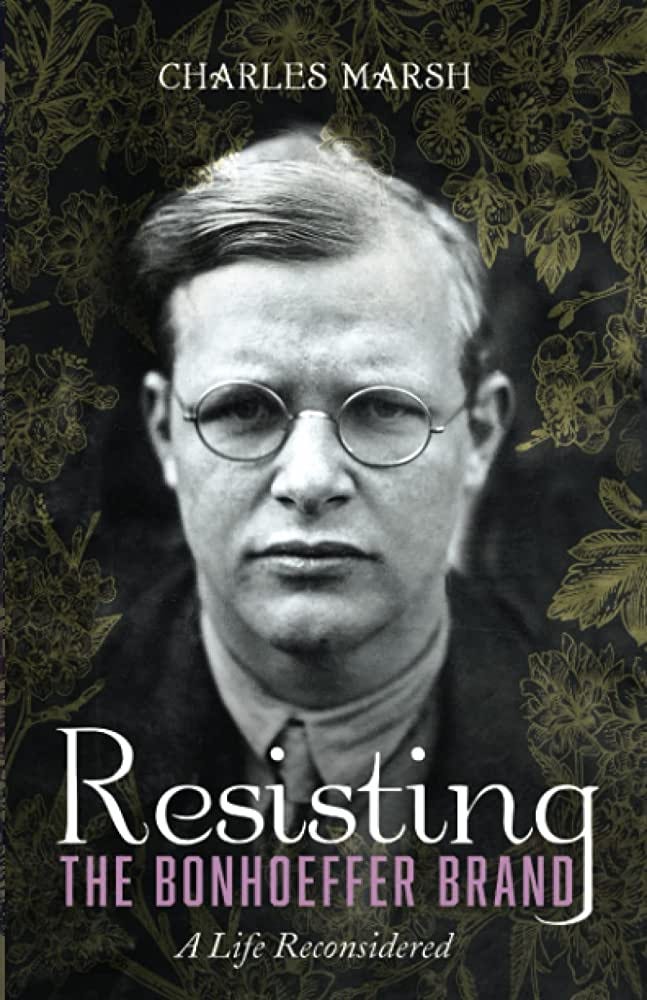
Marsh didn’t think Bonhoeffer had ever been sexual.
That was the clincher in his case that Bonhoeffer was not ‘gay’. I look at the evidence he cites for this point. It’s a single sentence in a letter Bonhoeffer writes from prison on May 21, 1944.
Bethge seemed to have wanted to suppress the sentence. It does not appear in the version of the Letters From Prison as published in 1951, or the ‘expanded’ version of 1971, though there is this clipped version:
“I’ve already seen more of life and experienced more than you…”
The full sentence is found in a scholarly edition published in 2010. As it reads, Bonhoeffer writes:
“I’ve already seen and experienced more of life than you have — except for one crucial experience that you have, which I still lack — but perhaps that is precisely why I have already had more of ‘my fill of life’ than you as yet.”
As Bethge had married, the “one crucial experience” that Bonhoeffer hadn’t experienced, Marsh supposes, was sex.
Does this sentence establish that Bonhoeffer had no sexual experience at all?
I’m not so sure about that. I’m less sure that sexual experience is required to establish that someone is gay.
But that was the hook on which Marsh hung the idea.
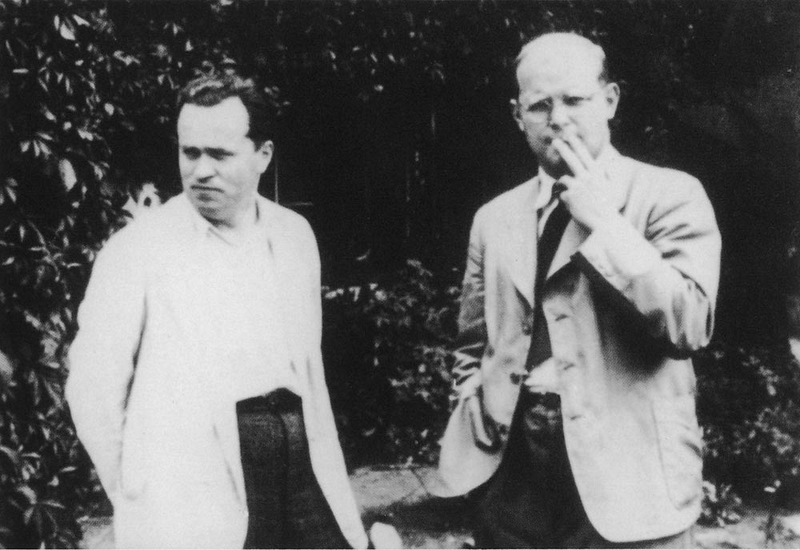
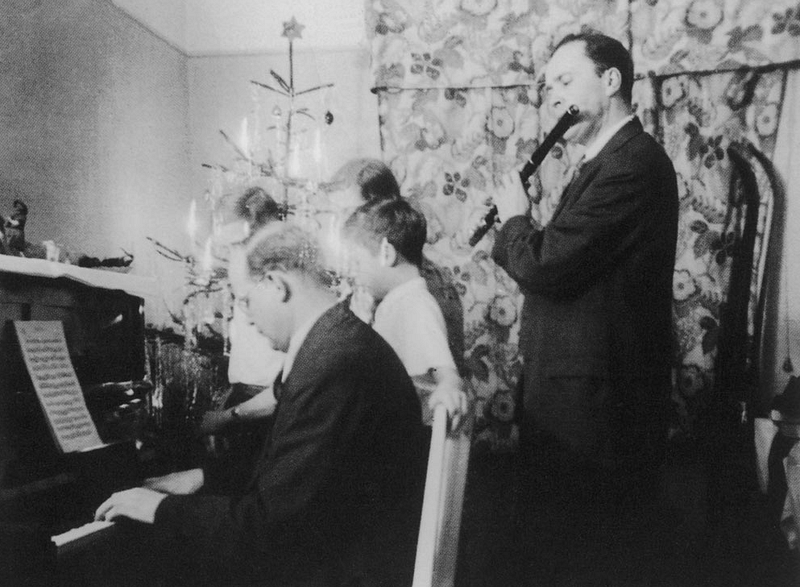
The biography hadn’t used of Bonhoeffer any terms like “gay,” “queer” or “homoerotic.”
Marsh had taken pains to not ‘out’ Bonhoeffer. Nonetheless, the portrait he painted was highly suggestive, and reviewers noticed.
In the journal Theology, John H. McCabe wrote in a review of Strange Glory: “The field of Bonhoeffer scholarship is introduced through this work to a character one always sensed was there, but never quite had the courage (and evidence) to acknowledge.”
The popular press smelled a religious brawl coming on. “There will be blood among American evangelicals over Mr. Marsh’s claim,” wrote the Wall Street Journal reviewer.
A reviewer for the Washington Post popped the question:

Reviews in ‘Christian’ publications went from startled to horrified.
Christianity Today did its best to minimize the problem, offering:
“Marsh makes a convincing case that Bonhoeffer harbored feelings for Bethge that extended beyond friendship. Those feelings were unrequited, and Bonhoeffer probably did not consciously acknowledge them.”
Over at The Gospel Coalition, the more right-wing outlet, the reviewer called called the book “reprehensible,” “unnerving,” and hoped people wouldn’t read it.
The standard was invoked again and again: “Did sex occur?”
That’s how Christians read ‘queer’ narratives. No concept of ‘sexuality’ exists. If same-sex sex occurred, then the person was going to Hell. Otherwise, they’re straight.
Scot McNight, the Anglican scholar, reviewed Strange Glory looking for this evidence on his audience’s behalf. He reassured the faithful:
“There are suggestions according to Marsh: they shared a bank account, they shared Christmas presents, they spent constant time together, Bonhoeffer’s (not Bethge’s) endearing language in letters, Bonhoeffer’s getting engaged not long after Bethge got engaged, and Bonhoeffer’s obsessiveness with Bethge. OK, but it’s all suggestion, and this is complicated by Bonhoeffer’s obsession with clothing and appearance.”
The religion moved on. Bonhoeffer was not gay.
But Bonhoeffer scholars felt more was required.
As Marsh details in his new book, it wasn’t that anyone disbelieved the idea of Bonhoeffer being gay or homoerotically-inclined. He writes:
“The only shock my book registered among Bonhoeffer scholars was that of recognition — the open secret explored in narrative.”
His book was reviewed negatively, he saw, by scholars who’d told him they personally suspected or believed that Bonhoeffer was gay. It was an effort, he understood, to protect the “Bonhoeffer brand.”
To be ‘Christian’ is to be a member of the Heterosexual-Industrial Complex. A Bonhoeffer scholar, as much as any local pastor or priest, was tasked with keeping up the anti-gay messaging—even if they believed their object of study was gay.
Ferdinand Schlingensiepen stepped up for the takedown.
This was a well-known figure, the aged author of a Bonhoeffer biography, a Lutheran pastor, a founder of the International Bonhoeffer Society and a longtime friend of Eberhard Bethge.
At first, as Marsh details in his new book, Schlingensiepen had seemed friendly to the book. He’d emailed Marsh that he was “learning a lot” as he was reading it.
Months later, Schlingensiepen emailed again, saying he was “disturbed,” for Marsh’s portrait of Bonhoeffer was “so far away from mine” that he would have to write a negative review.
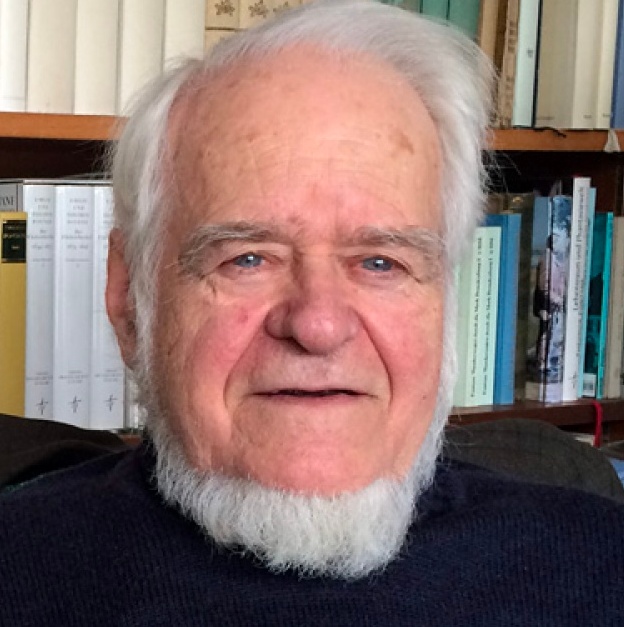
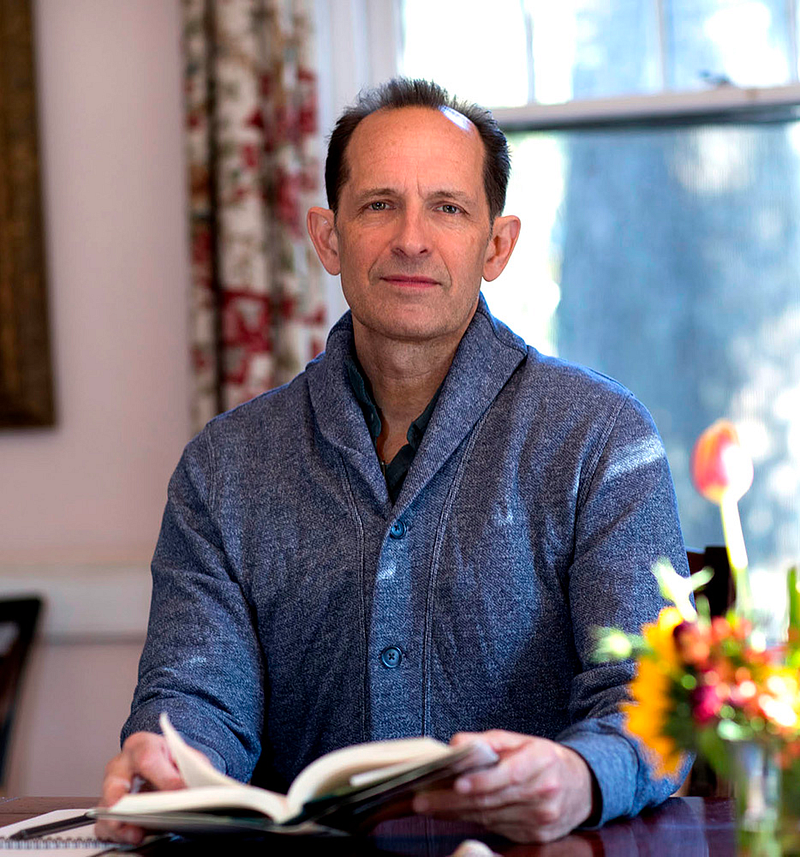
Schlingensiepen hit Marsh’s book with total force.
The resulting review wasn’t even scholarship. It was war. Titled “Making Assumptions About Dietrich,” it went in circles awhile, seeming to fault Marsh’s book for not being anything, basically, that Schlingensiepen would have written himself.
Schlingensiepen dove in for the kill, saying that Marsh’s narrative “reads it as if there were an active homosexual relationship between the two men…”
Marsh hadn’t said the relationship was overtly sexual, but Schlingensiepen—deceptively—had insinuated the book made this claim. Other Christian scholars took the cue: Marsh’s biography was to be dismissed for having said the two men were having sex.
The case for a “gay” Bonhoeffer got even stronger.
Marsh notes a few scholars have since added some shadings (as here, or here). He doesn’t mention Diane Reynolds, a noted journalist and literature professor, whose 2016 book, The Doubled Life of Dietrich Bonhoeffer, had read the sources for ‘queer’ suggestion.
Of Bonhoeffer’s letters to Bethge, she notes “the pattern of missing letters and pieces of letters just at moments where there’s apparently an uncomfortable discussion of love or sexuality.”
Looking over even the surviving text, she finds that “Bonhoeffer went beyond emotional friendship and was in love with him…”
And she finds him articulating something like a ‘queer theology’ even in books like his Ethics, where sexuality is discussed as “fulfilled only by its intrinsic claim to joy.”
I kept thinking of that unnamed reader.
Who had been up in New Hampshire, apparently in the winter between 1957 to 1958, reading the Letters From Prison as “between homosexuals”?
The letters were edited, or censored, without any overt sexual references. It’d been incredible intuition—and then this person was so bold in making an approach to Bethge. I’ve never heard of anything like it.
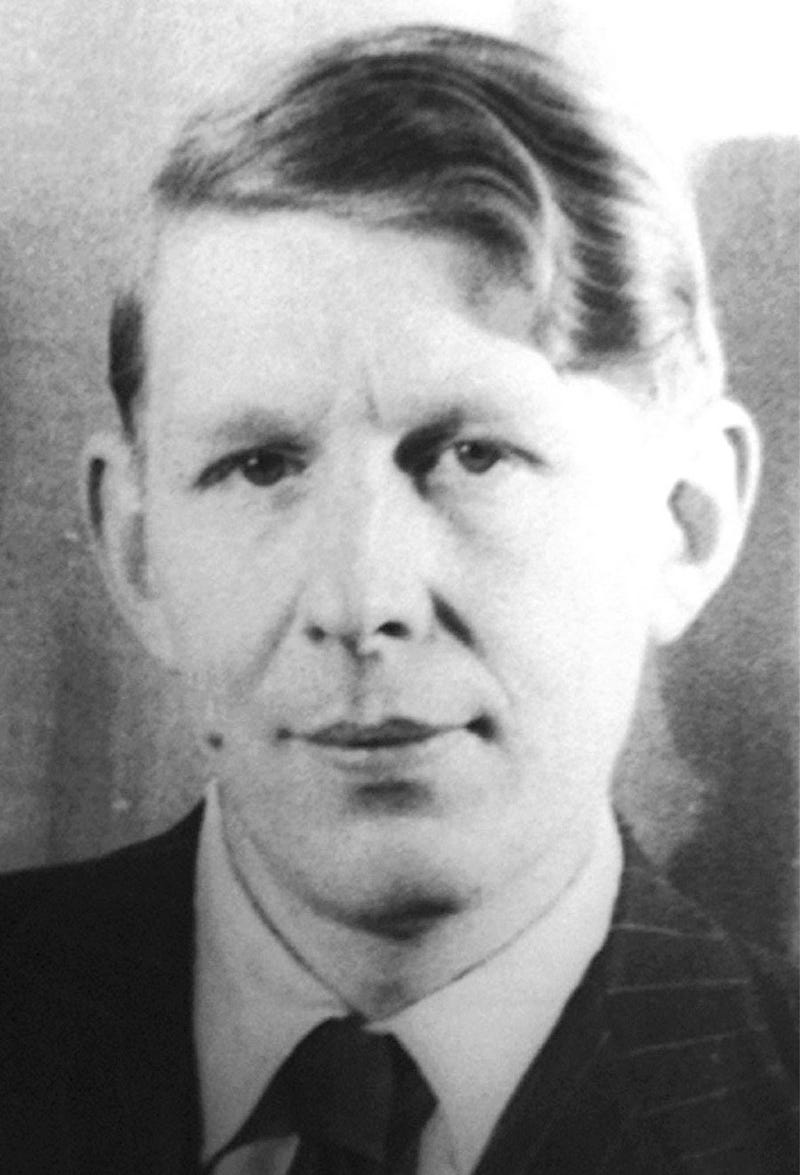
In his new book, Marsh throws out a few interesting facts, like puzzle pieces that haven’t found a place to fit. In 1939, he notes, Bonhoeffer had supposedly met W.H. Auden, the gay poet.
It’s the oddest thing. There was no evidence of the meeting happening, except that Bethge had said Bonhoeffer and Auden met—though placing the meeting at a time when the men were far apart.
Auden was known to be a Bonhoeffer enthusiast.
That led to a well-known poem, “Friday’s Child,” that Auden dedicated to Bonhoeffer. The poem’s publication date? Christmas Day, 1958.
The poem condenses all that Auden had learned of Christianity, and all that he believed about God. As it began:
“He told us we were free to choose…”
As the scholar Stephen Plant explains, Auden’s idea of God is a prompt to recognize “our freedom as human beings to be responsible for our own choices, to create our own ethical life…”
Was it odd, I mused, that Auden was writing “Friday’s Child” around the time that Bethge recalls this meeting with an unnamed person?
Auden taught poetry at Oxford from 1956 to 1961.
As I look through various books for details of his movements in late 1957 to early 1958, I do spot him at Dartmouth College in Hanover, New Hampshire sometime between 1955 and 1957.
Bonhoeffer had been important to Auden. Perhaps the poet had wanted to know for certain that this ‘new’ idea of God had come from a gay theologian who’d read the same sources in a different way.
Had Auden asked the question, Bethge couldn’t acknowledge it.
If the famous poet was known to have read the Letters From Prison as “between homosexuals” — even Bethge’s denials would’ve looked shaky, and the religion wouldn’t like it.
And that’s the business Bethge was in. 🔶