
IMPRESSIONS OF INDIA
Odisha in a Gray Monochrome
My attempts to capture life and landmarks in the less explored eastern part of India and showcase a few of them sans color
I have a firm belief that the many photographs taken during my multiple sojourns look best in a gray monochrome. Considering it also happens to be the theme for the month, it makes a lot more sense to showcase a few such photographs from a trip to a different destination as opposed to taking a snapshot of the popular hotspots.
There were many photographs, in their natural color, accompanying my submissions to this publication that have been published in recent weeks. Considering Odisha is a relatively less explored part of India and also the fact that I traveled extensively, I believe there are quite a few photographs that will look best when bereft of color.
They have an appeal of their own. So, without further ado, let me present some beautiful photographs taken during my recent sojourn to the eastern Indian state of Odisha, in a gray monochrome, of course. The effort to keep the text below limited is deliberate. I would like readers not to focus too much on the text but to see the photographs and admire them in the manner they deserve to.
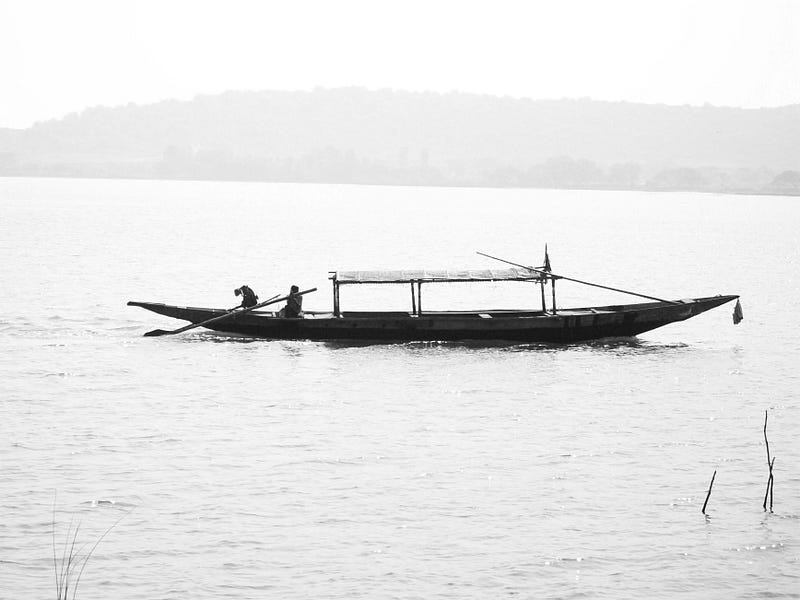
To start with, the photograph above shows a fisherman in the middle of Chilika Lake. Besides being the largest brackish-water lake in Asia, it is also the second-biggest lagoon in the world and is known for its variety of seafood. It is no surprise that the lake is surrounded by a multitude of fishing villages. There are many fishing communities that depend on the lake to sustain their livelihoods.
The fisherman has his modest boat in the middle of the lake and is making preparations for an elaborate fishing exercise. Hopefully, he helped himself to a healthy catch.
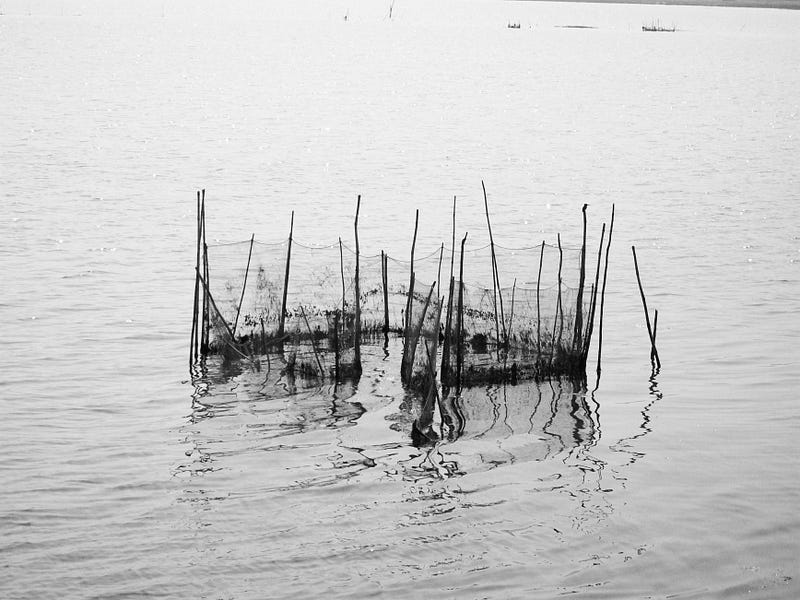
The photograph above is a related one and showcases a fishpond created in the middle of the lake. An increasing number of these ponds have long been considered a threat to the region’s ecology and have also been blamed for the loss of its biodiversity.
Unfortunately, studies indicate catches have reduced significantly in recent years. On a positive note, I was told that the government is taking steps to ensure sustainable use of the lake resources and is coming up with a policy for fishing in Chilika Lake.
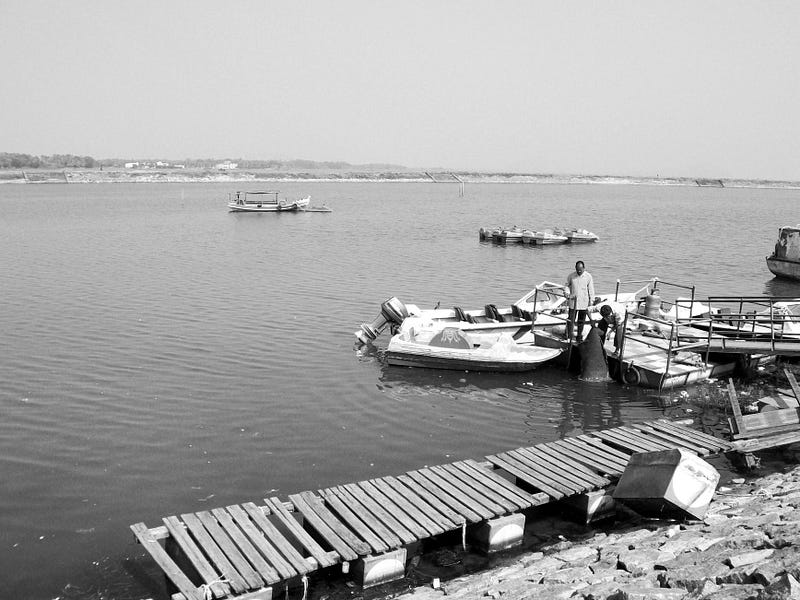
However, it is not all about fishing and seafood in the lake. Boats can also be hired to explore the region and visit the nearby islands, as the above photograph showcases.
The calm waters, interrupted by the chirping of birds, present a beautiful contrast. It is something that needs to be experienced.
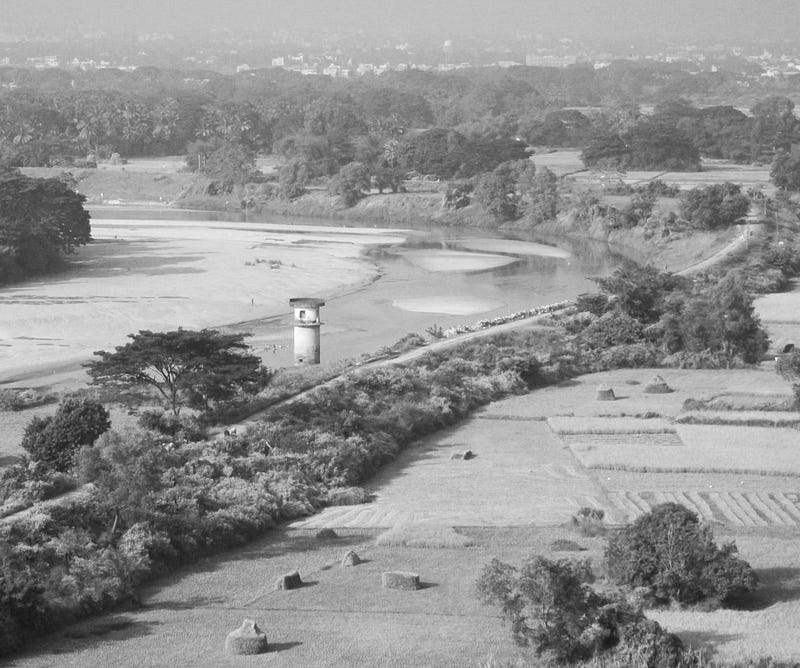
In the first part of my India series, I wrote about the Dhauli Shanti Stupa or Peace Pagoda. Well, the photograph above was snapped from within its premises. It showcases the River Daya.
It is believed that the Dhauli hill was the location where the Kalinga War, one of the bloodiest wars in history, was fought. Following the war, this river had turned red owing to the blood of all the soldiers killed.
This sad episode of human history, which subsequently ensured a change of heart for the winner (Emperor Ashoka) and laid the foundations for the propagation of peace, is a short trip from the state capital of Bhubaneswar.
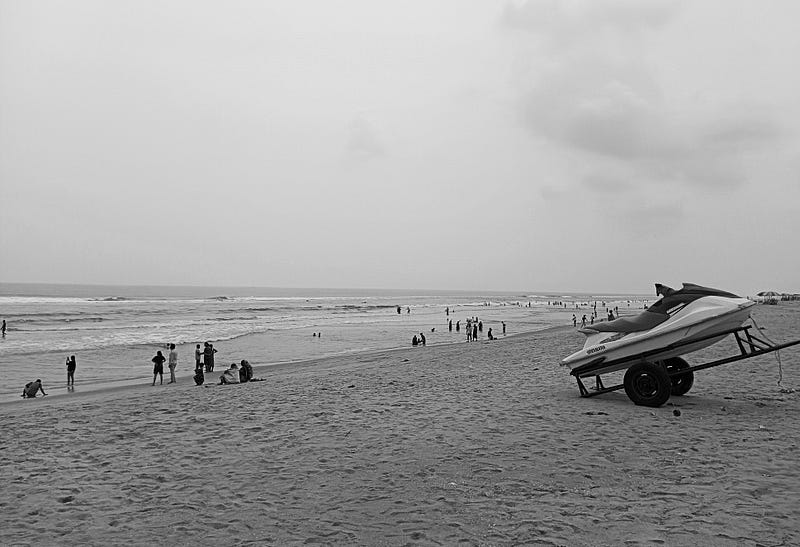
Puri is located less than 40 miles from Bhubaneswar, and the photograph showcases the town’s world-famous beach.
The beach offers a gamut of activities. A visitor can take a stroll in the sands or hire one of the water bikes (in the picture) and head straight to the sea.
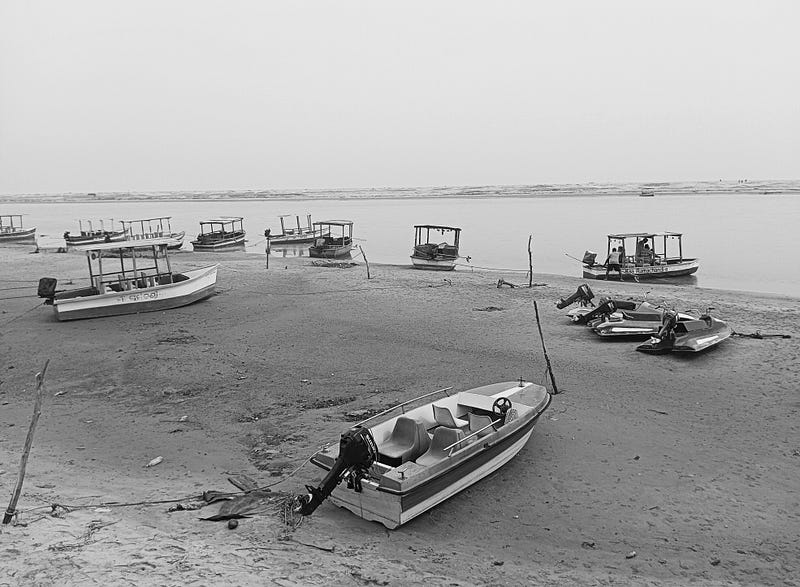
In case you don’t quite like the crowds and want to avoid them altogether, Ramachandi offers a nice alternative.
Ask your chauffeur to head to the Marine Drive, a 35-kilometer-long picturesque road with trees lined up on both sides, and you will reach this interesting confluence of the river and the sea. Get down the promenade, hire one of the boats in the photograph above, and enjoy a nice ride.
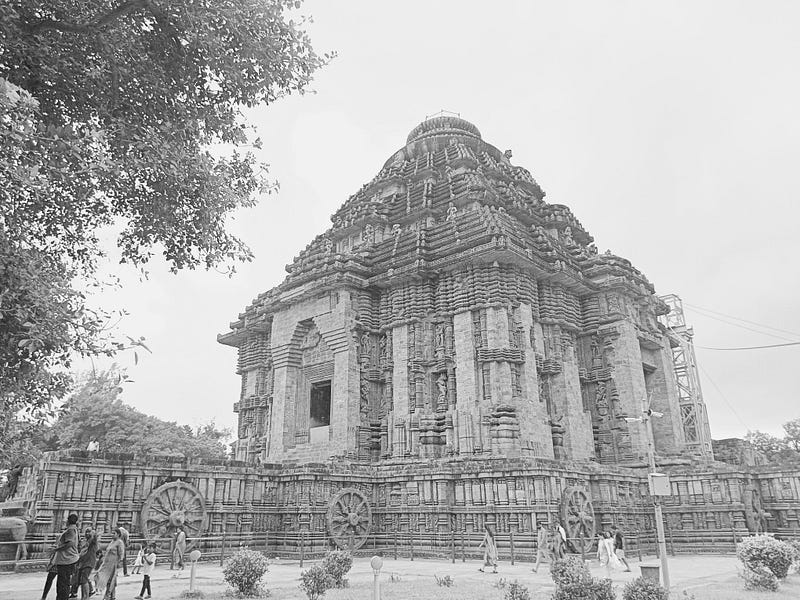
The photograph above comes with my recommendation. Ever since I visited Konark it has become my favorite spot in India.
The Sun Temple, dating back to the 13th century, is, rather surprisingly, not a place of worship. On the contrary, it is an engineering marvel that combines science with aesthetics.
There’s a lot I can write about it, but that won’t do it justice. Making a visit would. No points for guessing that it is a UNESCO World Heritage Site.
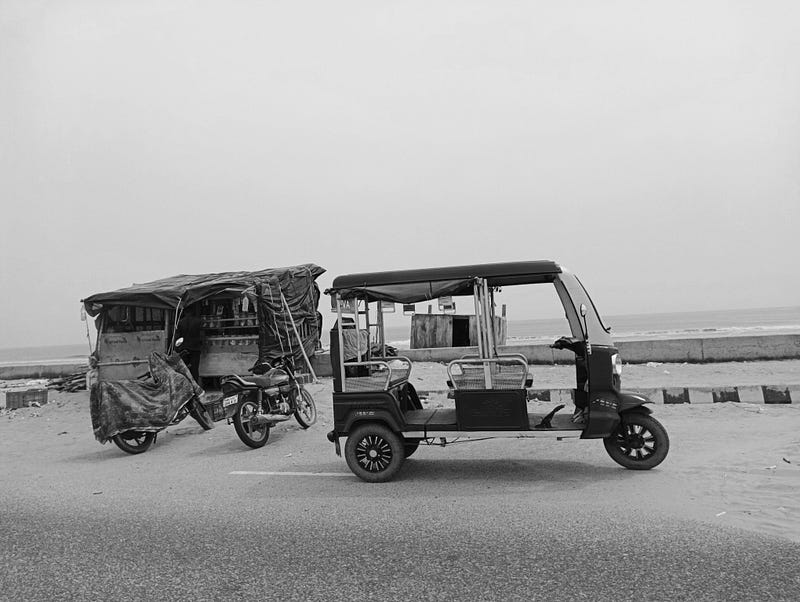
When you are traveling, what is your preferred mode of transport?
There are a couple of options parked by the side of the road. The driver and rider are nowhere to be seen.
Will you be keen on either of the options on display above?
Make a quick decision or…
… You may lose time.
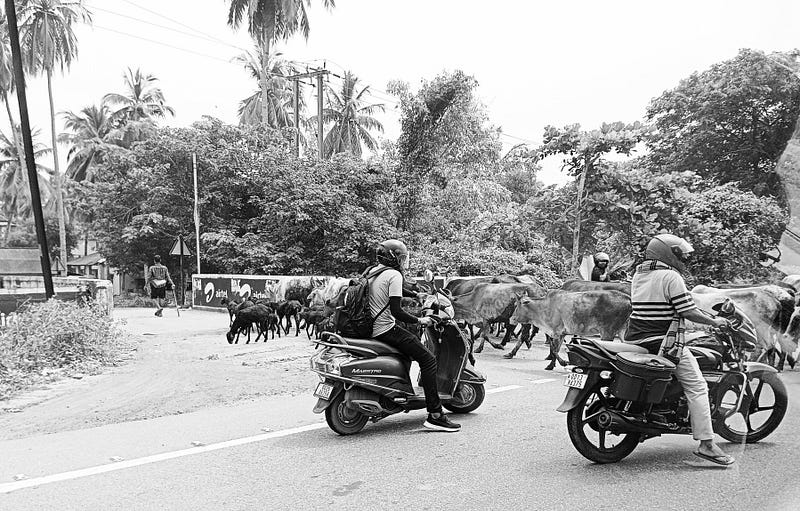
I opted for a car. There was no way I could have anticipated this traffic jam, and there was no way I could have driven past it.
Unfortunately, the people in the photograph above had more convenient options but couldn’t do much either. The cattle had occupied the entire highway.
Even as I waited, I chose to utilize my time well. I hope this photo essay in monochrome has helped you utilize your time well, too.
P.S. Considering it is a requirement for writers submitting to a monthly challenge to tag a couple of posts that inspired them to go to this place, unfortunately, I could not find any related to Odisha. If someone has been to this part of India, I will be happy to mention their contribution/s.
That being said, I am tagging two travel pieces I enjoyed reading recently.
My first recommendation is A Lake Surrounded by Snow-covered Mountain Peaks of the Southern Alps by Anne Bonfert
In Oxapampa: German Heritage in the Peruvian Jungle, Kenny Minker presents a very interesting facet.