
Now BlackLivesMatter in Glendale, a Once Sundown Town,
A story about recognizing and repenting from Injustice Against African American — 2020

Glendale City Council got heart since their decision to correct a wrong long overdue for no apparent reason other than skin color. They decided recently to pass a resolution apologizing for such an unwarranted horrid time in their history for discrimination against African American and is the first California city to acknowledge and apologize for their passing of an ordinance called Sundown Town, where African American could not be allowed out after dark. You’d think a mandate like this would had some basis, e.g. crime or robbery but there were none. The only crime by African American was skin color.
A resident of 17 years, Carol McGrath, coalition member and an associate of mine, shared how she had been accosted while walking to the grocery store and was yelled at, “‘You better get off the street lady it’s after sundown.” Not only were African American forbidden outdoors after sundown, nonwhites were not allowed to be buried in the Glendale’s Forest Lawn Memorial Park up until the 1960s, and were barred from purchasing homes or property by Glendale’s utilization of various discriminating unscrupulous measures.
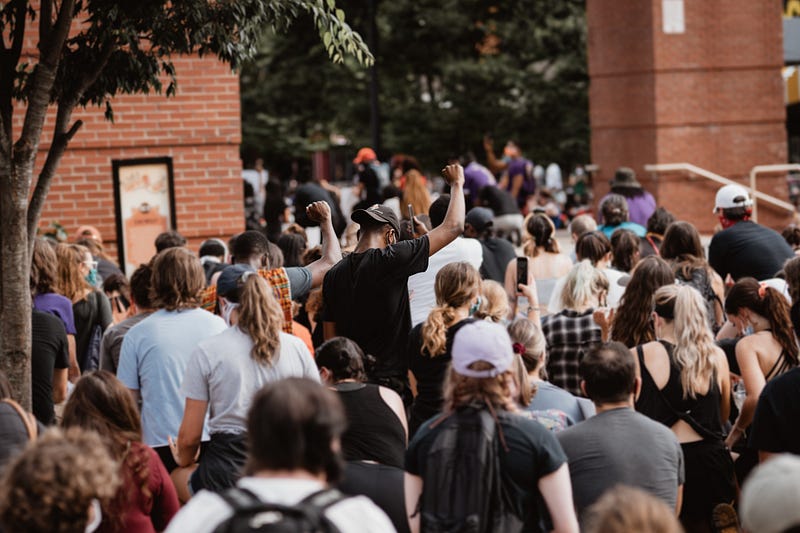
Finally with the emergence of a new attitude, the Coalition for an Anti-Racist Glendale recently asked the city to pass a resolution to confront Glendale’s history and to reach a resolve for Glendale’s illicit past. In doing this, the city leaders presented a report during one of their board meeting seeking a reconciliation with Glendale’s history as a sundown town.
In their reporting, they highlighted hate crimes in the newspapers from the 1900s to 1990s where the Klu Klux Lan and American Nazi party were active elements of this city for decades, city’s Black population had been purposefully denied homeownership, where homes were sold to only white people and in 1940s, Glendale practice by the California Real Estate Association was praised for its utilization of measures to keep Glendale a “100 percent Caucasian Race Community.”
It was reported via the U.S. Census in 1920, that the 0.16 percent of the African American population worked in servitude. Even in 2019, 1.6 percent African American resided in Glendale so apparently their were yet some embedded biases that has come to the forefront and being asked to be dealt with starting with Glendale acknowledging that intends to make a wrong right for all the people and reconcile their past.
This change has come about with the report from the city council members who have voted unanimously to pass a resolution that acknowledged, apologized and condemned Glendale’s past as a Sundown Town.
As one councilmember, Ardy Kassakhian, stated during the meeting, “Hate and ignorance and fear are at the core of what we’re trying to address.”
This is a start in a better direction but as we all know writing on paper is one thing, but action is needed to make the words a reality removing and/or replacing the stain of a sundown town to a sunup enclave for all people of color. As confirmed by Ms. McGrath, a resident, “The resolution is just a piece of paper. It doesn’t carry much weight. It won’t erase the past, but I thinks it can help change the future. And in God’s eyes justice is the most beloved thing.”
In conclusion, the only way to correct the past is to create a better future and provide everyone with equal opportunity and the pursuit of happiness.
For additional reads:


