
The Untold Story about the Real Aunt Jemima, Nancy Green
A Trailblazer & Hidden Figure, Nancy Green, the original Aunt Jemima, March 4, 1834 thru August 23, 1923, a real person with a real story
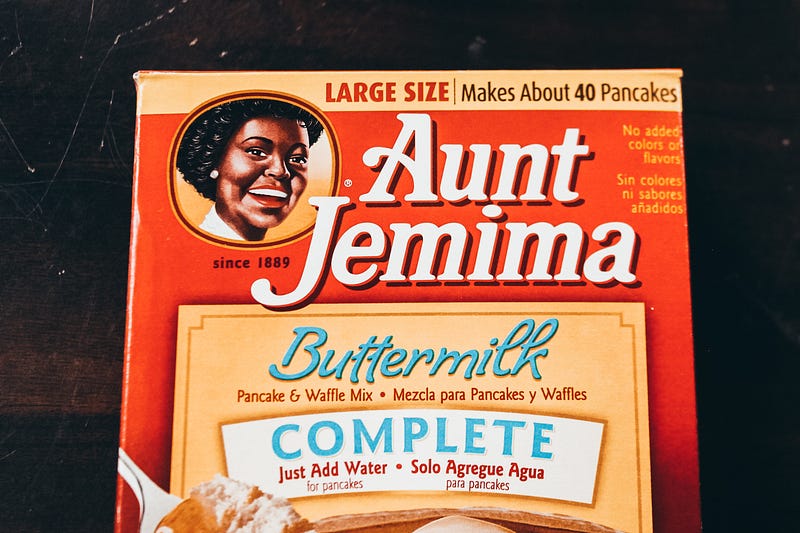
Many tables in homes, restaurants and cafes, have been the recipients of a recipe that many are clueless of its origin, Aunt Jemima Pancake.
The untold story is a very complex legacy yet not so complex once the truth was uncovered as all history is. The truth unfolded recently in Chicago at the hand of a lady who for the last year had been bringing recognition to the real Aunt Jemima amidst all the backlash of Aunt Jemima image being a negative symbol and is in the process of being eliminated due to systemic racism embedded in the America's history where Confederate statues and other images depicting a segregated period where African American were portrayed by many negative images and that included Aunt Jemima who came under attack recently and is in the process of being eliminated or modified regarding what it had represented in the past and present.
Aunt Jemima’s Untold American story unfolded recently from unmarked grave covered for nearly a century in Oak Wood Cemetery in Chicago. Nancy Green, another Hidden Figures, aka the original Aunt Jemima, had been in more kitchens around the world than any homemaker ever as she graced the Aunt Jemima pancake box.
From the 1800 to 2020, many yet enjoyed these pancakes originated at the hand of Ms. Green, but were clueless to her history. Centuries ago, there was a commercial that touted how good these pancakes were.
The commercial stated: “ Add some butter and syrup, you’ll like ’em, the perfect pancake in ten shakes.”
Ms. Green face being on the box could be considered probably one of the ways houses were integrated. The Aunt Jemima recipe created by Nancy Green was the birth of the American pancake. Long before she spooned that favorite recipe, Nancy Green was born into slavery in Montgomery County in Kentucky after the Civil War, and later moved to Chicago.
Aunt Jemima on the pancake box had been always looked upon as a character and not as a real life person, but a caricature. A history forged through a recipe, Nancy Green claimed her place in history unbeknownst to herself as she cooked up these pancakes for the people she cared for. As the word got out about her pancake, her popularity began and when the company who made the meal that she used to make the pancake got word of her usage of their meal for these beloved pancakes, just like that Aunt Jemima brand was born.
According to historians, as she was sought after by many near and far, she made her big debut at the World’s Fair Jackson park in 1893, and became the trusted face on the Aunt Jemima’s Pancake box. With all the advertisement and the brand’s popularity, her name was never mentioned.
After her death in 1923, other women became the living Aunt Jemima legend symbol as Quaker Oats set out to find another face to grace the pancake box. They discovered Lillian Richard, (1891–1956), in Dallas, Texas, to be their spokesperson where she portrayed Aunt Jemima for decades. These ladies who graced the Aunt Jemima Box were real faces with real stories but all was a well kept secret, they were truly hidden figures among all cultures.
Today, these ladies’ legacies are getting a makeover with much recognition as family members and historian set out to tell the truth about the real Aunt Jemima whose images were used for years on the Aunt Jemima Pancake Box.
Pepsico parent company announced that the Aunt Jemima Pancake brand will be phased out by the end of September due to its antiquated images, ministerial images and stereotypical images misrepresenting the culture of African Americans due to much outcry.
Pepsico statement on Aunt Jemima brand, “This is a sensitive matter that must be handled thoughtfully and with care. We respect the women who have contributed to our brand story and will approach re-branding carefully with their heritage in mind.”
In conclusion, the real faces of the real Aunt Jemima should be on the boxes and not some minstrel images from the confederate south depicting African American as subservient, i.e. maids, cooks, etc. This article is to educate all about the true legacy of these true figures who graced the Aunt Jemima Pancake box, real ladies with real stories and their legacy should be continued with much respect and adoration.
For additional reads:


