
Nitric Oxide Nasal Sprays to Tackle COVID-19
Could this nasal spray be the solution to preventing and treating all COVID variants?
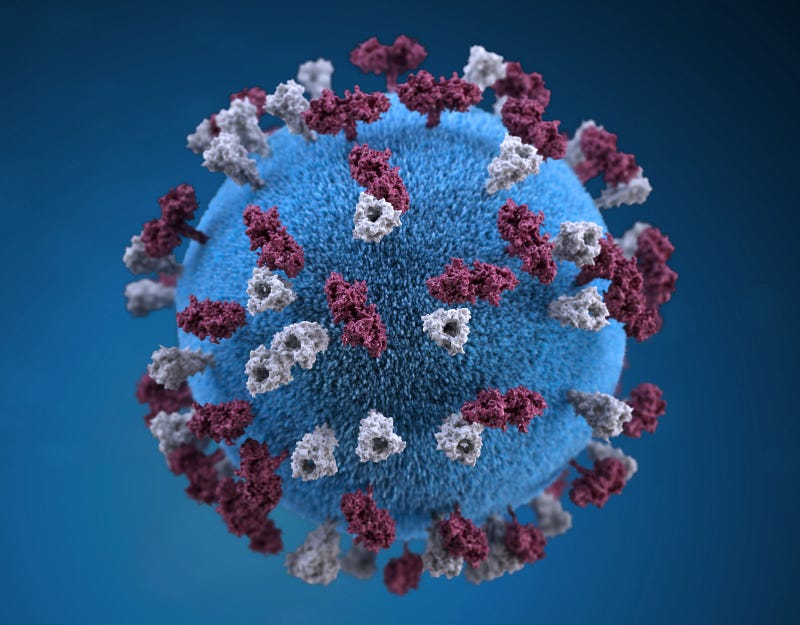
The SARS-CoV-2 (COVID-19) pandemic has had a big impact on the world. At the time of writing, there have been 281 million cases and more than 5 million deaths reported globally.
These numbers demonstrate the necessity to develop new and effective ways to control and treat the virus. Currently, there are no evidence-based treatments for mild infections.
Baek and colleagues already investigated the duration of COVID-19 virus shedding in infected patients. They demonstrated that the virus was no longer viable after 15 days post-onset of symptoms, even in patients demonstrating prolonged viral clearance.
The aim of the recently published study in The Journal of Infection was to measure whether nitric oxide nasal spray (NONS) further accelerates this reduction in SARS-CoV-2 RNA load versus controls with a saline spray.
Study
Nitric oxide (NO) is a free radical gas molecule involved in innate immunity, as well as wound healing, vasodilation, neurotransmission, and angiogenesis. Although produced physiologically, NO has been shown to exhibit several antimicrobial actions at therapeutic dosage regimens both in vitro and in vivo.
“This double-blind phase IIb clinical trial used a placebo control to evaluate the efficacy of nitric oxide in the treatment of mild, symptomatic COVID-19 infection in the form of a self-administered nasal spray.”
For this study:
- 80 adults with mild COVID-19 infection were recruited (confirmed by laboratory SARS-CoV-2 RT-PCR nasal and throat swab)
- Participants were randomised 1:1 to receive NONS (n=40) placebo (n=40)
- The nasal sprays were self-administered 5–6 times daily (two sprays per nostril/dose, 120–140 µL of solution/spray) for 9 days
- Treatment with NONS or placebo commenced on day 1
- Participants took self-sampled nasal and throat swabs on days 1, 2, 4, and 6 in the mornings, before treatment.
- Daily self-reporting questionnaires on symptoms, compliance, and treatment tolerance were completed by patients, and follow-up continues for a total of 18 days.
Results
Patients in both trial groups started on NONS or placebo at least 4 days after the onset of symptoms and were well balanced in terms of risk factors.
The results of this study are:
- 34 (85%) of the NONS group and the placebo group were determined to be lineage B.1.1.7 (Alpha variant)
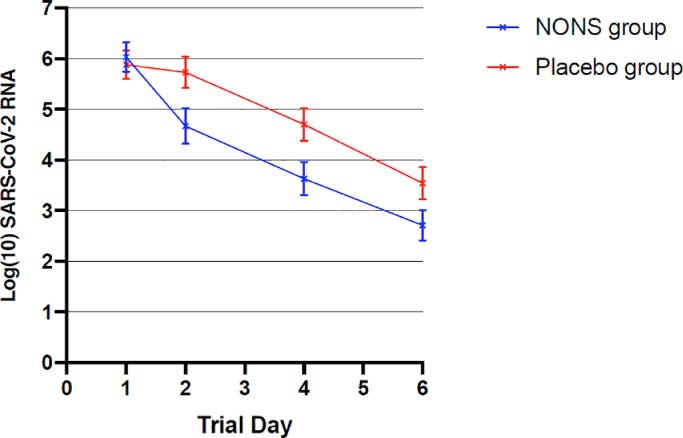
- Rapid reduction (95%) in the SARS-CoV-2 viral load was observed within 24 hours with NONS treatments
- With a 99% reduction observed within 72 hours with NONS treatments
- 40 subjects (15 NONS and 25 placebo subjects) completed and returned the trial assessment questionnaire
- 46.7% (7 of 15) of NONS respondents reported feeling better versus 8% (2 of 25) of placebo respondents on treatment
- NONS subjects reported being better by day 2–4 on treatment, whereas the placebo subjects typically did not report feeling better until after day 5.
Conclusion
Patients with recent disease onset were enrolled in the trial to evaluate the effect of early intervention with NONS on SARS-CoV-2 RNA load. NONS treatment in this trial was found to be safe and effective in reducing the viral load in patients with mild, symptomatic COVID-19 infection.
The authors stated:
“Patients in the NONS treatment arm demonstrated viral loads, as determined from PCR testing of nose and throat swab sampling, that were lower at days 2 and 4 by a factor of 16.2 than those on placebo, and symptom resolution was also found to be faster on NONS treatment than on placebo in this study. Lower SARS-CoV-2 RNA loads in patients with NONS may be beneficial in the prevention of SARS-CoV-2 transmission.”
The literature described that in patients with SARS-CoV-2 higher viral loads may have contributed to greater difficulties in reducing the onward transmission. Moreover, it has been observed that the risk of symptomatic COVID-19 was associated with the SARS-CoV-2 RNA levels of contacts. The incubation was shortened in a dose-dependent manner.
“Accelerated SARS-CoV-2 clearance with NONS may reduce symptom duration, decrease infectivity period, reduce hospital admissions, and lower disease severity.”
The Phase 3 clinical study is now underway. This study evaluates nitric oxide nasal spray (NONS) efficacy to treat and prevent the exacerbation of infection in individuals with documented asymptomatic or mild COVID-19
Thank you for your interest in science! Feel free to put questions, comments, and suggestions for future articles in the comment section.
If you want to support:
- If you are not a Medium member yet, you can my referral link so I can get a part of your fees from Medium, you don’t pay any extra.
- Subscribe to my Newsletter to get best tutorials, research, education, and scientific-based tools for everyday life directly in your email inbox.
While you’re here, check out one of my other articles.