
The First Omicron Science
Omicron replicates much faster in human bronchial passages than lung tissue, suggesting a lower severity of the disease.
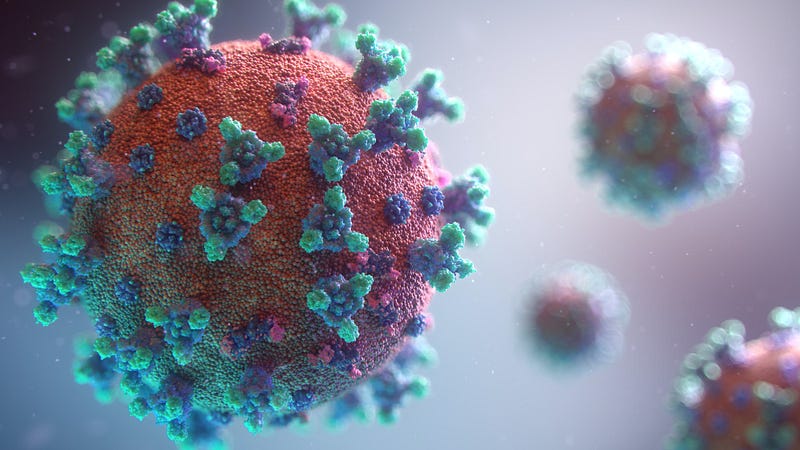
The first information on how Omicron SARS-CoV-2 infects the human respiratory tract comes from Hongkong.
A study led by researchers from the LKS Faculty of Medicine at The University of Hong Kong (HKUMed) revealed that the Omicron variant can infect faster and better than Delta in the human bronchus.
This research is currently under peer review for publication.
The findings of this study are:
- Omicron SARS-CoV-2 infects and multiplies 70 times faster than the Delta variant and original SARS-CoV-2 in the human bronchus.
- Omicron infection in the lung is significantly lower than the original SARS-CoV-2.
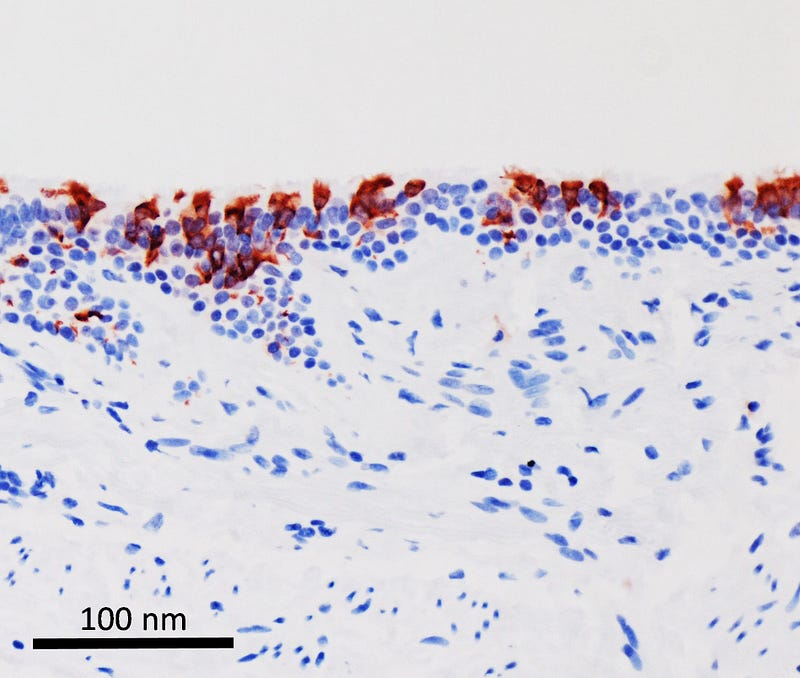
Research findings
Dr. Michael Chan Chi-wai, Hong Kong Science and Technology Park (HKSTP), and Professor John Nicholls, HKUMed, have pioneered the use of ex vivo — living tissues are directly taken from a living body — cultures of the respiratory tract for investigating many emerging virus infections since 2007.
This method uses lung tissue removed for treatment of the lung. Dr. Chan and colleagues successfully isolated the Omicron SARS-CoV-2 and used this experiment to compare infection with the original and Delta variants 24 hours after infection.
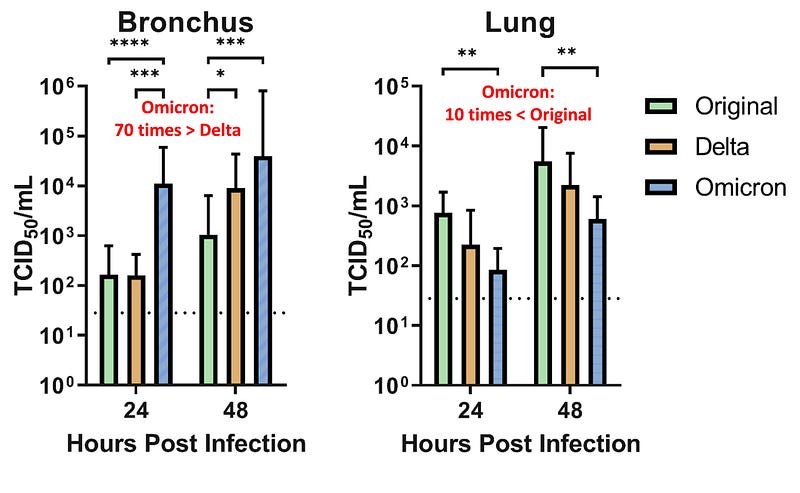
The researcher found that the Omicron variant replicated around 70 times higher than the Delta variant and the original SARS-CoV-2 virus in the human bronchus.
The researchers suggest that this may explain why Omicron may transmit faster between humans than previous variants. Massive numbers of viral particles will be generated in the bronchial passages, therefore, massive numbers of viruses will breathe out quickly.
In contrast, the Omicron variant replicated less efficiently (more than 10 times lower) in the human lung tissue than the original SARS-CoV-2 virus. This may suggest a lower severity of the disease.
The small airways in the lungs called alveoli’s — where gas exchange takes place, i.e. oxygen from alveoli into the bloodstream and carbon dioxide from the bloodstream into the alveoli — were filling up with fluids in patients with earlier COVID-19 variants.
So basically, these patients were drowning due to the alveoli filling up with fluids. This is also called lung consolidation, essentially a form of pneumonia.
Rather than the virus replicating in the alveoli — as we have seen with other variants — Omicron replicates in the bronchial passages causing effects seen in bronchitis.
Dr. Chan said:
“It is important to note that the severity of disease in humans is not determined only by virus replication but also by the host immune response to the infection, which may lead to dysregulation of the innate immune system, i.e. “cytokine storm.”
and…
“It is also noted that, by infecting many more people, a very infectious virus may cause more severe disease and death even though the virus itself may be less pathogenic. Therefore, taken together with our recent studies showing that the Omicron variant can partially escape immunity from vaccines and past infection, the overall threat from Omicron variant is likely to be very significant.”
Conclusion
At the time of writing this article, Omicron is already widespread around the globe and probably will be the dominant variant in most countries in the coming weeks.
This study from Hongkong revealed for the first time evidence regarding the increased transmissibility of the Omicron variant. Additionally, the study showed that Omicron replicates less efficiently in the lunge tissue suggesting a lower severity of the disease.
Future studies are needed to confirm the first scientific evidence regarding the new Omicron variant.
Thank you for your interest in science! Feel free to put questions, comments, and suggestions for future articles in the comment section.
If you want to support:
- If you are not a Medium member yet, you can my referral link so I can get a part of your fees from Medium, you don’t pay any extra.
- Subscribe to my Newsletter to get best tutorials, research, education, and scientific-based tools for everyday life directly in your email inbox.
While you’re here, check out one of my other articles.