
Health | Science | Cannabis
New Marijuana Research Identifies Health Risks in Youths and Young Adults
Marijuana use linked to early heart disease in young adults and to increased rates of self-harm and mortality in youths with mood disorders.
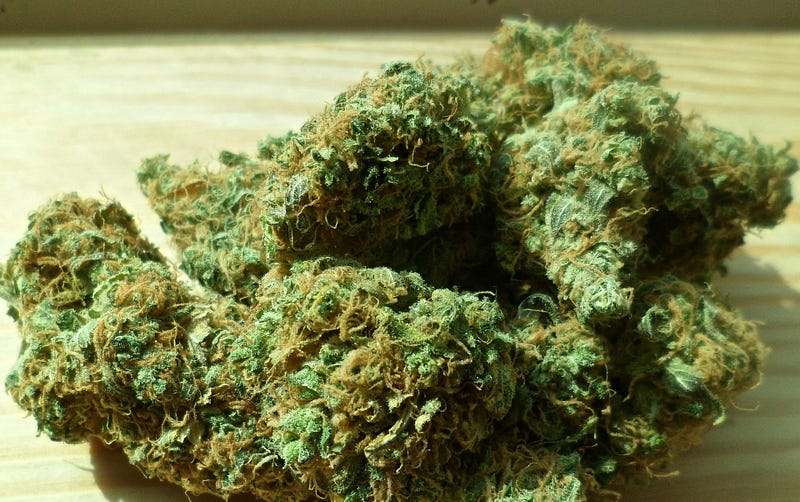
According to the US Drug Enforcement Administration (DEA), seizures of cannabis along the southern border of the US have decreased by more than 80% since 2013. “[W]hen given the option, consumers choose their cannabis to be grown in America. States’ decisions to legally regulate cannabis has … significantly disrupted the illicit cannabis trade in Mexico,” said Justin Strekal, political director at the National Organization for the Reform of Marijuana Laws (NORML).
The US Senate Caucus on International Narcotics Control also reports that 91% of Americans believe that cannabis should be legalized for either medical or recreational purposes. The Caucus’ report further emphasizes the need for more research on the effects of cannabis use, particularly with respect to impaired driving, increased potency of cannabis and cannabis products, use in children, and use in pregnant or breastfeeding women.
It is against this background that two recent research articles describe newly identified health risks of marijuana use in youths and young adults.
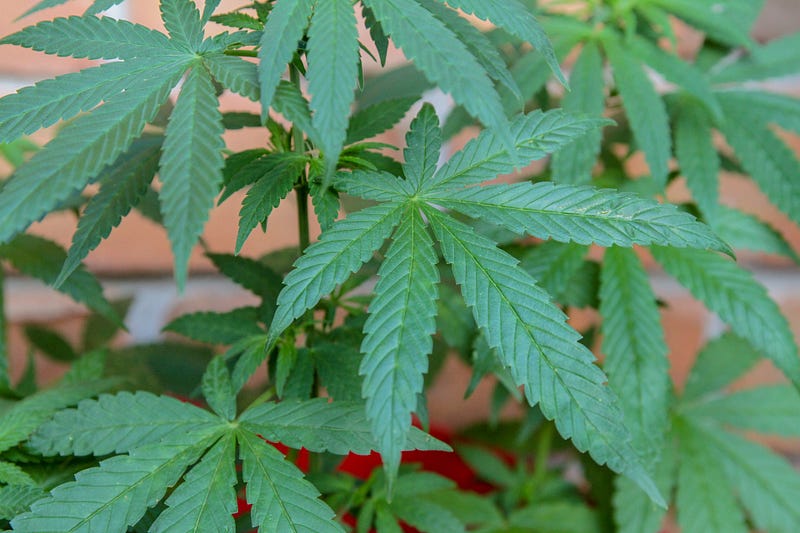
Cannabis Use in Young Adults Linked to Early Cardiovascular Disease
In the February issue of the journal Heart, a team led by researchers at Baylor College of Medicine reported that recreational use of cannabis by young adults was associated with a higher likelihood of premature and extremely premature atherosclerotic cardiovascular diseases (ASCVD).
The researchers analyzed nationwide data of over a million people who received services throughout the Veterans Administration (VA) Healthcare System. They categorized patients as having premature, extremely premature, or non-premature ASCVD. Premature ASCVD was defined as having a first ASCVD event before the age of 55 for men and before the age of 65 for women. Extremely premature ASCVD was defined in both sexes as having the first event before the age of 40. Non-premature ASCVD was defined as having a first ASCVD event on or after the age of 55 in men and 65 in women.
A higher likelihood of both premature and extremely premature ASCVD was independently associated with the recreational use of each of the following substances: tobacco, alcohol, cocaine, amphetamine, and cannabis. Patients who used more than one of those substances had even higher risks of premature ASCVD, with an almost 9-fold increase in risk among those who used four or more recreational substances.
ASCVD risk also differed by sex, with women showing a stronger effect size for substance abuse and premature ASCVD than men.
In an accompanying editorial, Anthony Wayne Orr, Ph.D., professor and director of the Center for Cardiovascular Diseases and Sciences at LSU Health Shreveport, and colleagues wrote, “[C]linicians and primary care providers should begin screening their adult and young adult patients with a history of a substance use disorder for symptoms of premature or extremely premature ASCVDs at earlier stages in their patients’ lives.”
“Substance use disorders have been associated with an acceleration of the aging process,” added Orr and colleagues. “We are only young once, and we should do everything in our power to maintain that state as long as we can.”
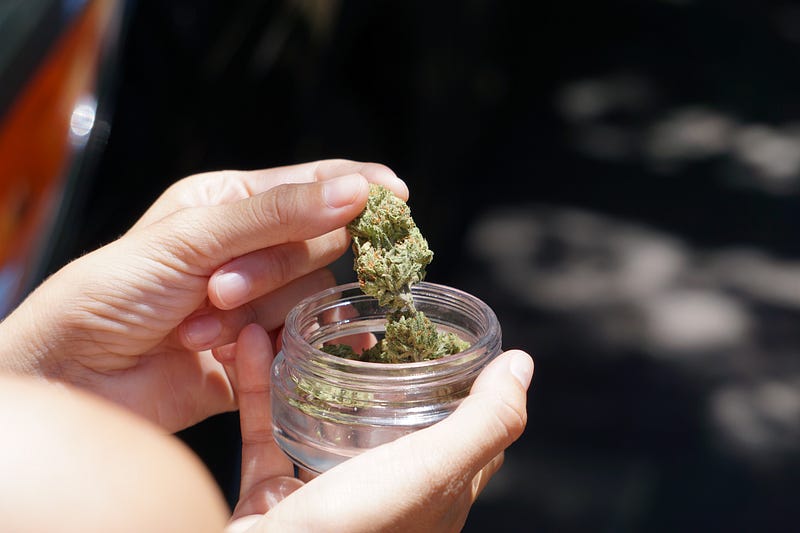
Cannabis Use Associated With Higher Risk of Self-Harm and Mortality In Youths With Mood Disorders
Researchers from The Ohio State University, Nationwide Children’s Hospital, and West Virginia University report in the January issue of JAMA Pediatrics that cannabis use disorder was significantly associated with non-fatal self-harm and all-cause mortality among youths with mood disorders, including death by unintentional overdose and homicide.
The study included 204,780 youths, aged 10 to 24 years, who were diagnosed with mood disorders. Physicians had diagnosed cannabis use disorder in more than 10% (21,040) of the youths, defined as the continued use of cannabis despite clinically significant impairment in psychological, physical, or social functioning. Researchers then measured the incidence of non-fatal self-harm, all-cause mortality, deaths by suicide, unintentional overdose, motor vehicle crashes, and homicide in these youths to assess associations with cannabis use disorder.
In addition to finding that cannabis use disorder among youths with mood disorders was significantly associated with self-harm and all-cause mortality, cannabis use disorder was significantly associated with older age, male sex, black race, bipolar or “other” mood disorders, prior history of self-harm, and previous mental health treatment, including psychiatric hospitalization and emergency department visits.
While youths with mood disorders may be more inclined to use cannabis than those without mood disorders, that cannabis use could also worsen their symptoms and interfere with the successful treatment of their mood disorders.
“Marijuana use and addiction is common among youth and young adults with mood disorders, but the association of this behavior with self-harm, suicide, and overall mortality risk is poorly understood in this already vulnerable population,” said lead author Cynthia Fontanella, Ph.D., associate professor in the Department of Psychiatry and Behavioral Health at Ohio State. “These findings should be considered as states contemplate legalizing medical and recreational marijuana, both of which are associated with increased cannabis use disorder.”
Interestingly, a separate research study published March 18 in JAMA Network Open by an unrelated research team reported increased rates of self-harm among males younger than 40 years of age in states that had legalized recreational cannabis dispensaries compared to states without cannabis legalization laws. No association with self-harm was found for other age and sex groups or with the legalization of cannabis for medical use.
More like this:


