
Cannabis | Health | Science
And Now for Some Bad News About Marijuana: Addiction and Health Risks
Two new research studies report evidence of toxic chemicals in marijuana smokers and withdrawal symptoms in most people using cannabis for pain relief.
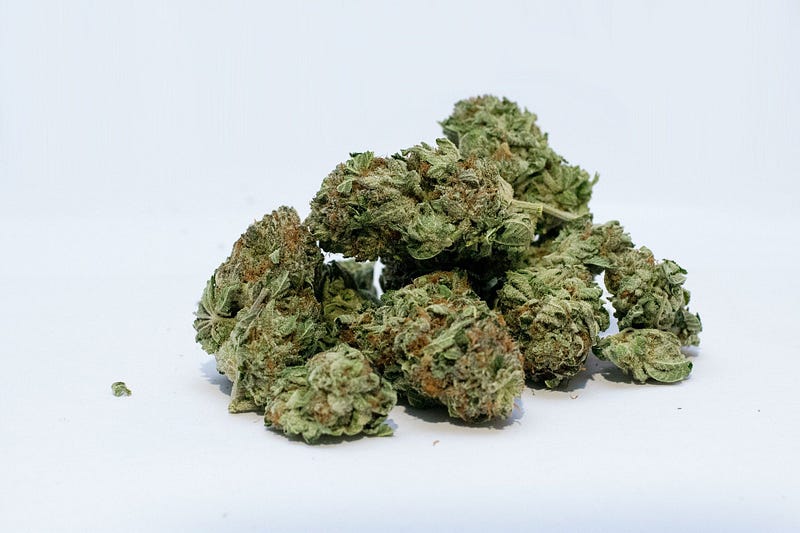
As President-elect Joe Biden prepares for his inauguration Wednesday, stakeholders in the US cannabis industry eagerly anticipate the increasingly likely prospect of federal legalization of cannabis.
House Democrats intend to re-introduce the MORE Act, which would federally legalize cannabis, and pass it relatively quickly. Newly appointed Senate Majority Leader Chuck Schumer has indicated the MORE Act will be a priority in the US Senate.
So things are looking up for US cannabis advocates and users. It is against this backdrop that two recent articles highlighting some of the negative health effects of marijuana come as buzz-kills on an otherwise good time.

Toxic Chemicals from Marijuana Smoke
A paper published January 11th in EClinicalMedicine reported that marijuana smokers were found to have several smoke-related toxic chemicals in their blood and urine such as naphthalene, acrylamide, and acrylonitrile metabolites.
On the plus side, the concentrations of these substances were lower in marijuana-only smokers than in tobacco smokers.
Researchers also found that acrolein metabolites were elevated in tobacco smokers but not in marijuana smokers and that this increase was associated with cardiovascular disease regardless of other risk factors.
For the study, researchers from the Dana-Farber Cancer Institute and the Centers for Disease Control collected data from three separate studies that involved 245 HIV-positive and HIV-negative participants. These data sets were chosen due to high rates of tobacco and marijuana smoking among individuals with HIV infection.
The investigators collected data from medical records and survey results and analyzed participants’ blood and urine samples for substances produced by the combustion of tobacco or marijuana or the breakdown of nicotine.
According to senior author Dana Gabuzda, MD, of Dana-Farber, “This is the first study to compare exposure to acrolein and other harmful smoke-related chemicals over time in exclusive marijuana smokers and tobacco smokers, and to see if those exposures are related to cardiovascular disease.”
Their findings suggest that high acrolein levels may be used to identify patients with increased cardiovascular risk, and that reducing acrolein exposure from tobacco smoking could be a strategy for reducing risk.
Withdrawal Symptoms in Medical Marijuana Users
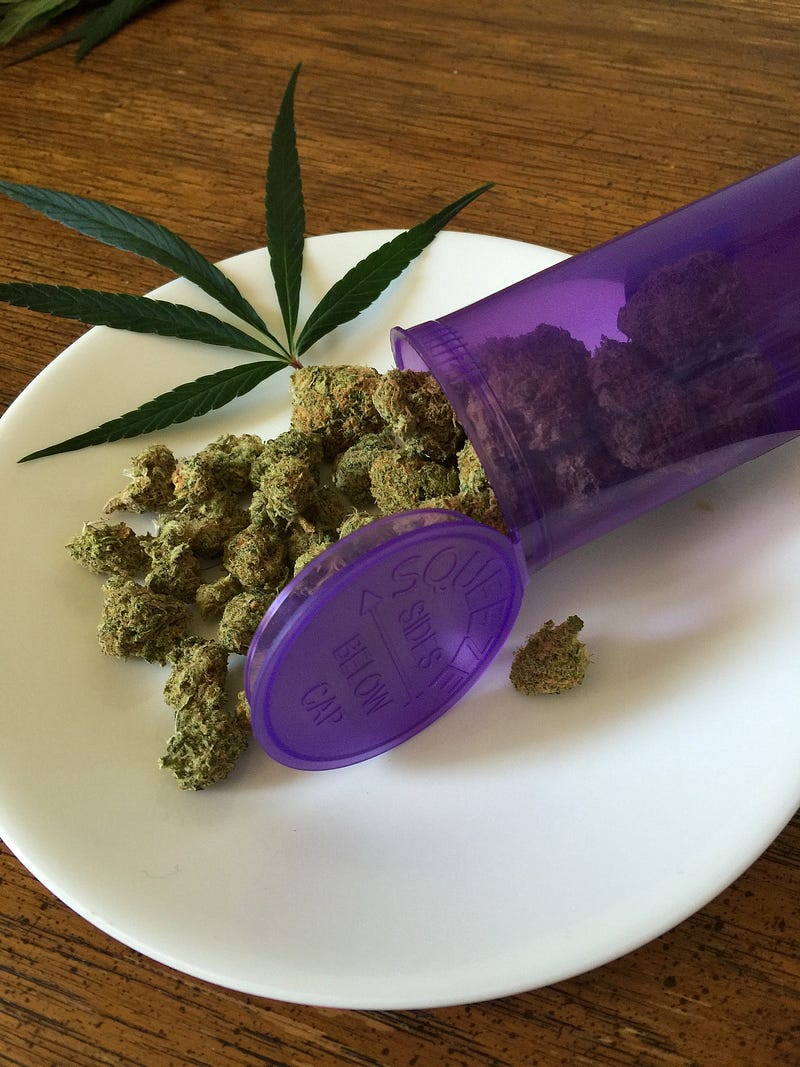
Another recent study, this one published January 5th in the journal Addiction reported that over half of individuals who use medical marijuana to ease pain also experience clusters of multiple withdrawal symptoms in between uses.
In addition to a general craving to use cannabis, withdrawal symptoms can include restlessness, depressed mood, aggression, irritability, anxiety, increased anger, shakiness, sleep difficulties, strange dreams, decreased appetite, nausea, sweating, headache, and stomach pain.
About 10% of the study participants experienced worsening changes to their mood, mental state, sleep, energy, and appetite over a two year period as they continued to use cannabis. These individuals tended to be younger than those who showed more stable withdrawal symptoms.
The presence of more than a few of these symptoms is classified as cannabis withdrawal syndrome, and indicates a higher risk of developing more serious issues such as a cannabis use disorder. Cannabis use disorder occurs when someone uses cannabis repeatedly in spite of major impacts on their life and ability to function.
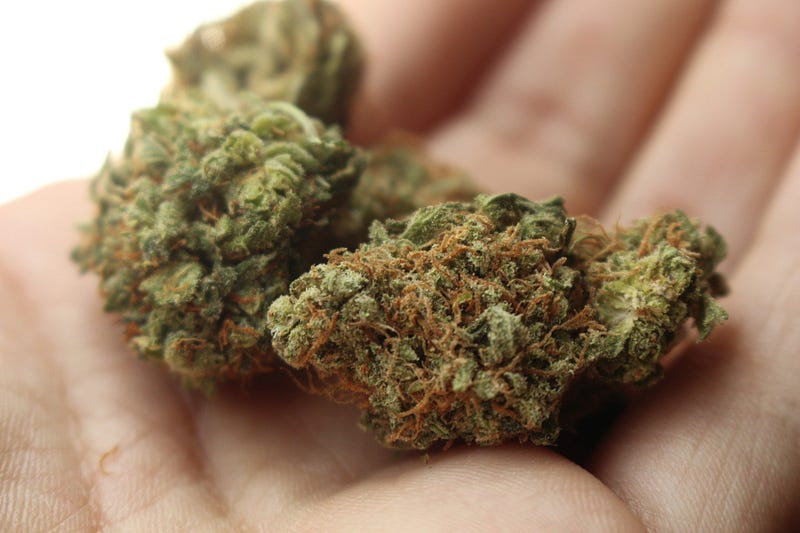
The study involved detailed surveys over two years from 527 Michigan residents participating in the state’s system to certify people with certain conditions for use of medical cannabis. All had non-cancer-related pain.
At baseline, 41% of the study participants were classified as having mild symptoms (one symptom), 34% had moderate symptoms (several symptoms), and 25% had severe symptoms (most or all of the listed symptoms).
The most common symptom across all three groups was sleep problems. Many in the mild symptom group also reported cravings for cannabis.
In the moderate symptom group, the most common withdrawal symptoms were cravings, sleep problems, restlessness, anxiety, irritability, depressed mood, and decreased appetite.
In the severe symptom group, individuals were much more likely to report all the listed symptoms except sweatiness. Almost all of these individuals reported anxiety, irritability, and sleep problems, and were also more likely to be frequent and longtime users of cannabis.
Those in the severe group were also more likely to be younger and to have worse mental health.
Proceed With Caution
According to lead author Lara Coughlin, Ph.D., assistant professor at the University of Michigan Addiction Center, the perception of cannabis as harmless is incorrect.
Many individuals using medical marijuana who experience withdrawal may not realize that their symptoms are not coming from their underlying condition, but instead is their body’s reaction to the absence of substances in the cannabis products they’re ingesting.
Because of this, individuals may even increase the amount or frequency of their cannabis use to try to treat their symptoms, leading to a cycle of increasing use and withdrawal.
Because there is no medically accepted standard for medical cannabis dosing for different conditions, patients are often confronted with a dizzying array of cannabis products that vary in strength and route of administration.
Some products may also be associated with specific withdrawal symptom profiles. In the study, people who vaped cannabis reported symptoms that generally did not improve over time, but instead tended to stay the same or get worse. In contrast, people who smoked cannabis tended to have more severe withdrawal symptoms than others.
Warning Signs
Feeling the urge to use cannabis after a period without use, such as soon after waking up, can be a sign of withdrawal syndrome. The inability to cut back without experiencing craving or other symptoms of withdrawal is also a warning sign.
Coughlin noted that individuals deciding to use medical marijuana should discuss the amount, route of administration, frequency, and type of cannabis product with their health provider.
She also noted that people should familiarize themselves with the symptoms of cannabis withdrawal so that they can talk to their health provider if they start to experience any of them.
For more of the latest cannabis-related research, see CBD Found to be Effective as a Broad Spectrum Antibiotic and CBD Doesn’t Counteract THC When It Comes to Driving.