avatarEd Ergenzinger, JD, PhD

Free AI web copilot to create summaries, insights and extended knowledge, download it at here

1726

Abstract

ffective against an extensive spectrum of Gram-positive bacteria, including Methicillin-resistant <i>Staphylococcus aureus</i> (MRSA)(responsible for difficult to treat skin infections), <i>Streptococcus pneumoniae </i>(which causes pneumonia and middle ear infections), and <i>Clostridioides difficile</i> (which causes diarrhea and colitis.)</p><figure id="d689"><img src="https://cdn-images-1.readmedium.com/v2/resize:fit:800/0*01w08kPOcjYjwOo-.jpg"><figcaption><i>Clostridioides difficile</i> bacteria. Image by <a href="https://phil.cdc.gov/Details.aspx?pid=23247">CDC/Jennifer Oosthuizen</a>.</figcaption></figure><p id="cca4">Particularly intriguing were the additional findings that CBD did not lead to resistance after repeated exposure and that synthetically created analogs of CBD were also active against the bacteria. This makes CBD and CBD variants an attractive new class of compounds to explore for antibiotic treatments.</p><p id="3ced"><a href="https://www.sciencedaily.com/releases/2021/01/210119102842.htm">According to</a> Associate Professor Mark Blaskovich of the UQ Institute for Molecular Bioscience:</p><blockquote id="3414"><p>This is particularly exciting because there have been no new molecular classes of antibiotics for Gram-negative infections discovered and approved since the 1960s, and we can now consider designing new analogs of CBD within improved properties.</p></blockquote><p id="4d3d">It is thought that CBD’s antibiotic effects may be mediated by attacking and disrupting bacterial outer cell membranes. “We think that cannabidiol kills bacteria by bursting their outer cell membranes, but we don’t know yet exactly how it does that and need to do further research,” <a href="https:/

Options

/www.sciencedaily.com/releases/2021/01/210119102842.htm">said Dr. Blaskovich</a>.</p><p id="5656">Further development of CBD as an antibiotic treatment requires additional research to address problems with systemic availability associated with different routes of administration.</p><figure id="ef71"><img src="https://cdn-images-1.readmedium.com/v2/resize:fit:800/0*BLT5T742Cv1fB8YE.jpg"><figcaption>Methicillin-resistant, <i>Staphylococcus aureus</i> (MRSA) bacteria. Image by <a href="https://phil.cdc.gov/Details.aspx?pid=23234">CDC/Meredith Newlove.</a></figcaption></figure><p id="63f7">In spite of these limitations, UQ’s collaboration with Botanix Pharmaceuticals has led to a clinical trial for a topical CBD formulation for the decolonization of MRSA before surgery. <a href="https://www.sciencedaily.com/releases/2021/01/210119102842.htm">According to</a> Vince Ippolito, President and Executive Chairman of Botanix:</p><blockquote id="2670"><p>Those Phase 2a clinical results are expected early this year and we hope that this will pave the way forward for treatments for gonorrhea, meningitis, and Legionnaires’ disease.</p></blockquote><p id="ad33">The US Food and Drug Administration (FDA) <a href="https://yourir.info/resources/3f148bb5dfccdf8f/announcements/bot.asx/6A976285/BOT_FDA_Grants_BTX_1801_QIDP_Designation_Status.pdf?embed=1">has recently granted</a> Botanix Qualified Infectious Disease Product (QIDP) status for its CBD topical formulation, BTX 1801. <a href="https://www.fda.gov/media/111091/download">To gain QIDP designation</a>, drug candidates must be intended to treat serious or life-threatening infections, in this case for <i>Staphylococcus aureus</i> and MRSA<i>.</i></p></article></body>

Cannabinoids | CBD | Health

CBD Found to be Effective as a Broad Spectrum Antibiotic

The cannabinoid has been shown to kill a wide range of bacteria, including those that cause gonorrhea, meningitis, and Legionnaires’ disease.
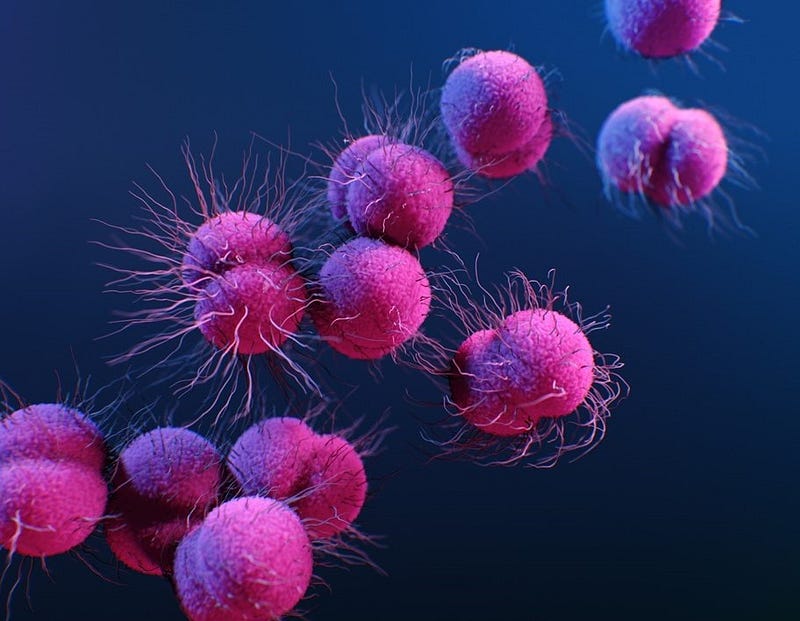
Drug-resistant, Neisseria gonorrhoeae bacteria. Image by CDC/Alissa Eckert.

In a paper published January 19th in Communications Biology, investigators from The University of Queensland and Botanix Pharmaceuticals report that cannabidiol (CBD) has been shown to penetrate and kill a wide range of bacteria, including some that are resistant to existing antibiotics.

CBD, the primary non-psychoactive cannabinoid in cannabis, was shown for the first time to kill some types of Gram-negative bacteria. These bacteria are harder for antibiotics to kill because they have an extra outer membrane that must be penetrated before an antibiotic can enter or break down the cell.

Notable types of gram-negative bacteria CBD was shown to be effective against were Neisseria gonorrhoeae, Neisseria meningitides, Moraxella catarrhalis, and Legionella pneumophila. These bacteria cause sexually transmitted gonorrhea, life-threatening meningitis, airway infections such as bronchitis and pneumonia, and Legionnaires’ disease, respectively.

The researchers also discovered that CBD was effective against an extensive spectrum of Gram-positive bacteria, including Methicillin-resistant Staphylococcus aureus (MRSA)(responsible for difficult to treat skin infections), Streptococcus pneumoniae (which causes pneumonia and middle ear infections), and Clostridioides difficile (which causes diarrhea and colitis.)

Clostridioides difficile bacteria. Image by CDC/Jennifer Oosthuizen.

Particularly intriguing were the additional findings that CBD did not lead to resistance after repeated exposure and that synthetically created analogs of CBD were also active against the bacteria. This makes CBD and CBD variants an attractive new class of compounds to explore for antibiotic treatments.

According to Associate Professor Mark Blaskovich of the UQ Institute for Molecular Bioscience:

This is particularly exciting because there have been no new molecular classes of antibiotics for Gram-negative infections discovered and approved since the 1960s, and we can now consider designing new analogs of CBD within improved properties.

It is thought that CBD’s antibiotic effects may be mediated by attacking and disrupting bacterial outer cell membranes. “We think that cannabidiol kills bacteria by bursting their outer cell membranes, but we don’t know yet exactly how it does that and need to do further research,” said Dr. Blaskovich.

Further development of CBD as an antibiotic treatment requires additional research to address problems with systemic availability associated with different routes of administration.
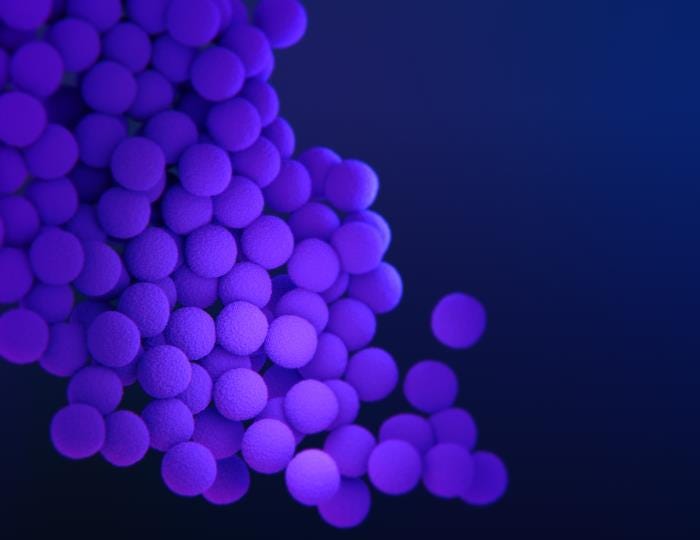
Methicillin-resistant, Staphylococcus aureus (MRSA) bacteria. Image by CDC/Meredith Newlove.

In spite of these limitations, UQ’s collaboration with Botanix Pharmaceuticals has led to a clinical trial for a topical CBD formulation for the decolonization of MRSA before surgery. According to Vince Ippolito, President and Executive Chairman of Botanix:

Those Phase 2a clinical results are expected early this year and we hope that this will pave the way forward for treatments for gonorrhea, meningitis, and Legionnaires’ disease.

The US Food and Drug Administration (FDA) has recently granted Botanix Qualified Infectious Disease Product (QIDP) status for its CBD topical formulation, BTX 1801. To gain QIDP designation, drug candidates must be intended to treat serious or life-threatening infections, in this case for Staphylococcus aureus and MRSA.

Cbd
Cannabis
Health
Medicine
Infectious Disease
Recommended from ReadMedium