avatarEd Ergenzinger, JD, PhD

Free AI web copilot to create summaries, insights and extended knowledge, download it at here

1506

Abstract

ch type of vaporized cannabis contained a different combination of CBD and THC.</p><p id="3147">The driving test consisted of two 100 kilometer (about 62 mile) drives: the first occurring about 40 to 100 minutes after vaping, and the second occurring about four to five hours after vaping. Because real-world testing conditions have been shown to be more sensitive for assessing drug effects than driving simulators, driving performance was assessed on a public highway in the Netherlands, with special permission from the local district attorney. A licensed driving instructor was also present in the passenger seat and was able to control the vehicle. The driving instructor terminated 8.5% of the test drives due to safety concerns.</p><p id="7918">Participants were instructed to drive in the middle of the right traffic lane, leaving about a meter of road surface on each side of the vehicle, and at a constant speed of 95 kph (about 59 mph) for about an hour. Lane weaving, swerving, and overcorrecting was assessed via a camera on the roof of the car.</p><figure id="7cfb"><img src="https://cdn-images-1.readmedium.com/v2/resize:fit:800/0*C0UiY36LyKxX2IOS"><figcaption>Photo by <a href="https://unsplash.com/@liampozz?utm_source=medium&amp;utm_medium=referral">Liam Pozz</a> on <a href="https://unsplash.com?utm_source=medium&amp;utm_medium=referral">Unsplash</a></figcaption></figure><p id="1470">The results provided the <a href="https://www.vice.com/en/article/pkda9b/cbd-doesnt-impair-driving-ab

Options

ility-according-to-landmark-study">first published evidence that CBD alone, when given without THC, did not affect participants’ ability to drive</a>.</p><p id="5de3">Not surprisingly, participants’ driving was impaired after they vaped THC alone. Impairment was observed only in the earlier drive, with much of the cannabis intoxication having worn off by four hours after vaping.</p><p id="792a">When participants vaped a combination of equal parts THC and CBD, driving impairment was observed that was similar to when they vaped THC alone. In other words, CBD did not counteract the effect of the THC on participants’ ability to drive.</p><p id="6258"><a href="https://jamanetwork.com/journals/jama/fullarticle/2773560?widget=personalizedcontent&amp;previousarticle=2773562">It is speculated</a> that CBD might mitigate the euphoria produced by THC but not impact deficits in performance, meaning that people don’t realize how high they actually are.</p><p id="cb40">The researchers plan to <a href="https://jamanetwork.com/journals/jama/fullarticle/2773560?widget=personalizedcontent&amp;previousarticle=2773562">follow-up their study</a> by looking at higher doses of CBD in order to test whether the 13.75 mg dose they used was too low to show an effect. In addition, because their participants were only occasional cannabis users, the researchers also plan to test whether different effects may be observed among more regular medicinal CBD users or recreational marijuana users.</p></article></body>

Cannabis | Cannabinoids | CBD

CBD Doesn’t Counteract THC When It Comes to Driving

New research also provides first published evidence that CBD alone does not impair driving.
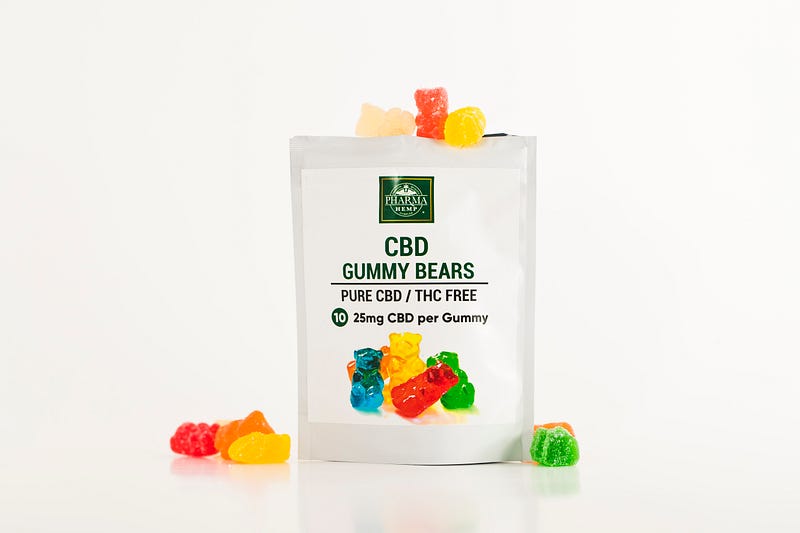
Photo by Pharma Hemp Complex on Unsplash

There is a widespread belief that cannabidiol (CBD), a compound derived from cannabis that has become wildly popular in recent years, counteracts the psychoactive effects of delta 9-tetrahydrocannabinol (THC), the compound primarily responsible for the “high” users experience when ingesting cannabis.

A recent Journal of the American Medical Association study examined this belief in the context of driving ability and found that CBD did not counteract impairment caused by THC.

Researchers had 26 healthy participants inhale four types of vaporized cannabis on four separate occasions before taking part in a driving test. Each type of vaporized cannabis contained a different combination of CBD and THC.

The driving test consisted of two 100 kilometer (about 62 mile) drives: the first occurring about 40 to 100 minutes after vaping, and the second occurring about four to five hours after vaping. Because real-world testing conditions have been shown to be more sensitive for assessing drug effects than driving simulators, driving performance was assessed on a public highway in the Netherlands, with special permission from the local district attorney. A licensed driving instructor was also present in the passenger seat and was able to control the vehicle. The driving instructor terminated 8.5% of the test drives due to safety concerns.

Participants were instructed to drive in the middle of the right traffic lane, leaving about a meter of road surface on each side of the vehicle, and at a constant speed of 95 kph (about 59 mph) for about an hour. Lane weaving, swerving, and overcorrecting was assessed via a camera on the roof of the car.
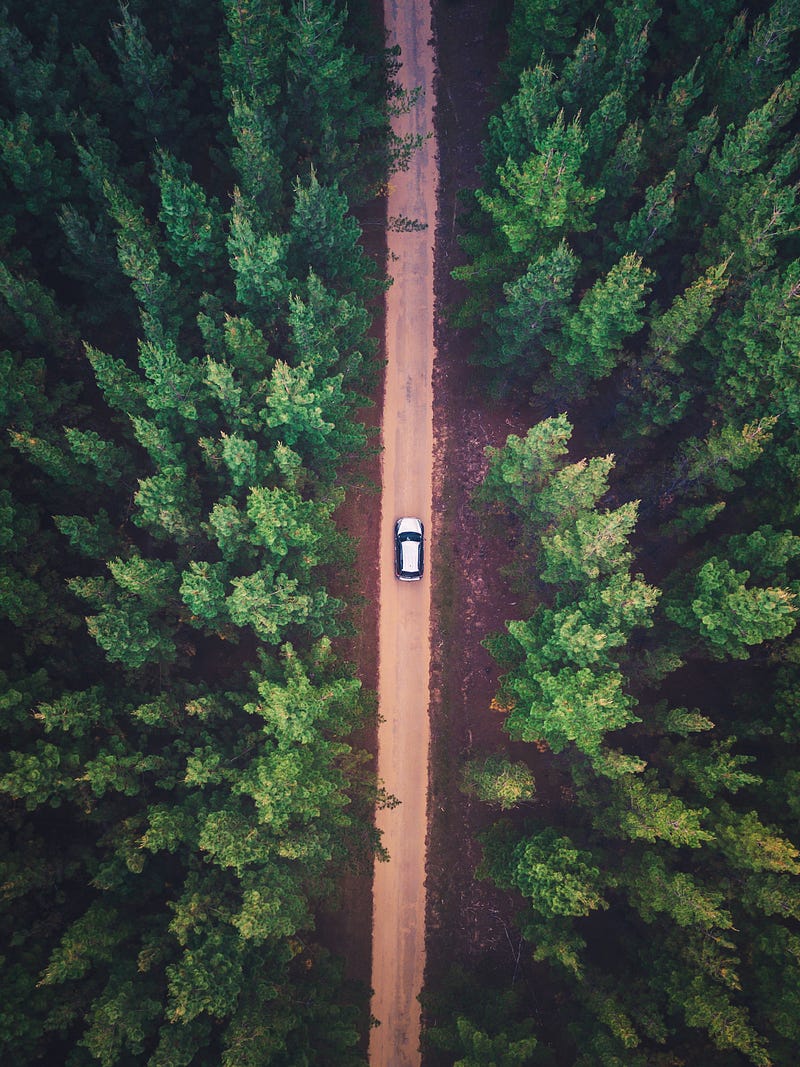
Photo by Liam Pozz on Unsplash

The results provided the first published evidence that CBD alone, when given without THC, did not affect participants’ ability to drive.

Not surprisingly, participants’ driving was impaired after they vaped THC alone. Impairment was observed only in the earlier drive, with much of the cannabis intoxication having worn off by four hours after vaping.

When participants vaped a combination of equal parts THC and CBD, driving impairment was observed that was similar to when they vaped THC alone. In other words, CBD did not counteract the effect of the THC on participants’ ability to drive.

It is speculated that CBD might mitigate the euphoria produced by THC but not impact deficits in performance, meaning that people don’t realize how high they actually are.

The researchers plan to follow-up their study by looking at higher doses of CBD in order to test whether the 13.75 mg dose they used was too low to show an effect. In addition, because their participants were only occasional cannabis users, the researchers also plan to test whether different effects may be observed among more regular medicinal CBD users or recreational marijuana users.

Cannabis
Cbd
Driving
Science
Marijuana
Recommended from ReadMedium