
The Power of Neuroscience
Neuromarketing: The Ultimate Guide to Mastery
How to Revolutionize Your Marketing Strategy and Boost Sales
Introduction
Neuromarketing subject combines two disciplines:
- Neuroscience
- Marketing
Neuroscience is the subject that teaches how our brain works wha, what decisions we make, and why. Understanding what makes your customers happy and sad is crucial to creating a great business.
Marketing answers the following questions:
- What do you want to sell?
- Who will buy it?
- How will they know about it?
If you want to learn more about marketing, check the article below.
So, what’s a Neuromarketing?
It’s a marketing that uses psychology and biology to improve the following things:
- brand
- product
- advertisement
- user experience
People are still determining what people want.
But it doesn’t mean that you can’t control their emotions. Many studies and research found that different colors, fonts, and words can trigger other emotions and desires in people.
You can control people’s desires and actions if you can control their emotions and thoughts.
Learn more about the example of colors you can read in the following article.
The Science Behind Neuromarketing
Brain Structure and Functions
The brain is a problematic organ that contains billions of neurons. Each part of the brain executes different roles.
- The frontal lobe: decision-making and problem-solving
- The limbic system: emotions and memory
- The prefrontal cortex: planning and thinking
Neurotransmitter dopamine builds a reward system that improves positive experiences, loyalty, and repeat purchases.
As you see, people can control all decisions and thinking processes. Understanding neural mechanisms can give you that knowledge.
Role of Neurotransmitters in Decision-Making
Neurotransmitters are chemical messengers of the brain.
Among them, we underline the next one:
- Dopamine
- Serotonin
- Melatonin
The first one is a reward-based neurotransmitter. Any action, achievement, and result may bring a bust of this chemical messenger.
Earlier, people hunted, built, and survived. Nowadays, we buy goods, watch TV series, play games, etc.
In both cases, this neurotransmitter pushes us to some actions.
But in the old days, these actions were for survival. And nowadays we feel better if we do the following things:
- Spend money
- Eat food
- Have entertainment
- Buy things
That’s why so many people eat candies and drink sweet water. It increases dopamine, and they feel great. Their brain thinks that they did something big.
The reward system is a crucial part of marketing. Tell people that they will solve their problem, make exactly that action that will increase their dopamine level, and they will give you money.
People are ready for things that will bring them good emotions.
Applying Neuroscience to Marketing

How the Brain Processes Information
The brain is a fantastic organ. It processes information, sending it through all required organs.
First of all, the information comes to us through sensor input:
- Eyes
- Ears
- Smell
- Skin
Then, information comes to the hippocampus, where it is stored. At the same time, the amygdala assigns emotions to this information.
Depending on previous experience, people may think differently about information.
Emotions and Purchasing Decisions
Before making a purchase, the customer goes through a complex process.
At this point, emotions play a crucial part. It happens because we will do it if we feel happy about the purchase.
Usually, people reason about purchases. We imagine what we will do with a new iPhone or feel after eating that tasty burger or croissant.
Strong brands already built this connection with their customers. We name it loyalty because every time the customer comes to the store, he will buy that company’s product with a higher probability.
Marketers understand it and try to build and improve these feelings and emotions.
Good Emotions
With good emotions, they use a reward system to show real benefits and competitive advantage of their product. They draw a future of their customers after buying this product.
A good picture of the customers’ emotions makes them feel good about purchases and makes paying for a particular product easy.
Bad Emotions
On the other hand, they can also use destructive emotions. For example, a fear marketers use when they do discounts or say that a particular product is limited.
These tools make customers afraid because they can miss this excellent opportunity to buy something that won’t be possible soon.
This tool is excellent and often works perfectly. It is better to use it sparingly because then customers will associate such brands with only destructive emotions.
It’s good to have a mixture of both good and bad emotions.
Key Principles of Neuromarketing

The Power of Storytelling
Any brand contains an exciting story that tells customers about their future and the outcome of their friendship with this brand.
Company Apple does this work the best among other companies.
When other companies talk about the technical benefits of their products, Apple tells about the benefits to the customer.
Good read on storytelling topics you can find below.
Any time when a new iPhone comes, the company makes an excellent presentation about what customers can get:
- Make photos as a professional
- You are a movie maker now
- Use your phone the whole day
- Don’t be afraid of water and falls
- Stay safe and keep your files organized
The word you is used more than other words in 10 times! Learn how to tell a story about the user before he purchases to show him a great future.
The primary purpose is to make a trust connection. If customers don’t trust you, then you will fail.
Make a good story that shows only the truth and makes other people believe you.
Besides trust, you need to make an emotional connection. Customers are people who feel something about your product.
Creating a lousy emotion is better than having people who don’t care about your product.
Apple is a great and successful company, but it has its haters. And it’s excellent! Haters create believers and loyal customers.
Make your story incredible, and that will show people their desires.
The Influence of Colors and Visuals
As I said before, we have many sensor inputs. But the main ones are our eyes.
What your customer sees is very important. But what do we usually see?
We see colors and fonts. Then we read things. But before thinking, brands attract our attention with visuals.
Using photos where people are happy with your product is one of the examples of how to catch someone’s attention. You need to understand what feeling you want to give to your customers and then make it visual.
I recently wrote an article about the psychology of colors and why it’s important to customers. Read this below.
Catch your customers’ attention with the right colors, images, and fonts to make them feel good about your product, and then you will have those interested in it.
Neuromarketing Tools and Techniques

Eye-Tracking Technology
Both fortunately and unfortunately, we have too many brands. In only one mall, many stores sell the same items: shoes, jackets, phones, etc.
People have choices, and they should make decisions:
- Where to go
- What to buy
With so many options, it can take time to get someone’s attention. That’s why strong brands use advertisement to be visible all the time to their customers even if they:
- Use their smartphones
- Drive the car
- Read articles
- Buy products
People who already heard about particular brands will trust them more.
Examples: Apple, Samsung, Google, etc.
These brands are well known; people talk about them, and usually, when people come to the store, they ask about a particular brand rather than about technical specifications.
That’s why it’s so important to bring people’s attention. It doesn’t matter if you use an online advertisement or a store sign; you must make it attractive.
Gaze Patterns
This part of the science aims to track people’s eyes and make them look at your advertisements or products.
- Attentional Hotspots: Find spots where people focus the most. It will help you find the best place to put your logo, messages, and call-to-action buttons.
- Path to Purchase: Learn the customer journey map and their behavior with your product. It will help you understand what stops them from purchasing and improve this process.
- Visual Hierarchy: The main message should be short and well-visible. Make it visible better, and then add other parts.
- Emotional Engagement: Define what words and visuals are giving the most emotions. Use these tools to provide customers with feelings about your products.
- Cross-Cultural Variances: Understand the differences in your target groups and use different approaches.
Optimizing Website and Ad Design
In the design world, we have three different types of workers:
- UI designer (User Interface)
- UX designer (User Experience)
- CX designer (Customer Experience)
Having all the in your company and their expertise in your product is essential.
Knowing all these patterns, we have to use them in our websites and applications.
The most crucial part is the advertisement. If you make it attractive and eye-catching and give your customers emotions, you get better conversion and more customers.
Neuromarketing in Digital Marketing

Website Optimization
Design is an integral part of developing any modern website. It's good to use all visuals and create attractive interfaces.

Above you can see an image of the wireframe for the design. It doesn’t contain any visuals, fonts and colours.
It shows the purpose of the screen and main content that users will see.
The main goal for you is to make a functional, clear and convenient product.
Conversion Rate Optimization (CRO)
Any digital product uses advertisement (free or paid), posts on social media, demo videos, etc.
Each of this part of content will have viewers and visitors.
At this point you need to understand the definitions of sales funnel. It contains next parts:
- Awareness
- Interest
- Decision
- Action
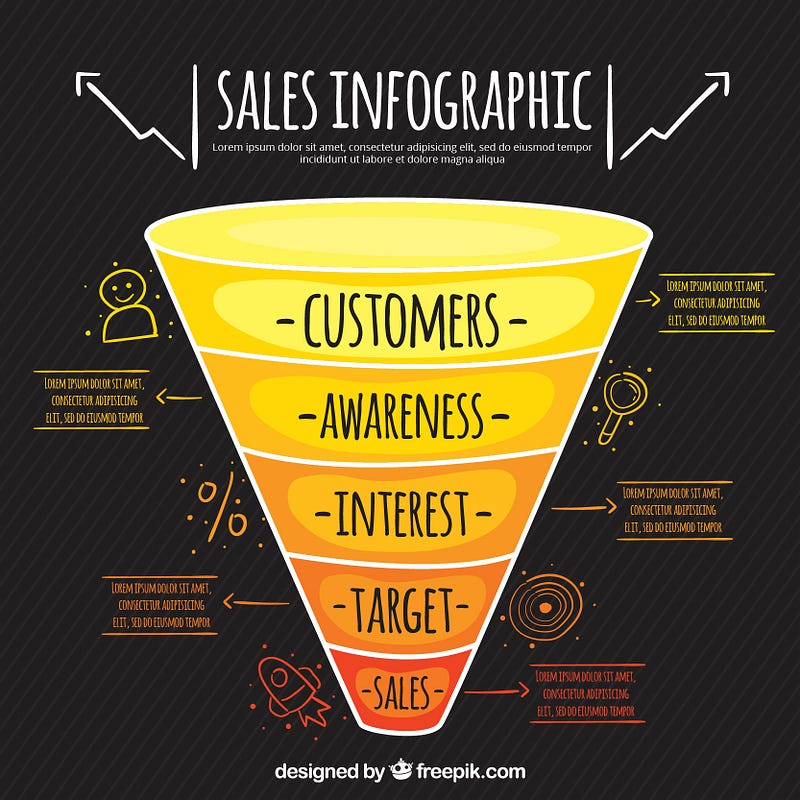
This means that at any point of your sales process you will lose some customers. For example, 100 people will see your advertisement, but only 30 will have an interest to know more about it.
What is the problem? Why not everyone is interested in it?
At any transition of this funnel you should make a good research and find ways to increase people who go becomes your customers and buy your products.
Usually marketers do next things to improve it:
- Find right target
- Write clear message
- Make attractive propositions
- Show real benefits
This is just an example. You can find more ways and methods to improve CRO value by watching marketing courses, reading books and working in this.
Social Media Strategies

Leveraging Emotional Triggers
Social media have too many advertisement, especially today. Attracting customers becomes more difficult.
Even with a clear message and amazing benefits for your customers you will have a big competition among all other businesses.
Why? Because all of them are hunting on the people’s attention.
That’s why if you have already clear message and other basic items you should start working on emotional part.
Anything you want to publish (post, story, picture) should resonate with some particular emotions. People should feel something and see your product as something special and unique among all other propositions.
Good read about is in the next book, and in the title of it.
Case Studies
Real life example are the best way to show the power of any tool, especially neuromarketing.
Here I will show two successful stories about well-known brands:
- Coca-Cola
- Nike
Coca-Cola’s Emotional Branding

Coca-cola is well build brand that associate in our brains with next things:
- Christmas
- Santa
- Red color
- Amazing taste
- Macdonald’s
You can add other associations if you want in the comments below. The main message is the next: this brand has it own identity, colors that gives exactly those emotions that people expect.
This company is well-known among both adults and children because all of them have particular emotions.
As just a drink, it brings not only taste, but tells a lot about what people think and feel about this product. Coca-cola is one of the most emotional giving brands in the human history.
Nike’s Emotional Branding
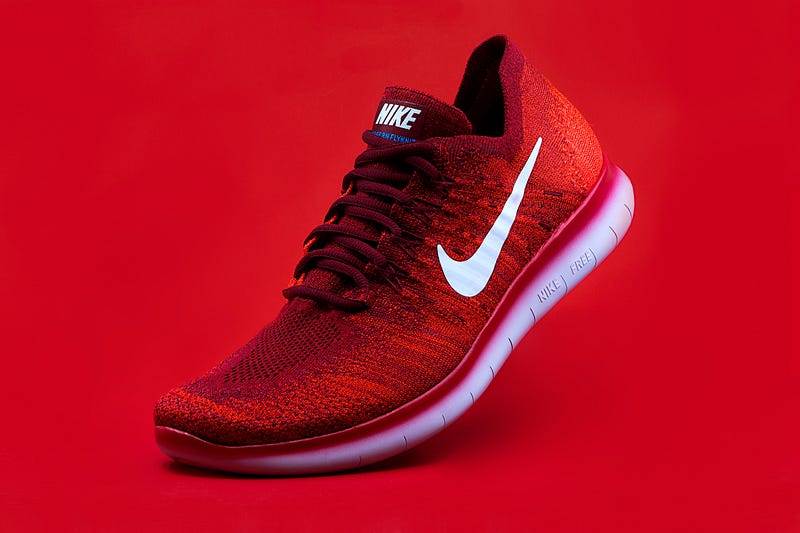
Nike is another great example, but with a little bit other tools.
Just Do It
Have you ever heard this sentence. If you didn’t know it’s made by nike, and it makes an association will people who are in action, result oriented and want bigger than they have.
It’s a motivation company that sell people the possible future where they do what they want and people really love it.
Many runners buy exactly Nike shoes because of this, because it’s well oriented on the people who are in the sport.
They have their mobile application, that also created for the runners, that makes them associate themself with this brand.
Future Trends in Neuromarketing

Integration with Artificial Intelligence
It’s not only in the future, but already in today life.
We all know tools like ChatGPT, Google Bard, etc. These tools already can give you suggestions about your content, advertisement, and messages.
With them you can create next things:
- Write texts
- Generate images
- Trigger right emotions
People spend days for solving these tasks, while AI tools may do it in seconds.
These tools can help you to make a plan, create a strategy and implement it. If you won’t like it or it won’t work, then AI will remake everything in just several seconds.
AI is really a powerful tool and getting knowledge and creating content with it is a real business for businesses in 2024.
Conclusion
As we have learnt in this article the neuromarketing is a very powerful tool anybody can use in their business to interact with customers starting with attraction and ending with a purchase.
Remember that the main goal is to create a good product, but to bring this message to the people you need to use such tools as marketing and neuromarketing.
These tools can help you to build a right identity and tell people a great story.


