
The Psychology of Color: How It Affects Our Emotions and Behavior
A Journey into Color Psychology and Its Profound Impact on Business, Health, and Personal Effectiveness.
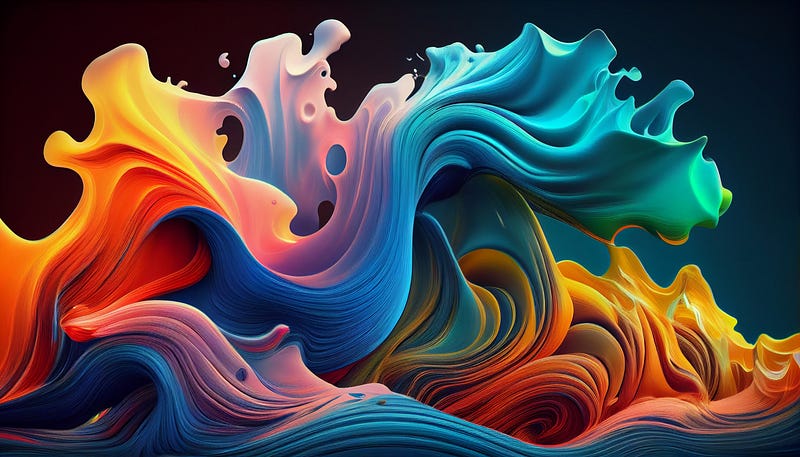
This article studies colors and how they affect our mood, behavior, desires, etc. It was interesting to me what the real magic hides behind the colors.
And initially, it didn’t sound exciting! What could be interesting in reading research and articles about colors? What could be even simpler than that?
But believe me or not, the color is the most challenging thing. However, at the same time, it’s a potent tool you can use to control other people and yourself.
Do you feel engaged? Then let’s go!
The History Behind Colours
In 1666 Isaac Newton, one of the most significant figures in the history of physics, discovered something interesting. He found that white light separates into all colors.
Also, he found that each color consists of a single wavelength. And each of them doesn’t have any other colors.
The most exciting thing about this is next. Later some researchers and experts made a few important discoveries. They found that the colors we see daily affect our moods, feelings, and behaviors. Numerous articles have included this topic and detailed scientific explanations.
Nowadays, we have some information about primary colors. We know simple rules about color usage. You know how to combine different colors in your wardrobe.
But we can learn about it much more exciting and complex than ever imagined.
The following research just blew my mind! And I hope they will do the same with yours!
Colors in The Marketing
Sales and marketing are the most important places where it has found the most extraordinary effect.
Money has a significant impact on the way the world operates. And money is produced by sales. So if companies have more deals, then they make more money. Many ways we have to improve this. And color usage is one of the most important.
They use brand colors. The psychology of colors that affect your mood. Even if you feel bad, they can fill you with joyful colors and sell them to you.
But how can they affect our mood? It’s a pretty good question. One image looks pretty simple but describes all colors and their effects.
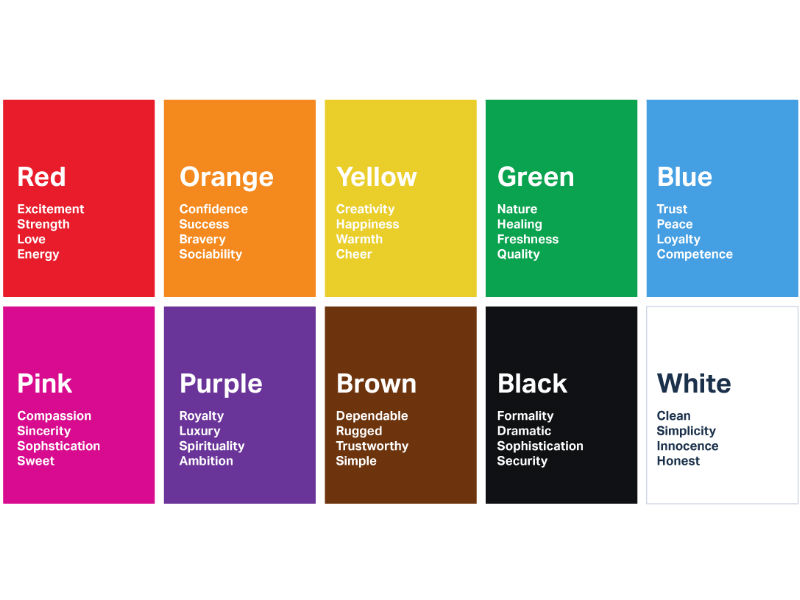
This image tells us about all colors and associations we have with them. They are common! It sounds weird.
But the simplest explanation is that we have cultures, religions, and other beliefs that use common understandings about these things.
That’s why this tool is vital in marketing. Because we can’t know everything about our customers, it’s easier when you can influence their mood with the colors.
To dive deeper into this topic, read the article below with examples and explanations.
Another exciting resource I found during research is how different companies use colors and why. As you can see in the image below, what colors does each company use for branding and why.
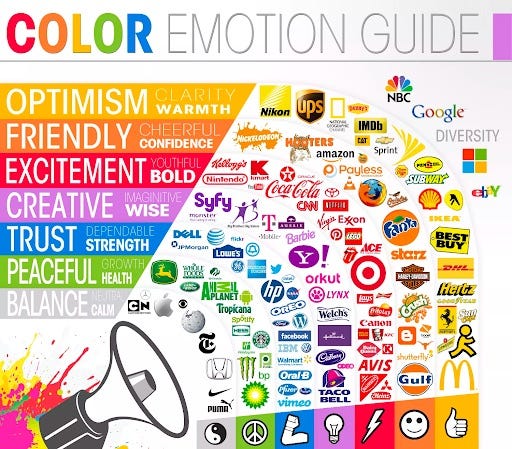
Here is a massive amount of different brands with their logos. And what I like about this picture is that it shows real examples and explanations of what mood these companies want to give their customers.
If you are creating a new brand logo, this image is a perfect guide for you to think about what colors you want to use and why.
Now let’s switch to human nature. Let’s talk about how it affects us in real life.
Colors in The Human Nature
Often we notice that different colors evoke a considerable variety of emotions and feelings. For example, we can feel sad, happy, tired, scared, full of energy, etc.
And all these feelings can come by just the interaction of our eyes with some particular color. It sounds very unbelievable!
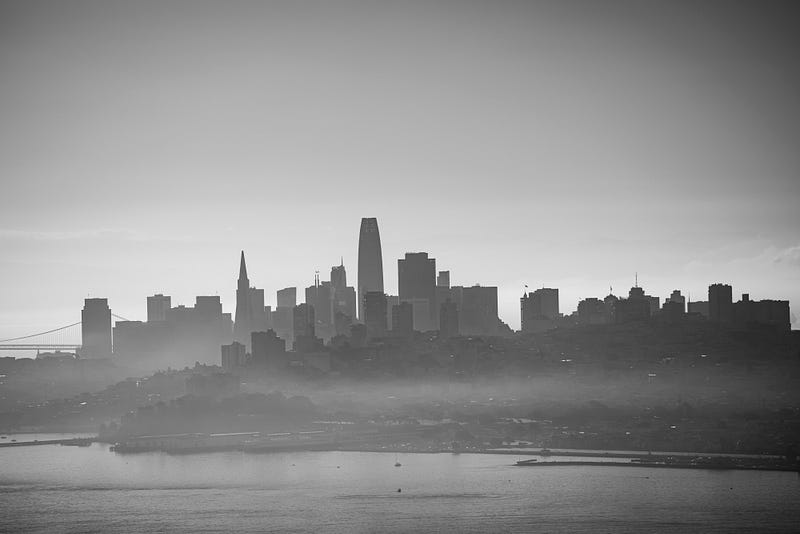
So let’s do a quick small experiment. You need to look only at two pictures and define what feelings you get during this process. Give at least 10 seconds for each of them.
Picture #1
Picture #2
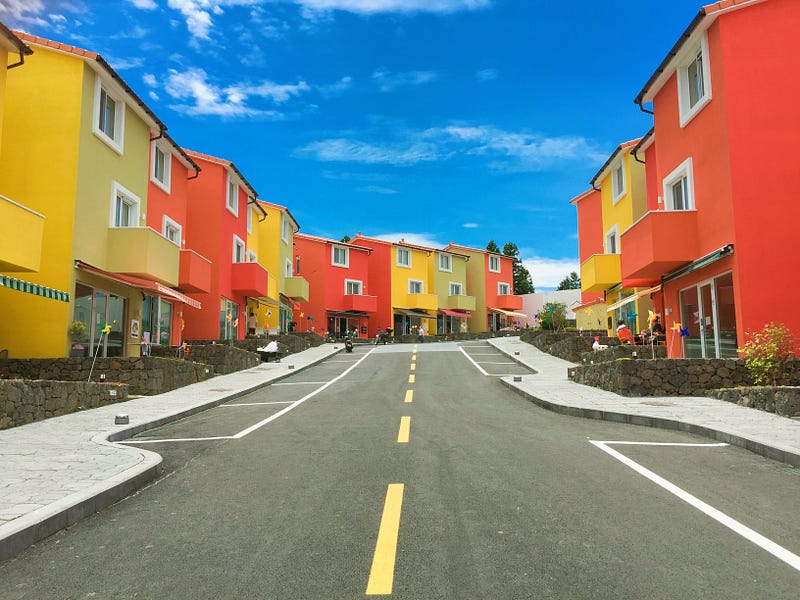
Do you feel the difference? I mean the difference in your feelings about two of these pictures. They use a different color palette.
What happens next is located inside your head. You start to think about different things that produce particular feelings. If you break down the whole process, everything looks simple and logical.
But it’s like a switch that changes your inner state and the whole thinking process. At the same time, attractive!
And now imagine if the companies like Google, Apple, and Microsoft can use it! You will buy everything if you need to learn about these tricks. Even the Medium uses it. But here is another story. CC Tony Stubblebine
Watch a video that explores how colors can impact your emotions and decision-making. It’s truly captivating!
Also, we must talk about each particular color. We know and use the most common colors that we can count with our hands. It can be ten or more.
If we learn to combine them correctly, we’ll find a way to use them. You can sell your product by setting up a suitable theme for your website.
You will feel less often because you will use suitable wallpapers and colors in your room. Even people will look at and think about you differently because you have started using other colors in your wardrobe.
Colours Meanings
A more detailed guide about colors follows. We need to take a deeper look at each color and understand what feelings they give and what associations people have about them.
Let’s explore research and its results that tell us what people think and feel about specific colors.
Different meanings that are associated with colors
- Red: passion, excitement, love
- Pink: soft, reserved, earthy
- Purple: mysterious, noble, glamorous
- Blue: wisdom, hope, reason, peace
- Green: nature, growth, freshness
- Yellow: hope, joy, danger
- Orange: warmth, kindness, joy
- White: truth, indifference
- Black: noble, mysterious, cold
People associations with colors
- Black: 51% of participants linked the color black with feelings of sadness.
- White: 43% of participants associate the color white with a sense of relief.
- Red: 68% of participants associate the color red with love.
- Blue: 35% of participants associate the color blue with feelings of relief.
- Green: 39% of participants associate the color green with feelings of contentment.
- Yellow: 52% of participants associate the color yellow with feelings of joy.
- Purple: 25% of participants reported that they associate the color purple with feelings of pleasure.
- Brown: 36% of the participants related the color brown with feelings of disgust.
- Orange: 44% of participants the color orange with feelings of joy.
- Pink: 50% of participants associated the color pink with feelings of love.
Using Colorology to Treat Patients
- Red is known for stimulating both the body and mind and improving circulation.
- Yellow is believed to have a stimulating effect on the nerves and has purifying properties for the body.
- Orange is considered to have healing properties for the lungs and can also boost energy levels.
- Blue has a calming effect and can help alleviate pain and illnesses.
- Indigo shades can help relieve skin issues.
The Impact of Colors on People Can Be Surprising and Varied.
- White pills typically relieve pain, while red drugs have more stimulating effects.
- According to researchers, red can prompt people to react more quickly and forcefully, which could prove beneficial during athletic activities.
- Players who wear black uniforms are more prone to receiving penalties during competitive sporting events.
Color and Consumer Purchases
- White: Many people associate the color white with freshness and cleanliness. It is commonly used in design to create a sense of youthfulness and modernity.
- Black: Black is often associated with power, which could be why it is a popular choice for luxury vehicles. Many people also view black as sexy, powerful, and mysterious.
- Silver is the third most popular vehicle color, often associated with innovation and modernity. High-tech products frequently come in silver, which might be a new, modern, and cutting-edge color.
- Red: Choosing a red car may suggest a desire to convey a sense of strength, energy, and self-assurance, given that red is a striking and attention-grabbing hue.
- Blue: People commonly associate blue with stability and safety. Driving a blue car or SUV could be perceived as a sign of dependability and trustworthiness.
- Yellow: Experts suggest that driving a yellow vehicle could indicate that a person is generally happy and potentially more willing to take risks than others.
- Gray: According to experts, individuals driving gray cars prefer a more understated appearance than drawing attention to themselves.
Human Feelings for Particular Colours
Warm colors. Red, Orange, and Yellow
Warm colors include red, orange, and yellow. They evoke feelings of happiness, optimism, energy, and passion. Yellow color might lift your mood, while red roses might get you in the air.
Cool colors. Green, Blue, and Purple
Green, blue, and purple are cool colors. They look calming, soothing, nurturing, subdued, or even sad. They’re often popular with brands promoting health, beauty, or security.
Happy colors. Yellow, Orange, Pink, Red, Peach, Light pink, and Lilac
Happy colors are bright, warm shades. More colorful and lighter colors can evoke feelings of happiness and optimism. Combining lots of colors can feel joyful and exuberant.
Sad colors. Grey, Brown, Beige, and Dark Blue
Sad colors are usually dark, muted, and neutral, such as gray, brown, beige, and certain shades of blue and green.
Calming colors. Blue, Green, Baby Blue, Lilac, Mint, White, and Grey
Colors like blue and green, lilac and mint, and neutral tones like white and grey can calm you. Pared-back designs that use fewer colors tend to be more calming.
Energizing colors. Bright Red, Yellow, Neon Green, Turquoise, Magenta, and Emerald Green
Intense, bright, highly pigmented, and neon colors can have an energizing effect on our emotions. They’re bold and stand out from their surroundings, which is why they can make us feel that way too.
You can read more about how different colors can impact our emotions and behavior in the following article.
Human Associations of Particular Colours
Red. Passionate, Energetic, Angry, Dangerous and Lucky
Red makes you feel vibrant and energized. It’s often associated with passion and love. Also, it’s associated with anger and danger. In Asian cultures, red fill you with joy and good luck.
Orange. Energetic, Enthusiastic, Lively, and Happy
Orange is an energetic attention-grabber. It’s red but is less overpowering. It’s inviting and cheerful and a popular option for brands asking their audience to take action. These actions can sound like “buy this product!” or “sign up for this newsletter!”. But better to be careful with this tool and use it only in a fun, friendly way.
Yellow. Happy, Spontaneous, Cheerful, and Optimistic
Yellow is reminiscent of sunshine and smiley faces and is often used to make people feel positive. It’s striking and joyful. Think twice about using too much yellow in your design because it reflects a lot of light and can be hard on the eyes.
Green. Fresh, Balanced, and Calm
Green is an optimistic, refreshed, and relaxed color because of its association with nature. Green is easy on the eyes. Also, we can use it to create balance in a design. It’s a great color for brands that want to depict growth, security, or inspire possibility.
Blue. Secure, Relaxed, Spiritual, Calm, and Cold
It evokes feelings of calm and trustworthiness. It’s a favorite with big corporations like Facebook, Twitter, and LinkedIn. Dark blue is popular with corporations because it feels professional and safe. Light blues are considered more relaxing and friendly.
Purple. Creative, Mysterious, Royal, and Luxurious
Purple gives associations with mystery, creativity, royalty, and wealth. Health and beauty brands favor lighter shades of purple for their calming effects.
Brown. Warm, Grounded, Practical, and Comforted
Brown gives a sense of comfort, stability, and support. It gives you warm and friendly feelings. Also, it’s associated with being practical and dependable. It can also represent the old-fashioned, vintage, or well-established.
Black. Sophisticated, Classic, and Serious
Black evokes power, luxury, and elegance. It can also represent professionalism, neutrality, and simplicity. It can feel bold, powerful, and mysterious. In some cultures and situations, black gives us feelings of mourning or sadness feelings.
White. Simple, Peaceful, Elegant, and Cold
Incorporating a significant amount of white in design results in a minimalist aesthetic. It’s fresh and comforting in its simplicity. In many cultures, white refers to innocence or peacefulness. Too much white can feel cold, impersonal, and overly sanitized. It is customary in Eastern cultures to wear white clothing during funerals.
Gray. Serious, Professional, and Reliable
Gray can be a mature, responsible, or neutral color. Also, we can use it as a lighter, less formal alternative to black. On the other hand, it gives indecisive, conventional, and boring effects.
The following article provides more information about color psychology and its impact on human behavior.


