
Fascinating Truth About Nudist Culture Of Germany
Why Germans loved getting naked in public since 19th century?
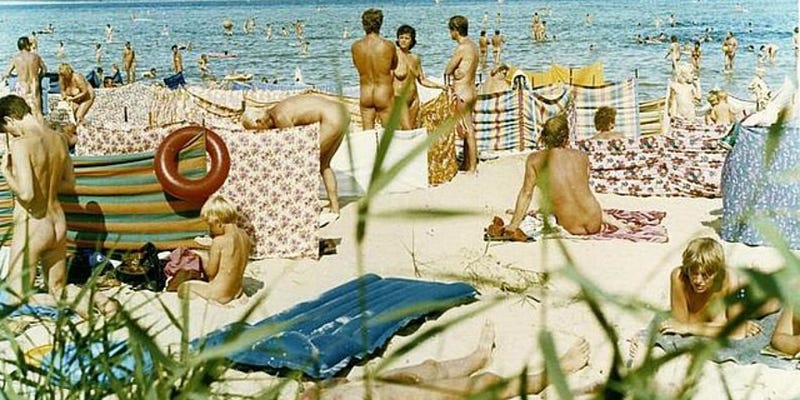
FKK, a short form of Freikörperkultur, is the Nudist culture in Germany. Today Nudists can be found in almost every part of Germany.
Today there are long stretches of beaches in nearly every central town along the coast of the Baltic sea that is reserved for the Nudists, also known as naturalists.
The Nudists of Germany are not only limited to the side of the Baltic Sea. It is a norm for the rest of the Germans. It is more of a cultural thing now.
For the people of Germany, nudism has many health benefits, and of course, it gives a streak-free tanned body. To know a brief history and what it is like to be a nudist today, let’s scroll.
Nudist Culture At The Start, In Germany
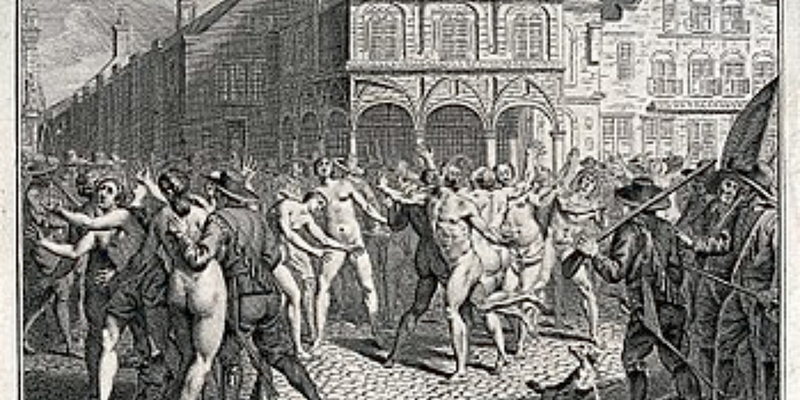
Nudist culture emerged in the early 1900s in the context of the life reforms movement, which was to renew all ways of life for humans — clothing, personal care, nutrition, health, housing.
The people who advocated Nudity believed that going all-natural had many health benefits. Since the end of the 18th century, bathing naked under the sun and in natural air has promoted health.
Nudity culture was originally named Natural; however, after the first World War, the people who supported Nudity upgraded nudism to the natural way of life. What?
Well, anyone who offended their movement had to face severe backlash, and accusations of insulting good morals and morality from their opponents were reversed.
They propagated and practiced Nudity in a way which highlighted their free will, announcing detachment from a sick society — a society which opposed nudism.
Nudism is a culture in Germany which saw itself as a complete sociopolitical concept that attempted to change societies through self-reforms.
Nudist Culture, At The Beginning Of The Weimar Republic
.svg)
The Nudist movement became very vocal at the beginning of the Weimar Republic.
Many consortiums emerged that reflected the entire political scope of the Weimar Republic and defended various concepts of nudism.
Substantial journalism, unaffected by censorship and prohibition, promoted nudism and its goal.
Klingberg’s open-air park near Scharbeutz was the first nudist area in Germany. However, it was not established until 1903. In 1920 the island of Sylt was allotted to the Nudist, the first Nudist beach.
The Nudist movement overgrew during the time of the Weimar Republic, and many clubs and consortiums emerged in large cities. And by the time the Weimar Republic ended, there were more than 100,000 Nudists.
Nudist Culture During the Nazi Era
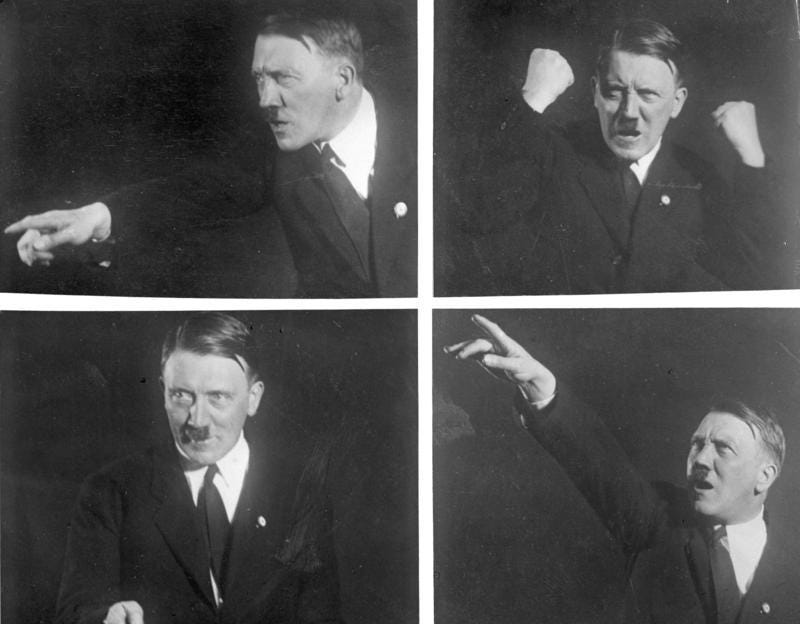

After the Nazi Party rose to power, the Nudist movement was banned unanimously by the high command, which severely hit the Nudist activist and associations.
Most of the Nudist consortiums, who weren’t as stable as some other mega associations, chose to support the regime.
These middle-class associations removed any non-Aryans or anyone against the Nazi Party. The consortiums that joined hands formed Bund Fur Leibeszucht, which means Union Of Body Discipline.
The ideology behind Bund was to strengthen the people, and they focused on racial, health and moral support. However, all this was to find physically fit people who could end up in the German army.
This was a successful campaign by the Nazis, and due to this, they started promoting nudism, and even state officials began promoting it.
Nudists got support from the SS, which was under Himmler, and it was supporting the Nudists because it was Himmler who saw the opportunity to hire more and more people who were joining the army. The Bunds Für Leibeszucht continued working until the spring of 1945.
Nudist Culture in East Germany
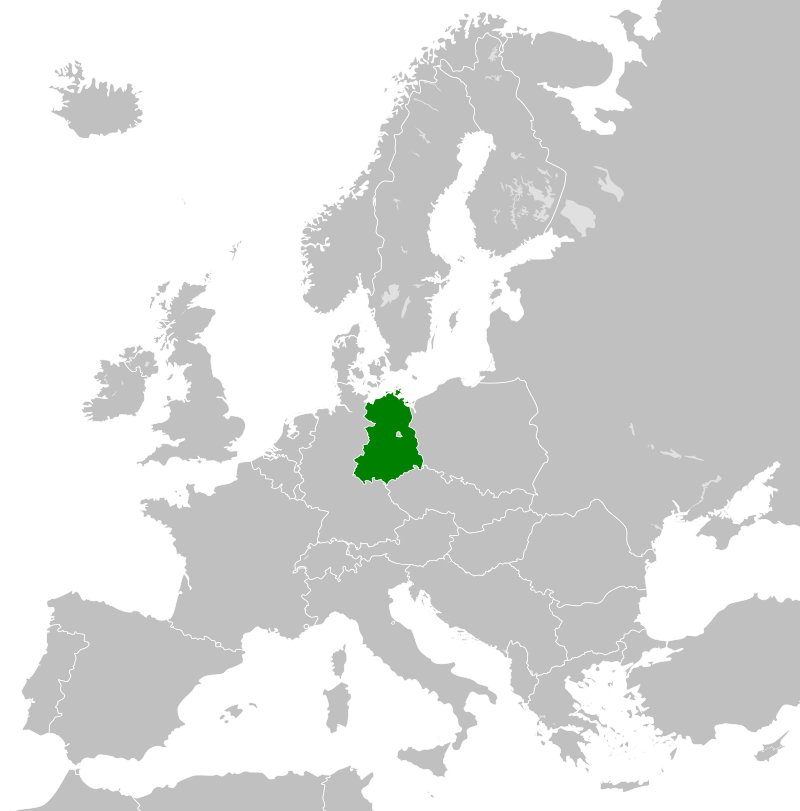

In East Germany, the Nudist movement developed a lot, encompassing people of all ages and social classes.
Nudism was allowed at some designated bathing areas; however, forming an association specifically for nudism remained forbidden.
Around the 1950s, nudism spread beyond the government-approved areas, a movement handicapped during the Nazi regime was finally being tolerated, and many wild bathing places got legalized as Nudist sanctuaries.
Between 1960 and 1980, nudism became a part of the culture. This can be seen in the pictures that kept coming during this time — no place was left where nudism didn’t prevail.
Nudist Culture In West Germany
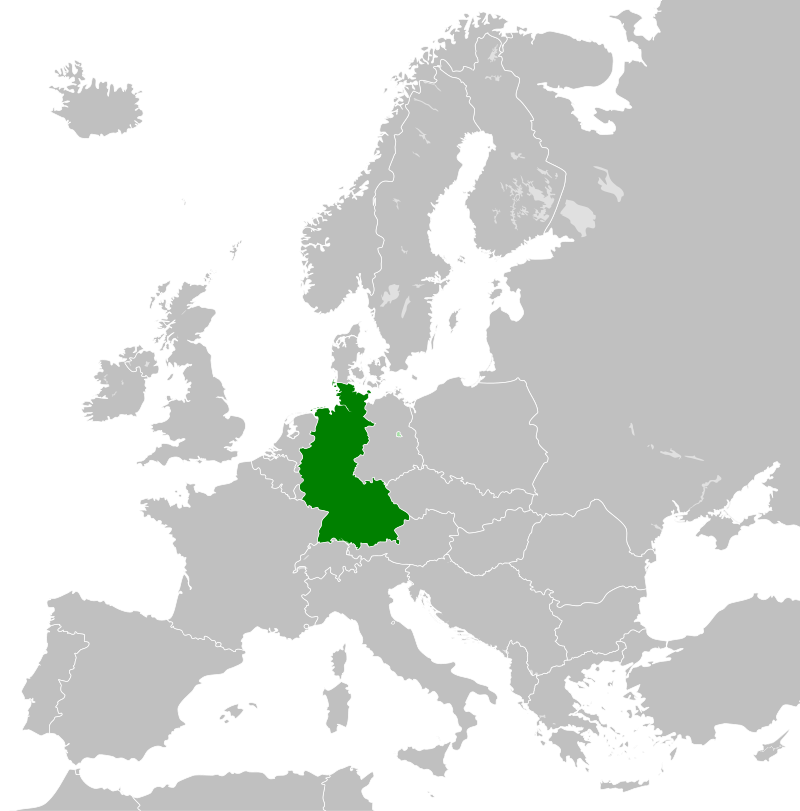

After the allied forces banned Bund für Leibeszucht in 1946, the nudist movement went into full swing. Naturist consortiums started reorganizing in the areas which the Allied Forces captured.
In the early years of the West, German nudism remained on the social side. Most of the policies in the Adenauer era were made to fight against trash, dirt and any form of Nudity.
Nudism gained a lot of social acceptance in the mid-1960s after they made some fundamental changes in the everyday practice of a Nudist and dealing with Nudity in mainstream media.
The unorganized Nudist or Naturalist movement progressed a lot during this period.
Things that were only practiced on weekends or holidays by the Nudists community soon became something that was being done as a pastime activity in the local recreational areas and open green spaces — which were not even approved for nudism.
On the other hand, for the organized Nudist movement, reforms were being made to the old ways of nudism, but almost everything was marginalized.
The idea of nudism, a whole way of life with socio-political objectives, was replaced with self-esteem. This community focuses on health and promotes family recreation and other healthy activities without any other far-reaching claim.
Nudist Culture In Today’s Germany
Nudism is a norm in today’s Germany, it is not limited to designated areas only like bathing areas, but it has reached far beyond like public parks, pools and beaches.
The media never supported nudists occupying public places; however, no severe offences were filed against either.
Compared to Germany, in which nudism was more of a shameless act and a crime, in today’s Germany, things have moved on, and nothing in nudism is scandalous.
Today, one can be a Nudist and enjoy their time as wished — with the ease of mind that even if a bit of limit is crossed, no legal action would be taken.
Final words
I don’t know about others but no movement is right or wrong — just different.
More from the author: