6 Incredible Past Photos Prove How Absurd History Has Always Been
Lost bizarre pictures that reveal real weird history.
Throughout the history of humankind, there have been uncountable historical events.
However, most of these events got to us through the books, and some of them were later shown in paintings, but this all flipped after the invention of the camera in 1816.
Almost all significant events or minor incidents have been caught by the eye of the camera ever since.
Below are some of these images, which are historic in their way and show us the diversity the world has to offer.
1. Egyptian Mummies Sold By Street Vendors — 1865
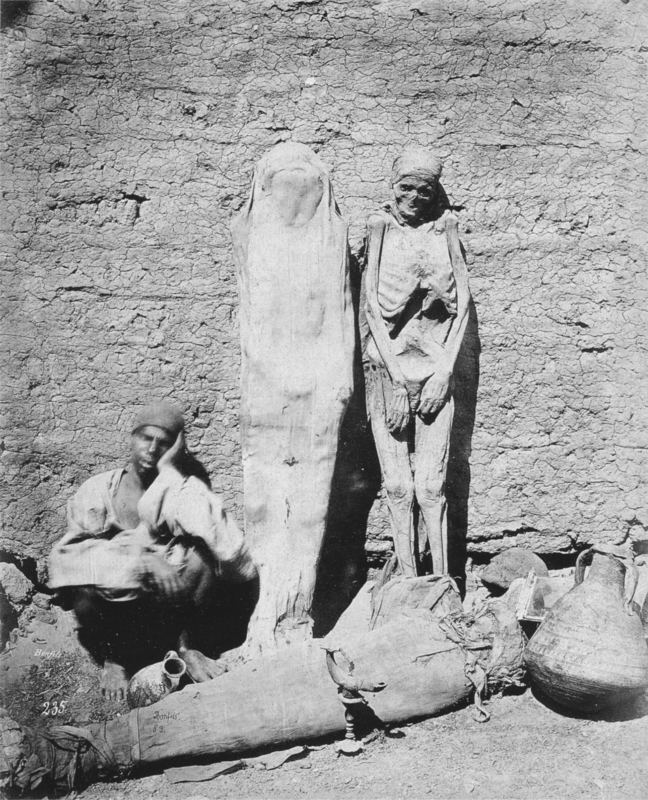
During the 1800s or the Victorian era, Napoleon’s conquest of Egypt opened the gate of Egyptian history to the Europeans.
In those days, the mummies were not given the respect that they deserved from the elites of Europe.
The mummies were being sold on the street by street vendors to be used for main events and especially for parties and social gatherings.
During the Victorian period, more and more mummies were being brought into Europe, and some of these well-preserved mummies were grounded into a powder form to be consumed as medicine.
Things only got worse for these ancient Egyptian relics as the Industrial Revolution progressed; vast numbers of human and animal mummies were being shipped to Germany and Britain in powder form for fertilizer.
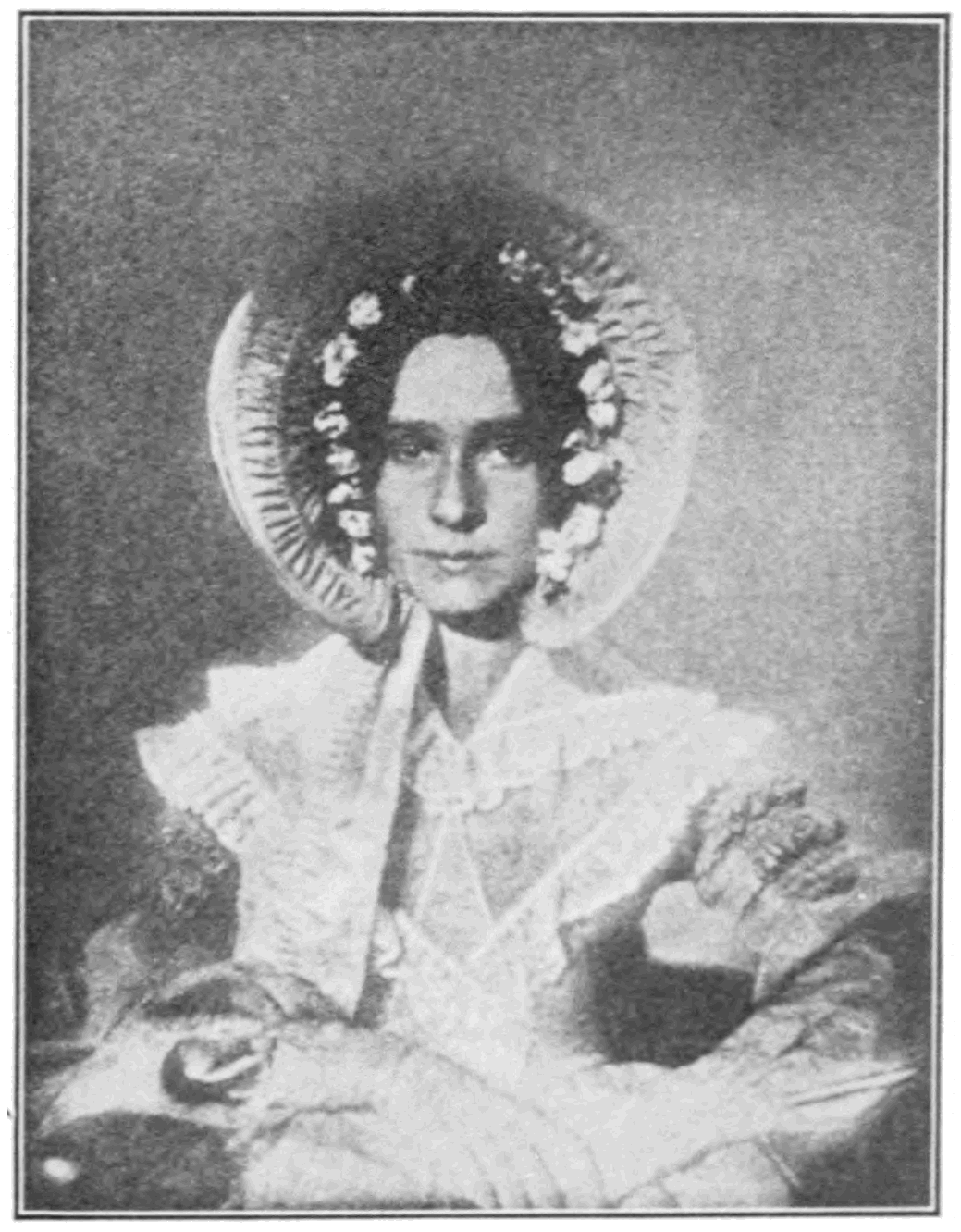
1. The First Photographic Photo Of A Woman, 1840
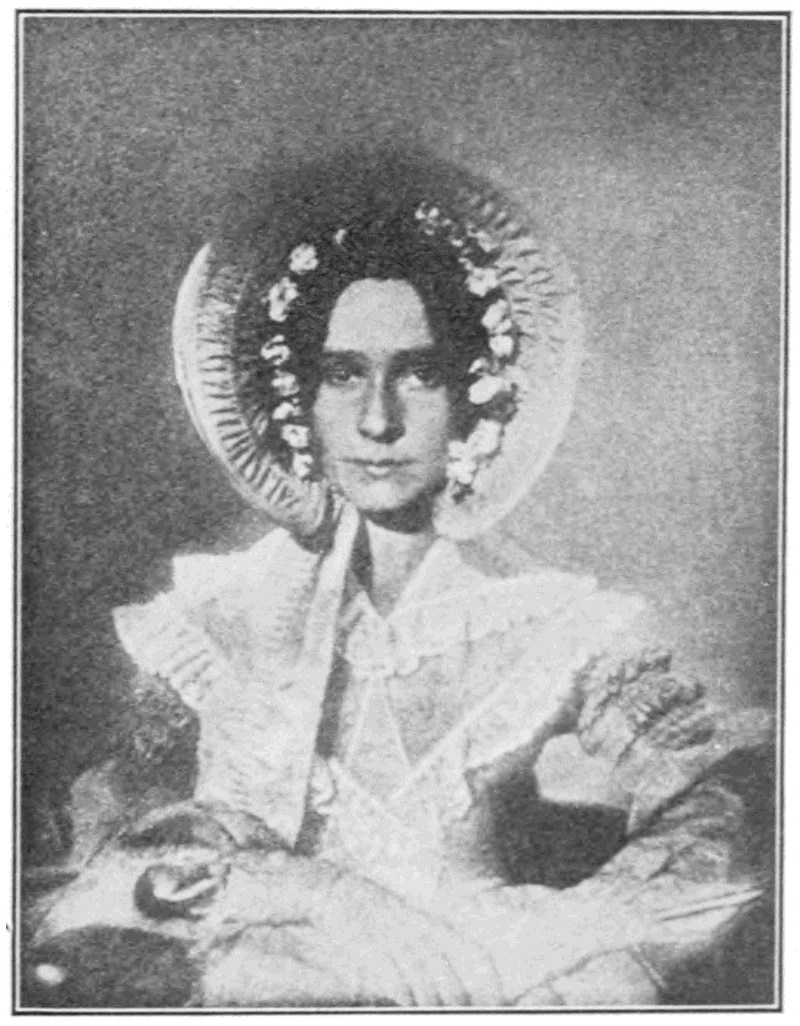
The photo you see above is believed to be the first portrait photograph of a woman made in the United States Of America.
The portrait of Dorothy Catherine Draper is believed to be taken by her brother, Dr. John Draper, in his studio in Washington Square, New York.
The year in which this photo was taken was the same year in which Louis Jacques Mande Daguerre announced his invention of the daguerreotype process in Paris.
The daguerreotype was reproduced by Draper’s son Daniel Draper when it was displayed in Chicago, Illinois, at the Columbian Exposition of 1893.
The original daguerreotype was damaged during its restoration in the early 1900s.
3. 33 Horsepower Harvester of 1902
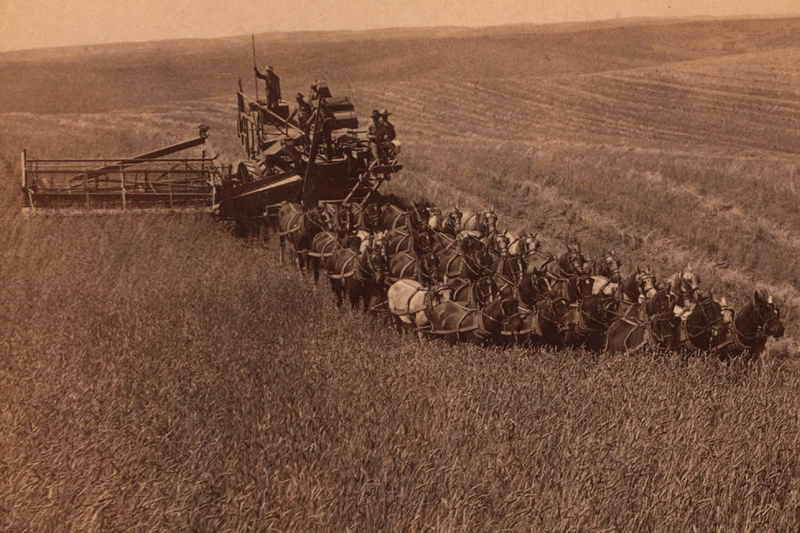
The picture above shows the early large-scale harvesting of crops — the evolution of sickle and flail, where 33 horses pull a harvester.
Harvesters did everything from cutting, threshing and sacking the wheat crop, but this multi-role harvester had quite a bit of weight; thus, the farmers using this machine needed the extra horsepower, which in return, they got from 33 horses.
4. Jakob Nacken, The Tallest Nazi Serviceman On Record — 1944
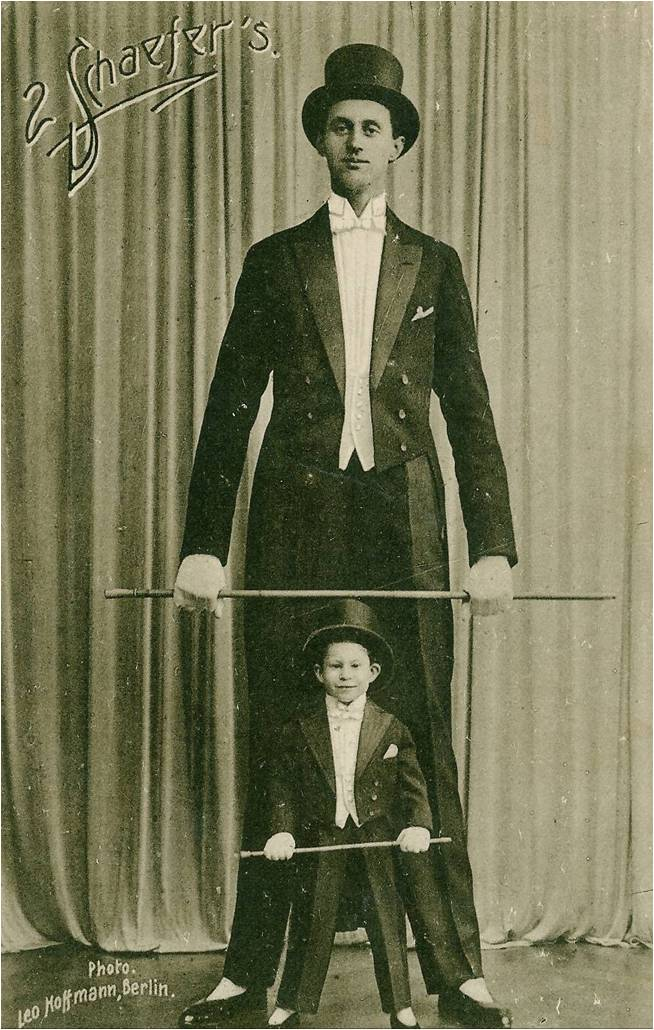
Jakob Nacken, born on the 5th of February, 1906, was known as Uranus and the Giant from Rhineland. He was a German circus performer and a Nazi Soldier.
Jakob began his career in a travelling circus, maybe because he was exceptionally tall, even in his teens.
He performed actively in the Whole of Europe and The United States Of America. Jakob even made an appearance at New York World Fair in 1939.
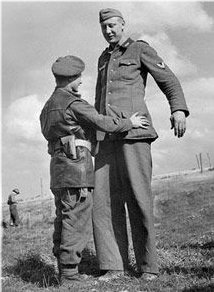
Jakob’s days at the circus were number, and soon he joined the Nazi Army during World War II and became the tallest Nazi soldier ever to enter the Nazi ranks.
He was the giant Santa Clause at 7 feet 3 inches. Jakob even made an appearance on American T.V shows where he appeared as the world’s tallest man.
5. Cow Shoes Used By Moonshiners During Prohibition Days — 1924
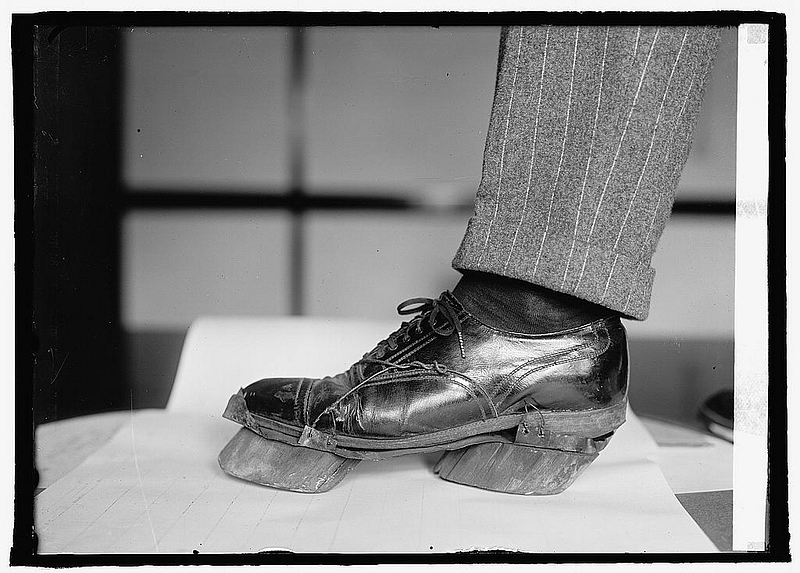
From 1919 to 1933, during these years, alcohol was prohibited in the United States Of America. However, the people could not handle this ban on alcohol, so they started brewing Moonshine — a type of homemade Whiskey.
The people brewing Moonshine did it in the middle of nowhere, like in forests or meadows. This was not to be caught by the law enforcement agencies.
These brewing labs were made where the access was not easy, and the authorities often had to track a moonshiner on foot.
So to avoid being followed, the moonshiners came up with this unique idea of cow shoes.
The hoofprint was meant to deceive the cops, so they never reach their lab where they are storing and brewing Moonshine.
6. Testing A Bulletproof Vest — 1923
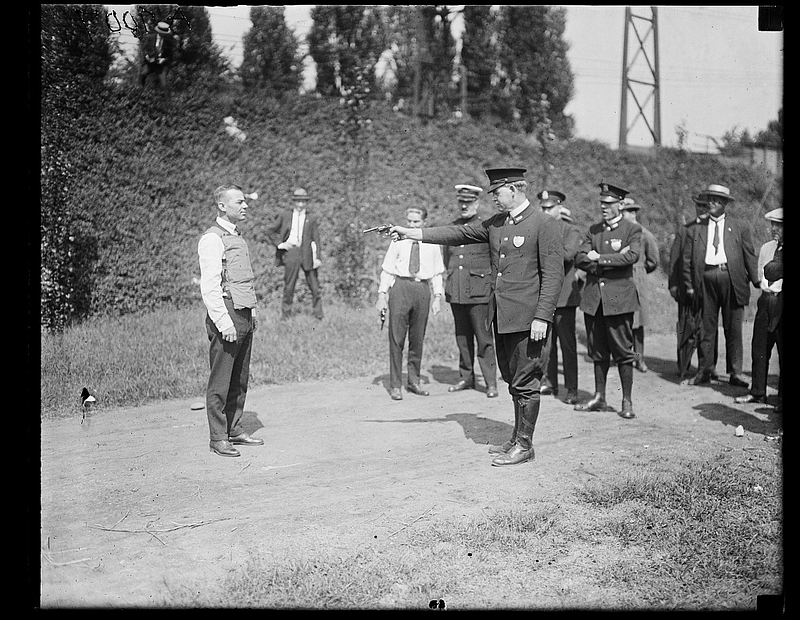
The two people you see in the picture above are Wh. Murphy and his assistant. Both are from Protective Garment Corporation of New York.
In 1923, the Protective Garment Corporation of New York finished their research on a lightweight bulletproof vest for the police and manufactured it, demonstrating the vest live in D.C.
The live demonstration of the vest took place at the Washington City Police Headquarters, where the one who invented the vest and the salesman tried to convince the police force that not only does the vest they did work but also saves lives if the situation gets to that point.
Final Words
Photos taken very early or just after the invention of the camera have so much history embedded in them. We should be thankful to the inventor who made a device that will help us preserve our history for generations.
The list but we have tried to fill it up with all the most exciting pictures with a rich history behind them.
More from the author: