
My Content Publishing System For Twitter and LinkedIn
How To Show Up Consistently For Your Audience
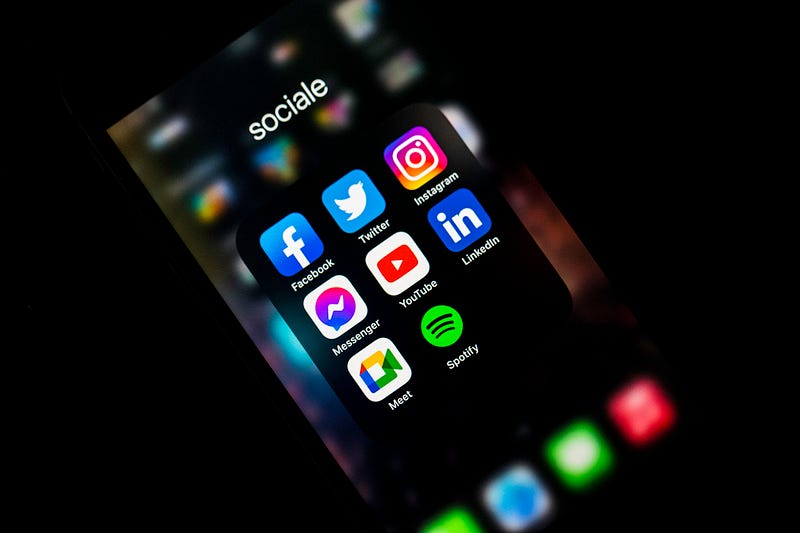
Systems are all you need to achieve things that require consistent action.
I’m all about building systems. Whenever I encounter a repetitive procedure in my workflow, I build a system to reduce the energy consumption each decision zaps from my brain.
Showing up consistently on social media is an example of such a case. You must regularly show up for your audience to keep yourself lurking at the front of their mind, anticipating your next drop at all times.
This seems quite easy, but we all know the struggle of creating content on the day. The best way to mitigate the issue is to develop a system to automate the process.
Here’s the one I use to constantly publish on Twitter and LinkedIn…
The content schedule
Most creators get hung up on the number of times they should be posting daily; this is far from the most important thing.
What you should be worried about is whether you’re consistent enough.
Does your audience know what to expect from you?
You must have a consistent schedule you stick to no matter what.
If you can’t give a specific time to the question, “What time do you post?” then you don’t have a publishing system…
You’re banking on inspiration, which doesn’t always come.
Eventually, you’ll get fed up and stop creating.
Steal from yourself
I used to be afraid of stealing from myself, but then I realized not everyone likes to consume content the same.
For example, I follow Tim Denning and Justin Welsh’s newsletters way more than I follow their tweets or LinkedIn posts, but I much rather read Ayo Awosika’s Medium posts and Eve Arnold’s tweets.
The point I’m making is everyone consumes content differently.
Don’t assume someone follows you on every social media channel.
This makes it easier for me to create tons of content without much effort.
The most effort I’ll put into the content I create is for my blog, which sits at the center of my content creation process.
I write 4–5 articles a week, but I can’t dictate the cadence posts are published due to publication editors.
Either way, each blog post is diced into 5–10+ tweets (including threads) and LinkedIn posts.
I then convert one of my blog posts to the weekly topic for the Wisdom Wednesday newsletter.
My thought process behind this approach is simple — “If I’m already creating this content, why not use it for something else.”
Learn more about this workflow in the Content Creation Workflow That Made Me Over $6500 in Side Income for Q1.
Stay ahead of the schedule
The best way to remain consistent is to stay ahead of your schedule.
Scheduling your content in advance so you don’t have to do it in real time.
Releasing yourself of this responsibility free’s you up to focus on tasks that generate more revenue, like engaging with potential customers and learning their pain points deeply.
Publishing in real-time is tough and should be minimized as much as possible — I’ve only done it once because I couldn’t schedule a carousel post on LinkedIn.
At the time of writing, I’ve got 30 posts scheduled for social media on OneUpApp, and 3 for my newsletter on Mailchimp.
That’s three weeks' worth of content I don’t have to worry about creating in real-time. Even if I get ill for the next week, I’ll still be able to show up for my audience without actively participating.
Keep the idea machine full
All content starts with an idea.
You should never get to a point where you “need” an idea before posting.
To keep the content machine cranking, you’ll have to crank out ideas regularly.
In How I Write 4–5 Articles a Week in Less Than 20 Hours Without AI, I showed you my process for creating content; this includes one hour of idea generation…
But the entire process is useless without a predefined content strategy.
Your content strategy must contain two vital factors if you want it to have an impact:
- A succinct description of WHO your target audience is
- A deep understanding of WHAT problems they face.
The role of your content is to step in as a mediator to aid your target audience in achieving their desired outcome, whether that’s entertainment, financial freedom, etc.
Only when you’re equipped with this knowledge will you be able to constantly generate tons of relatable ideas for content creation.
Final thoughts
The best content creators build systems that help them communicate with their audience consistently.
It’s not about how much you communicate with them in a day; it’s more about how consistently you show up over a long period of time.
This will allow your audience to develop expectations of you, which constantly keeps them anticipating your next move.
Thanks for reading!
Join 500+ digital freelancers for a weekly dose of wisdom on a Wednesday.
Connect with me:
If you enjoy reading stories like this and wish to support my writing, consider becoming a Medium member. With a $5 a month commitment, you unlock unlimited access to stories on Medium. If you use my sign-up link, I’ll receive a small commission.
Already a member? Subscribe to be notified when I publish.


