avatarDan Pfeifer

Free AI web copilot to create summaries, insights and extended knowledge, download it at here

2087

Abstract

https://readmedium.com/the-trusty-gardener-progress-in-the-lower-garden-d1d80207c48d"> <div> <div> <h2>The Trusty Gardener-Progress in the Lower Garden</h2> <div><h3>The Romaine Lettuce is Thriving; Cucumbers, Tomatoes, Onions, Squash and Peppers on the Way</h3></div> <div><p>medium.com</p></div> </div> <div> <div style="background-image: url(https://miro.readmedium.com/v2/resize:fit:320/1*9LPqhzb6J5bjXbQgZh1T0A.jpeg)"></div> </div> </div> </a> </div><p id="d9b3">Overall, I think this experiment was a success. The cucumbers, squash, and pumpkins grew well overall, although the dry conditions in July and August cut back the yields somewhat. Although I tried to keep the plants watered, this coming season I will be using a sprinkler to better keep the gardens watered. Watering is very crucial during a hot, dry Summer.</p><p id="a8e5"><b>Cover Crops: Yes or No</b></p><p id="5a2e">To be honest, I have never tried planting a winter cover crop. Cover crops are supposed to improve the overall health of the ground, the main benefit being adding nitrogen back into the soil. The mixture I was looking at is from <a href="https://www.reneesgarden.com/blogs/gardening-resources/planting-your-cover-crop-scatter-garden?_kx=zsvzXA9ucxhMVz7XisU_GIBj4h-RIiiYOzIURe4uo0Y%3D.XfpVk4">Renee’s Garden</a> and includes a mixture of legumes, grasses, roots, and rapeseed.</p><p id="ab8f">From the <a href="https://www.reneesgarden.com/pages/catalog">Renee’s Garden</a> website:</p><p id="1f8a"><i>The legumes, Austrian Winter Peas, Fava beans, and Hairy Vetch all fix nitrogen from the air into their root nodules, loosen and aerate dense soil and gather deep nutrients and minerals. Winter Rye Grass has thick roots which hold the soil to prevent erosion and takes up excess nutrients in the soil. Rapeseed takes up large amounts of nutrients that would otherwise be leached out of the soil by the winter rains. When these cover cr

Options

op plants are incorporated back into the soil in the spring, they break down releasing the nutrients and minerals back into the soil and adding plenty of organic matter which improves the soil structure.</i></p><figure id="d61f"><img src="https://cdn-images-1.readmedium.com/v2/resize:fit:800/1*MtUvbIi1Dwy0QgdqzY_9dg.jpeg"><figcaption>k</figcaption></figure><p id="4aba">I still haven’t ordered it but will have to do so soon so I can get it planted before the weather turns too cold. In the meantime, as I mentioned above, some cold hardy veggies remain including kale, Swiss chard, radishes, leeks, and carrots.</p><p id="b55a">Stay tuned for more updates.</p><div id="3d71" class="link-block"> <a href="https://readmedium.com/do-you-enjoy-birdwatching-project-feederwatch-begins-november-1st-fee51d769073"> <div> <div> <h2>Do You Enjoy Birdwatching? Project FeederWatch Begins November 1st</h2> <div><h3>Sign Up Now For This Wonderful Citizen Science Project</h3></div> <div><p>medium.com</p></div> </div> <div> <div style="background-image: url(https://miro.readmedium.com/v2/resize:fit:320/0*FJaryu4FFMXmirQz)"></div> </div> </div> </a> </div><div id="6203" class="link-block"> <a href="https://readmedium.com/my-almost-daily-journal-the-continuing-struggles-with-covid-19-physical-and-mental-47f2c63a8fba"> <div> <div> <h2>My Almost Daily Journal-The Continuing Struggles With Covid-19, Physical and Mental</h2> <div><h3>Volume 40-Tag Along With Me on My Sometimes Boring Sometimes Interesting Sometimes Humorous Journey Through Life</h3></div> <div><p>medium.com</p></div> </div> <div> <div style="background-image: url(https://miro.readmedium.com/v2/resize:fit:320/0*GPjXYZg97ey2PvaT)"></div> </div> </div> </a> </div></article></body>

My Almost Daily Journal-Final Garden Cleanup-I May Plant Some Cover Crops

Volume 44-Tag Along With Me on My Sometimes Boring Sometimes Interesting Sometimes Awesome Journey Through Life
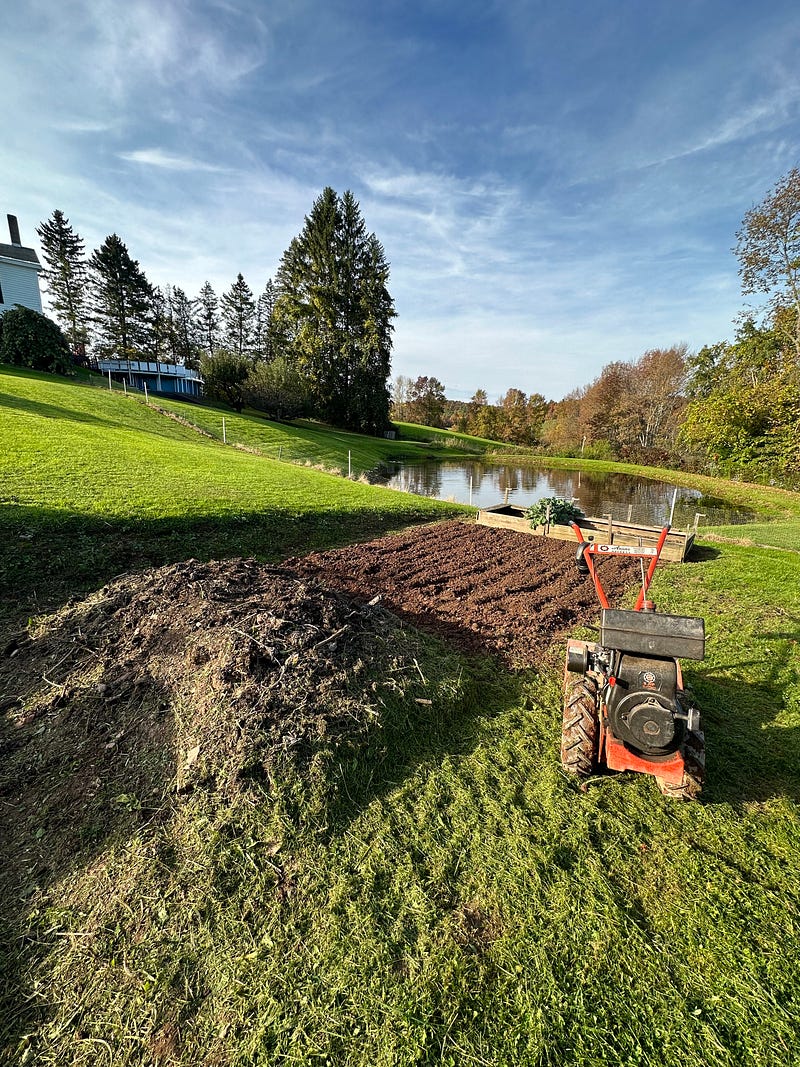
The Lower Garden, Hugelkultar Bed at the Top Edge/Author Photo

Welcome back. It’s hard to believe that it’s October. The gardening season is pretty much over although a few cold hardy crops remain. Last week I took advantage of some nice weather to get the gardens in good shape for next season. I am debating over planting some winter cover crops to enhance soil quality and prevent soil erosion over the winter.

A few weeks ago I wrote a story about cleaning up the upper garden.
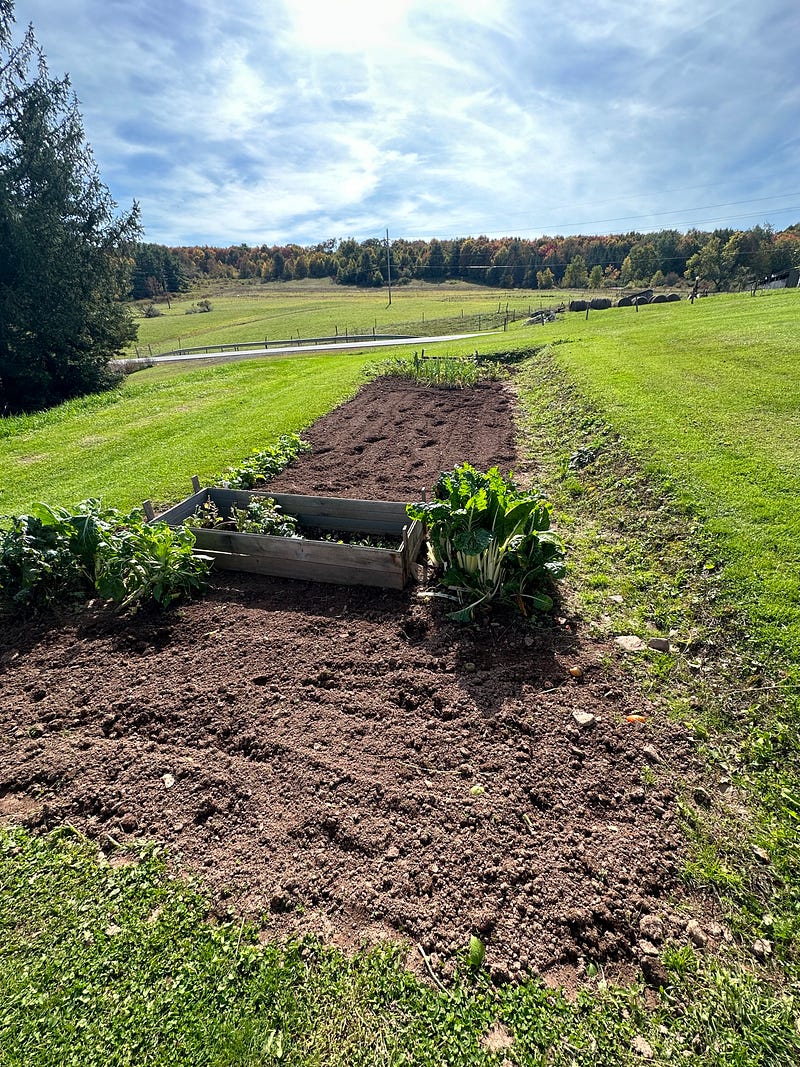
The Upper Garden/Author Photo

This past week I finally got a chance to tackle the lower garden. The garden tends to get away from me at the end of the season, so it’s always a challenge to clean it up. However, based on experience, it is much better to put in the work now than to wait until Spring.
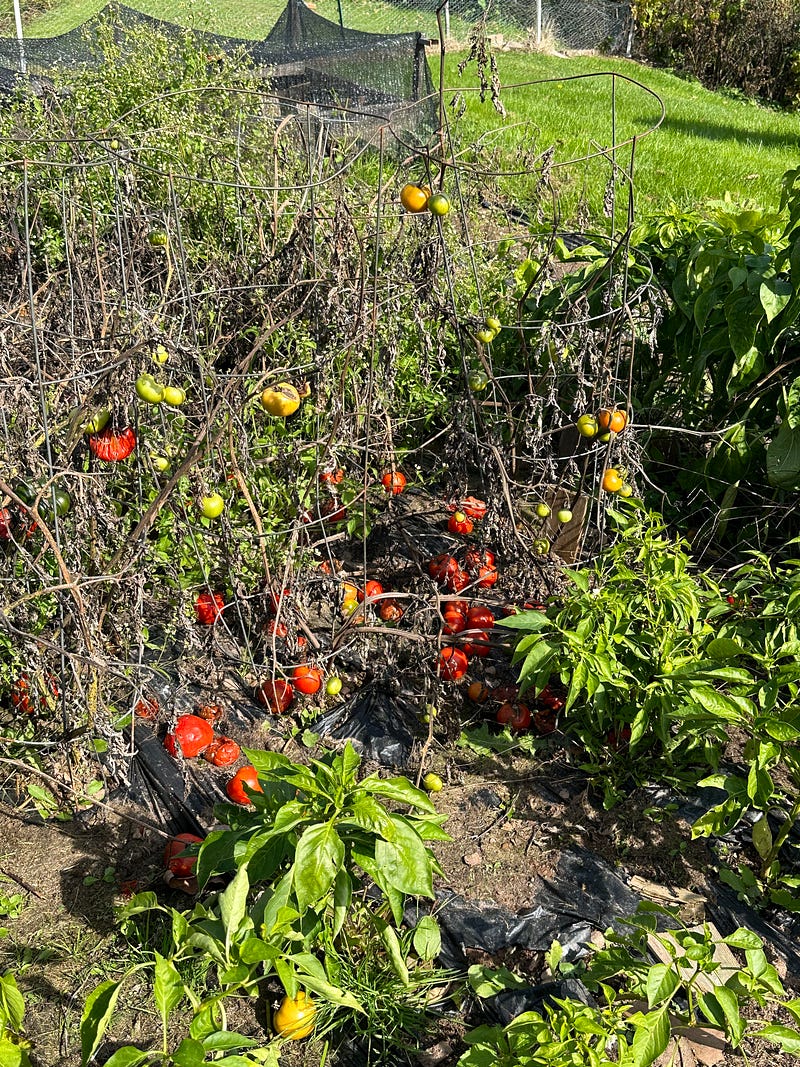
The Lower Garden Prior to Cleanup/Author Photo

This year I experimented with the Hugelkutar bed, an old German gardening method. It basically involves building a mound of rotting wood covered with soil and other organic matter (grass clippings, manure, etc.). I wrote about this gardening method in various articles over the Summer, including this one:

Overall, I think this experiment was a success. The cucumbers, squash, and pumpkins grew well overall, although the dry conditions in July and August cut back the yields somewhat. Although I tried to keep the plants watered, this coming season I will be using a sprinkler to better keep the gardens watered. Watering is very crucial during a hot, dry Summer.

Cover Crops: Yes or No

To be honest, I have never tried planting a winter cover crop. Cover crops are supposed to improve the overall health of the ground, the main benefit being adding nitrogen back into the soil. The mixture I was looking at is from Renee’s Garden and includes a mixture of legumes, grasses, roots, and rapeseed.

From the Renee’s Garden website:

The legumes, Austrian Winter Peas, Fava beans, and Hairy Vetch all fix nitrogen from the air into their root nodules, loosen and aerate dense soil and gather deep nutrients and minerals. Winter Rye Grass has thick roots which hold the soil to prevent erosion and takes up excess nutrients in the soil. Rapeseed takes up large amounts of nutrients that would otherwise be leached out of the soil by the winter rains. When these cover crop plants are incorporated back into the soil in the spring, they break down releasing the nutrients and minerals back into the soil and adding plenty of organic matter which improves the soil structure.

k

I still haven’t ordered it but will have to do so soon so I can get it planted before the weather turns too cold. In the meantime, as I mentioned above, some cold hardy veggies remain including kale, Swiss chard, radishes, leeks, and carrots.

Stay tuned for more updates.

Gardening
Fall
Vegetables
Life
Life Lessons
Recommended from ReadMedium