
Do You Enjoy Birdwatching? Project FeederWatch Begins November 1st
Sign Up Now For This Wonderful Citizen Science Project
Welcome Back. Now that Fall has officially begun and the gardening season is winding down rapidly, it will soon be time to focus my attention on birdwatching. We had a touch of frost here Saturday morning (24th) but not enough to do much damage. Last evening, I heard and saw the first geese flying over. Although I don’t have all of my bird feeders up yet, I have been putting a little seed on the platform feeder I leave up year-round. I have been getting some Blue Jays, Northern Cardinals, Mourning doves, House sparrows and finches, and a few others. Soon more birds will visit as the weather turns colder and Winter approaches. Hopefully, I will also have some migrating birds visit.
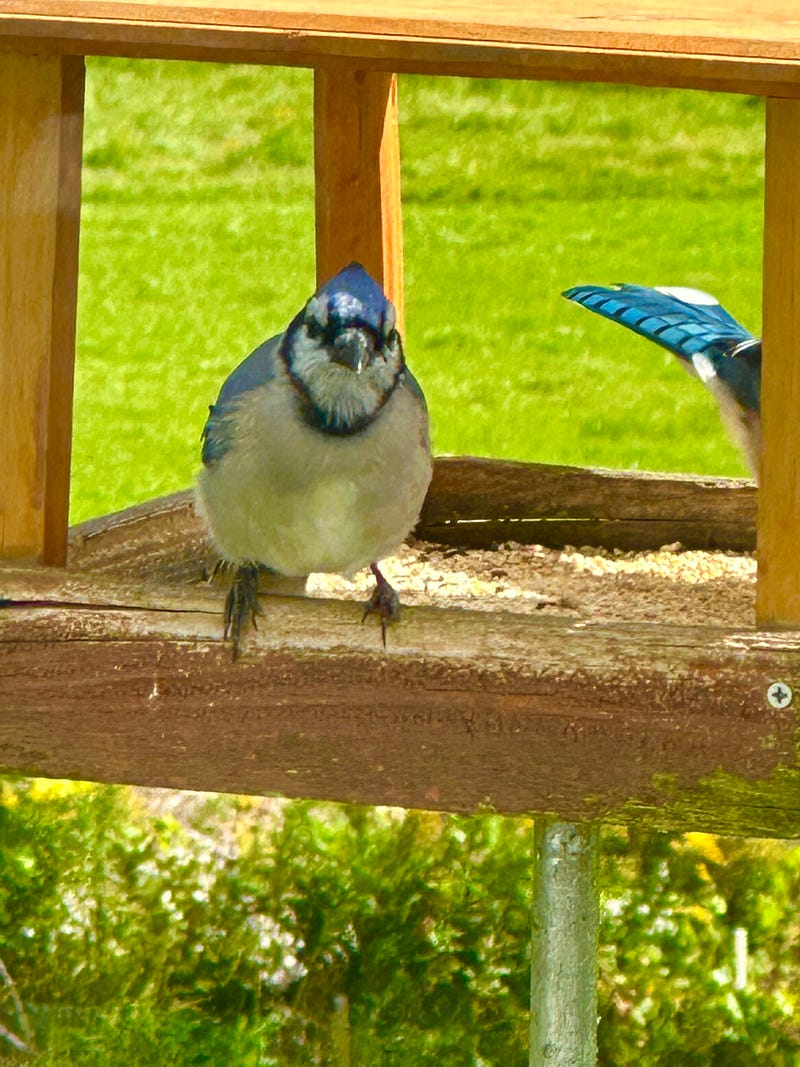
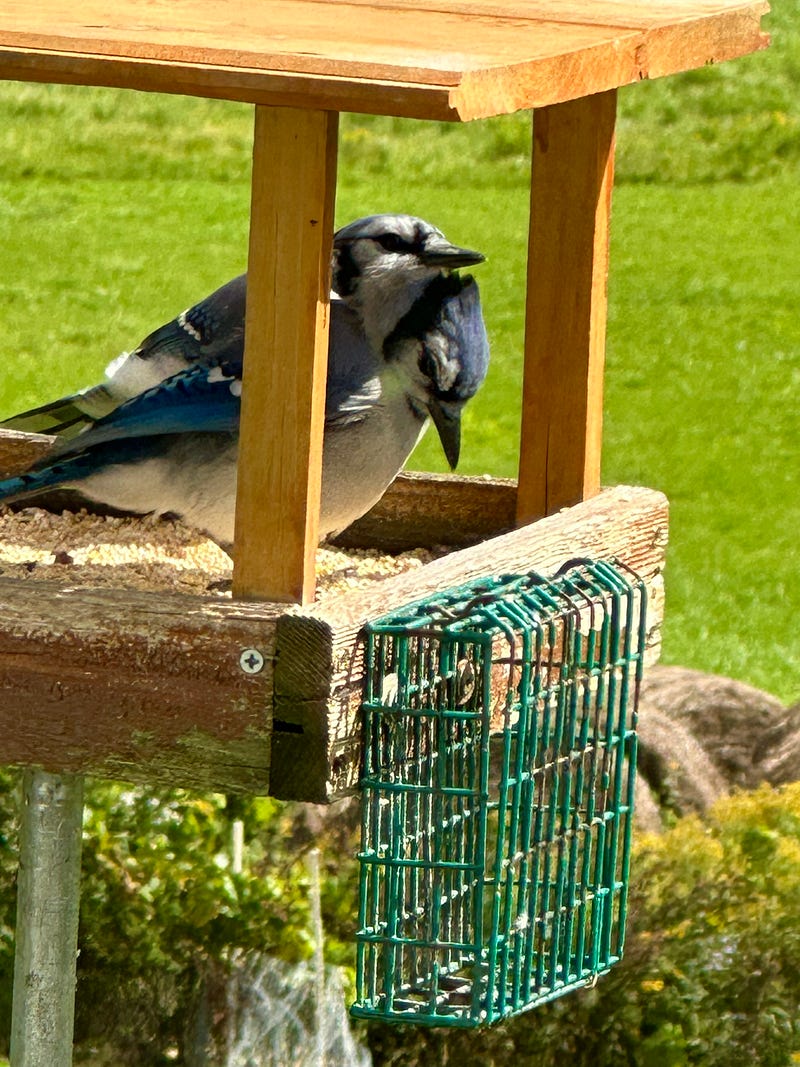
The weather lately has featured below-normal temperatures and rainy periods. We received over 5 inches of rain in September, thus everything has greened up compared to August. The lawn is growing more now than all Summer. As I wrote in a recent article, the garden is still producing but winding down as I start the cleanup process of those plants that have died off:
I am thinking about planting winter cover plants this year which enhance the soil over the winter and prevent erosion; more to come on that. I also recently wrote about the juvenile Blue Jays and Northern Cardinals visiting my platform feeder:
The Blue Jays are still visiting as they have grown more feathers, looking more like adults now. They certainly are funny looking when young without all of their feathers.
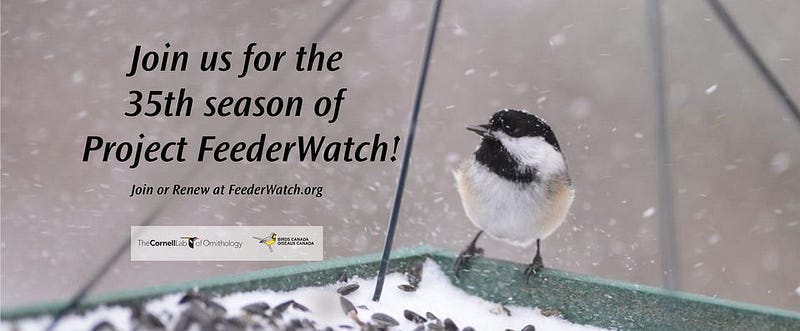
Project FeederWatch Begins Early This Year!
Normally, this citizen science project begins mid to late November. This year it begins on November 1st and runs through the end of April. Six full months of bird watching!
How to Participate: (From the Project FeederWatch Website)
Sign up — If you have not yet signed up, join today! During the season, it takes a few weeks from when you sign up for your kit to arrive, but you can begin counting right away. The fee is only $18 per year.
Select your count site — Choose a portion of your yard that is easy to monitor, typically an area with feeders that is visible from one vantage point. Even if you don’t provide feeders, you can still count birds for FeederWatch.
Choose your count days — Project FeederWatch runs from November 1 through April 30. For each count, select two consecutive days as often as once a week. Less often is fine. Even if you only count once all winter, your data are valuable. We recommend that you leave at least five days when you do not count between each of your two-day counts and that you schedule your counts in advance.
How to count — Watch your feeders for any amount of time over your selected count days. For every species you can identify, record the maximum number of individuals visible simultaneously during your two-day count. Keep one tally across both days. Do not add day 1 and day 2 counts together.
What to count — Please count
- birds attracted to food or water you provided
- birds attracted to fruits or plantings you maintain
- hawks and other predatory birds that are attracted by the birds at your feeders
- But do not count
- birds that simply fly over the count site, such as Canada Geese or Sandhill Cranes.
- birds seen on non-count days
Report Your Counts- submit counts through the Your Data section of our website. There is also a mobile app.
A Great Family Activity
As I have written many times, birdwatching is a great family activity. It is very relaxing and you will be surprised how your children/grandchildren will enjoy watching and identifying birds. You can start small. All you need is a bird feeder, some seed, and some patience. Bird photography is also fun and challenging. I have enjoyed this great hobby for over 50 years.
Finally, a video that gives a good overview of the project and how to participate:
Stayed tuned for more updates and enjoy!


