
Mood Fixed by Sour Fruits
A moment in our garden to relax my mind
Nothing is worse than a change in weekend plans due to your busy work schedule. I had a rough week, so instead of coming home on Friday evening, I arrived on Sunday morning, only to leave again tomorrow morning. Therefore, I was not in a good mood when I entered our land.
Read this article for free here. Use my referral link to enjoy unlimited access to Medium posts.
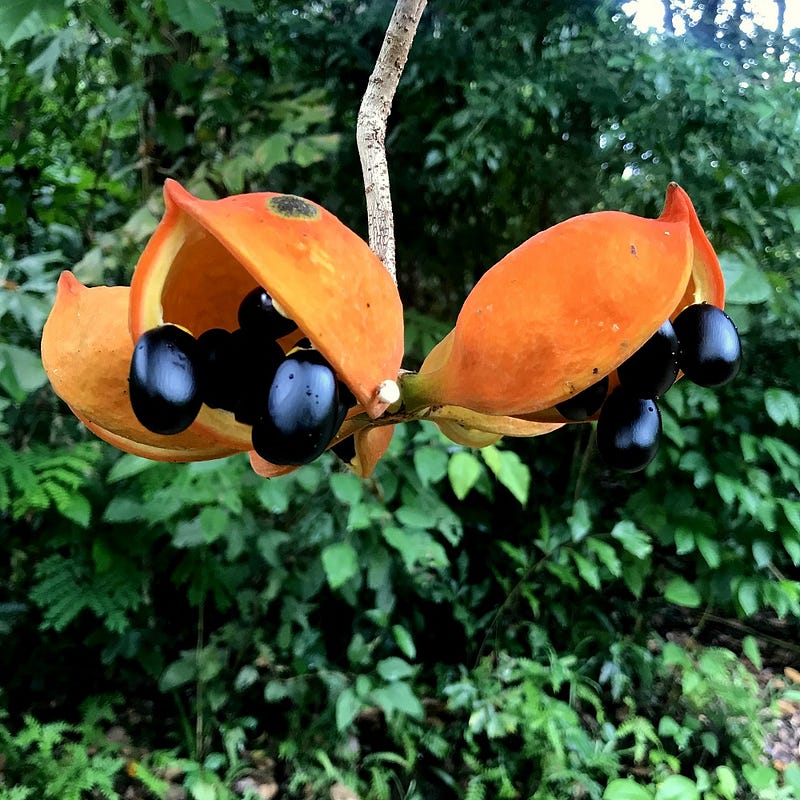
But something was awaiting me at the entrance to our land, something very vibrant and a little bit spooky: a cluster of Nawa or නාවා in Sinhala (Sterculia Balanghas). I had to step out of the car to take a photo of it.
This tree is native to Sri Lanka and India. Although this fruit is not edible, its beauty is unparalleled. The fiery outer skin will later change into a blood-red color.
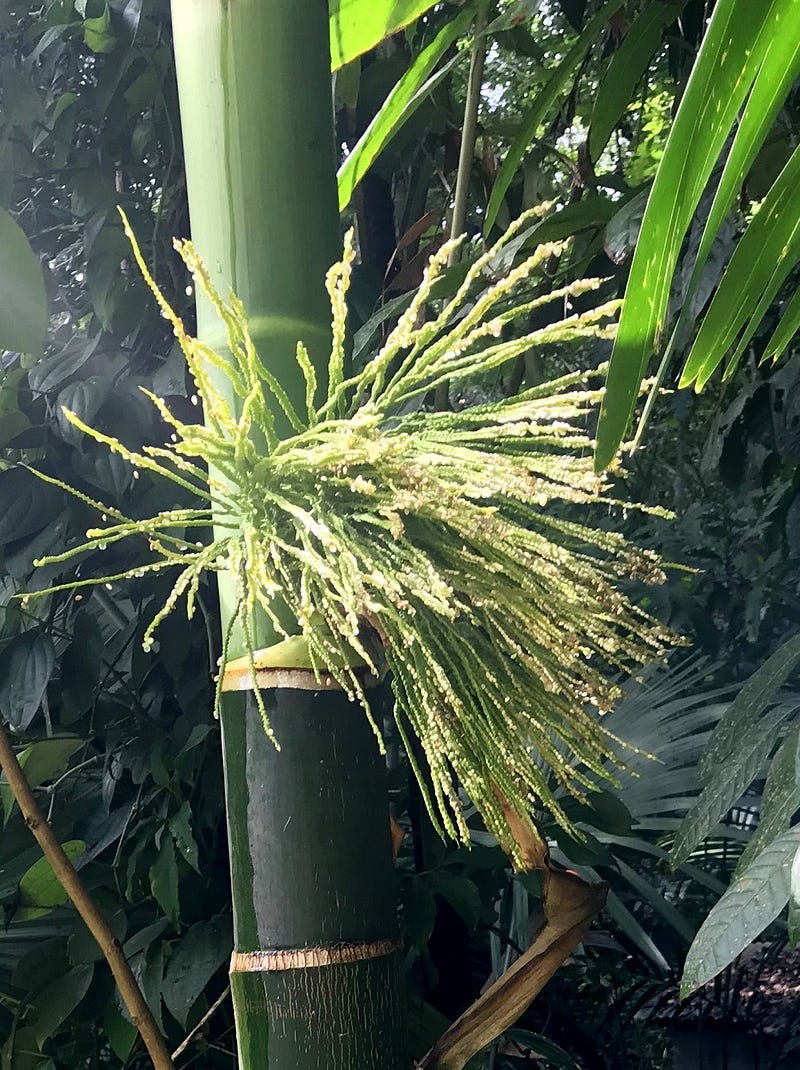
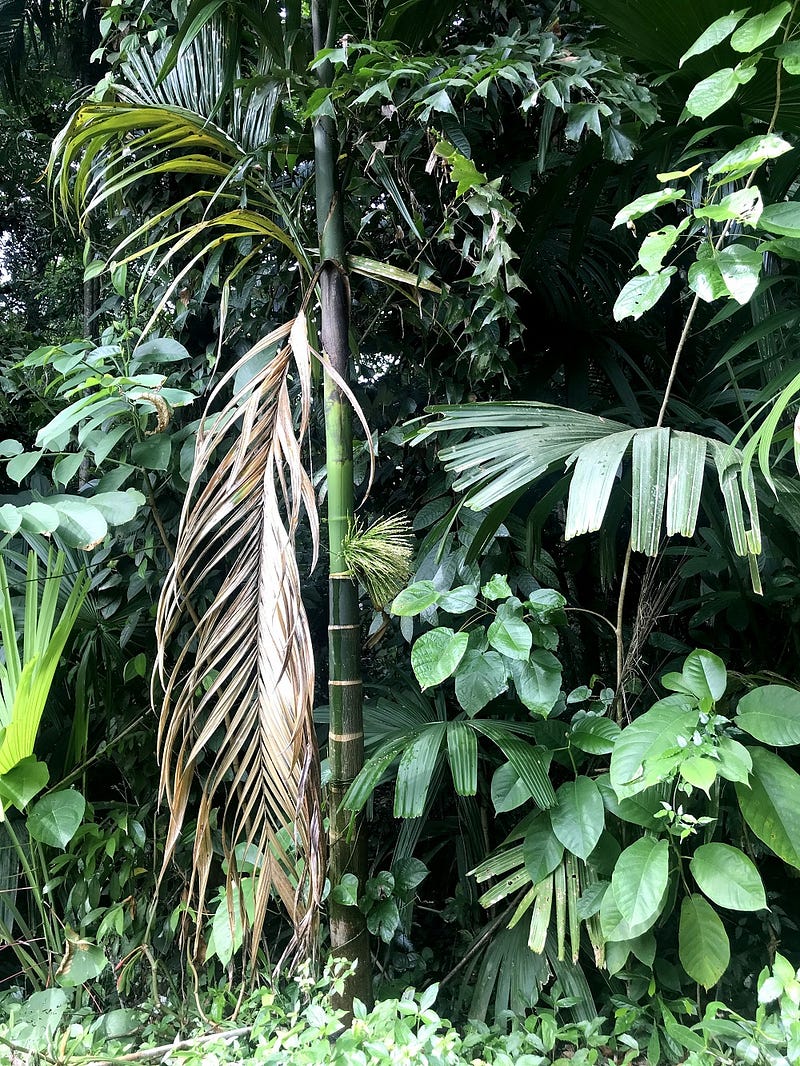
It helped to improve my mood a little. And nature didn’t stop there. Another mood fixer awaited me — a very first blossom of a young Areca nut tree. The flower cluster of the Areca nut is a sign of prosperity and protection. So, I was in a good mood when I reached the house.
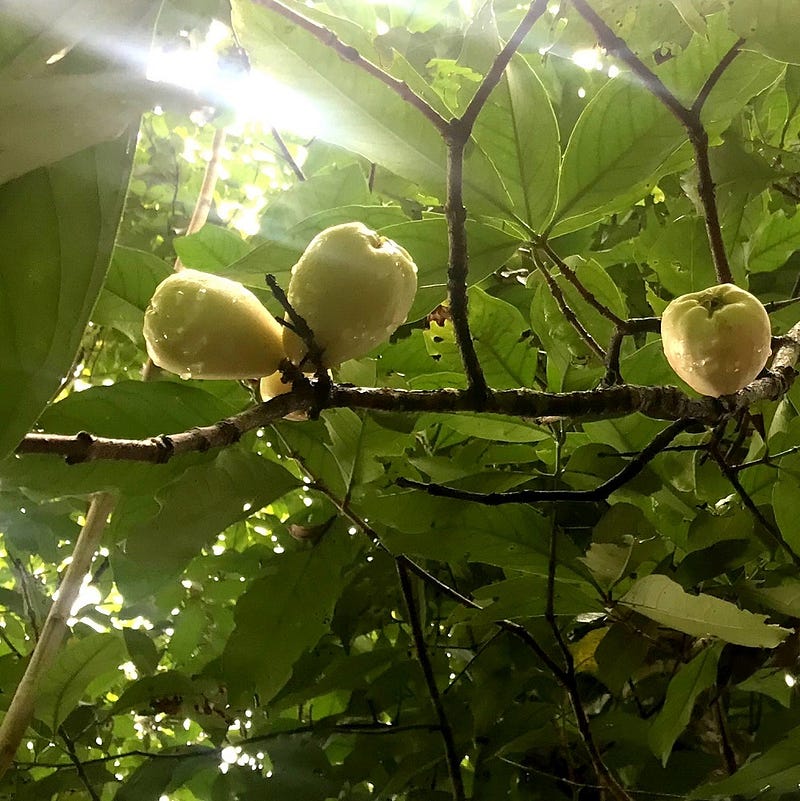
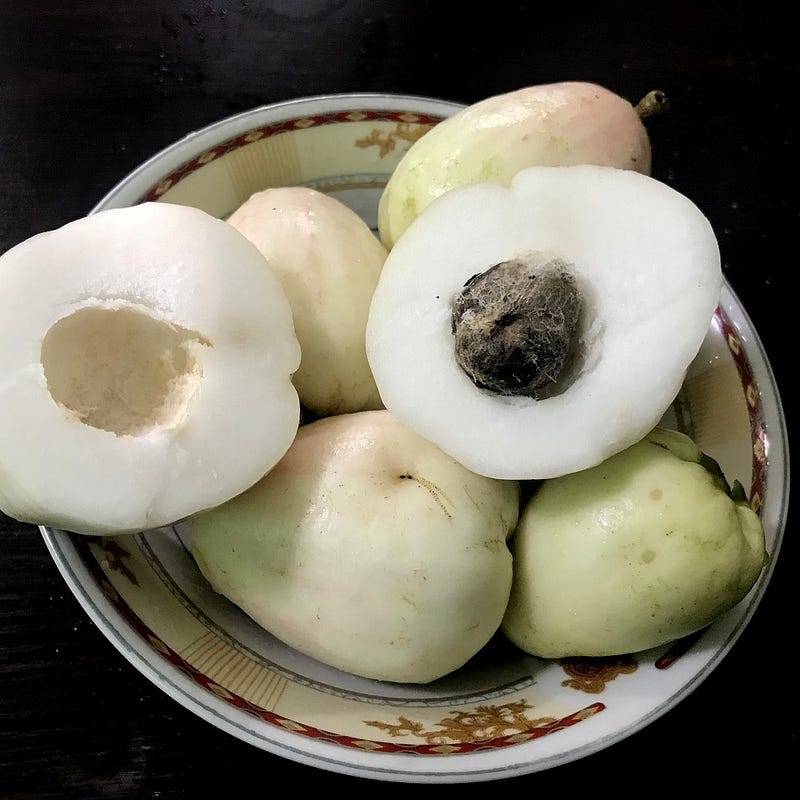
As soon as I reached home, I stepped outside. If you remember my previous post about Apples, I mentioned the blossom of Pini Jambu, a type of Rose Apple Tree. I am excited to share that the Pini Jambu fruits have ripened.
I collected a few, and their velvety texture was incredibly soft. The taste was sweet and refreshing, with a hint of juiciness.
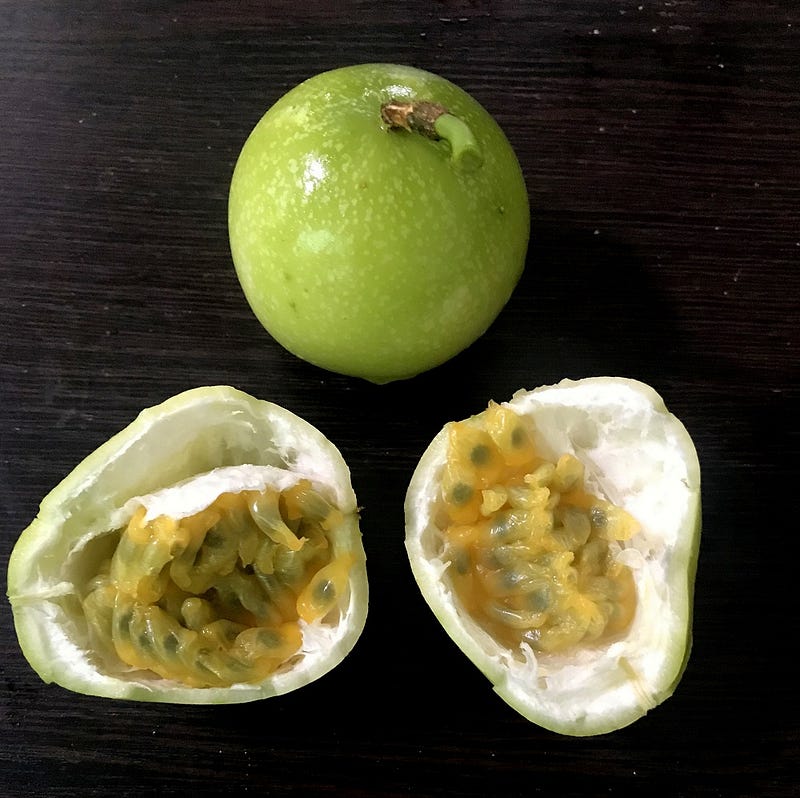
On a good day, I can find one or two fruits in our garden, such as these passion fruits. Typically, passion fruits are filled with juice, but our variety lacks any juice, making it unsuitable for preparing drinks. However, to compensate for this shortcoming, it has an extra sweetness, almost like a sugar punch. Therefore, it is perfect for cracking open and eating directly.
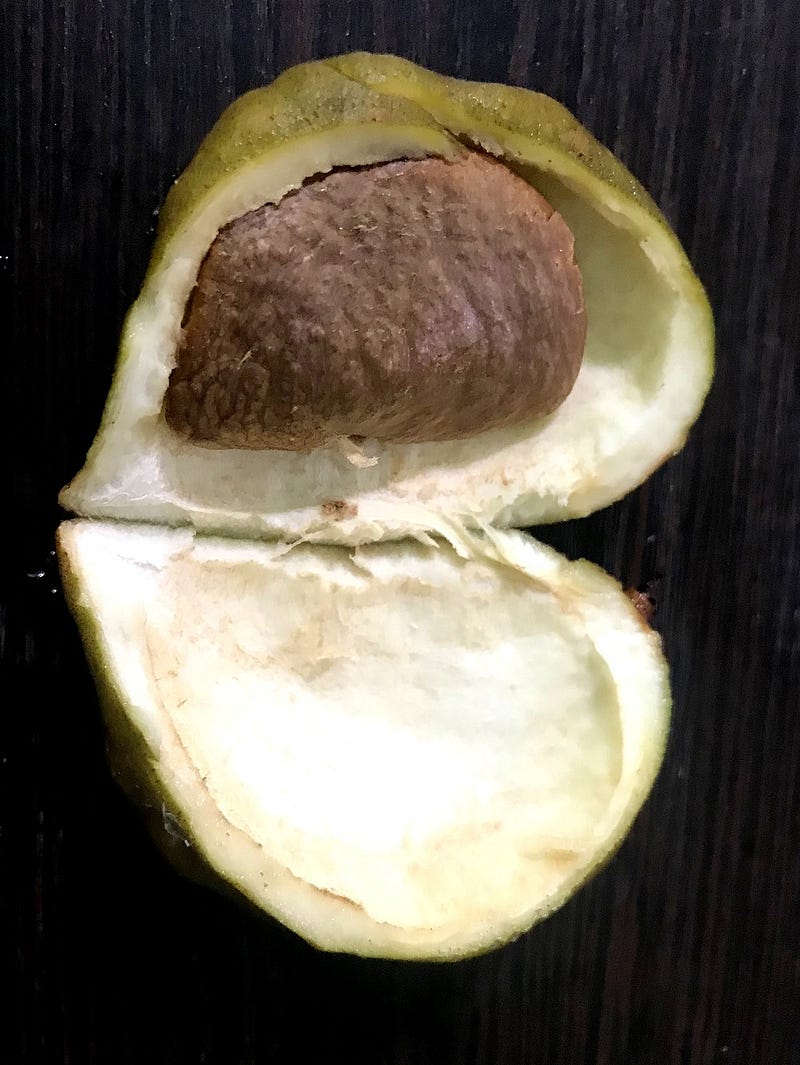
Unfortunately, our Nami-Nan, නමි-නං tree had only one fruit. I recently pruned the excess branches, so we can expect more fruits next season.
This peculiar kidney-shaped fruit transforms into a heart shape upon opening, with a sweet taste mixed with sour. Despite not being native to our region, it is widespread in our households.
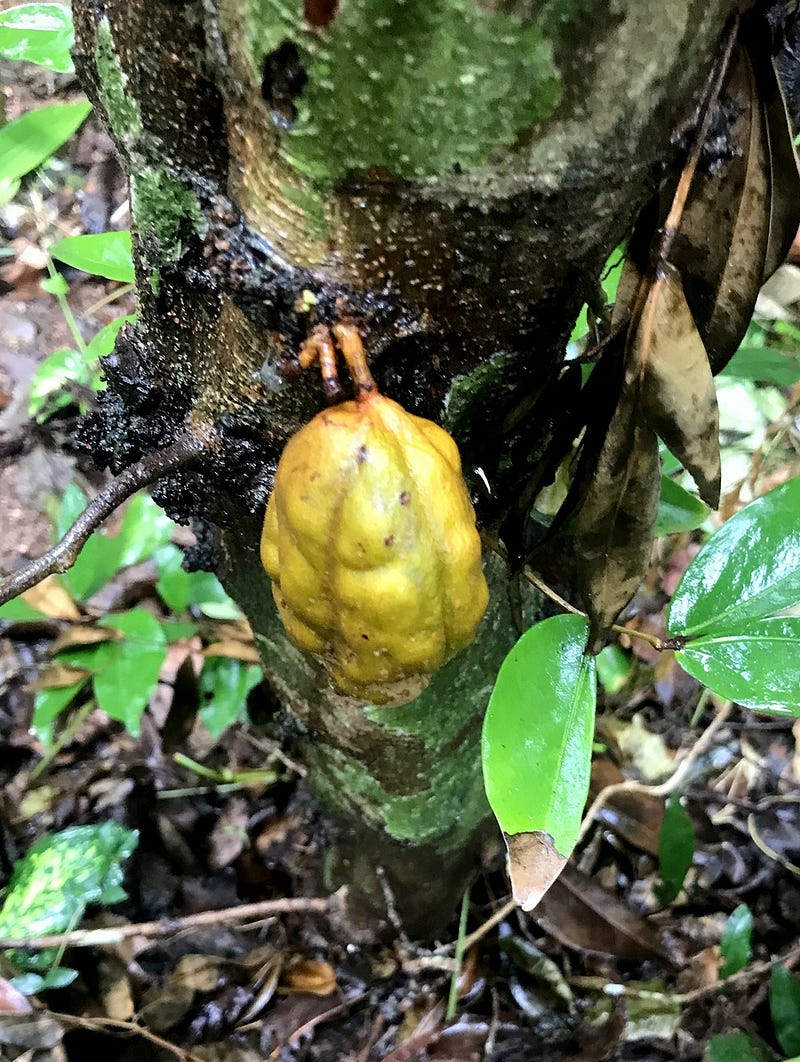
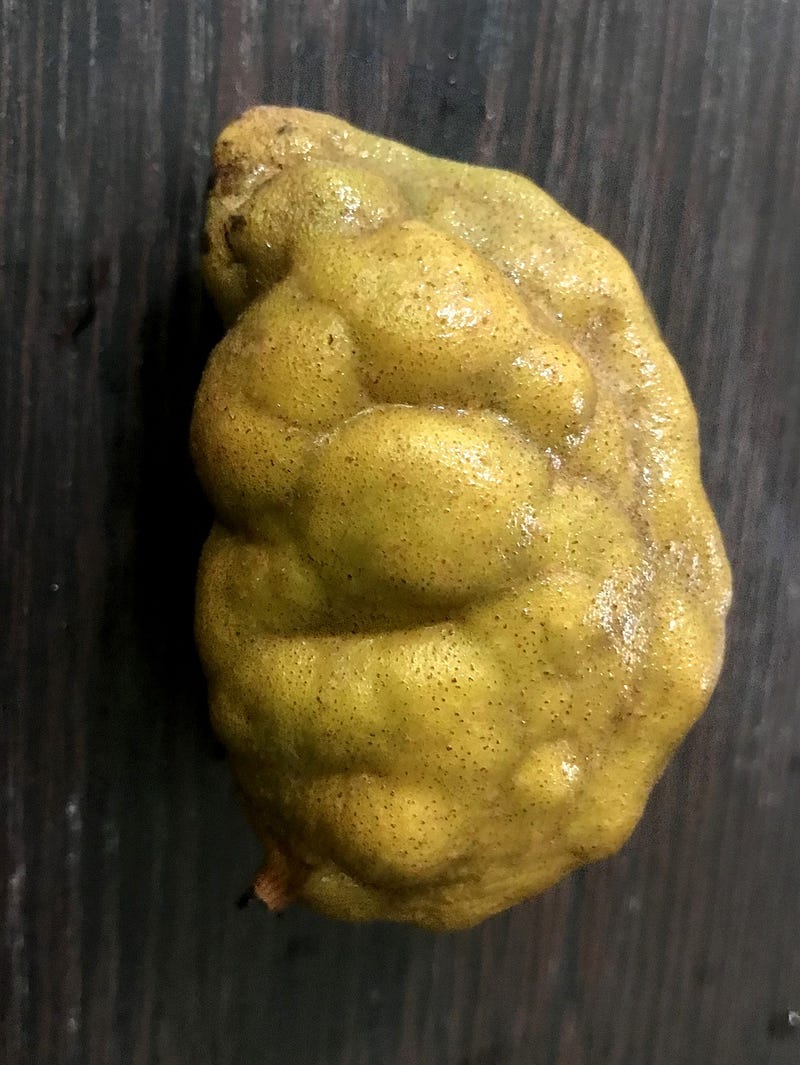
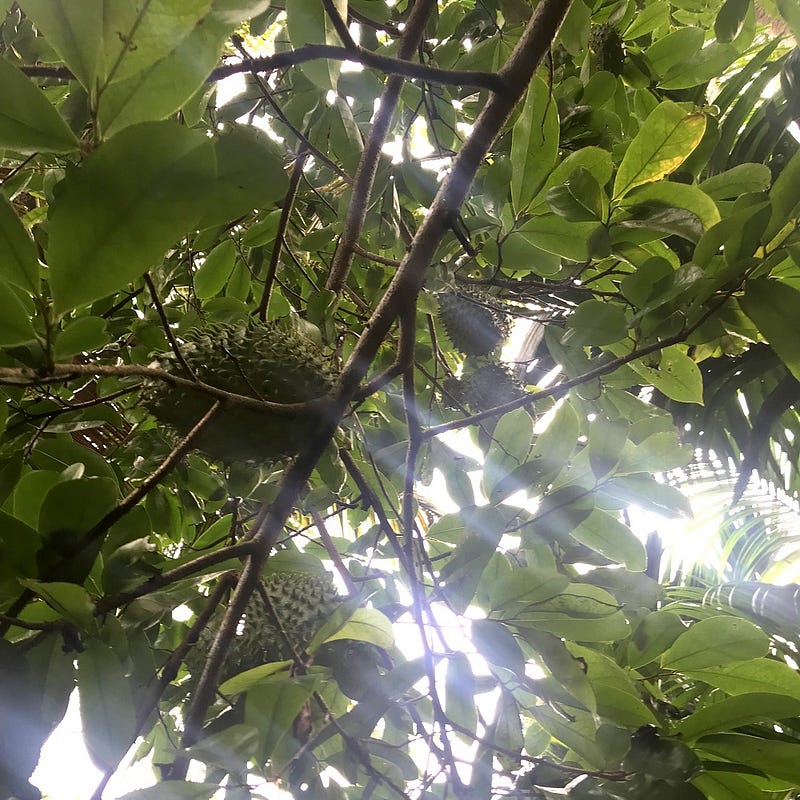
While we’re on the topic of sour tastes, it’s worth mentioning that our soursop tree is filled with fruits, although none have ripened yet. One of my friends on Medium expressed their dislike for Soursop. However, I find it a tasty fruit with numerous health benefits.
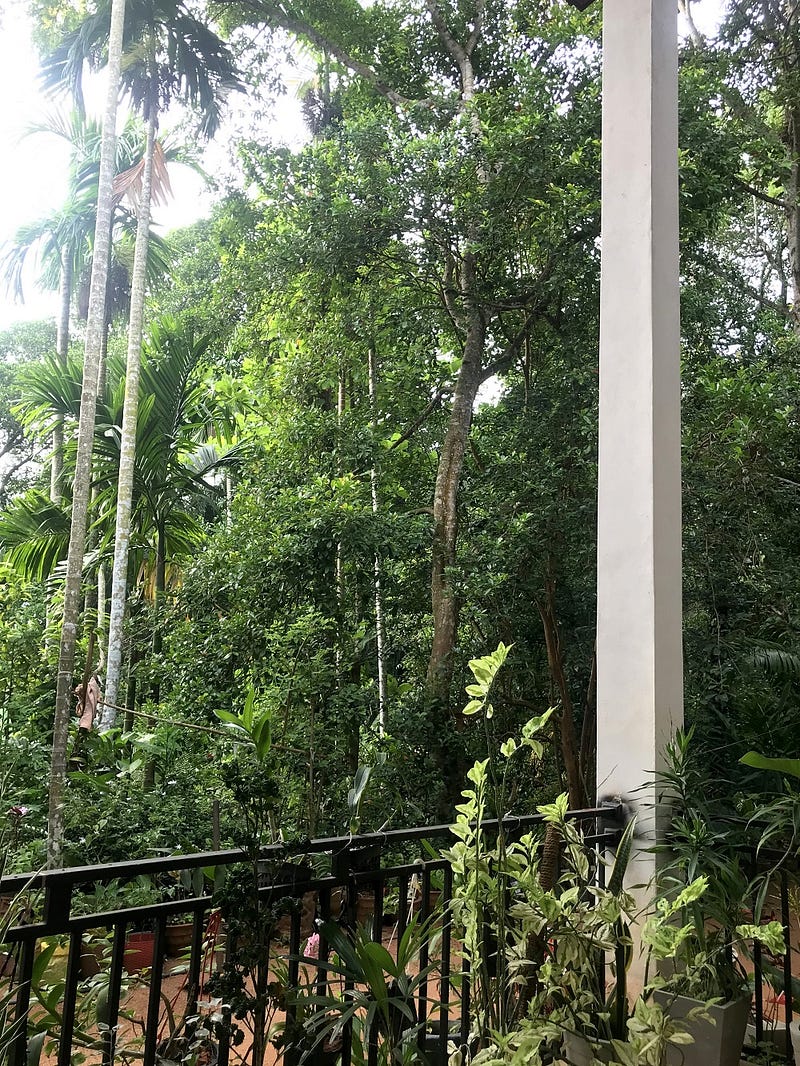
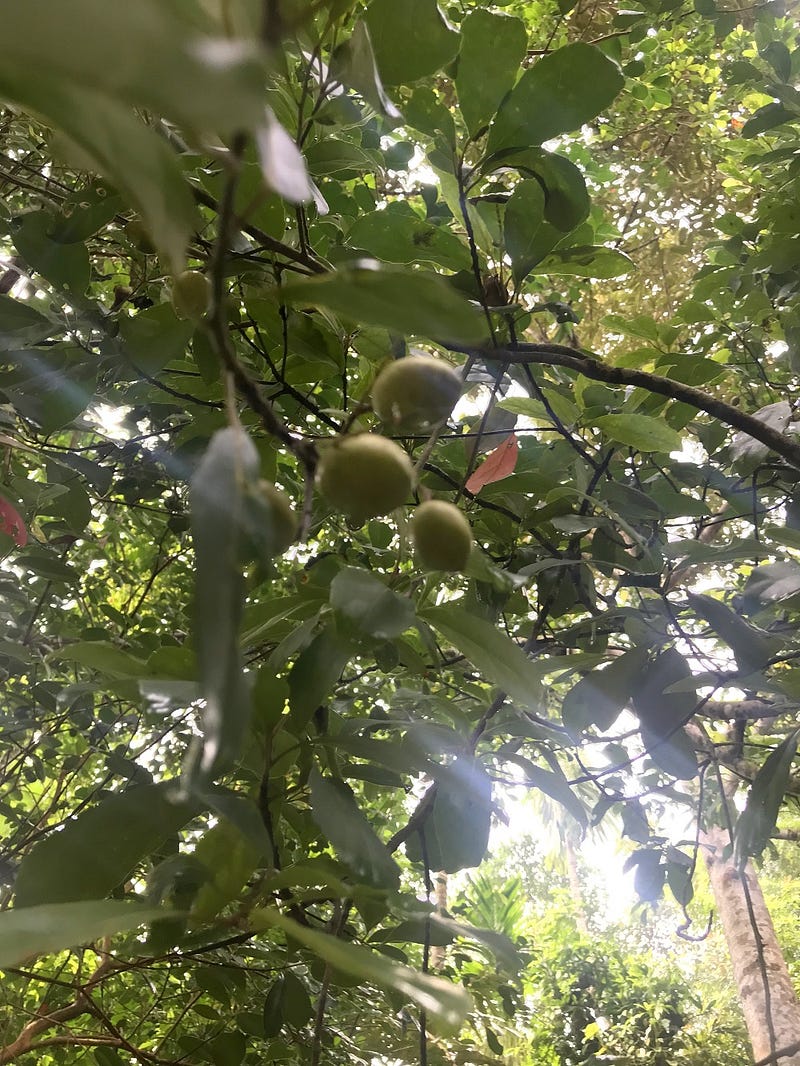
We believe having trees with sour-tasting fruits at the front of the house is good, so we have several of them. One of the trees is the Ceylon Olive.
It bears fruit continuously throughout two seasons, and I am not complaining. My mother teaches at Sunday school, and after school, a group of kids accompanies her to collect the olives.
We had Bilimbi (බිලිං in Sinhala) and June Plum (ඇඹරැල්ල in Sinhala) trees as well. The latter is commonly used for curries, while the former adds sourness to curries. However, both make excellent snacks when enjoyed with a pinch of salt and black pepper powder.
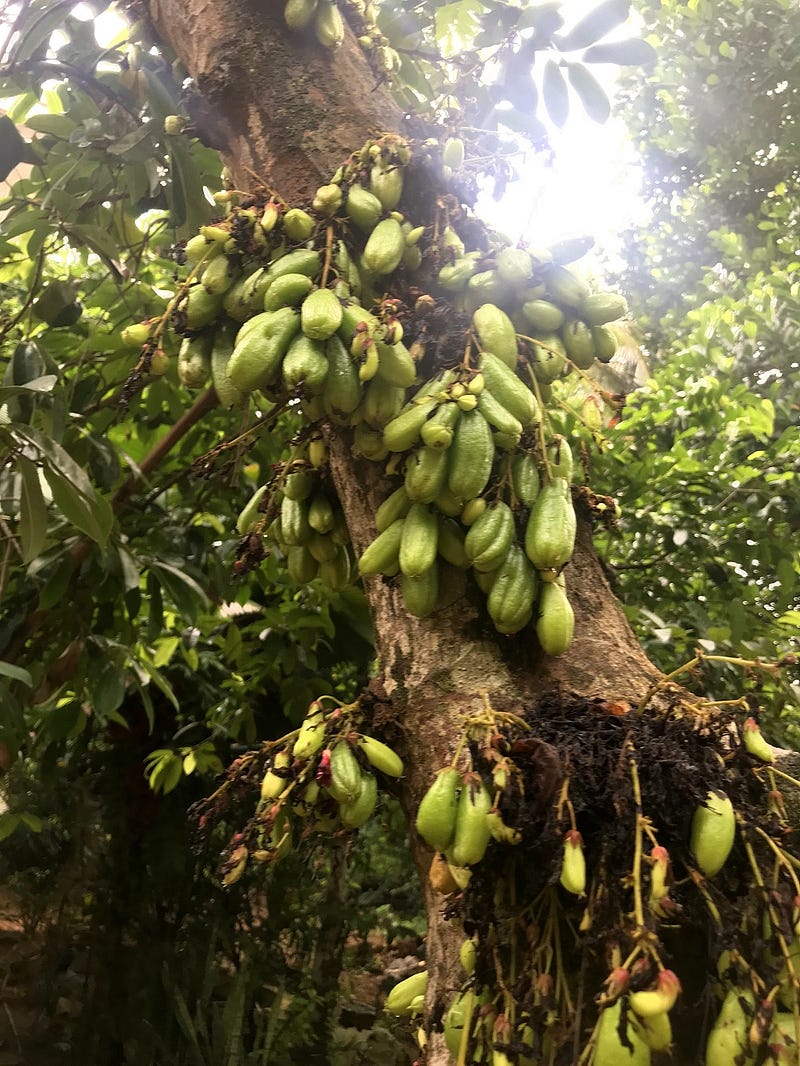
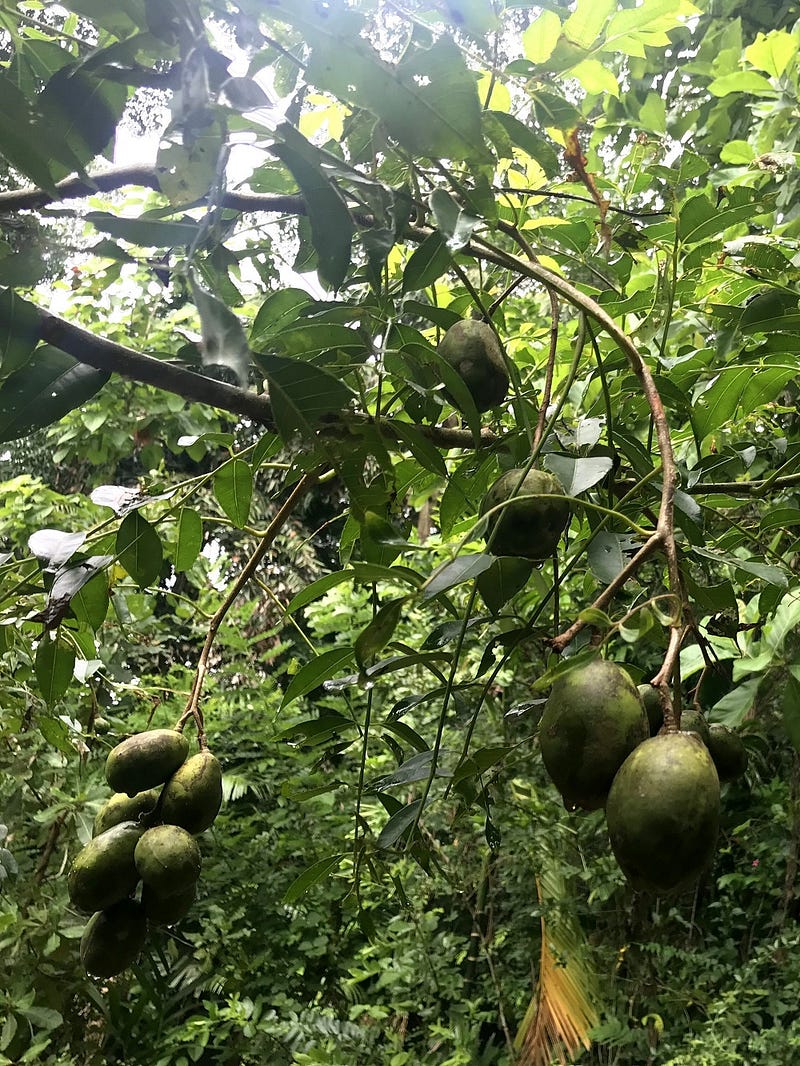
Ah! Now I am in much better shape and a few kilos heavier. Nature has a fantastic ability to heal our minds, and of course, food helps too.
I have another two weeks of busy work, but I am ready now. I hope you have a good weekend, and thank you very much for taking a few minutes to read this.


