
Hong Kong English/Cantonese (XXII)
Misheard Cantopop Lyrics

When a song has lyrics, chances are there the audience get the lyrics wrong. I guess it’s pretty common in English song lyrics. But with the complexity of Cantonese song lyrics writing, we can still have some lyrics that got misheard and sometimes the misheard are fun, though ridiculous.
First of all, let me start with an English song.
Oh shit.
It’s not Fergie’s London Bridge. Instead, it’s a Westlife’s song.
Westlife’s My Love is a big hit, and there’s some famous lines in the lyrics:
Where the skies are blue
To see you once again, my love
The song has “To see you once again” multiple times. However, I don’t know whether it’s with their Irish accent or any other matter, Hongkongers don’t usually hear the exact lyrics, especially for those whose English isn’t very good.

They tend to catch the lyrics as Cantonese words. The results of their own searches of Cantonese words, for “to see you once again”, in their brains are:
屎係黃色嘅
(Shit is yellow)
Obviously no one could hear “to”.
And we thank the ones who got this line misheard. They give us some factual information.
Going back to Cantopop, there are a few reasons for mishearing the lyrics. Therefore, it might be quite easy for us to misunderstand the song, especially when we hear the song the first time. Here are some of the examples.
Going to Macau
In Hins Cheung’s 櫻花樹下 (Beneath Cherry Trees), here’s a famous line that often gets misheard:
如有天置地門外,乘電車跨過大海
(If (I am) on a tram crossing the Harbour outside LANDMARK one day)
The song is originally a story of two people missing chances, since high school, to go further in a relationship. This line is close to the end of the song that it is when they are working.
This is when one realised that the two of them missed all the chances to be together as they glanced at each other on the street but they didn’t interact.
Even though reality is that we can never take the tram to cross the Harbour, LANDMARK is at the centre of the central business district in Hong Kong, it is pretty busy all day that “大海 (the Harbour)” can figuratively refer to the sea of people in the area.
The singer usually enunciate well (because he is from Canton City; he has a slightly different accent from Hongkongers and it perhaps is a feature of his accent), so it is quite ridiculous to have one of his songs misheard. But anyway, people misheard the line and it becomes:
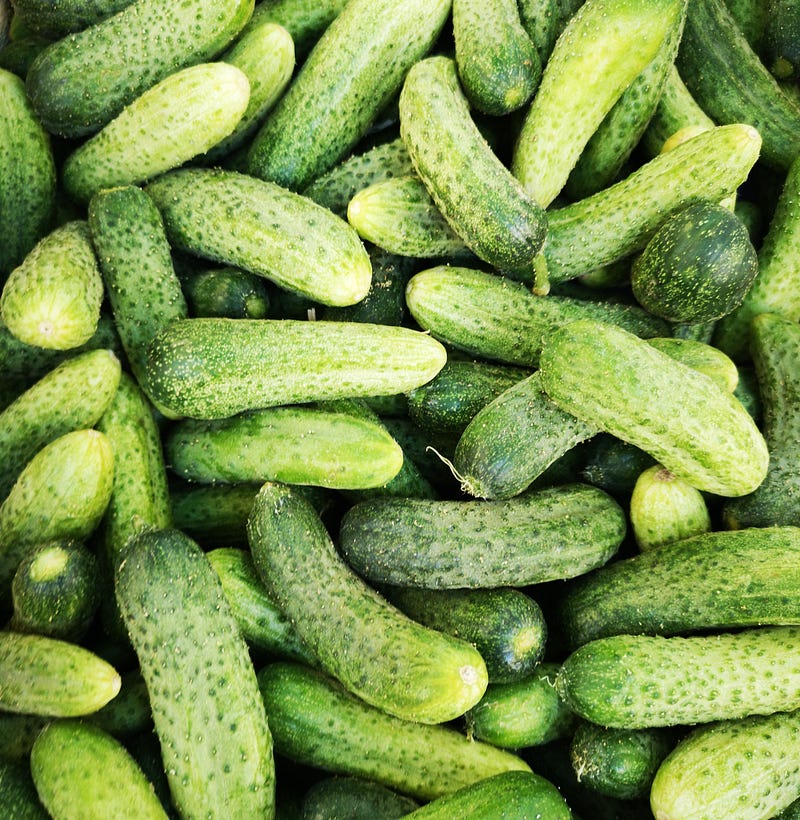
如有天置地門外,成碟青瓜過大海
(If a dishful of cucumbers are going to Macau outside LANDMARK one day)
Here I need to tell you the difference between 過海 and 過大海.
And here’s the map. (In Jay Foreman’s voice)
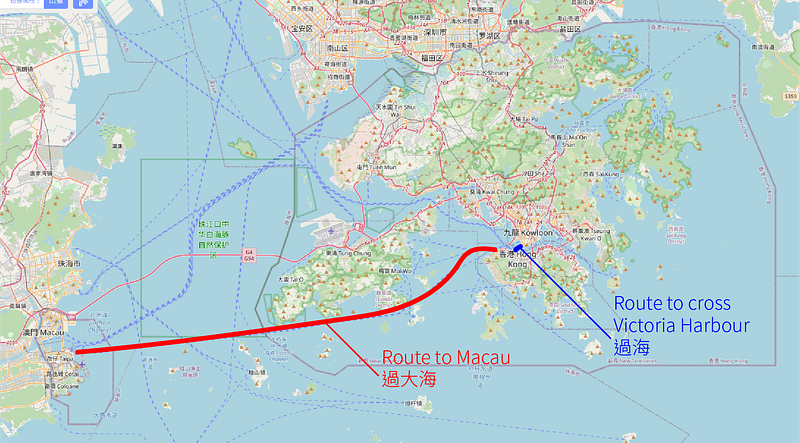
This is generally a difference between the distance between the lands. In the perspective of Hong Kong Island, Kowloon is definitely the other side of the sea (harbour), and so crossing Victoria Harbour is called 過海 (cross the sea).
Then the journey from Hong Kong (the island) to Macau is much longer as people has to cross the mouth of the Pearl River. Therefore, it’s a much larger sea and thus called 過大海 (cross the big sea).
It would be super funny when cucumbers cross the big sea at will. You can see a dish of cucumbers sitting on a TurboJet’s seat? No way, it’s too funny to be true.
Sperm donation?
In the same song, a line in the middle of the song also gets misheard at times.
維繫錯的一番友情,無奈已經不可糾正,太過堅貞
(Our friendship's wrongly connected but unfortunately we can’t right the wrong anymore. The friendship becomes too rigid.)
Yes, the story is destined to have that “cucumbers going to Macau” situation, but that’s how the story is developed.
Going back to the misheard lyrics, the last few words (太過堅貞, i.e. “The friendship becomes too rigid.”) often get misheard as:
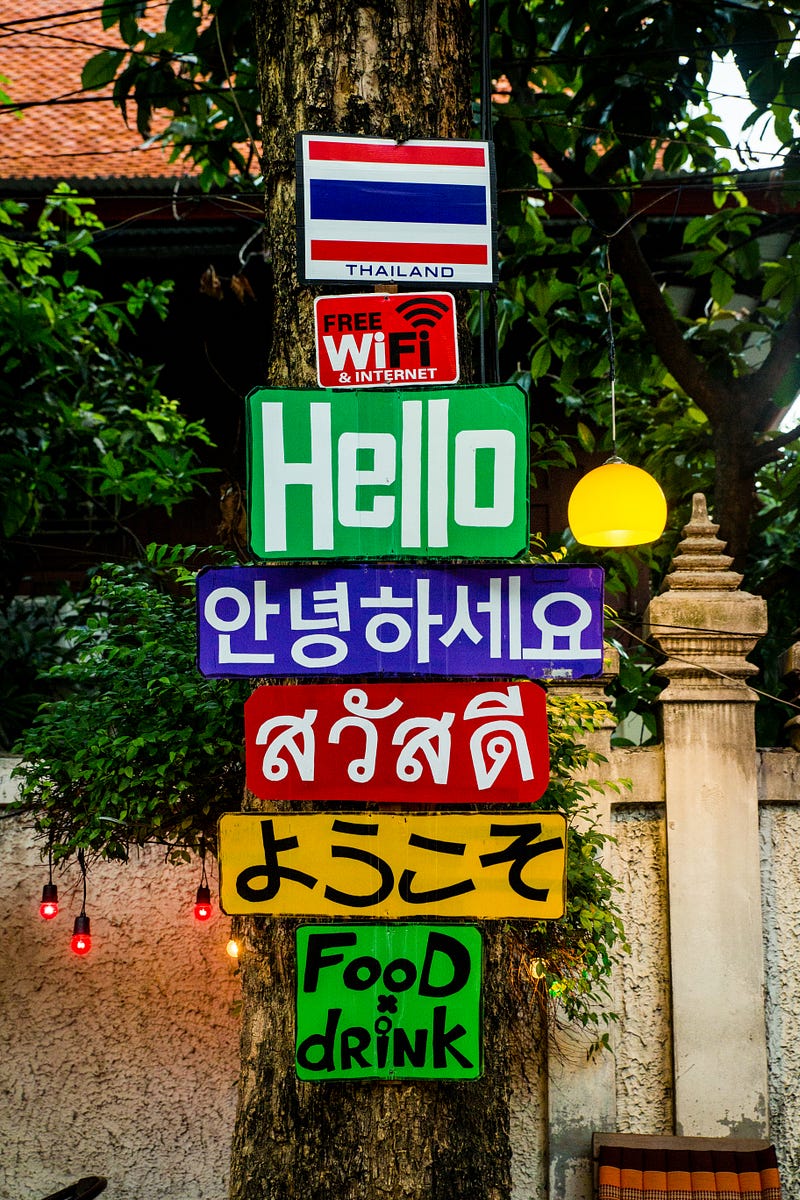
泰國捐精
((Go for?) sperm donation in Thailand)
What’s the connection between the friendship that can’t go further and sperm donation? We don’t know, but it’s worth a laugh because the topic just suddenly changes and “Cathay” just shows up.
Also, this reminds us of some special cultures in Thailand, such as ladyboys. But is it really causing big troubles to have this culture that people from ourside need to go there to “boost” their birth rate? I don’t think so, and I hope my Thai friends don’t mind it.
Anyway, this mishearing changes the story too much and this made some people sing the misheard one during karaoke.
“Objectifying” people?
The previous song gets misheard because of the lyrics, but for this case, it’s about the pronunciation of a word from the singer.
This is the third person pronoun in Chinese: 他 and its equivalents. The pronunciation is written as taa1 in Jyutping (IPA: [ta˥]). However, sometimes when the singers don’t pronounce it well, like “China’s Taylor Swift”, G.E.M. Tang, and Kary Ng who was representing a band called Ping Pung.

Phonetically, it may not be an easy task to pronounce this word well when you have to open your mouth so abruptly (maybe), but they pronounced the word like 叉 (fork, Jyutping: caa1, IPA: [tsa˥]).
Therefore, in these songs, the lines “Just waiting for him (就是要等一個他)” and “You chose her when you wanted excitement (想了新刺激,你挑選了她)” become “Just waiting for a fork (就是要等一個叉)” and “You chose a fork when you wanted excitement (想了新刺激,你挑選了叉)”.
Is it a kind of objectifying a person? I don’t know, but mishearing the lyrics like this is too funny because linguistically, the patient of the action becomes so wrong.
No, to be honest, Hongkongers don’t like G.E.M. Tang very much. There should be multiple reasons, but I just can’t remember any of them. Now, she does pretty well catering Mandarin-speaking market and I guess we don’t need to care about her.Almonds
Let’s talk more about Kary Ng and her songs.
Ng originates from a girl band called Cookies, which grew from 6 girls to 9 girls, but then the change of management made the group shrink to only 4 girls before the group’s dismissal.
She wasn’t the most eye-catching in the group (Stephy Tang was), but I think a lot of people agreed that Ng was the best singer in the group. She was the second one in the group who started solo career (after Tang). She was first in the group Ping Pung and then she really started singing her own songs.
Then one of her solo songs, 愛你變成恨你 (Love Becomes Hatred) got misheard.
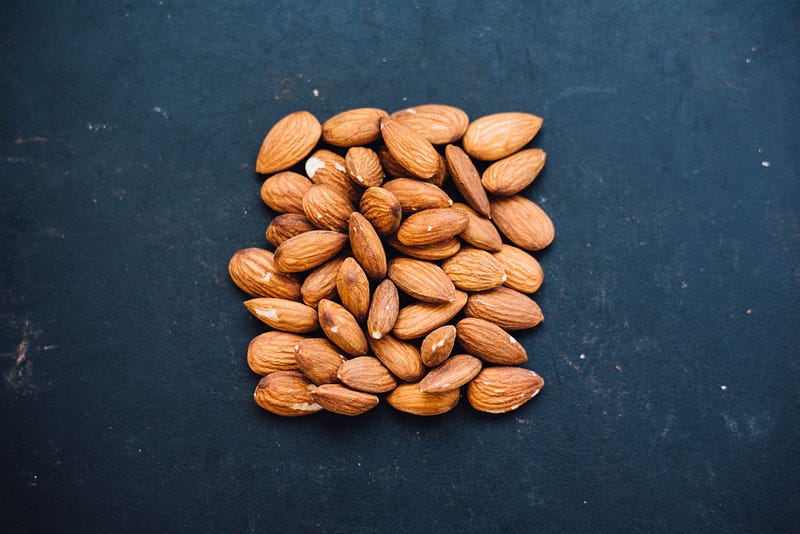
I am just wondering how much Hongkongers love food that it’s usually related to food items when hearing the lyrics wong.
But anyway, the original lyrics was “恨人亦要花氣力 (Hating people takes effort too)”. It was originally a story of a girl, supposedly, who was dumped by her partner and she then started to convince herself to hate that person.
People get the lyrics wrong because of a phonetic sound change, some people would get Cantonese -n and -ng endings confused. The only difference between 恨人 (Jyutping: han6 jan4), which means “hating people”, and 杏仁 (Jyutping: hang6 jan4), meaning “almond”, is the ending consonant of the first word. For those who confuse the two consonant endings, they don’t seem to get the difference between “hating people” and “almonds” easily. That’s why some people misheard the lyrics as “杏仁亦要花氣力 (Almonds take efforts too)”
Do people have a picture of an almond doing heavy work? Because I do, and that is a sweet apricot kernel (南杏) doing heavy lifting.
Can’t let go
When I was small, there was a famous brain teaser relating to Cantopop around students around my age:
Who can’t Sammi Cheng let go?
And the answer was: her granddad.
It’s all because of her song in 1995, 捨不得你 (Can’t Let You Go). One of the lines in the chorus was:
我捨不得你
(I can’t let you go.)
But the problem is that there are two “Yeah”s immediately after this line. Since the two “yeah”s sounds like Cantonese’s 爺爺 (paternal grandfather, Jyutping: je4 je2 / je4 je4), the line sounds like “I can’t let you go, granddad” to some ears.

And so the brain teaser’s answer is set to “her granddad”.
However, when I thought about this brain teaser again, it could be worse.
Chinese linguistics allows structures like 你爺爺, and in this case, it can mean “your paternal grandfather”. Therefore, the line can then become:
我捨不得你爺爺
(I can’t let go of your granddad)
Wow, the relationships here are so complicated.
King of fruits
While Hongkongers are currently busy with cancelling Eason Chan for his support of China, I’d like to mention that one of his early songs is famous for being misheard.
His song 幸福摩天輪 (Ferris Wheel of Bliss) in 1999 has two similar lines:
天荒地老流連在摩天輪
(Forever staying at the Ferris wheel)
當生命似流連在摩天輪
(When life’s like staying on the Ferris wheel)
These two lines get misheard because of homophones.
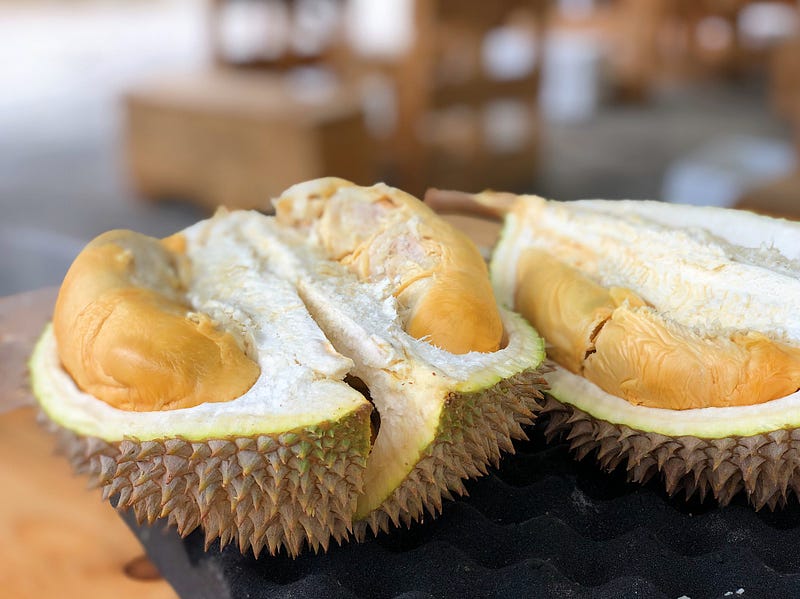
流連 (wander) and 榴槤 (durian) have the same pronunciation in Cantonese. (So do Mandarin.) Therefore, so people got confused by the lyrics and thought why putting durians on a Ferris wheel.
Imagine putting some “king of fruits” on a Ferris wheel, London Eye for example. How disturbing it is to put them there, even people aren’t eating them on the Ferris wheel. If they do eat durians on the wheel, it could be worse as not everybody like this fruit. Can you really enjoy the views from a car with a durian?
And some parodied lyrics when the song was released did write “put durians onto the Ferris wheel”.
Right, Hongkongers usually mishear song lyrics for food. We do love food.
Some sections to add:
Mishearing lyrics can really be fun sometimes, as this also shows how creative people are to fill in the gaps that they can’t really catch.
But can Hongkongers please stop thinking about food all the time?


