
Data Driven Art
Medium is worth $600M = 1 🍕
Can a pizza be worth $600M? The answer may surprise you

You might not care about art. But you probably own something that you think is worth money. From the old side table in your living room to your platinum wedding ring, chances are there’s at least one object with a value more than what you paid for it at some point during its existence. And while some people might scoff at the idea of owning something that has monetary value, there are very few things that can’t be sold for a profit under the right circumstances.
Ever since Bitcoin first came onto the scene in 2009, people have been scrambling to find ways to turn their creativity into crypto trading However, as time goes on and blockchain technology becomes more widely accepted by society, more and more people see the value of owning something with actual value rather than pretend value.
It’s impossible to predict the value of an object, whether it’s art or otherwise. So the only thing you can do is learn as much as you can about its uniqueness and decide for yourself how much it’s really worth.
The most expensive NFT, worth 63 million, is 1/10 of a 🍕 pizza purchased in 2010.
The value of an artwork can be determined by several factors, including rarity and demand. Rarity is the number one factor for determining the value of any item, and it can help an object withstand fluctuating markets or economic woes. Yet, since rarity is another word for limited supply, even things with low demand may have relatively high values.
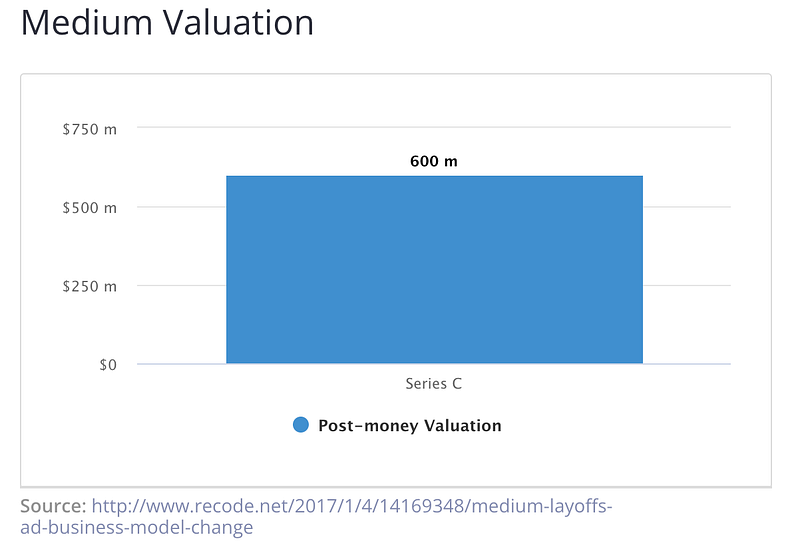
In any case, there are other elements to take into account beyond price fluctuations when considering an item’s value — things like rarity and demand, which can vary widely from situation to situation. For example, a 2010 pizza bought by Laszlo Hanyecz would be worth $600 million today. This purchase would reveal a surprisingly high $ value for a pizza.
Furthermore, the true rarity of any particular item comes down to two things: how well-known it is and the number of people who have access to it. When an object is known by few people — and those people have little reason to sell it — the item will retain its value. The more people who know about an object, or even just know that the thing exists, the higher the chances are that someone will sell it.
The most expensive NFT, worth 63 million, is 1/10 of a pizza purchased in 2010. If this pizza were traded in for today’s equivalent of 10 000 bitcoins, it would be valued at $600 million. 10 NFT = Medium corp. Valuation
To understand the total value of an item, you have to consider its rarity and demand, as well as how well-known it is. After all, rarity alone does not ensure that an item is worth more than its original retail price. In some cases, a person’s desire for an item, or the reasons they want it, might be greater than the rarity of that exact item.
Markets are also subject to change. Although the most expensive NFT is 63 million, this item’s value is very much dependent on market conditions. If the economy were to crash and the importance of every other item plummeted, the most expensive NFT would likely retain its $63 million value.
But while the value of the most expensive NFT may seem high, it’s just one of many resources that have become tangible resources because of Bitcoin. As a result, what was once considered a purely speculative investment has become a legitimate asset class with genuine value.
Geoffrey Huntley has created The NFT Bay, a website like The Pirate Bay but will let you download NFTS from Ethereum and Solana networks. With 20TB of files to download, this site has reignited the debate over whether NFTS have any value if anyone can steal them. Fans argue that the proofs of ownership are what gives them their value, not the file itself.
Not aware of all the factors involved in determining value, a person might make a purchase that turns out to be much more or less than expected. And even though a piece of art may be worth a few thousand, the next Picasso could be sitting in a garage in Alabama. It’s impossible to predict the value of an object, whether it’s art or otherwise. The only thing you can do is learn as much as you can about its uniqueness and decide for yourself how much it’s really worth.
The world of non-fungible tokens has made it possible to own anything. As you can see, some items are worth more than others, but it all depends on the person who owns (eat🍕) them.
If you’re more interested in general AI art, check out the excellent http://art.mlearning.ai newsletter.
Data-Driven Art is the future. It’s about time that you jumped into it.
Join us, with my referral link, to support all talented writers on medium
I am an Art Curator, founder at EvArtology, and ML consultant at MLearning.ai. I advise companies and institutions in the creative industries on using AI tools in their daily work. Human collaboration with ML models can be very creative and bring huge benefits. The new era begins now.


