
GLOBETROTTERS MONTHLY CHALLENGE
Medieval Mdina and its Fortified History
It was more than just a capital
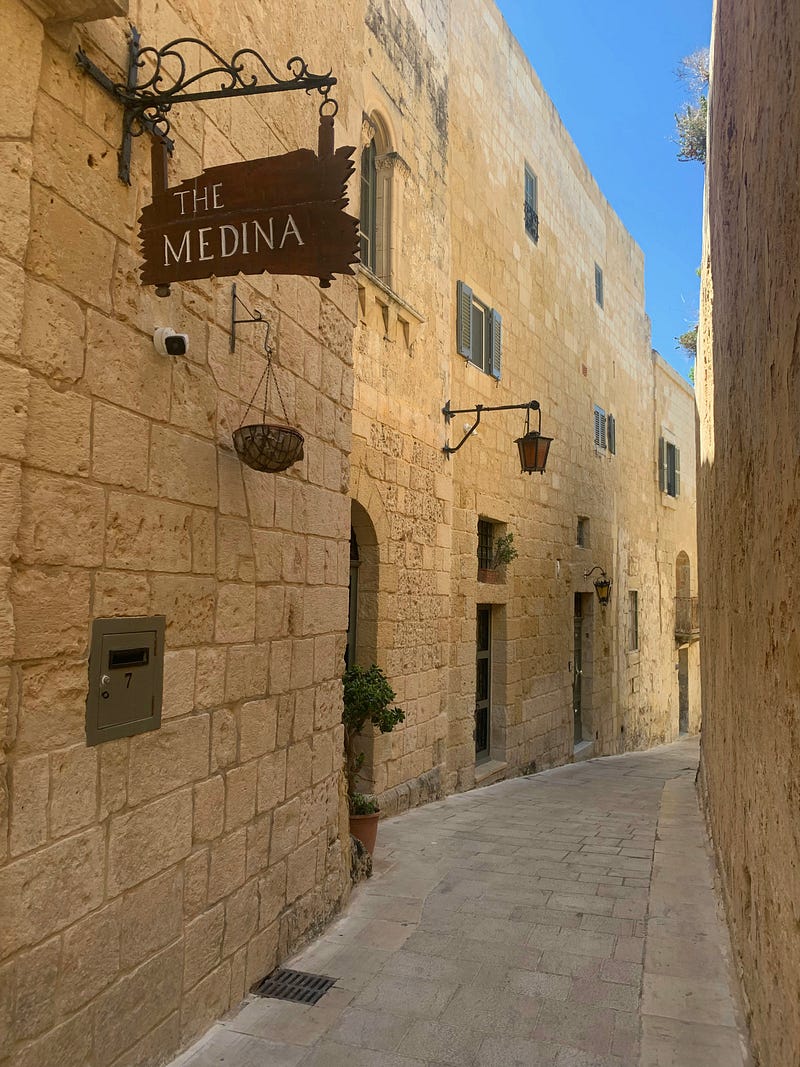
The clacking of hooves echoes between the narrow streets of this ancient town. Roman streets are leading between fortified walls and buildings made of bricks deeper into past centuries.
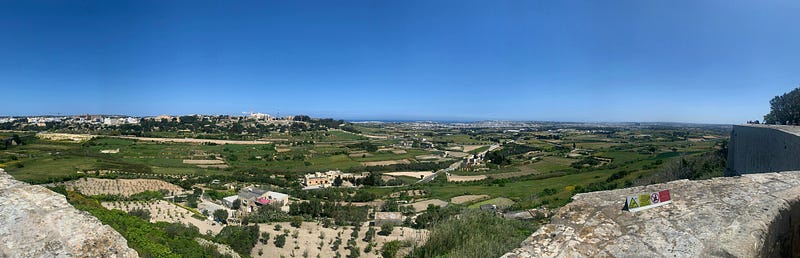
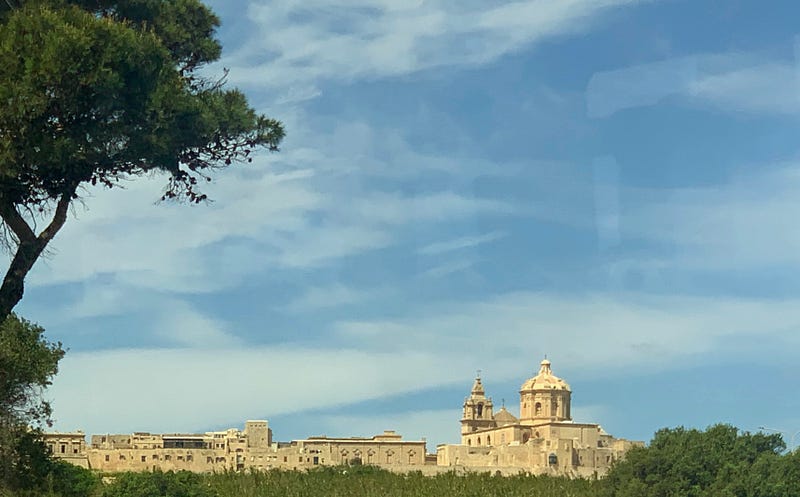
Mdina used to be the capital of Malta, a country small and almost overlooked on the European map but an island rich in culture and history. The town is one of Europe's finest examples of an ancient walled city.
We kept our visit to the very last of our stay in Malta. We slept the last two nights in Rabat, which stands for the suburb and surrounds the ancient town of Mdina where only about 250 residents are still living in.
After checking out on our last day in Malta, we still had a few hours until our flight and decided to dive into the country's history. No other place would have been more suitable than Mdina.
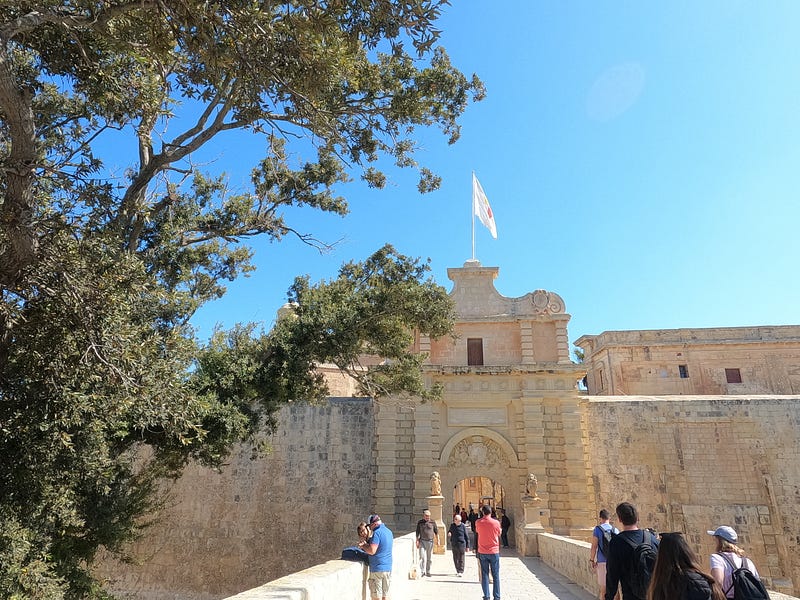
Walking down the streets, the crowds got bigger as we neared the fortified city. Tourists were swarming toward the gates.
Mdina, an ancient city with very little traffic as only a few residents are allowed to drive cars inside, is best explored on foot or by horse.
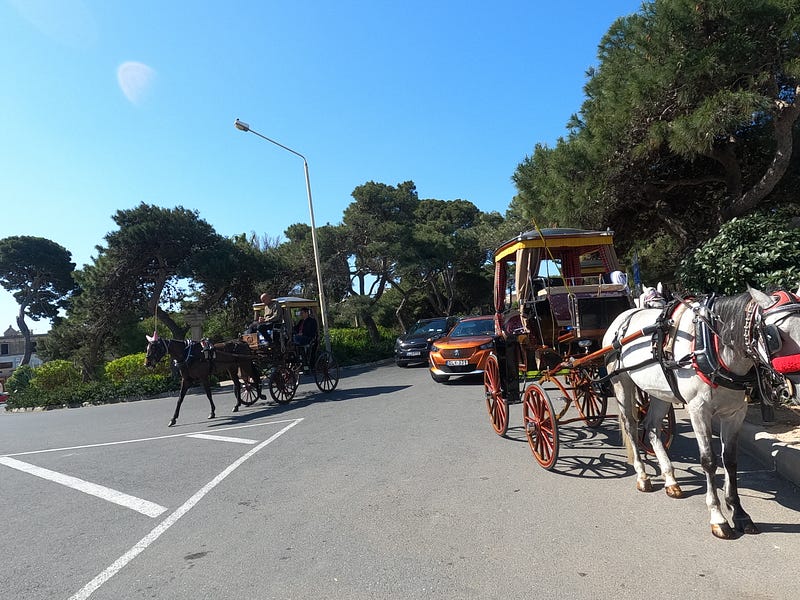
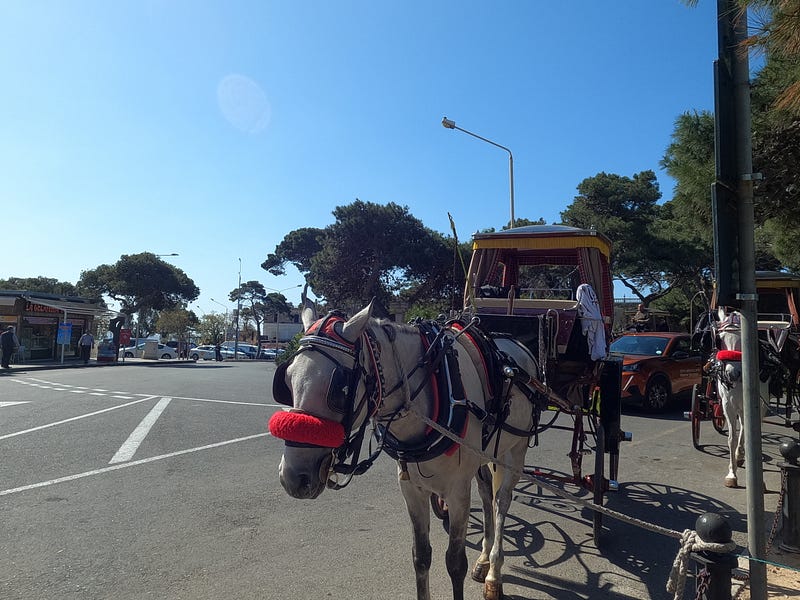
We hadn’t done any research on the island or this city as we jumped onto this adventure last minute and were therefore excited about everything we saw.
“Mdina was first inhabited and fortified around 700 BC by the Phoenicians and was at that time called Maleth. Mdina benefits from its good location on the island’s highest point, far away from the sea.” — Malta.com
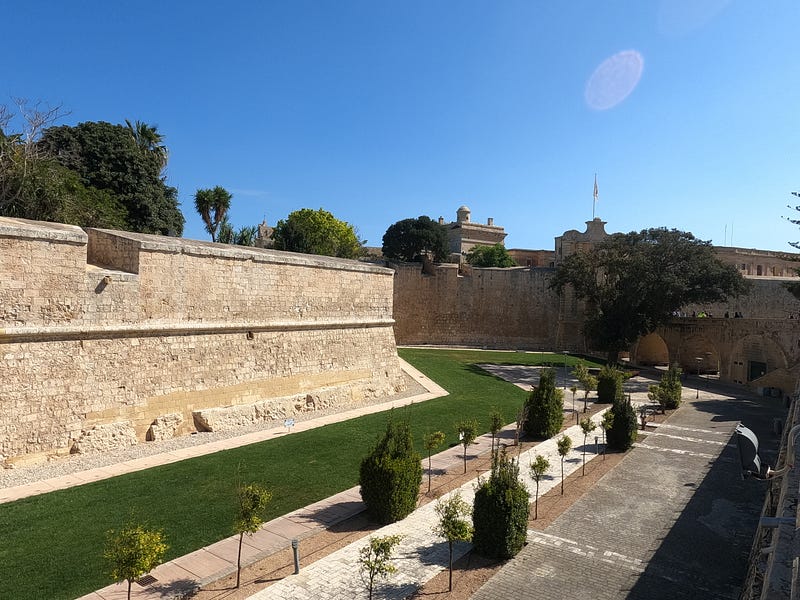
Countless nations have lived on and invaded the islands making out the country of Malta today. As we walked between these ancient buildings and past old stone walls, we got talked into booking a ticket for the Mdina experience.
We didn’t quite know what to expect but were ready to watch a movie and walk through a museum. It ended up being mindblowing and incredibly informative.
“With the wealth of its heritage, the warmth of its climate and the hospitality of its inhabitants, Malta is an excellent geographical location at the heart of the Mediterranean where 7000 years ago travellers from the larger island of Sicily arrived, settling in the archipelago, living in caves and building stone temples. The Phoenicians followed opening a trading post for the Mediterranean Northern Areas. The Romans colonised the island and transformed it to a Province of the Roman Empire with the city of Mdina becoming their administrative hub.” — The Mdina Experience
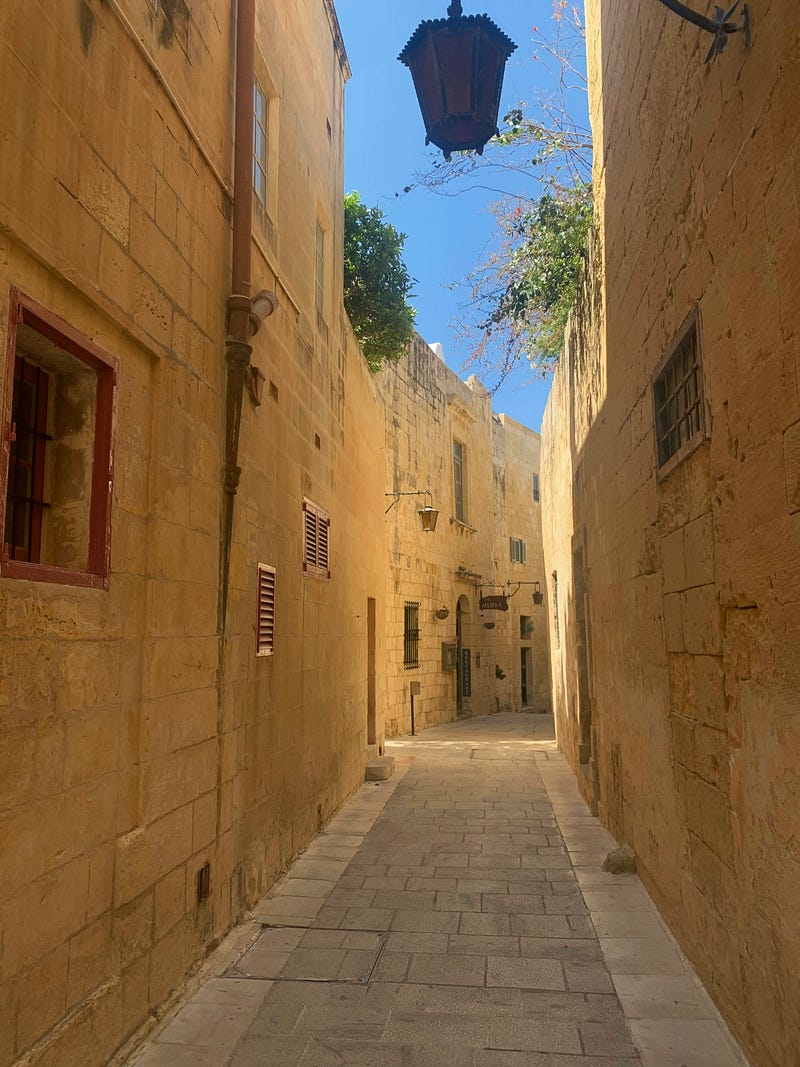
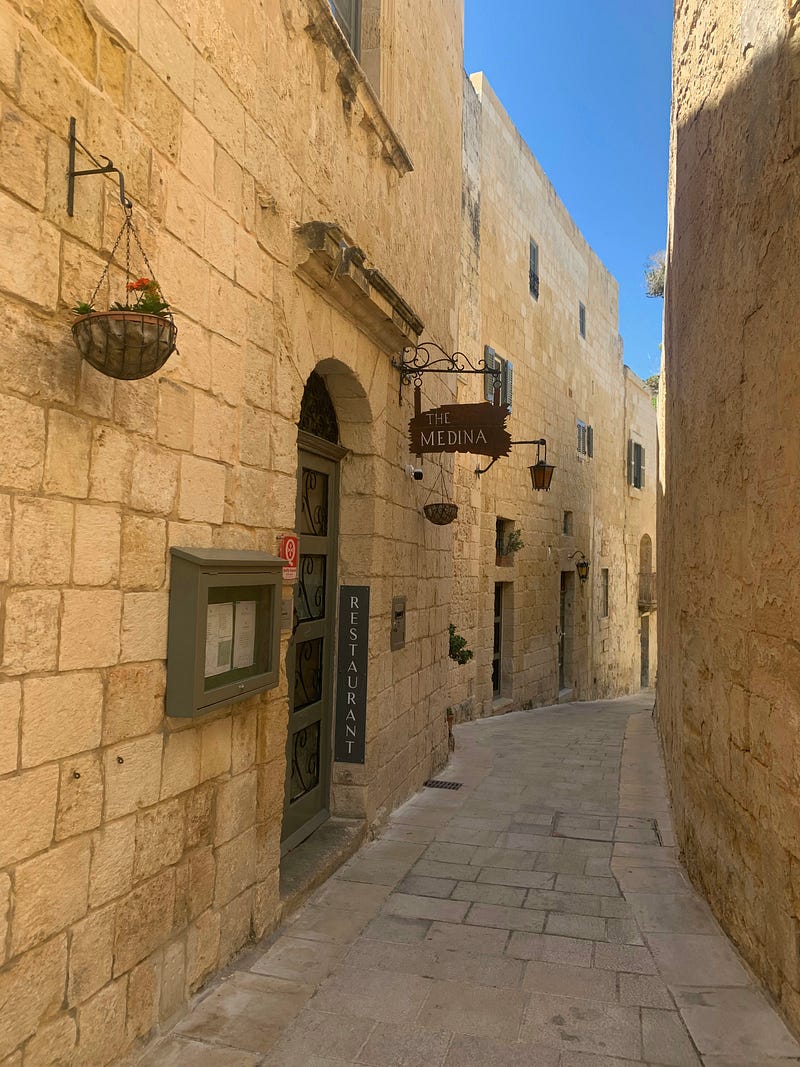
St. Paul, who was stranded on the island, brought Christianity to the country and the people who worshipped the old gods. While the archipelago was dominated by many different dynasties (Normans, Angevins, Castilians…) over the years, the Knights of the Order of St. John were the ones who transformed Malta.
When the Knights of Malta became stronger and independent in the sixteenth century, the Turks became aware of the rising force and decided to invade the islands.
The Ottoman Empire sent 40,000 soldiers to conquer Malta which had only a few hundred knights and a few foreign soldiers to protect its land. The Turks had planned on capturing the country within a couple of days but they didn’t count on the incredibly fortified cities the knights had built in Malta and their tough fighters.
The fight lasted for over four months when the Ottoman fleet was standing in front of the gates of Mdina but couldn’t penetrate through into the capital. The empire had lost too many soldiers and had to retrieve with only a few thousand men left.
The Siege of Malta is today known as one of the most savagely battles of the sixteenth century but the Knights of Malta had protected their people and land.
“The successful Maltese and the Knights Hospitaller shattered the Ottomans’ honour of invincibility and halted their advance into the western Mediterranean.” — The Mdina Experience
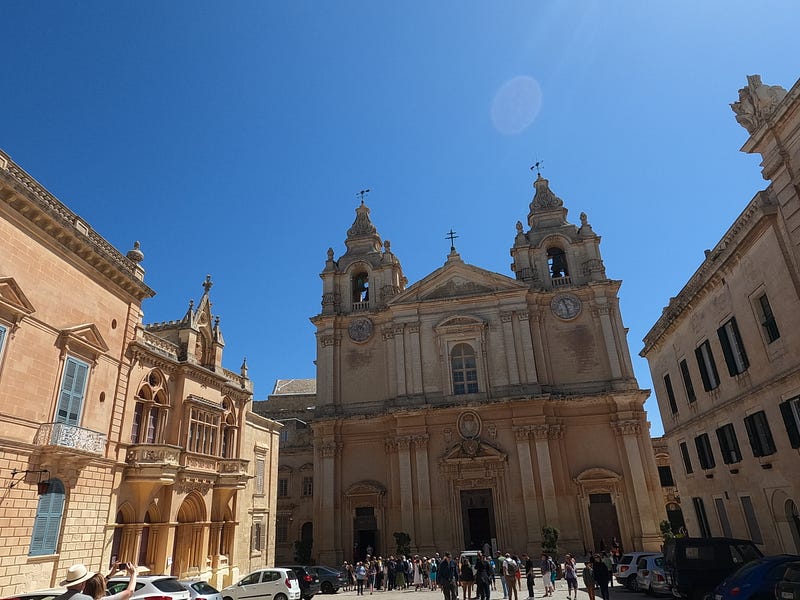
Only later in history, the Maltese lost to a simple pencil line when the French territory took over the leadership. However, the Knights of Malta decided to let go of their duties as soldiers and only continue their work as medical workers.
The Malta Hospitaller are still active throughout Europe to this day.
After watching the intense but very informative and fascinating movie, we walked through the museum where real-sized statues were displayed and more facts were shared.
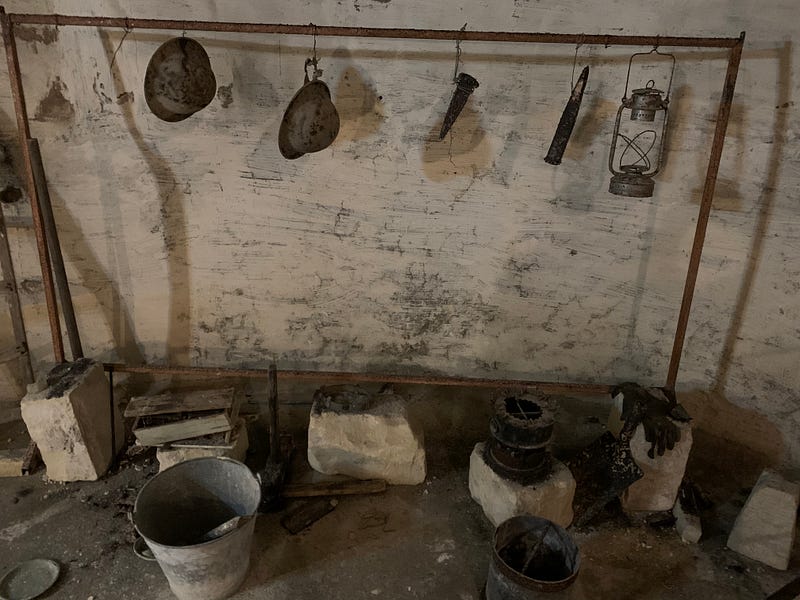
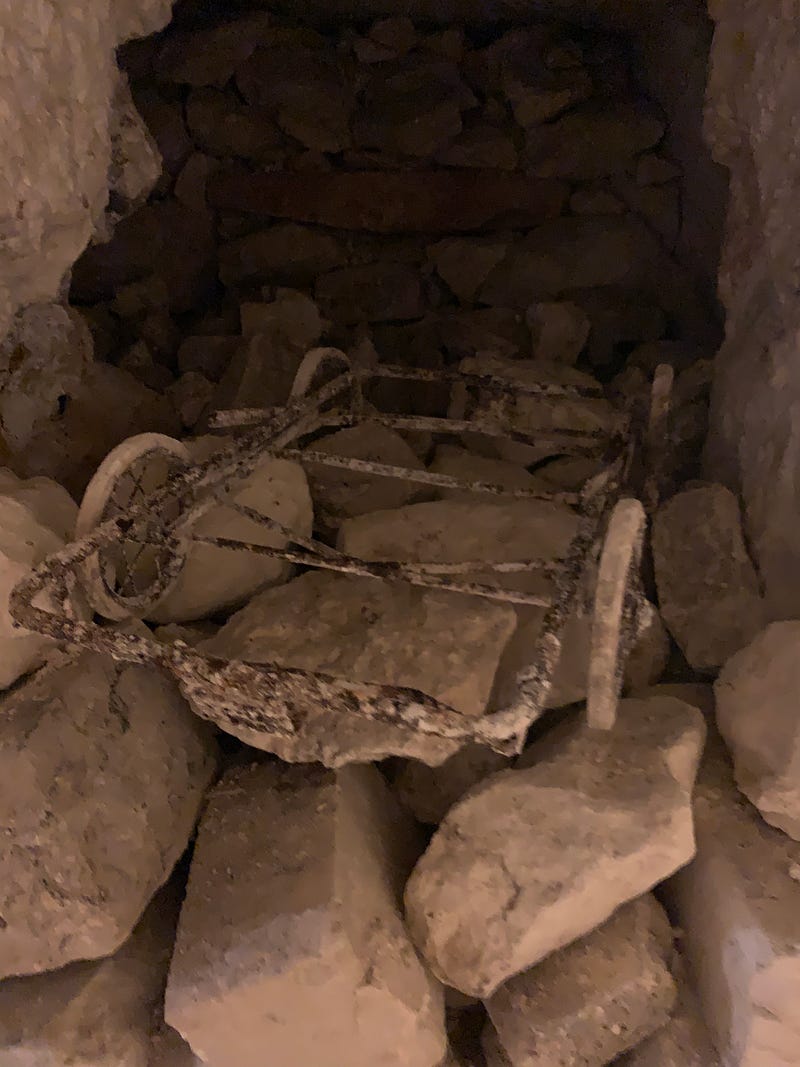
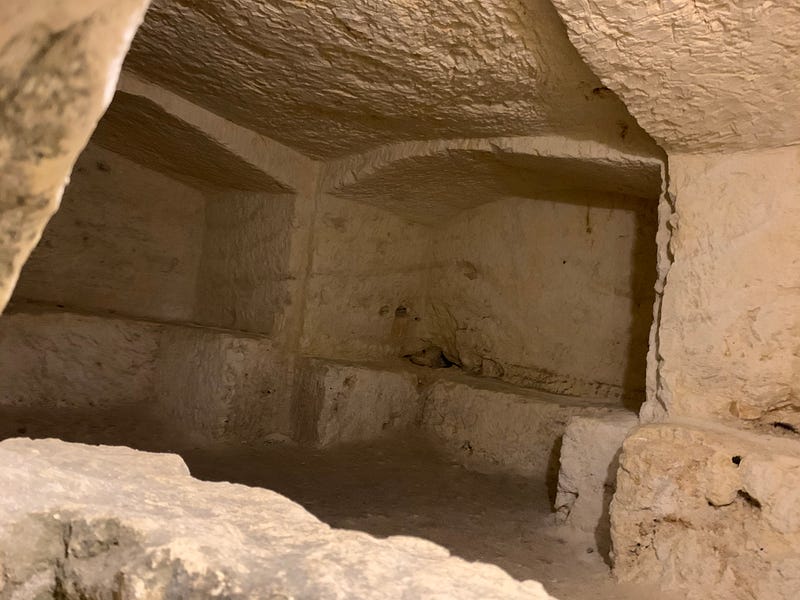
The previous days already we had visited the catacombs of St.Paul which are located just outside of the old city of Mdina. Those were also very interesting cave systems with countless rooms and bomb shelters.
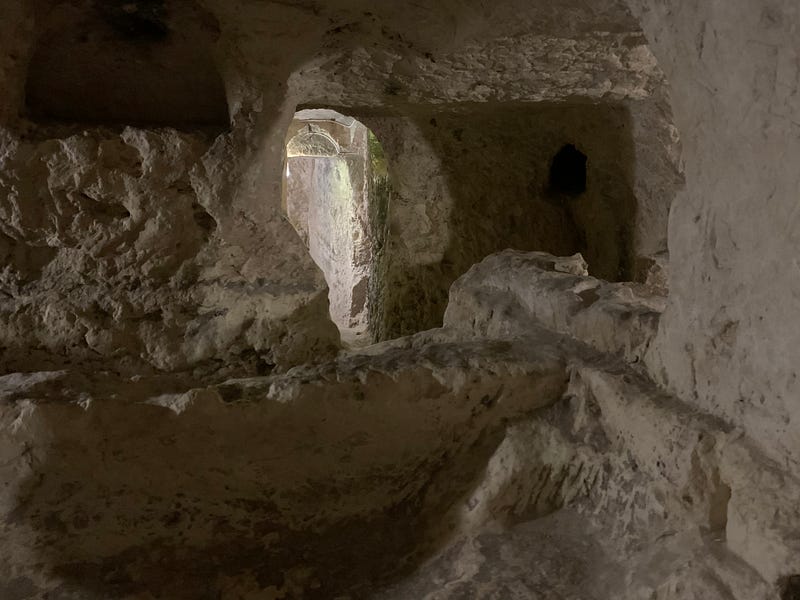
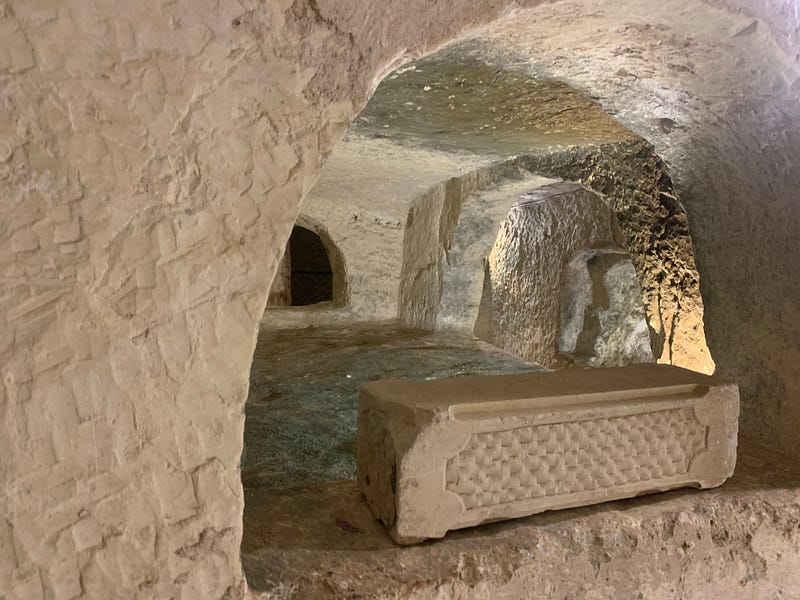
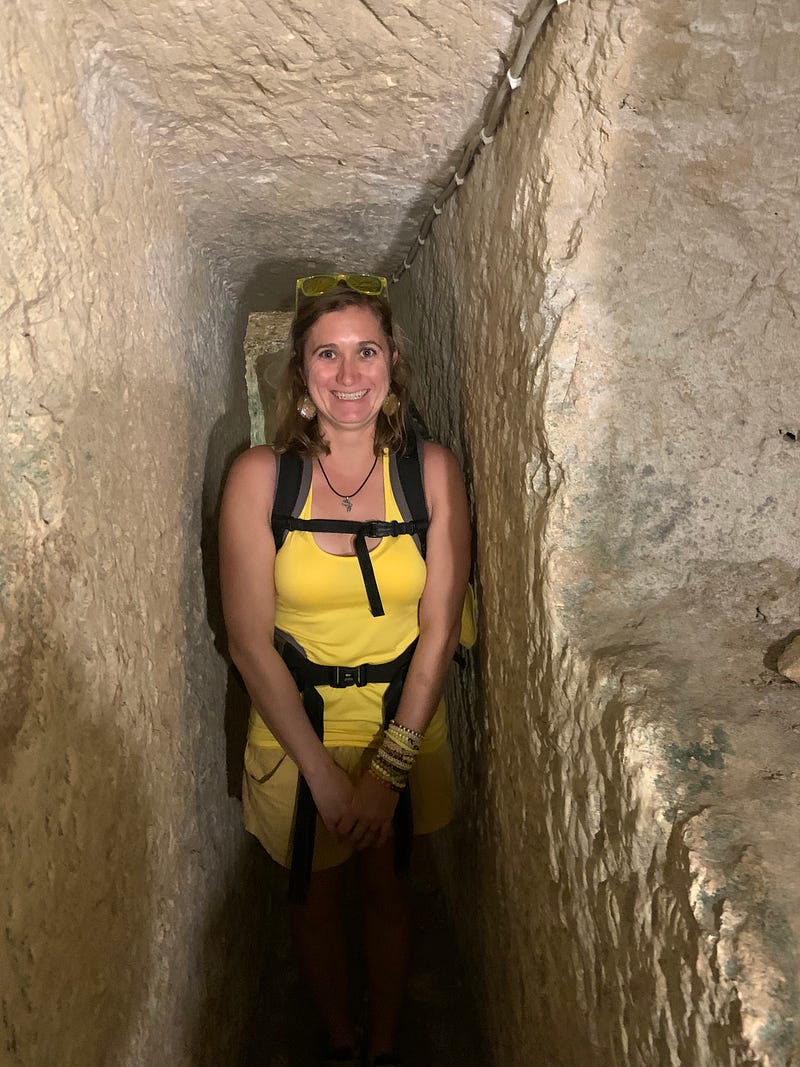
Some alleyways were very narrow and my shoulders were almost too broad to walk through.
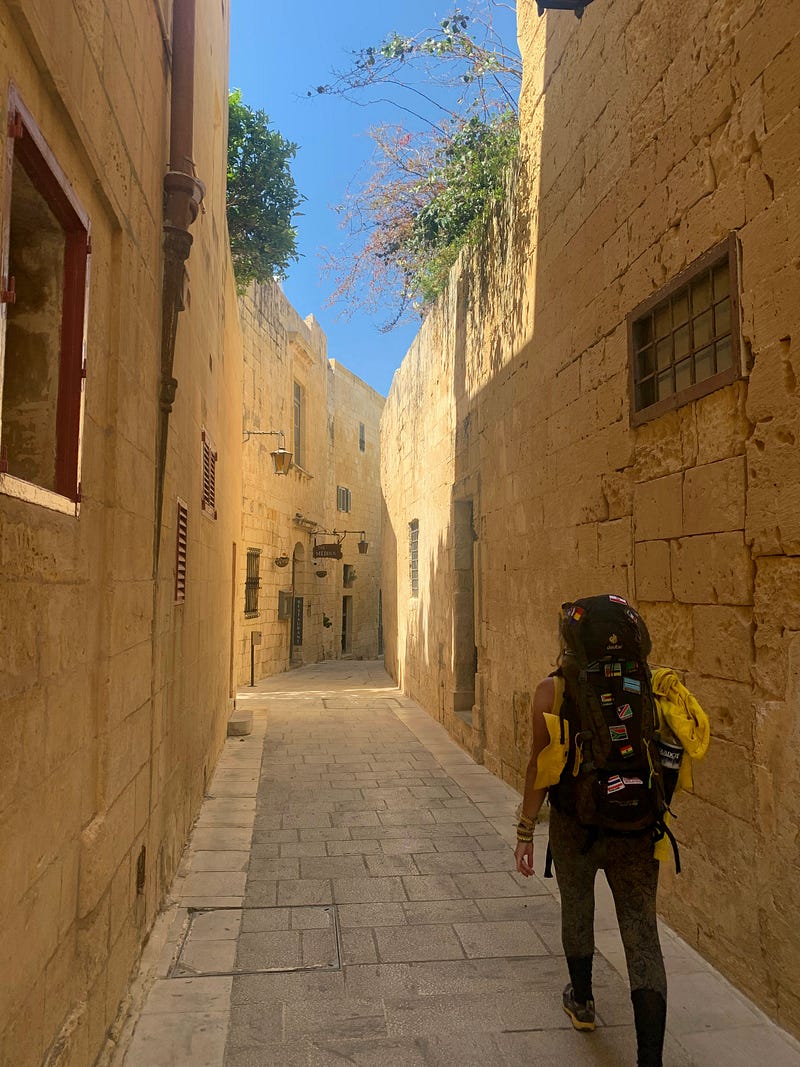
After the darkness of the movie and the museum, we were now blinded by sunlight and blue skies. While many tourists were walking around on the main streets of Mdina, we just had to turn left once and found ourselves on some hidden side streets.
And this was it. The end of our visit to Malta. History, hiking and some plunges into the cold Mediterranean Sea. We did it all in less than a week.
If you haven’t followed along, here you can read about the previous days of our short trip:
Day 1: “Hopping on My First-Ever Last-Minute Flight”
Day 2: “Ancient Maltese Heritage”
Day 3: “Jumping Into the Blue”
Day 4: “Where Cliffs are Reaching High Out of the Mediterranean and the Wind is Creating New Hairstyles”
Day 5: “Between Paradise Beaches, Turquoise Blue Water, Stunning Cliffs and Fields of Flowers”
And this is the full video of our trip:
This is a writing prompt response to Globetrotter’s monthly challenge: Ruins of the World
Others have shared their own stories on ruins as well and I liked this different kind of presentation of Rome by Erie Astin.
Ronald Smit also shares pictures of ruins in Rome but also talks about renovation works between Rome and Athens.
Join my email list here if you would like to read more travel essays or sign up for the Medium membership to receive unlimited access to my and other writers’ stories out here (I will receive a commission fee in return).
WordPress | Shutterstock | Instagram | YouTube | Mailchimp | Amazon


