
Facts About Medical Science
10 Strange Medical Conditions Doctors Still Can’t Fully Explain
Despite great advances in medicine and scientific understanding, there are still bizarre anomalies that continue to puzzle us.

The human body and mind remain mysterious in many ways. Despite great advances in medicine and scientific understanding over the centuries, there are still bizarre afflictions, behaviors, and health anomalies that continue to puzzle even the best medical experts.
Some conditions like aquagenic urticaria or walking corpse syndrome seem fantastical at first glance. Others like foreign accent syndrome openly defy and challenge physiology norms. A few very rare conditions listed even drive more metaphysical questions around the relationship of spirit, mind, and body.
While many strange illnesses on this list are exceptionally rare genetic variants, their sheer improbability intrigues both researchers and the wider public alike. Like the outer fringes of space, pushing at the bounds of human knowledge often reveals something new in return.
The contempt for mystery is a very human foible. When presented with the unknown, it is far easier to dismiss and deny than lean into potential discovery. However, dismissing the incredible, improbable, and unexplained also limits imagination, possibility, and progress.
Some of these bizarre disorders may one day no longer be quite so perplexing to physicians. Increased access to genetic testing, neuroimaging, and pharmaceutical therapies continue to unlock understanding decade over decade. However, these 10 strange conditions remain on the horizon of medical knowledge, not quite within reach of being fully explained by current sciences. Their very existence invites questions, sparks wonder, and challenges assumptions on just how well we comprehend the workings of our brains, bodies, and even our realities.
10. Mystical Pregnancy or Hysterical Phantom Gestation
While false pregnancy physical symptoms like amenorrhea, abdominal distention, labor pains, and lactation have known hormonal causes, the underlying mechanisms behind true mystical pregnancy where women genuinely believe an invisible fetus grows inside them remain uncertain. They usually occur in patients with intense pregnancy longing or previous reproductive losses. Since no fetus exists, dangerous complications like ectopic implantation cannot occur.¹

Antipsychotic therapies only sometimes prove effective. Like foreign accent syndrome, convincing patients their beliefs are delusions often fails even when presented with clear evidence. Some Tabloid speculation suggests mystical pregnancy results from exceptionally overactive imaginations manifesting actual phantom feelings of quickening kicking sensations and the like. Of course without large comparative studies that remains hypothetical.
9. Walking Corpse Syndrome
Walking corpse syndrome, or Cotard’s Syndrome, is a neurological disorder where patients sincerely believe they have died or lost vital body parts and organs. This delusion persists even when overwhelming evidence proves otherwise. Only about 100 cases have been recorded since it was first documented in 1880.²

Potential causes include brain lesions and neuronal misfirings, but the rarity makes pinpointing origins difficult. Some scientists believe it stems from mutated circadian rhythms that make patients feel dead. As one might expect, walking corpse syndrome can spawn several secondary psychotic symptoms like severe depression.
8. Foreign Accent Syndrome
In rare instances, people with foreign accent syndrome suddenly begin speaking their native language as if they have a completely different accent. This change usually follows some kind of brain damage like a stroke or head injury; even dental work has triggered it before. There are less than 100 credible cases on record worldwide.³ Neurologists theorize that damage to the language center of the brain jumbles speech patterns, tone, and pronunciation.

Videos demonstrating this phenomenon have garnered tens of millions of shocked views across the Internet because it seems so unbelievable. The new speech patterns are legitimately subconscious too — recordings reveal the accent persists even while patients sleep.
7. Morgellons Disease
People diagnosed with this poorly understood skin condition report slow-healing sores and fibers emerging from underneath their skin. Theories regarding origins range from nervous system damage to bacterial infections. The medical consensus argues most symptoms constitute delusional parasitosis — essentially the intense belief that parasites have infected their skin without supporting physical evidence.⁴
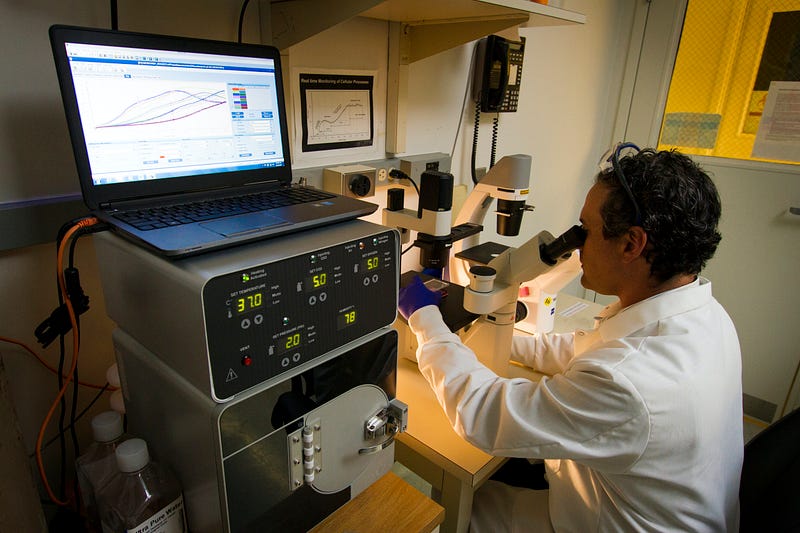
However, analyses detect unknown substances coating some extracted fibers, lending some credence to patient claims. Those advocating for Morgellon’s classification as an infectious pathogen hope further research will determine if bacteria create these fibers or if self-generated material indicates a deeper internal affliction.
6. Fatal Familial Insomnia
This extremely rare inherited prion disease affects less than one percent of the global population. It attacks the thalamus region of the brain which regulates sleep, causing worsening insomnia and advancing physical and mental deterioration over 18 months until death. There are no treatments only palliative measures for associated symptoms. Most sufferers’ brains demonstrate extreme atrophy by the disease’s end.⁵

Its hereditary transmission originates from a mutation on chromosome 20 but erratic cases arise spontaneously too. Oftentimes diagnosis only occurs post-mortem after pathology tests confirm the presence of spleen-derived prions. Scientists do know these non-viral particles induce other proteins to fold abnormally. How precisely FFI triggers remain unknown.
5. Aquagenic Urticaria
People with this extremely rare condition experience hives, wheezing, and severe rashes when their skin comes in contact with water. Even tear drops or sweat can trigger extreme reactions. The severity ranges from mild itching to life-threatening anaphylactic shock. Despite continued research, the root cause remains unknown.⁶
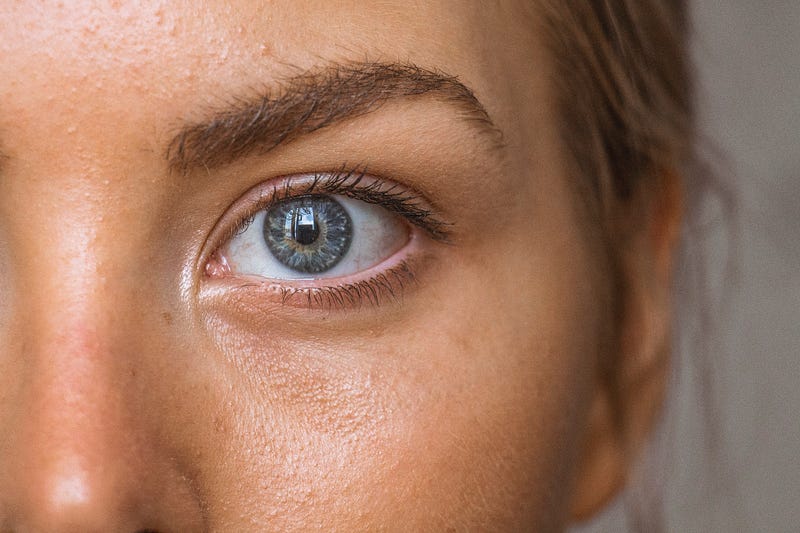
Genetics may play a role but concrete evidence is still lacking. Regardless of origin, daily life can become difficult for aquagenic urticaria patients — imagine not being able to shower, cry, or swim without severe consequences.
4. Trimethylaminuria
Individuals suffering from trimethylaminuria cannot properly break down trimethylamine — a compound found abundantly in seafood, eggs, soy products, and other foods containing choline. Accumulated trimethylamine gets released through bodily secretions which consequently emit extremely strong fishy odors. Sometimes the effects stay mild with slightly fish-scented breaths or sweats.⁷

Other cases produce smells so overpowering that patients cannot function regularly around people without disgusting others. It strains personal relationships and cripples self-esteem. Though simple dietary modification helps most, why certain people lack functioning flavors and enzymes remains unknown. Genetics influence severity variations but science hasn’t quite solved the smelly medical mystery yet.
3. Nephilim Syndrome
Yes, this condition finds its name rooted in the Bible’s Book of Genesis reference to Nephilim giants born from Heaven’s angel children and human mothers on Earth. While it sounds like something from fiction, a handful of Armenian boys grew incredibly fast alongside other developmental differences like autism, dysfunctional speech, and hearing issues. Ultimately the children died very soon.⁸

Extreme bodily changes accompanied their rapid aging too with exaggerated proportions, especially enlarged heads inconsistent with family medical histories.
Despite displays uncommon among normal genetics, tests showed no presence of tumors or known disorders. Some orthodox researchers postulated ancient Nephilim DNA activation but obviously, no scientific data corroborates mystical proposals. The strange condition’s secrecy further fuels conspiratorial speculation and leaves its origins quite mysterious.
2. Maple Syrup Urine Disease
As the name suggests, afflicted individuals excrete waste products that make urine smell sweet like maple syrup. Sometimes newborns emit syrupy scents from ear wax and sweat too. Causes link to recessive gene mutations that inhibit the processing of amino acids. Toxic byproducts accumulate systemically when not broken down properly.

Soon brain swelling leads to neurologic decline featuring seizures, difficulty feeding, vomiting, and lethargy. Without intervention, serious cases prove fatal. Still why genetic changes produce signatures of smell remains unclear.⁹
Therapy emphasizes dietary restrictions both treating symptoms and preventing permanent damage. Liver transplants restore enzyme functionality for severe situations unresponsive to other guidelines. Genetic testing allows disease detection very early including prenatal screening.
1. Water Allergy
We all know water comprises the majority of human body composition and serves vital biological purposes, so finding someone allergic seems utterly unbelievable. However, a rare few experience skin itching, rashes, and dangerous anaphylactic responses when swallowing liquids or traveling in rain.¹⁰ Afflicted individuals still require internal water to live and utilize intravenous saline solutions or carefully monitored fluid intakes.

Like other entries mentioning genetics, family histories provide the only diagnostic insights currently when no independently testable agents trigger reactions. Whether causes root in molecular structure energies or electric signals science cannot yet determine. Regardless of how water allergies develop, they severely disrupt normal activities for those exhibiting life-threatening sensitivity to the very substance keeping them alive.
Sources:
1. https://journals.lww.com/neurotodayonline/Fulltext/2006/01170/A_Case_of_Mystical_Pregnancy.1.aspx
3. https://www.sciencedirect.com/science/article/pii/S2213158221002047
4. https://www.thelancet.com/journals/lancet/article/PIIS0140-6736(14)61115-6/fulltext
5.https://rarediseases.info.nih.gov/diseases/6429/fatal-familial-insomnia
6. https://rarediseases.info.nih.gov/diseases/10901/aquagenic-urticaria
7. https://rarediseases.info.nih.gov/diseases/6447/severe-primary-trimethylaminuria
8. https://www.newsweek.com/children-nephilim-syndrome-rapid-aging-giant-heads-baffled-doctors-1665994
9. https://rarediseases.info.nih.gov/diseases/3228/maple-syrup-urine-disease
10. https://www.healthline.com/health/aquagenic-urticaria#treatment
“This story is written by M Aslam Waheed. Follow me on LinkedIn, facebook, Youtube, Twitter, and Instagram.”
I hope you’ll find this story “Interesting and Surprising”. Subscribe to my newsletter for such interesting and lovely poems and stories.
You may also like:

Happy Learning.