Psychological Facts
The Frightening Reality of Sleep Paralysis
Have You ever experienced such feelings? Find out what’s the science behind this!
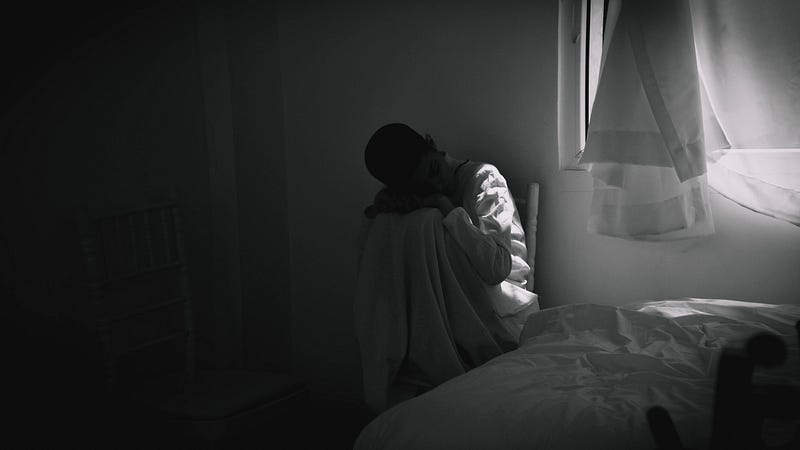
Imagine waking up in the middle of the night, convinced that someone — or something — evil is in your room. You try to move or cry out, but find yourself completely paralyzed and mute.
Pressure builds in your chest as you struggle to breathe. Terrifying visions appear. You feel utterly helpless and consumed by fear.
This is the experience of sleep paralysis, a perplexing phenomenon in which you temporarily become immobile as you fall asleep or wake up. It turns your nightly rest into a nightmare and can leave you shaken for days. However, despite its horror-movie undertones, sleep paralysis is actually a harmless quirk of REM sleep. Understanding what’s really happening can transform this from an alarming ordeal into a fascinating trick of the mind.
What is Sleep Paralysis?
Sleep paralysis occurs when you wake up before your brain and body have fully synced up. It’s a state where your mind is awake but your body remains in REM sleep mode.
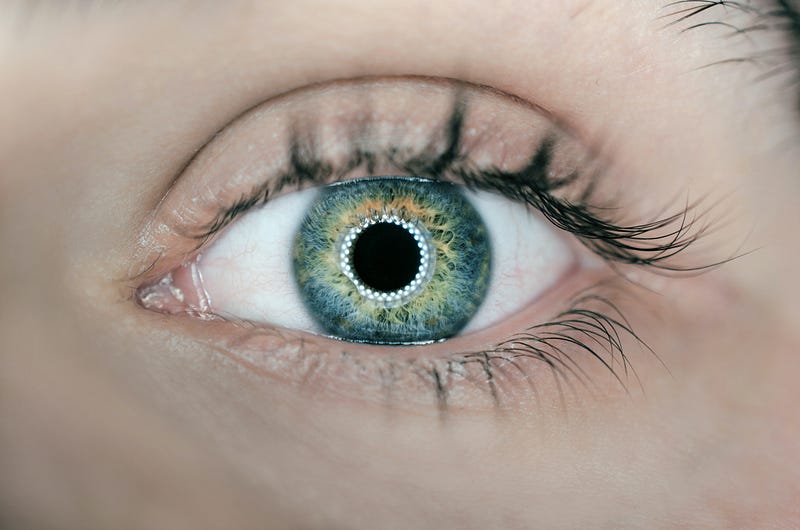
REM (rapid eye movement) is the stage of sleep when we dream. To prevent us from acting out our dreams, our brains shut down our ability to move our muscles in REM. Normally when REM is over, we gain control of our bodies again. But in this case, you wake up but your whole body is experiencing sleep paralysis condition.
Sleep Paralysis crossover between waking and dreaming explains the strange hallucinations that often accompany sleep paralysis. Chest pressure and breathing difficulty arise from your brain’s impaired ability to control your breathing while paralyzed.
Watch My Youtube Short Video here:
Prevalence and Causes
People from different backgrounds experience different types of episodes/traumas in such conditions. According to one research, almost 40% of the people experience this condition.
But you don’t need to be worried about it. It’s more common in teenagers and young adults. Frequent episodes are linked to anxiety disorders and sleep deprivation.

Sleep paralysis often occurs when your sleep cycle gets disrupted. Triggers can include:
- Irregular sleep schedules
- Sleeping in an unfamiliar place
- Sleeping on your back
- Stress and sleep deprivation
- Substance abuse
- Medications that affect sleep cycles
- Narcolepsy or nighttime leg cramps
Dark Spirits or Neural Glitches?
Many cultures interpret sleep paralysis through a supernatural lens, viewing it as an attack by evil witches, demons, or ghosts. However, the demonic visions and muted screams have physiological rather than paranormal origins.

They are neural glitches caused by mixed signals between your brain’s dreaming and waking states.
When partially dreaming while awake, you may see threatening intruders, monsters, or dark mists. You might also have out-of-body sensations of flying or falling.
Your frightened attempts to yell and flee get blocked by paralysis, which can feel like something holding you down.
In reality, the room is empty and you are safe. There are no witches or demons. Just your mind is playing vivid tricks on you in that blurry zone between sleep and wakefulness. Understanding this can prevent panic and turn an alarming episode into a fascinating insight into how the brain works.
Coping with Sleep Paralysis
For those prone to frequent sleep paralysis, the following tips can help:
- Maintain a regular sleep schedule and minimize sleep disruptions. Get enough sleep and avoid overtiredness.
- Sleep on your side instead of your back.
- Reduce stress through relaxation techniques like yoga, meditation, or mindfulness.
- Cut back on sleeping pills, stimulants, caffeine, alcohol, and illegal drugs which can impact sleep cycles.
- If episodes feel severe or traumatic, consider talking to a therapist. Cognitive behavioral therapy aims to reduce fear and anxiety around sleep paralysis.
Sum Up
During an episode, staying calm is key. Focus on moving just one finger or toe. This sends a signal to your brain to fully activate your muscles again.
As frightening as it feels, remind yourself that it’s temporary and you will regain control soon. Attempting to relax rather than fight it may help it pass more quickly.

Episodes normally last under a minute or two, though can occasionally persist for up to 10 minutes. If immobility continues beyond this, seek medical advice to identify any underlying sleep disorders that may be contributing.
While a terrifying ordeal for those experiencing it, sleep paralysis is ultimately harmless. Understanding the science behind it makes it less ominous. For problems recurring multiple times per week, treatment can help minimize episodes and associated distress.
But for occasional bouts, simply waiting it out knowing you’ll be able to move soon makes this spooky phenomenon less alarming.
“This story is written by M Aslam Waheed. Follow me on LinkedIn, facebook and Twitter.”
I hope you’ll find this story “Interesting and Astonishing”. Subscribe to my newsletter for such interesting and astonishing facts and stories.
You may also like:
Happy Learning!


