
Magenta’s semi-retirement life starts: comparison between Chinese and Western culture(Part 3)
Conquering or obeying, Westerners have no alternative but to make a choice.
I still vividly recall the time I spent immersed in the “public debate” curriculum during my undergraduate studies. The professor consistently urged us to challenge his ideas and engage in spirited debates with him and other classmates.
The critical spirit inherent in scientific inquiry played a pivotal role in fostering skepticism and promoting open discourse. Scientists were encouraged to question prevailing theories, propose alternative explanations, and subject their hypotheses to rigorous scrutiny.
In the previous part, we talked about the traditional Chinese cultural characteristics in the following sections:
- Oneness
- Atheism
- Introversion
- Peace and Doctrine of the Mean
In this part, I will illustrate the western cultural characteristics in the following sections:
- Tolerance
- Pursuit of Science and Critical Spirit
- Dichotomies and Conflicts as a Cultural Standard
- Extroversion
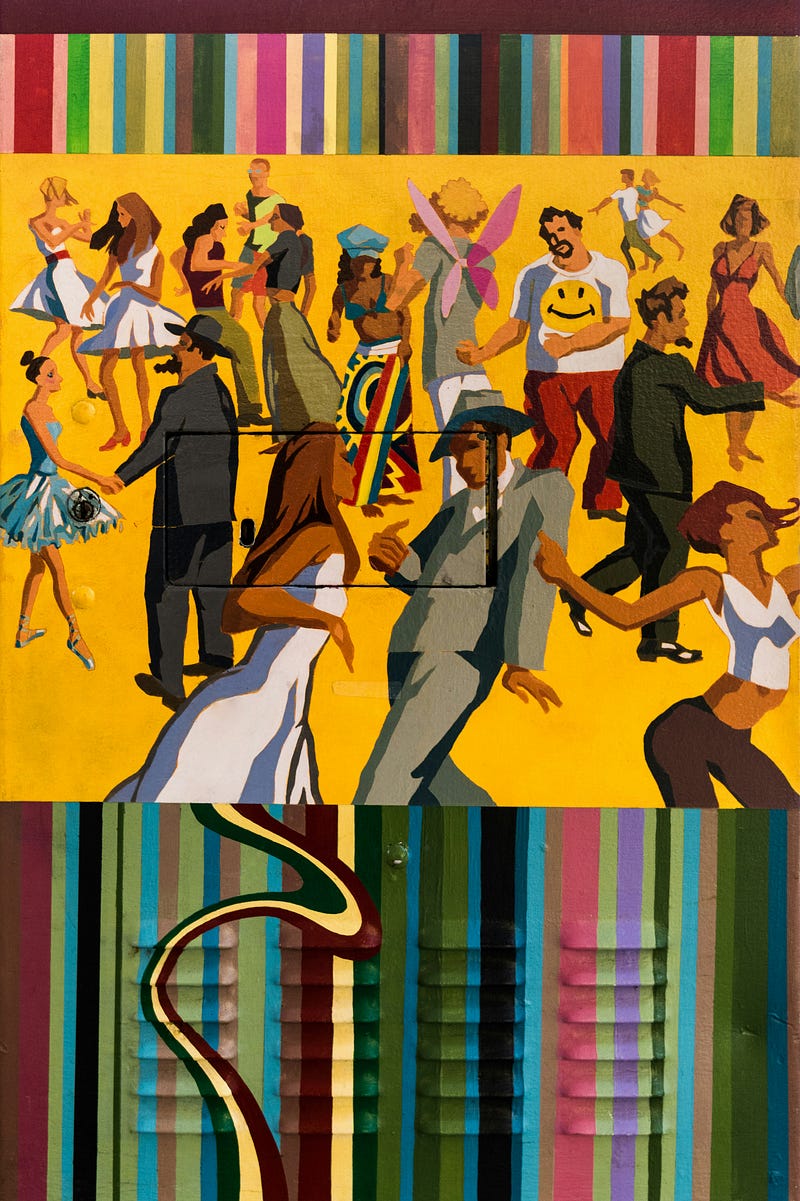
Tolerance
Despite the concept of tolerance, in its contemporary understanding as “inclusiveness” and the respect for diversity among individuals, it has roots in the arduous struggles of the past.
As is known to all, Romans tried to suppress Christianity and the Vatican was hostile towards Jewish migrants and their culture. In the face of such adversity, the need for tolerance arose as a means to endure these challenging times.

Pursuit of Science and Critical Spirit
The evolution of the pursuit of science and the cultivation of a critical spirit can be traced back to two pivotal epochs.
The Greek Times
Aristotle, one of “The Three Greek philosophers”, believed that curiosity was the unique property of human beings. It was this innate curiosity that played a pivotal role in driving the pursuit of science.
The Greeks then began to create models of the world. They constructed models by categorizing and generating rules to precisely and systematically describe and explain the world. Therefore, the rigor boosted them in scientific fields such as physics, astronomy, axiomatic geometry, formal logic, rational philosophy, natural history and ethnography.
The Western might not be the first in the world to take up science, but certainly was the first to recognize science and put it into practice. Thus, the West has consistently led the way in seamlessly integrating theoretical research with practical necessities, setting a precedent for others to follow.

European Renaissance and the Enlightenment Movement
Despite facing setbacks during the Middle Ages, the practical spirit that characterized the times of ancient Greece persisted and left an indelible mark on the European Renaissance and the Enlightenment Movement.
During this period, the critical spirit was ushered in and rationalism became a dominant philosophical approach.
Visionaries like René Descartes and David Hume championed reason, skepticism, and the pursuit of knowledge based on empirical evidence. They encouraged individuals to question established authority, challenge entrenched dogmas, and embrace critical thinking. Thinkers such as René Descartes and David Hume emphasized reason, skepticism, and evidence-based inquiry. These revolutionary ideas not only provided immense inspiration for creative endeavors but also instilled a newfound confidence in Western society, paving the way for unprecedented achievements in art and literature.
Accompanying the critical spirit was the philosophy of Empiricism, advocated by luminaries such as John Locke and Francis Bacon. Empiricism emphasized the significance of sensory experience and direct observation as the foundation for acquiring knowledge. The experimental method, popularized by scientists like Robert Boyle and Antoine Lavoisier, further propelled the systematic observation, experimentation, and verification of hypotheses. This rigorous approach fostered a culture of evidence-based reasoning and played a pivotal role in the expansion of scientific knowledge.
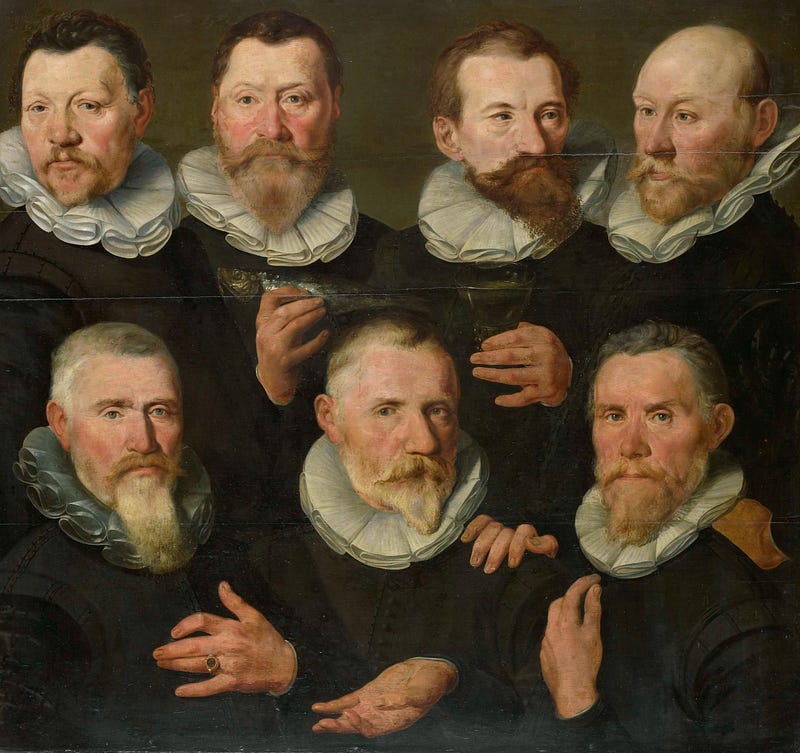
I still vividly recall the time I spent immersed in the “public debate” curriculum during my undergraduate studies. The professor consistently urged us to challenge his ideas and engage in spirited debates with him and other classmates. Reflecting upon it, I believe the influence of the Reformation can be observed in the following aspects:
Firstly, the Reformation brought about a profound transformation in the religious structure and essence of Christianity. The Roman Church and Papacy were subjected to reevaluation and criticism, leading to a reexamination of Christian beliefs and doctrines.
Secondly, the critical spirit inherent in scientific inquiry played a pivotal role in fostering skepticism and promoting open discourse. Scientists were encouraged to question prevailing theories, propose alternative explanations, and subject their hypotheses to rigorous scrutiny.
Thirdly, this culture of intellectual debate and skepticism permeated society at large, inspiring individuals to partake in reasoned discussions, embrace diverse perspectives, and foster an environment that tolerates dissenting views.
Dichotomies and Conflicts as a Cultural Standard
Greek philosophers such as Thales, Plato, and Aristotle advocated for the division of the world into two opposing realms: the elements and the soul, reality and reason, matter and form.
Their profound theories laid the groundwork for the concept of dichotomy.
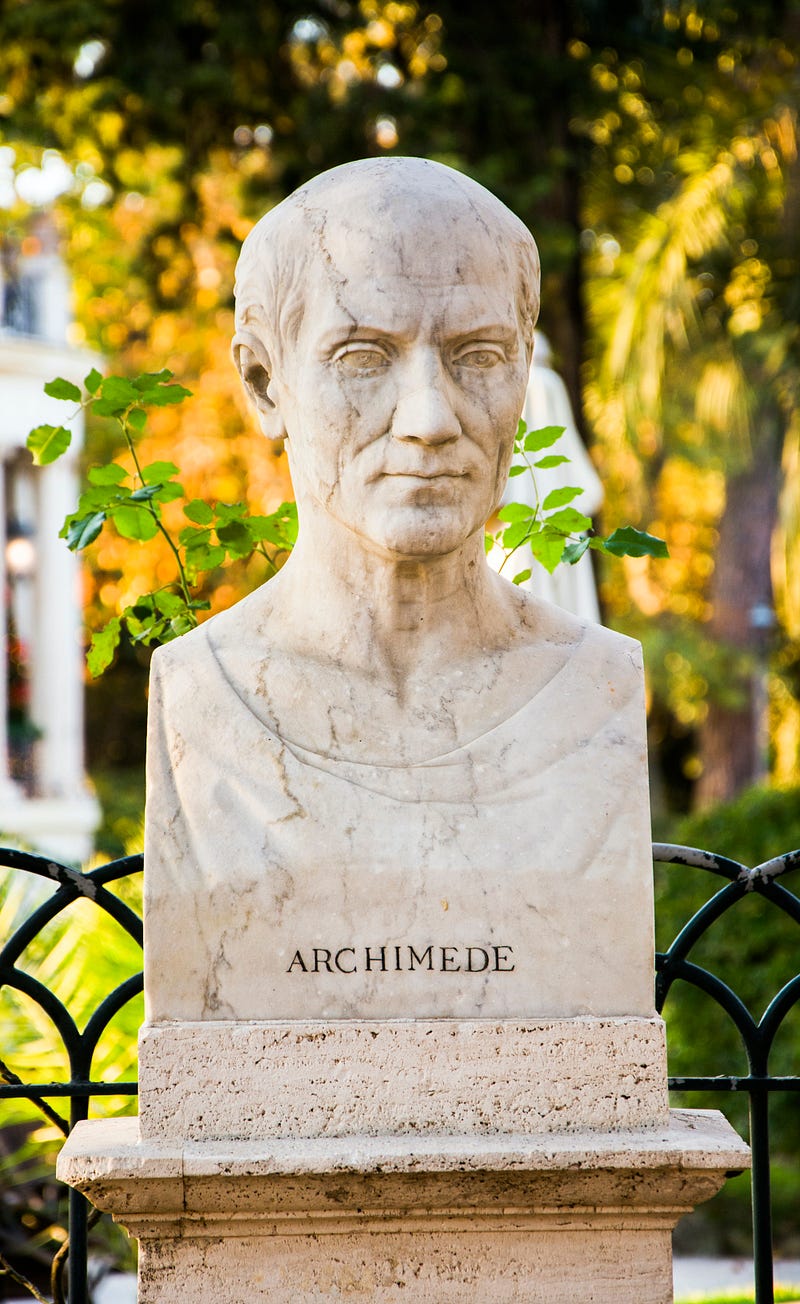
In a memorable quote, Archimedes once proclaimed, “Give me but one firm spot on which to stand, and I will move the earth.” This statement exemplifies the power of levers. However, in reality, achieving this is impossible. Such a lever would require a fulcrum and a power source on the longer end. Nevertheless, this expression encapsulates the notion that through unwavering determination, great power can be exerted.
Conquering or obeying, Westerners have no alternative but to make a choice.
Dichotomies, being a common feature in Western thought, unsurprisingly manifest as a defining characteristic in various aspects of society. For instance, presidential campaign speeches often exhibit a warlike atmosphere, wherein the victorious side claims possession of absolute truth.
Extroversion
In the first part of this series of blog posts, I have explained the geographical factor that contributes to the outward nature of Westerners.
Western civilization, tracing its roots back to ancient Greece, boasts an extensive coastline adorned with numerous splendid harbors. People here are inclined to hunt, herd, sea trade, and sea transportation. As we can see, these economic activities do not confine them to a specific location. On the contrary, the activities encourage people to venture beyond their shores, which in turn foster an outward mentality.
Contrary to introversion, which I have explained in the second part of this series of blog posts, the disposition towards extroversion implies that Westerners are naturally inclined to be sociable, prioritizing their individual roles and directing their attention outward. This orientation ultimately shapes their focus on the external world.
Introversion can be understood as a personality trait characterized by a preference for solitude, introspection, and a reduced need for extensive social interaction.
Origin of “Extroversion”
Extroversion, as a psychological trait, was initially introduced by Swiss psychiatrist Carl Jung in the early 20th century. Jung proposed the idea of two fundamental personality orientations: extroversion and introversion.
Jung’s work laid the foundation for further exploration and development of the concept. However, it was American psychologist Gordon Allport who popularized the terms “extroversion” and “introversion” in his influential book “Personality: A Psychological Interpretation” published in 1937. Allport expanded on Jung’s ideas and emphasized the importance of understanding personality traits within the context of social behavior.
In recent decades, the Big Five personality traits model has gained prominence in psychology, with extroversion being one of the five dimensions. This model suggests that extroversion is a fundamental aspect of human personality, varying along a continuum from extreme introversion to extreme extroversion.

Impact of Extroversion
Although individuals exhibit a range of personalities, including introversion and extroversion, it is undeniable that the collective personality of a nation holds significant influence over its individuals.
In the case of the West, extroversion is a prominent characteristic.
In the realm of education, there is an emphasis on encouraging students to actively participate in class discussions, ask questions, seek clarification, and challenge prevailing theories.
Within the professional sphere, Western culture promotes the adoption of leadership roles, effective communication, building relationships, networking, and motivating team members.
In social interactions, Westerners are inclined to initiate conversations with strangers, attend social events, and thrive in group settings. Their outgoing nature often facilitates the formation of friendships and the establishment of connections.
However, it is important to acknowledge that extroversion also has its drawbacks.
This can be observed in the relentless pursuit of outward expansion and a potential disregard for quiet and reflective moments, which hold significance for introverts and individuals who find solace in solitude. The value of introspection, deep thinking, and contemplation may sometimes be overshadowed by the preference for constant stimulation.
Recap
Rooted in geographical factors and nurtured by the great minds of ancient Greece, as well as influenced by the Renaissance and Enlightenment movements, Western culture has evolved over time.
One aspect of Western culture is the dominance of the “conquer or obey” dichotomy in their mindset. When they believe something to be right, they are willing to fiercely defend their beliefs, seeking truth, scientific advancements, and fostering critical thinking through debates, thus cultivating a diverse culture.
However, conflicts, which are ingrained as a cultural norm, coupled with their extroverted nature, often drive Western societies to look outward. This inclination towards external engagement has historically led to relentless wars and conflicts.
Despite the apparent differences between Chinese and Western cultures, they share similarities and have become increasingly intertwined in the modern world due to frequent trade and communication.
In the next part, I will illustrate the similarities existing between Western culture and Chinese culture.
Stay tuned!