Magenta’s semi-retirement life starts: comparison between Chinese and Western Culture(Part 1)
I do not want my house to be walled on all sides and my windows to be stuffed. I want the cultures of all lands to be blown about my house as freely as possible. But I refuse to be blown off my feet by any. — Mahatma Gandhi

Recently, at the age of 28, I made the decision to embark on a journey of semi-retirement. However, in my dictionary, “retirement” doesn’t mean a stagnant state, but rather a dynamic one. It grants me the freedom to allocate my time and shift my focus from “making money” to “making contributions.”
As I was tidying up the room, a pile of old books fell from the shelves. Among them were volumes exploring the realms of Chinese and Western culture, which I’ve studied during my undergraduate period. After programming for 6 years, I almost forget I was once a “culture researcher”. Maybe it’s time to pick them up?
Cultural conflicts take place every minute on the social platform. At most times, questions and answers start from one phenomenon and end in tedious debates with personal prejudice. I could hardly see discussions from an objective, historical or philosophical perspective.
As I’ve been semi-retired, I have plenty of time to reflect on myself and the world. So why not start from writing my thoughts on cross-cultural comparison between Chinese and Western culture? I can’t wait to unveil the fundamental causes of the differences behind what happened around me.
● Why are Chinese outcome-driven and Western system-driven?
● Why are Chinese family-oritented and Western individual-oriented?
● Why 996 working hour system prevail in China instead of in the Western world?
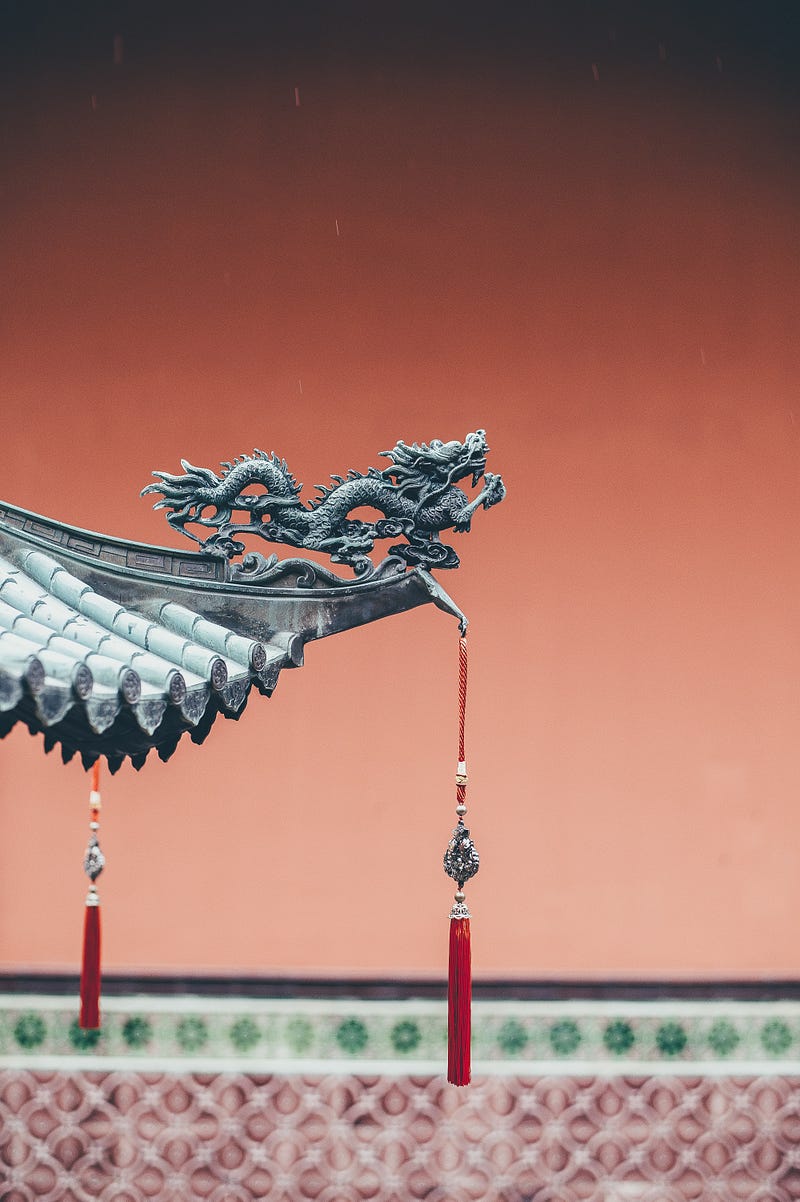
Why are Chinese and Western Culture different?
I think the root cause lies in geography. Fundamentally, it’s the clash between agrarian culture and maritime culture.
China, situated in the heartland of the Central Plains, is surrounded by land on three sides. People here have traditionally relied on agriculture and cooperation, tilling the land and cooperating with each other. The rural-based agrarian economy further reinforced the inclination to look inward.

Western civilization, tracing its roots back to ancient Greece, boasts an extensive coastline adorned with numerous splendid harbors. People here are inclined to hunt, herd, sea trade, and sea transportation. As we can see, these economic activities do not confine them to a specific location. On the contrary, the activities encourage people to venture beyond their shores, which in turn foster an outward mentality.

The History of Cross-cultural Comparative studies in China
The history of cross-cultural comparative studies in China is intertwined with the waxed and waned destiny of Modern China. Here, I divide it into five stages.
During the Reform Movement of 1898
In this period, a profound awakening voice urges us to shed light on Western culture. Defeat in the Opium War and Sino-Japanese War ignited a deep reflect on ourselves and forced us to seek our way from the Western world.
Among them, Kang Youwei and LiangQichao launched the Reform Movement and laied the foundation for Constitutional Reform and Modernization. Although this reform failed, it inspired a fervent exploration of Western culture, politics, economics, and philosophy.
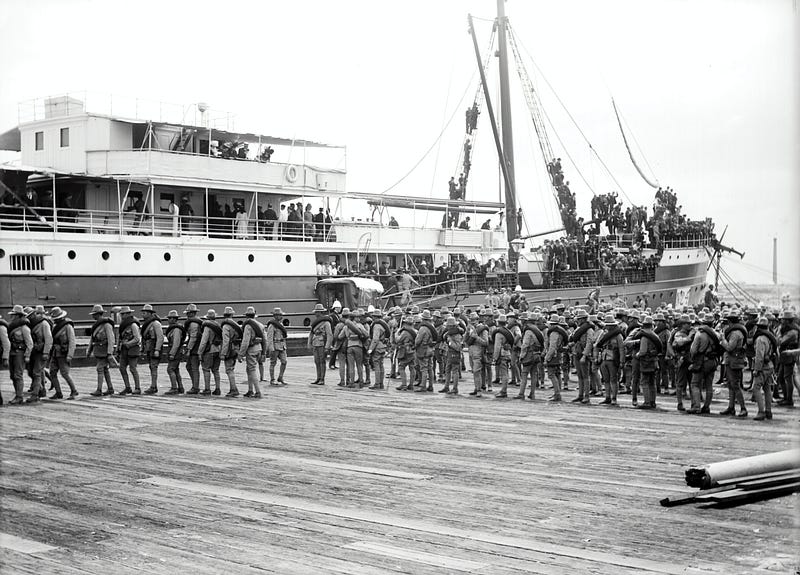
During the May Fourth Movement of 1919
During this method, “Complete Westernization” prevailed.
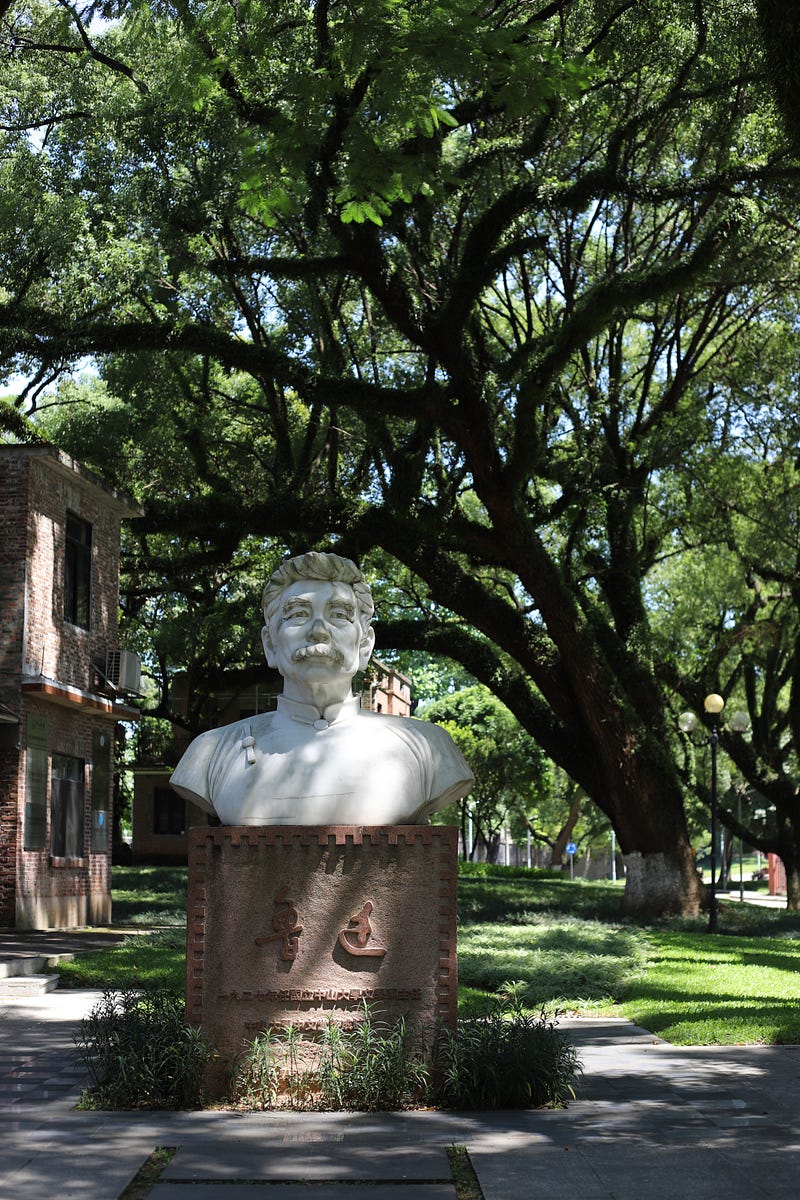
In May 1918 Lu Xun, “Commander of China’s cultural revolution”, published his first short story A Madman’s Diary in vernacular instead of in traditional classical Chinese. Together with other Chinese intellectuals like Cai Yuanpei and Hu Shih, they all criticized the out-dated Chinese traditions and Confucian feudalism.
In 1919, students in Beijing marked on the streets protesting the unequal treaty with Japan and shouted slogans “Up with Western scientism and down with Confucianism.”
After the May Fourth Movement
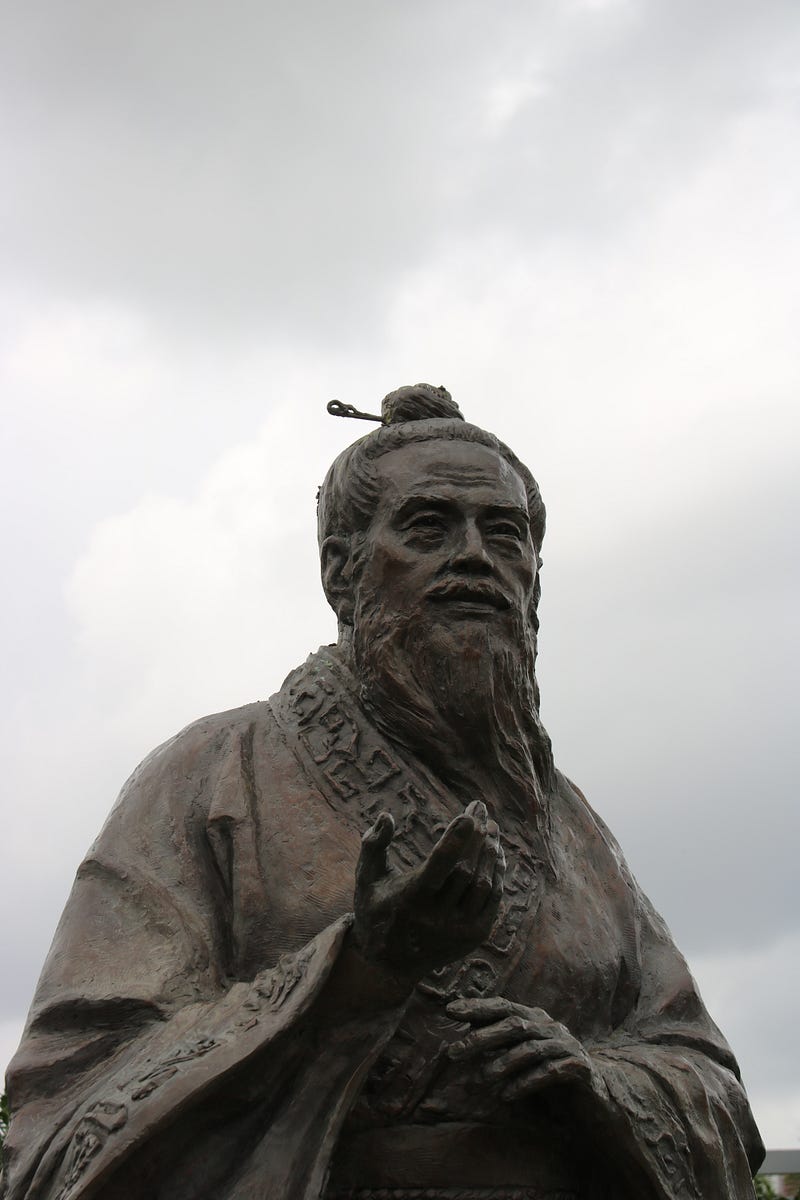
After the May Fourth Movement, objective voiced were heard from Liang Qichao, Liang Shuming, Wang Guowei and Zhang Dainian. They came up with a proposition of “synthetic creation”:
Borrow the spirit and methodologies of Western science to reorganizing Chinese national cultural heritage, ultimately forging a new path forward.
After 1949 When People’s Republic of China Was Founded
In that era, Confucianism faced official condemnation, while Marxism and Leninism took center stage in educational institutions, workplaces, and even within households.
Dischotomy was again raised: “If we embrace the Western thought(mainly Marxism and Leninism), our traditional culture must be discarded.”
The insane extremism seems quite hard for me to understand, but it did prevail during that era.
After 1980s
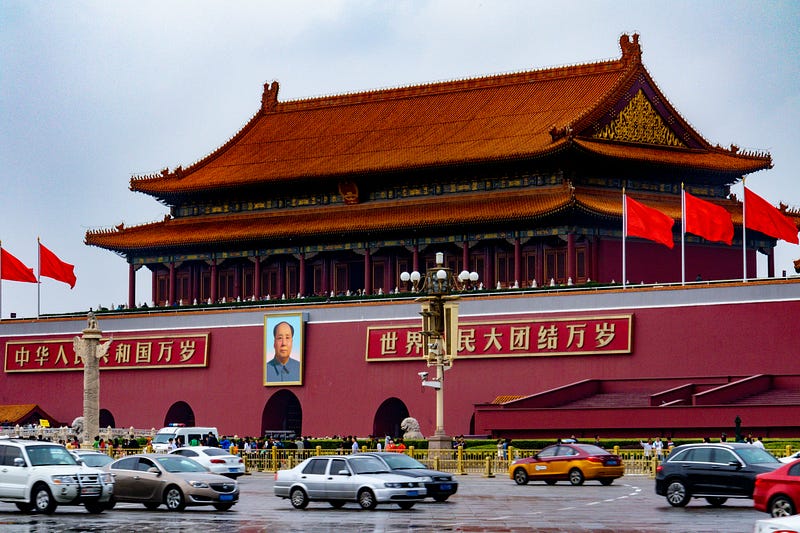
Fortunately, the Chinese society went back to rationalism after 1980s. The television series “River Elegy”, which depicted the decline of traditional Chinese culture, initiated a whirlwind of discussion to reflect on Chinese own civilization. Among them, intellectuals such as Yang Zhenning and Li Zhengdao, the Nobel-Prize winners, pointed out that “a person who denies its own culture does not have a future.”
Gradually, Chinese have become to relealize that Confucianism are no longer regarded as a relic, but as a value system that could guide Chinese to find answers to deal with social ills and help us foster a stronger sense of identity and cultural confidence.
As Wang Guowei once said, “Going beyond the distinction between Chinese and Occidental Learning”. Gaining a comprehensive understanding of both cultures and assimilate their essence while discarding shortcomings enables us to better define and behave ourselves.
Why do I choose cross-cultural comparison as the start of my semi-retirement journey?
When you viewed any of the cross-cultural books, they would tell you from economic, technology and politics perspective that interculturalism will foster better understanding and efficient communication in those activities.
But from my personal perspective, it’s more than that. I want to know the fundamental causes of the differences behind what happened around me:
● Why are Chinese outcome-driven and Western system-driven?
In China, we seldom care about what kind of job you choose or whether you’re satisfied about your life. We often ask “How much you make a month?”, which is the taboo in the west. In west, “How is it going?” “Are you happy these days?” is often heard.
● Why are Chinese family-oriented and Western individual-oriented?
In China, we emphasize collectivism over individualism. Gaokao, the national undergraduate admission exam of China, is seen as a key moment to bring glory to the family.
● Why 996 working hour system prevail in China instead of in the Western world?
As one of the victims of 996 working hour system, I’ve suffered a lot from intensive working environment.
In March 2019, an “anti-996” protest was launched via GitHub. Despite China’s official promises that the 996 working hour system will disappear, it is still widely present. It seems hopeless for young Chinese generations to get out of this working environment.Peers around me had no choices but immigrate or take part in civil servant exam.
I hope together with me, you could inspire some from these cross-cultural comparisons.