
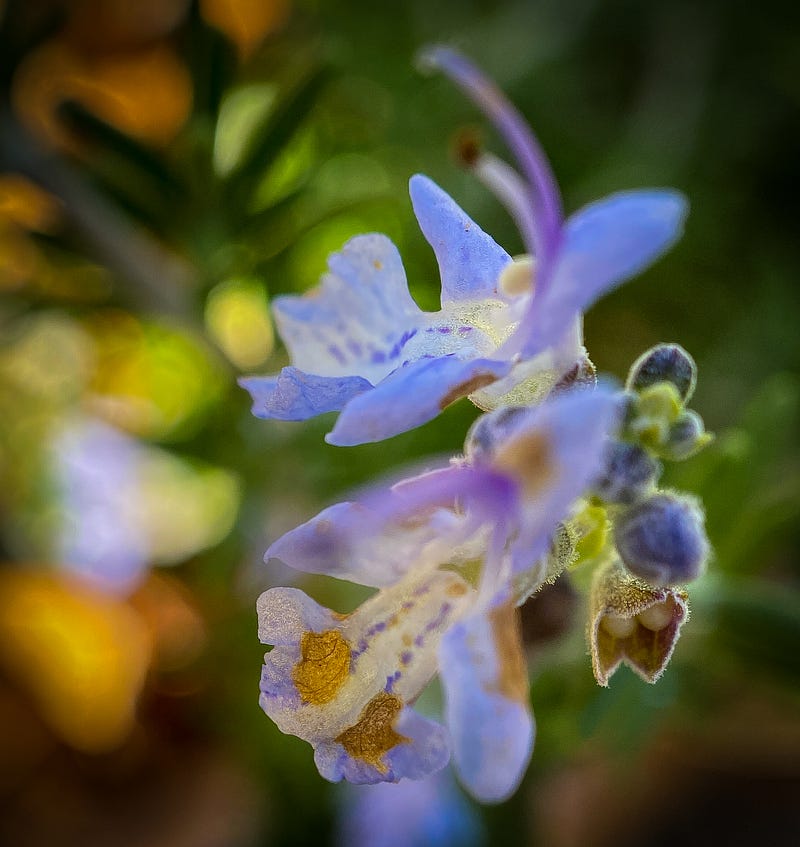
Macrocosm in the Microcosm
Experimenting with an external macro lens on the new iPhone 11 Pro
To see the world in a grain of sand, and a heaven in a wildflower, to hold infinity in the palm of your hand, and eternity in an hour. — William Blake
It has always seemed to me that “macrophotography,” which captures views of the tiniest details of the world, really ought to be called “microphotography.”
Technically, macrophotography means making images of very small subjects and living organisms, like mosses, raindrops or insects, in which the size of the subject in the final photograph is greater than it is in life. The ratio of the recorded image size to the actual size of the subject must be at least 1:1 to be considered a “macro” image.
However, in today’s digital age, a “true” macro photograph can be more practically defined as a photograph of a subject (that leaf detail or flower or insect) with a vertical subject height of 24 mm or less.
On a recent hike near Calistoga Ranch in Napa, California, I decided to test out my new Sandmarc macro lens for the iPhone 11 Max. The cleverly designed system works by screwing the tiny lens into the backing on a special phone case. Sadmarc also makes a wide angle, a fish eye and a telephoto lens which each also can be attached to the same phone case.
I have already been very impressed with the quality of the images that the new phone captures. But, I was very curious how the phone would perform with real “glass” — an actual lens. I’d love to hear what you think!
My first try was with mosses. In the photo below, although it looks like the individual arms of greenery must be substantial, they are each actually tiny bits of moss growing on a rock (each stem was no more than a couple of millimeters high)— the sort of moss that just looks fuzzy until you get up a little closer — or a lot closer, as in these photos.
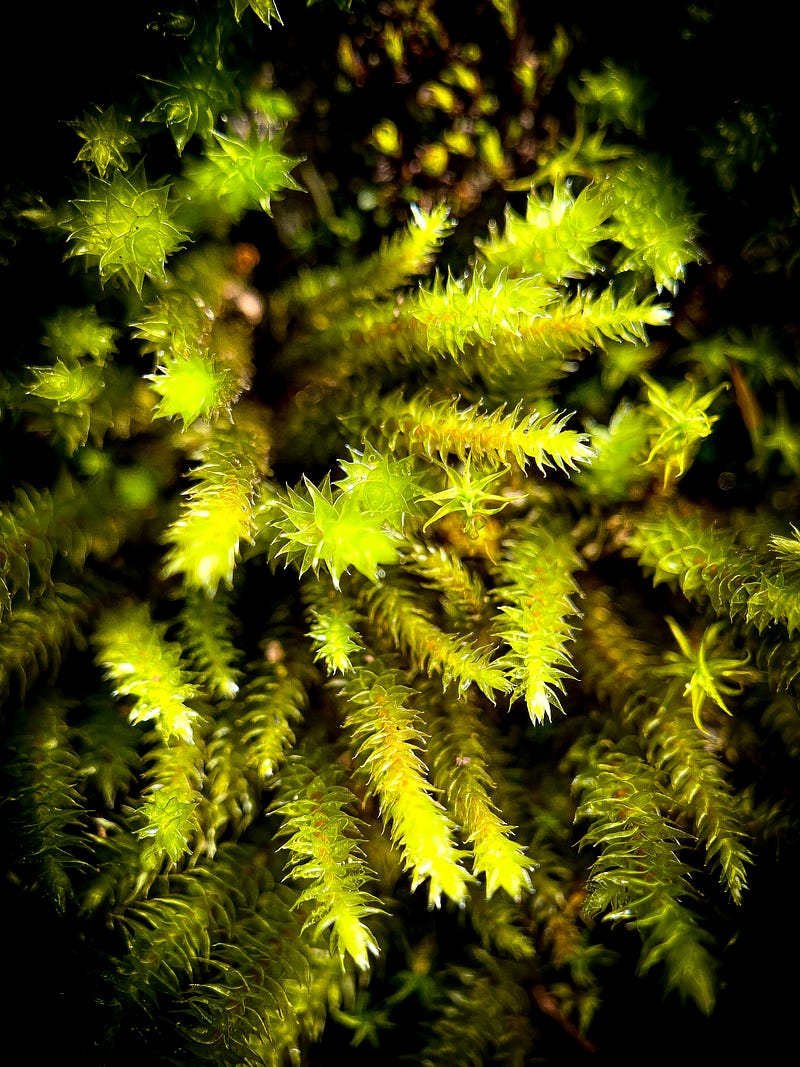
I thought that the depth of field and the detail in the photo above was excellent. But, I quickly learned that there is a unique challenge to macrophotography. The lens is designed to have a “fixed” focal point. So, only one depth will be in true focus.
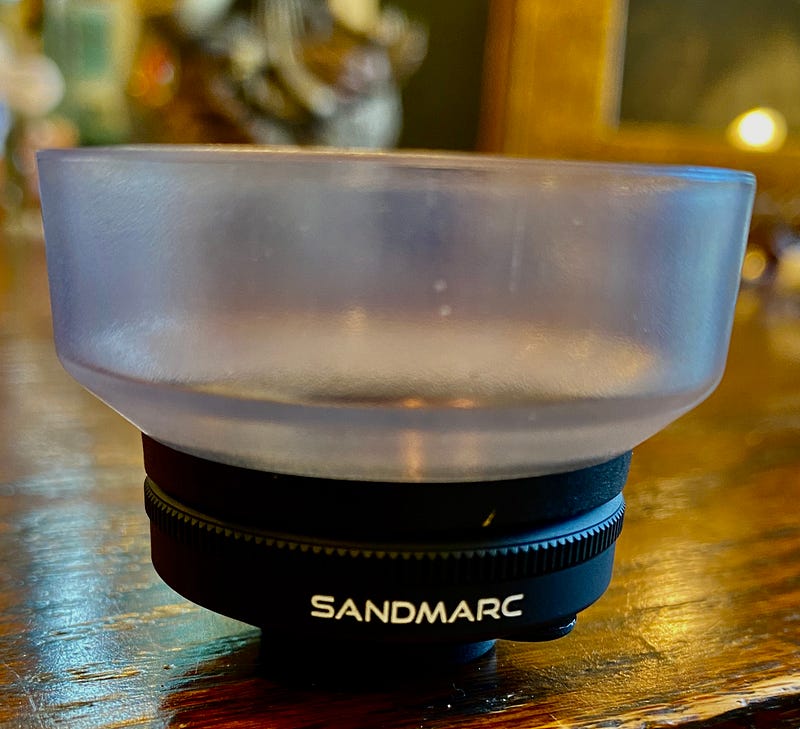
The lens comes with a fitted plastic ring around it. Placing this ring flush up against, or level with the subject of your photo will automatically place you at the exact distance you should be from your subject to get the focus “right.”
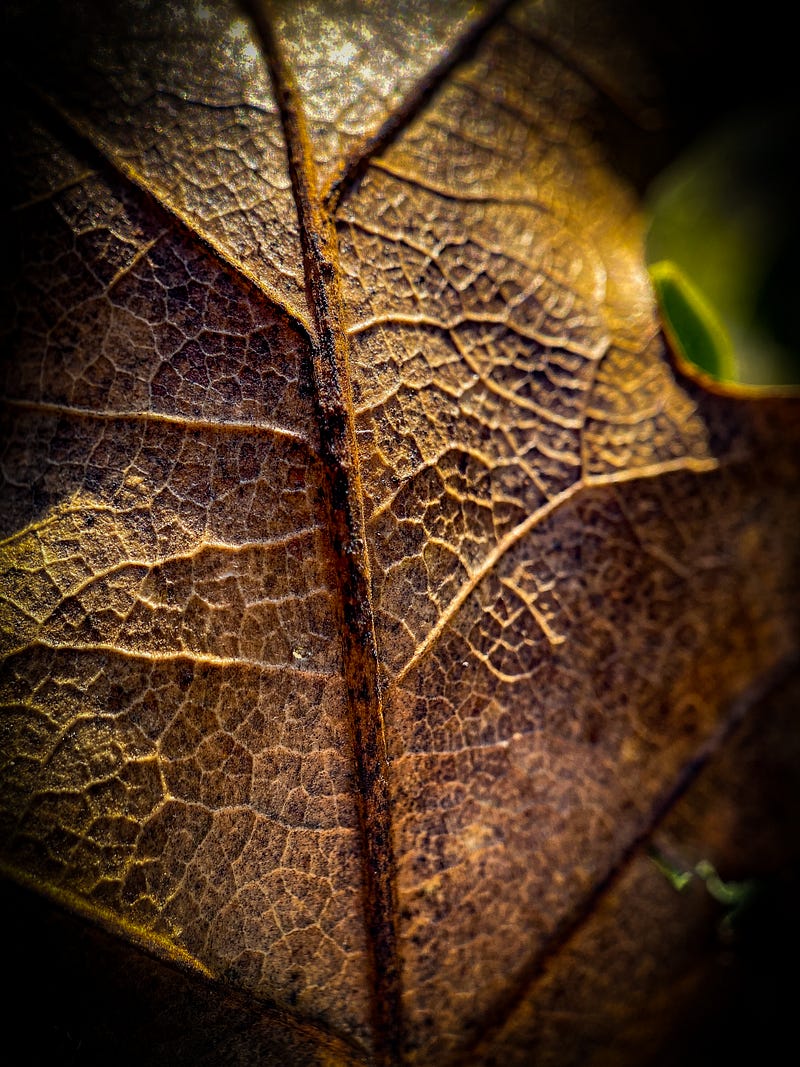
So, I tried it again on a nearly flat surface, a leaf, and I was amazed at the details it picked up.
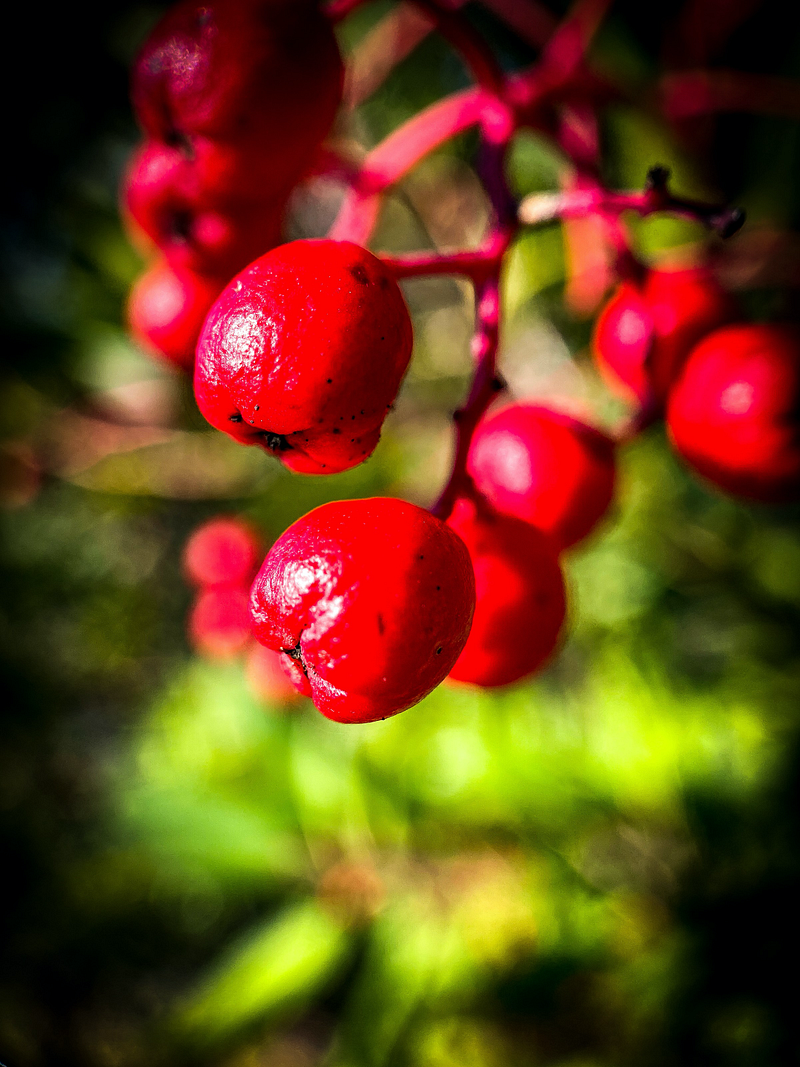
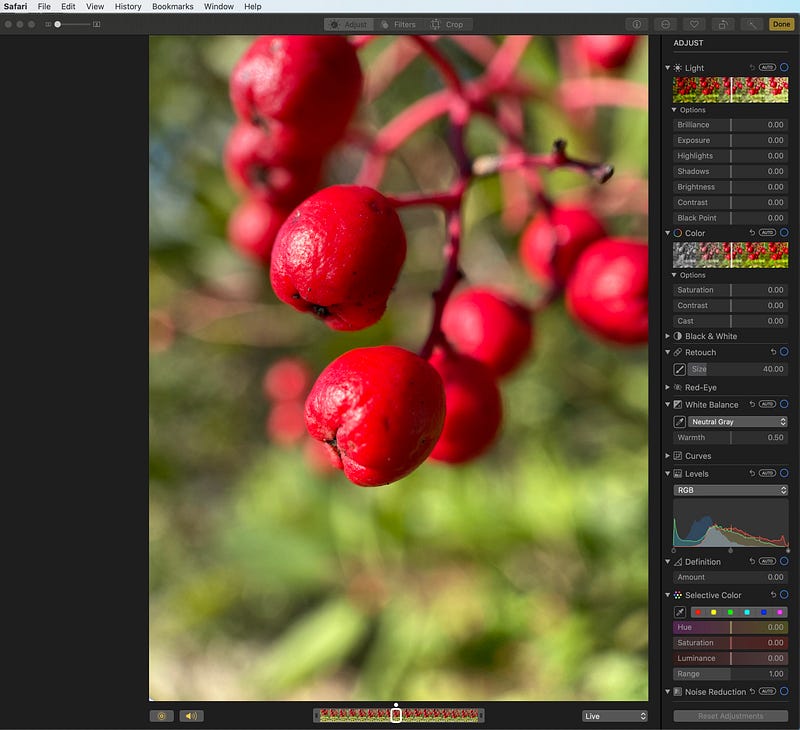
These berries, blowing in the wind, were a little more challenging because it was so hard to get the lens the perfect distance from them. At first, all the photos looked blurred. But, I had taken them on “live” mode on the phone. This mode allows you, when editing, to scroll through several images which the camera snapped before and after you pressed the shutter button. And, sure enough, randomly, one of the other images was in good focus.
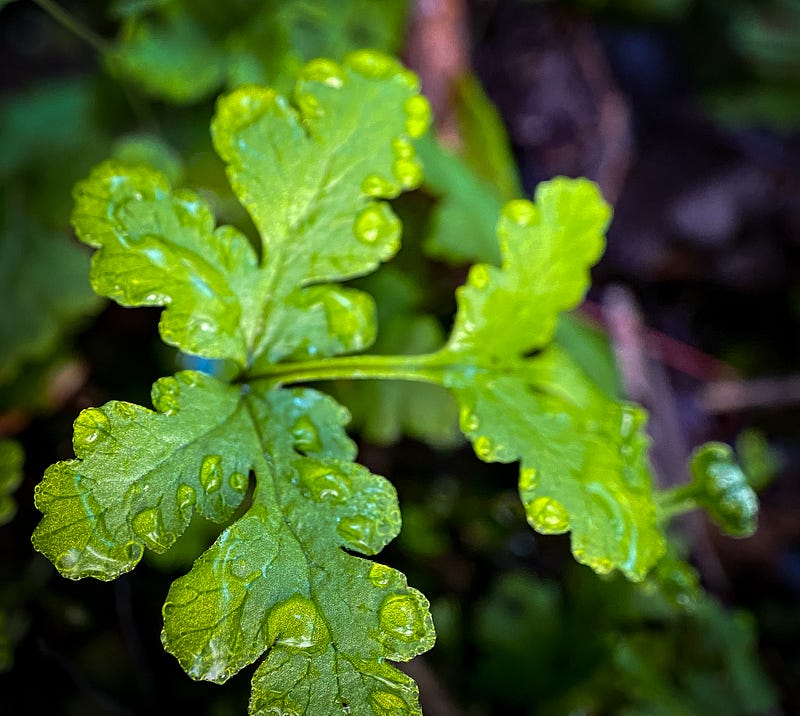
I loved the detail in the dewdrops on these tiny leaves. They almost look like leopard spots, or glints of gold dust glistening in the sun.
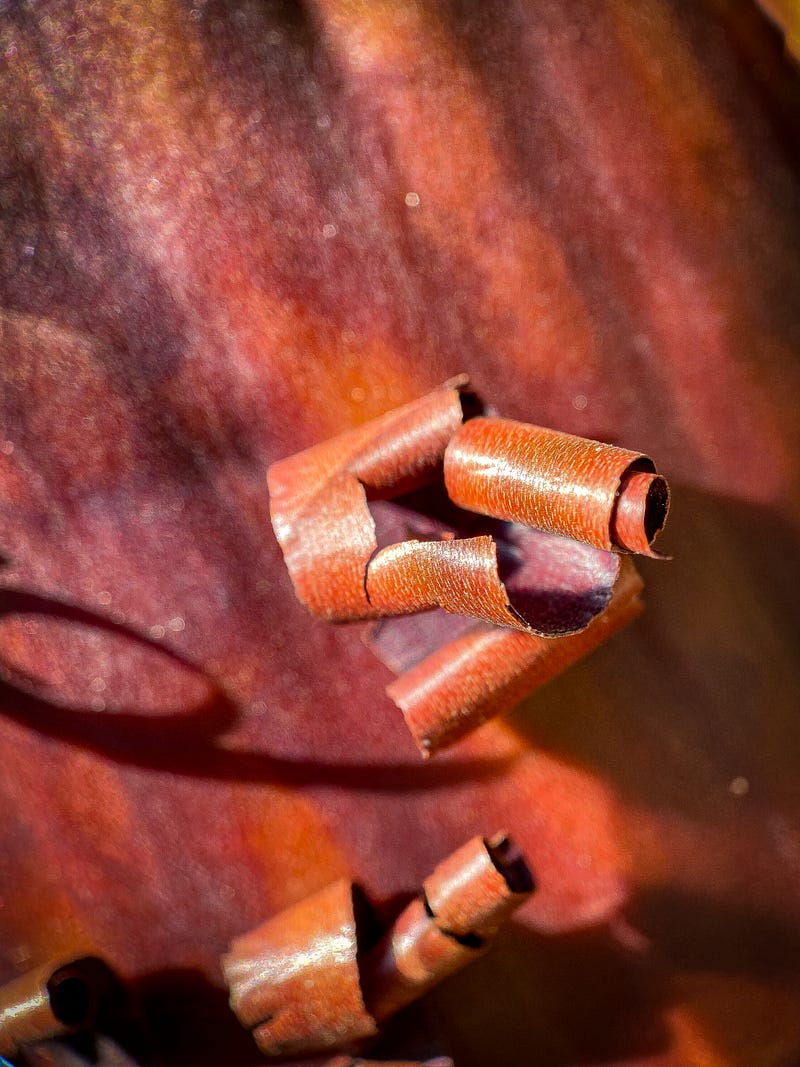
This was a single peel on the bark of a manzanita tree.
And, this mossy “arm” just seemed to reach up and grab the lens. I quite liked the background blur in the distance. It makes the whole image seem so much large than it really is.
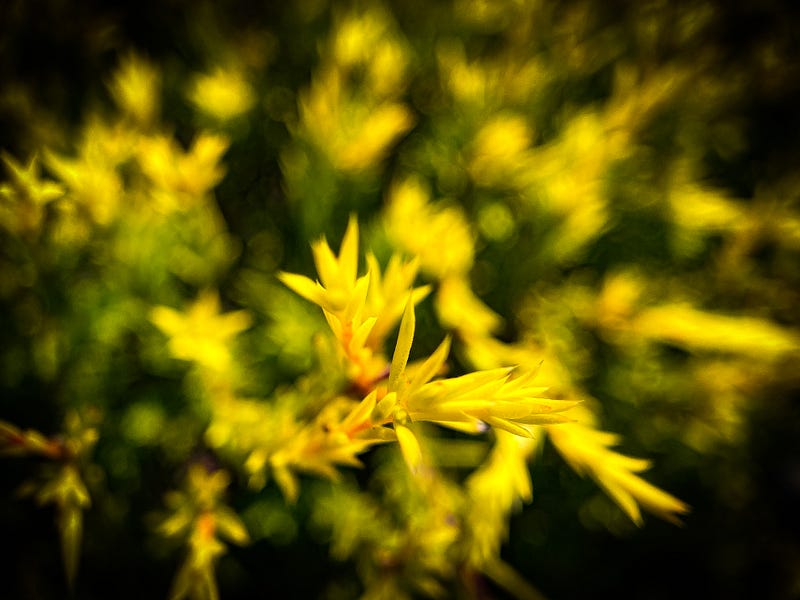
And, finally, this is the detail of tree bark. If you look closely, you can really see the texture, from the resin to the splintered areas of fuzz.
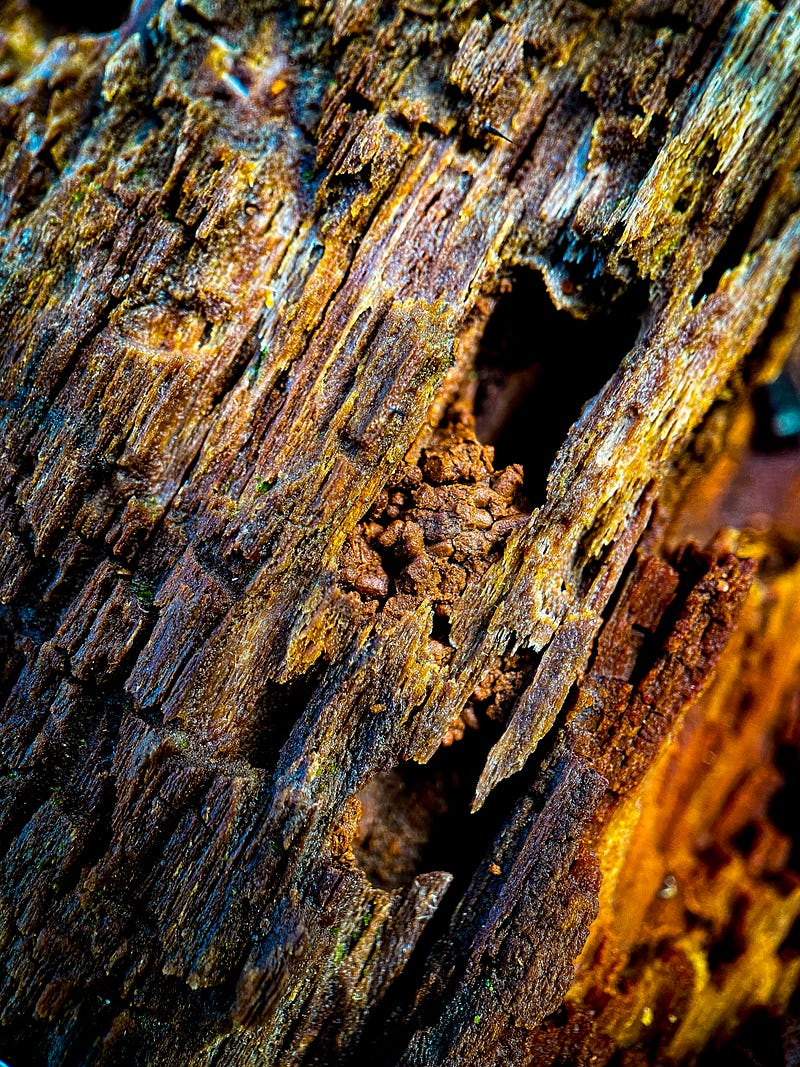
In conclusion, I have to say that I was very impressed with the results of this experiment. I have seen other types of lens systems for the iPhone. But, I really liked that this one used optical glass for a true “macro” effect.
I hope that you enjoyed this walk in the Calistoga woods with me, seeing the world a little differently, as if we were giants amongst the world of the miniature.
If you enjoyed this piece, you might also like:
Erika Burkhalter is a yogi, cat-mom, photographer, and lover of travel and nature, spreading her love and amazement for Mother Earth’s glories, one photo, poem or story at a time. (MS Neuropsychology, MA Yoga Studies).
Photos and story ©Erika Burkhalter.