
Legacies
A tale of restoration and hope on Kauai
I felt one with the grass, the trees, birds, insects, everything in nature. I exulted in the mere fact of existence, of being a part of it all — the drizzling rain, the shadows of the clouds, the tree-trunks, and so on. — William James
On the south shore of Kauai, near Poipu Beach, there is a place, The National Tropical Botanical Gardens, which harbors the last individuals of many species of native Hawaiian plants. The ancestors of these legacies have lingered in the warm Hawaiian sun, been tickled by her rains, and tossed their heads in her gusty breezes for years untold before mankind stepped onto these shores.
Taken unaware, they had not yet realized the importance of thorns, or that the menthol scent of mint would discourage predators from eating them. They had no defenses against this new invader or the stowaways (rats, chickens, pigs and dogs) they carried in their boats.
Species such as the native palms (Pritchardia or Loulou), short and squat little guys who stand stalwart in the face of hurricanes, naturally drip tender fruits from their branches. But this fruit was so tasty to the rats which arrived with the first Polynesians that these palms were soon unable to reproduce normally.
And then the stately coconut palms which we associate with Hawaii today, tall and elegant with canopies which click and chatter with the gusts of ocean breeze, were brought in.
Dwarfed and forgotten, the local palms began to die off.
But organizations such as the Allerton, Kahanu, Limahuli, McBryde and Kampong Gardens (each functioning under the umbrella of the The National Tropical Botanical Gardens) are leading the movement to bring the native palms and other highly endangered species back to the world again.
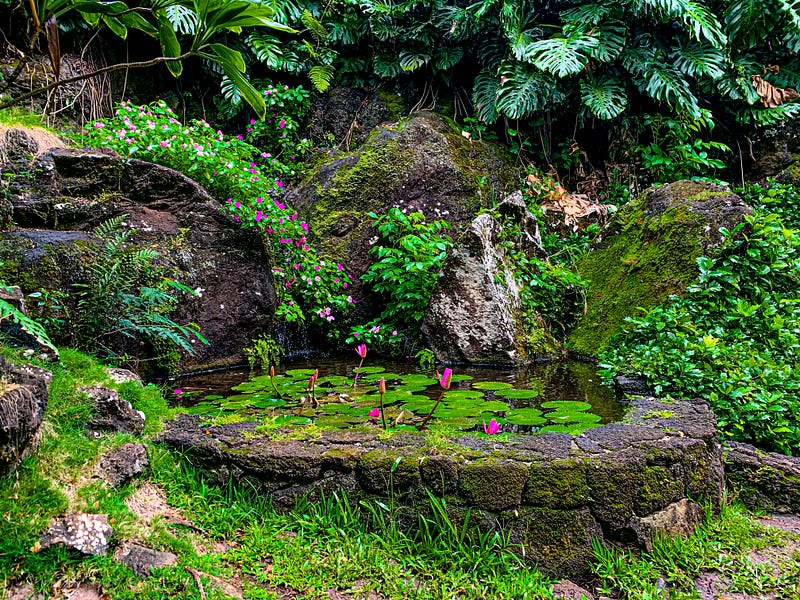
Tucked away inside glass walls, or sheltered from the harsh sun by the type of shade canopy which these species used to flourish under, these traces of another era are now protected by the Botanical Gardens and their tireless caretakers of the past glories of these shores.
Looking down at his pocket of natural greenery, you will see a valley which stretches from a tree-lined ridge to a red rock bluff before spilling out towards the ocean. It sprawls across the damp dirt in a fan of tumbling, wild growth.
In this pocket of refuge, Robert Allerton and his adopted son, John Gregg Allerton, once abided. Allerton, the recipient of a vast fortune created by his father, rejected the business realm for a while, studied in Paris to be an artist instead. But after five years of yielding paint brushes, he realized that this was not his talent. So, he returned to the family business of running livestock, banking and real estate.
And then, one day in 1938, he discovered Kauai, purchased the property on which the National Tropical Botanical Gardens now sits, and made that verdant valley his winter residence. At first, he returned to Chicago for the rest of the year. But the, during World War II, they were stranded here, in their little paradise, for two years and began to wonder why they would ever leave again.
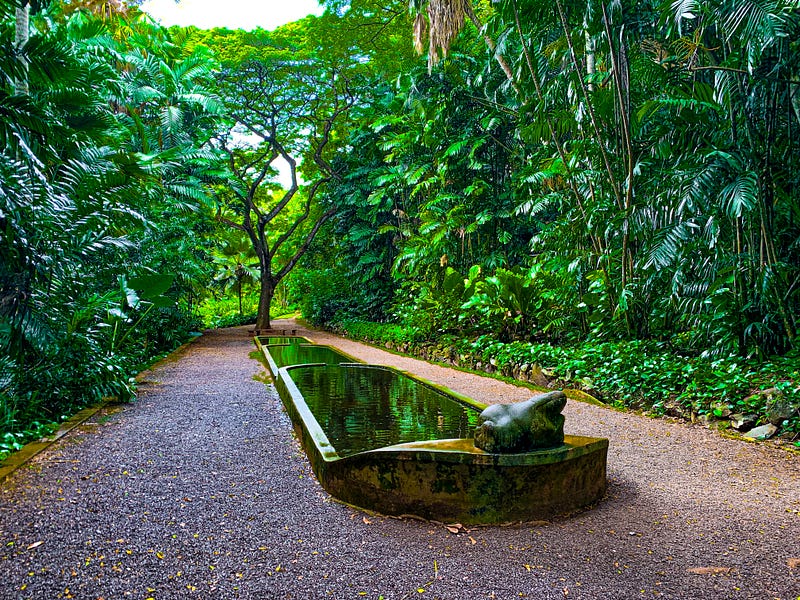
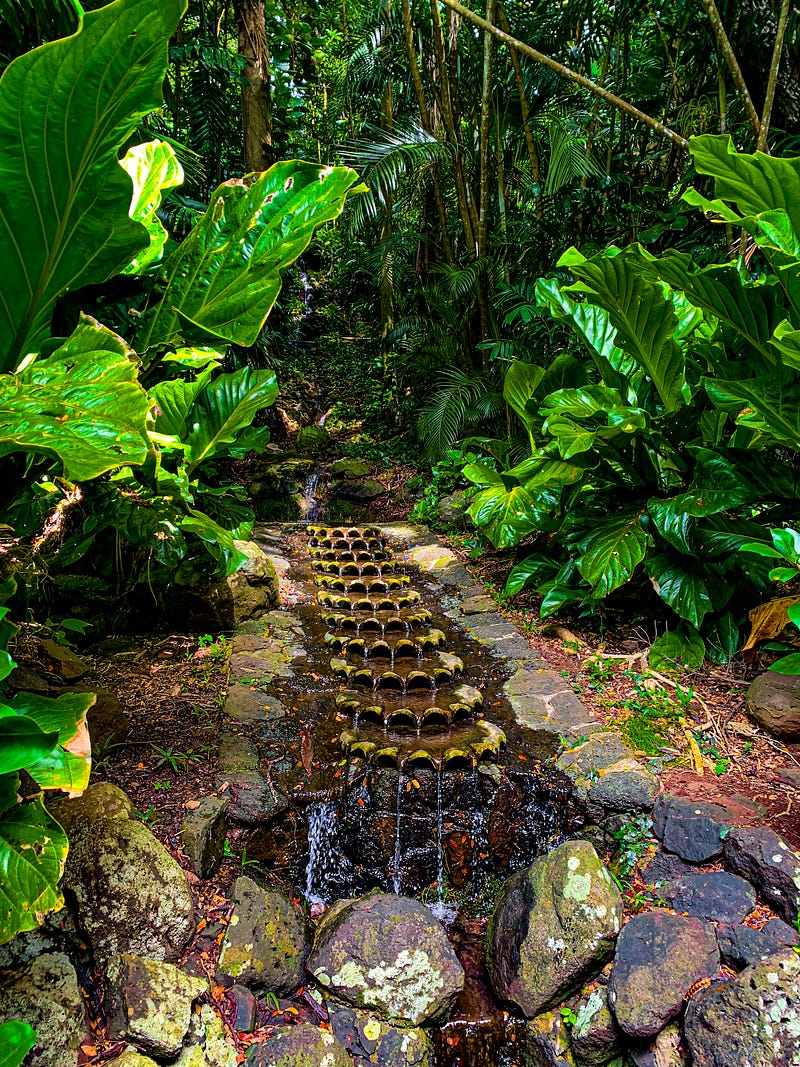
Allerton discovered that his true artistry did not lie with paints or marble, but rather with plants. He created “garden room” after garden room, replete with dripping fountains which still pulse today with the shape of the twisting and stepped channels of water.
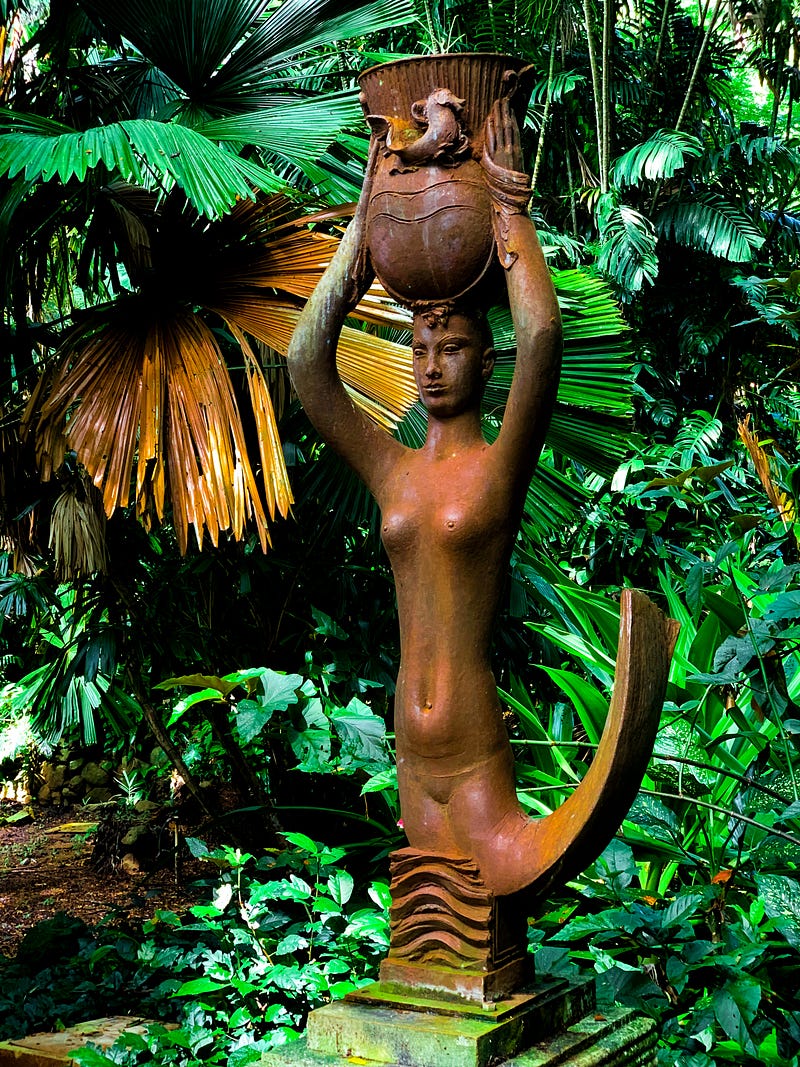
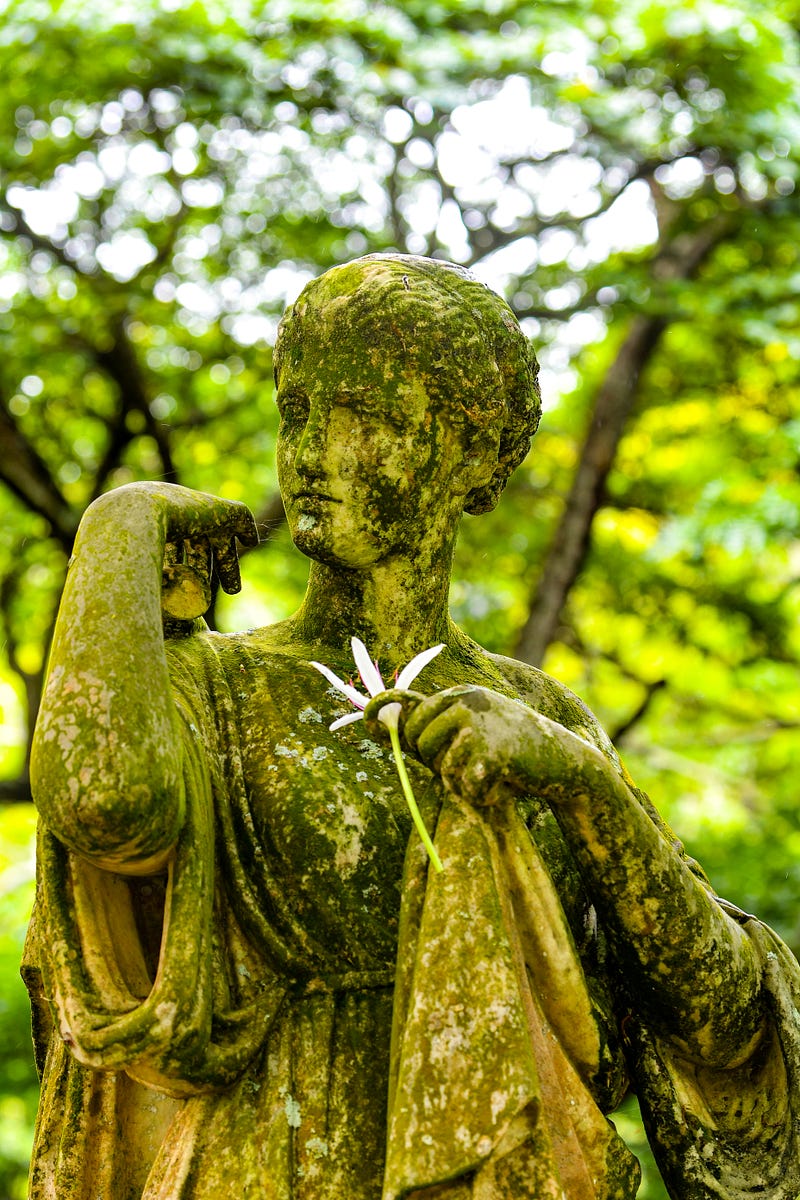
He brought in statuary — bronze mermaids bearing urns upon their heads and a Grecian life-size version of the Goddess, Diana, goddess of wild animals. And he grew orchids and bamboo.
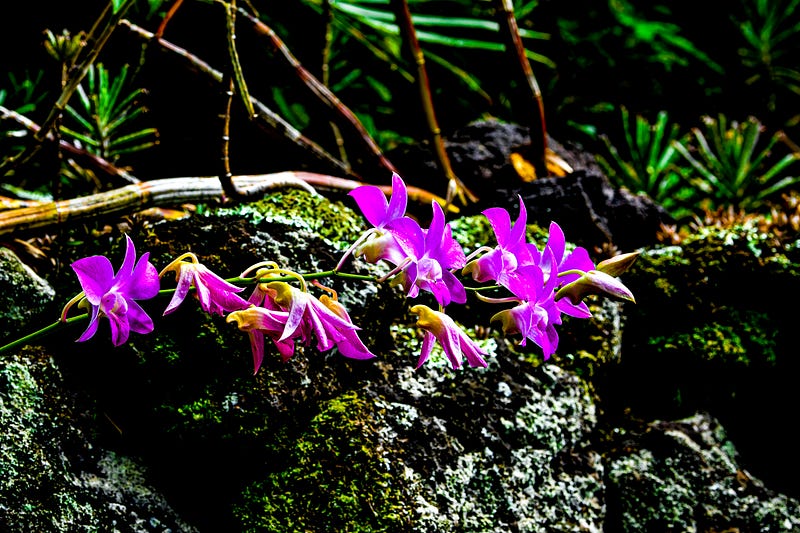
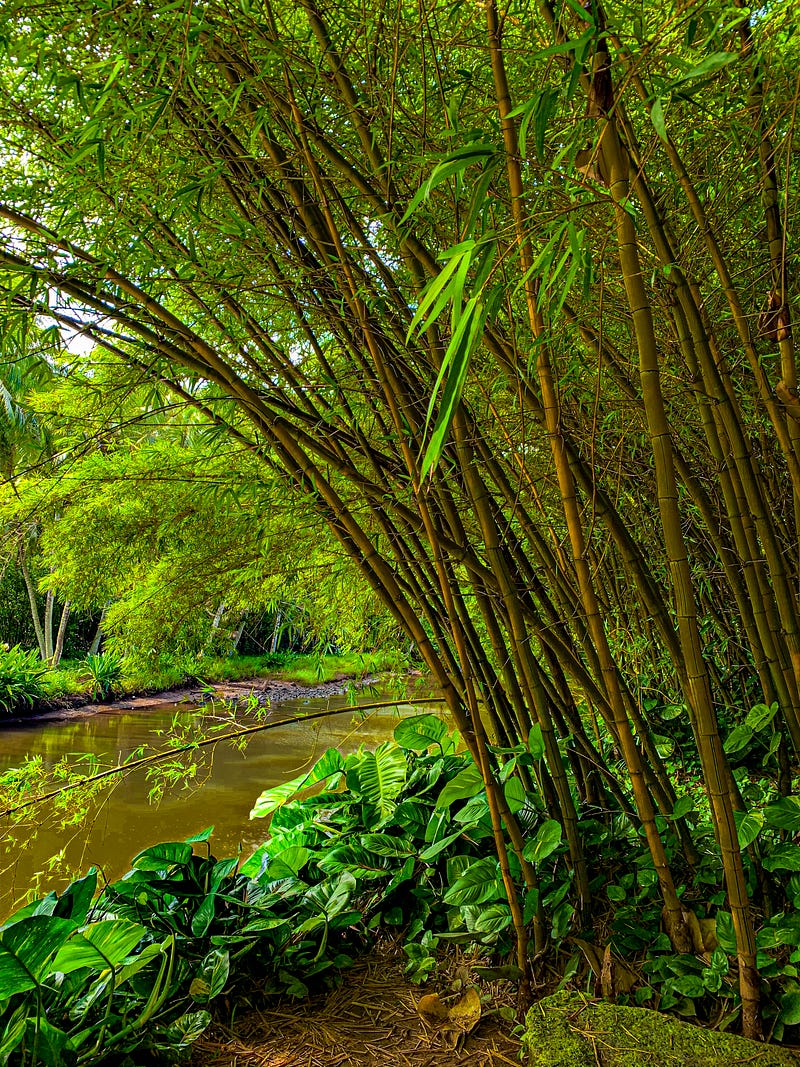
The bamboo forest is said to have been his favorite area of the gardens because, hard-of-hearing since childhood, the clicking stalks spoke to him in words he could hear.
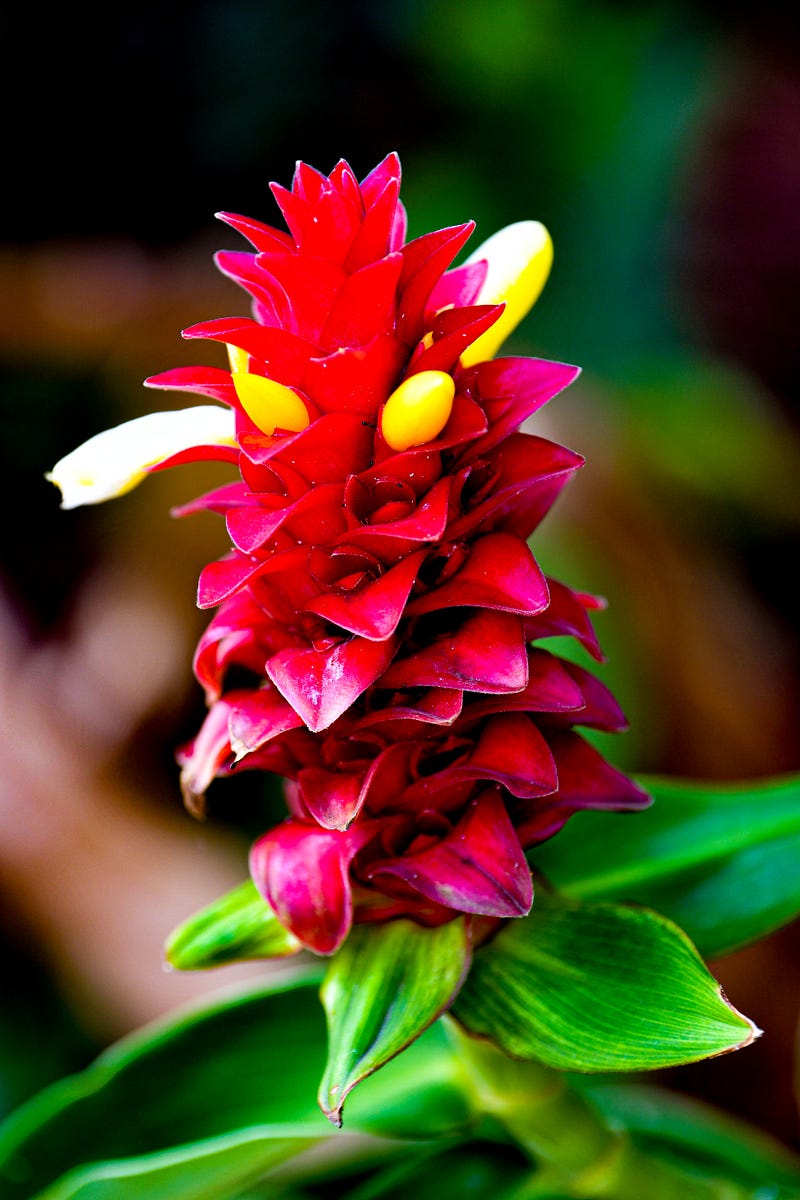
Here, in their “Victory Garden,” during the war, they grew native cherries (tart little berries with puckered skins), bread fruit, glorious red fountains of ginger blooms, and ginger’s relative, turmeric, whose yellow roots hold tight to these local soils.
They lived their lives here. And when they died, they left it all to the conservancy with the hope that some of the native plants would survive and always flourish here.
Some of the species have less than fifty individuals left to support them. But they are carefully tended to and propagated here in the hopes that their progeny will survive to see another era.
And local sites have started to embrace their work. The sprawling, emerald green golf course, perched on the ridge above the valley, now sports several of those squat little palms, and has intentionally planted several other indigenous plants.
The support of diversity and of native species is crucial to not just the plants’ survival, but to many other species, including ourselves. We often miss the link to nature’s keychain of cause and effect.
We may not see that by cultivating only a handful of species of apples or roses that we have lost a universe of other tastes and colors.
When the understanding dawns is when something tragic happens to one of those favored plants — such as an insect evolving specifically to attack it. And then, when it is gone, we mourn the loss of what “could have been,” all of the other species which might have been able to withstand the attack.
An awareness of this need for diversity is not just important. It is crucial.
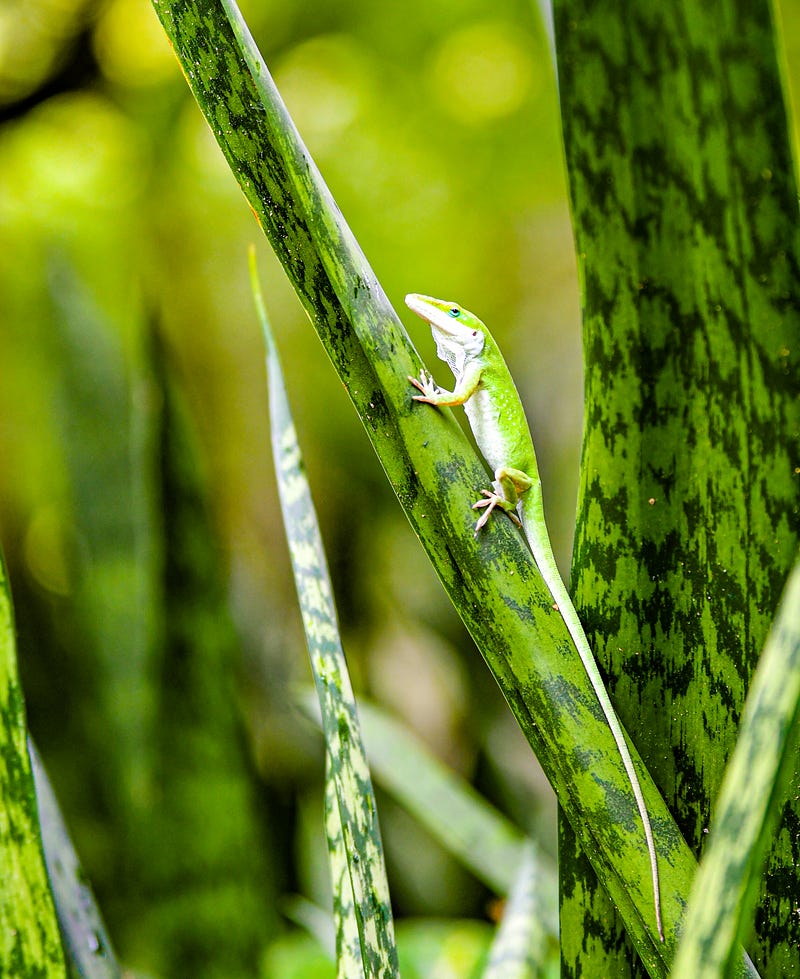
If we want to continue to wake in the mornings to the chattering of a chorus of birds, each singing their individual operas from a different branch, or continue to eat foods pollinated by bees, we need to provide sanctuary.
We need to plant pollinator plants. We need to replace landscaping composed solely of plants brought in from other regions with native species appropriate for those birds and bees.
And we need to create stopping grounds for monarch butterflies, who only lay their eggs on local milkweed — because this is the only food that the baby caterpillars can eat.
And in places like Kauai, we need to protect the glorious species which flourished here, and only here, for millennium.
We don’t all have the resources which the Allertons did. But, in our own small ways, we can make differences that add up.
Every time that I see a Monarch dancing on the breeze, my heart flutters a little with its wing beats.
And, when I see the bees nuzzling deep in the fuzzy purple borage which so easily grew from a packet of seeds sprinkled across my front slope, I know that I have made a small difference.
And, perhaps others notice the lushness of the native garden I have let grow wild on my property. And maybe, just maybe, it might trigger the spark of an idea in someone else’s mind that they can make a difference too. That is my hope.
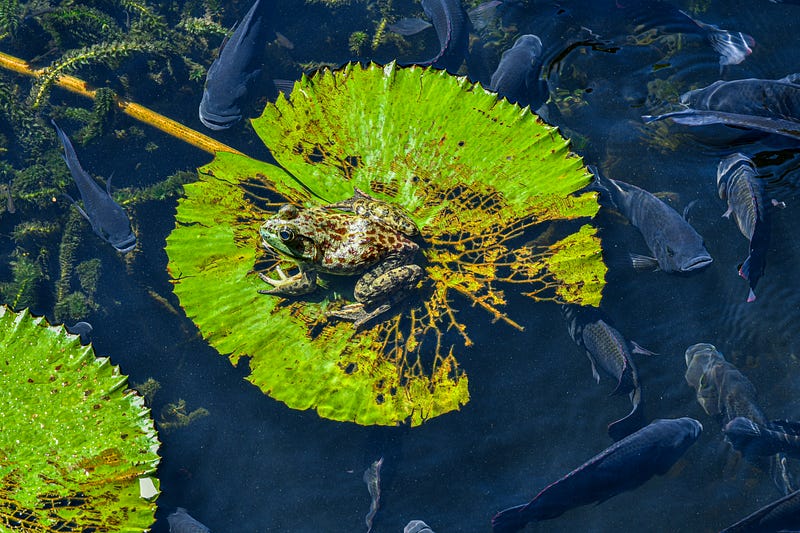
Please support your local botanical gardens. They hold the keys to the future with their efforts to keep native species alive.
Thank you to Clayton, our informative and friendly guide at the The National Tropical Botanical Gardens
Erika Burkhalter is a yogi, cat-mom, photographer, and lover of travel and nature, spreading her amazement for Mother Earth’s glories, one photo, poem or story at a time. (MS Neuropsychology, MA Yoga Studies).
Thank you for reading this story about a topic so dear and important to me. You might also enjoy:
A Trophic Cascade in my own Backyard
This is what happens when we mess with Mother Nature
medium.com
Photos and essay ©Erika Burkhalter. All rights reserved.


