
Love Japan and Want To Move There? 5 Reasons Why You Could Regret Your Decision
Packing your bags for Japan may not be the wisest choice.
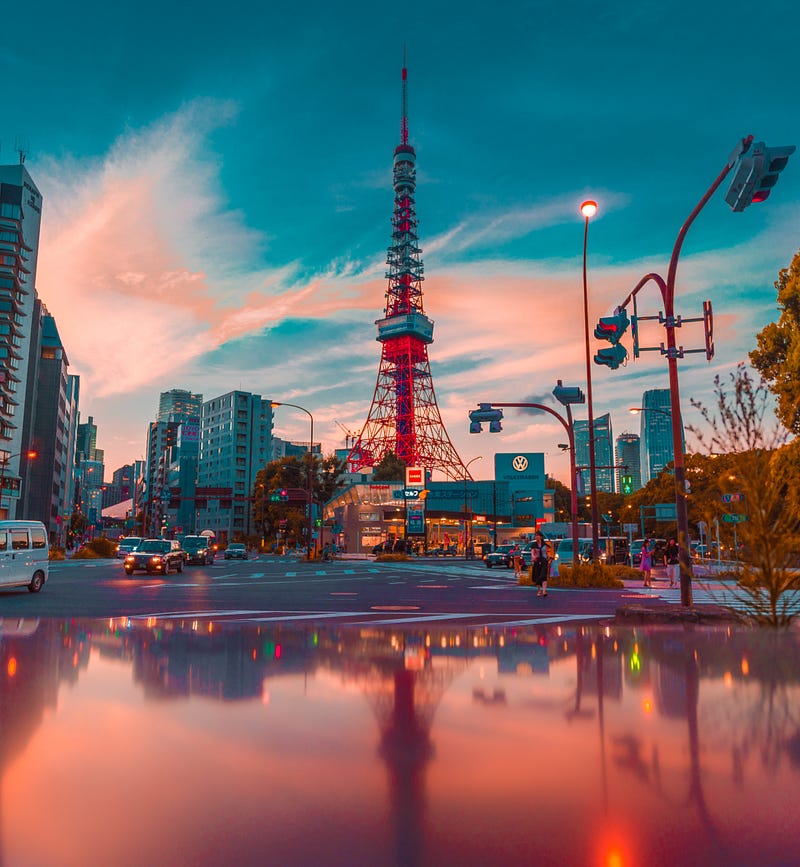
Many people are in love with the idea of moving to Japan. It’s the second most popular country, after Canada, for people who want to move overseas.
I can certainly understand why. Culture, food, beautiful scenery, fashion. Japan has them all.
Some people, like Tamara Mitrofanova points out, even want to move to Japan because of anime!
I hope that’s not the reason you want to move to Japan. If you decide to suddenly pack your bags without understanding the pitfalls, it could end up costing you.
In 2016, I moved to Japan.
It was my dream come true. I had prepared many years for this. I had studied Japanese for 10 years, since university. I even studied for a semester in Kyushu.
I was excited to move to Japan, but then I started to discover 5 things I wish I had known before I had made the move.
1. The work culture is toxic (but it’s improving)
I want to highlight this first, because, unless you’re a student, an investor, or married to a Japanese spouse, you’ll need a company willing to hire you to sponsor your visa application.
If you’re going to be working at a Japanese company, expect to do a lot of overtime work. And mind you — even so-called foreign companies in Japan are known to be more like Japanese companies in terms of culture (sorry, no actual data for this, it’s anecdotal).
That Japanese work culture can be toxic is not news. This has been reported countless times in the media. People die from overwork, called karoshi in Japanese — literally meaning death from overwork. Employees either drop dead from overwork, or the stress gets to their mental health and they commit suicide. Even well-known companies are not exempted, such as the famous case of Matsuri Takahashi at Dentsu in 2016, one of Japan’s largest advertising agencies. She was only 24 when she took her own life.
Her friends said Ms Takahashi — who had been at the firm for less than a year — claimed to be so busy she slept just 10 hours a week.
Death from overwork is relatively common in Japan, where it has its own word: karoshi.
Ms Takahashi is reported to have worked 100 hours of overtime a month for some time before her death.
Source: Japan’s Dentsu advertising agency charged over employee suicide — BBC News
The Japanese government has taken some steps to limit the maximum allowed overtime to a maximum of 45 hours a month, and not more than 360 hours a year (Source here in Japanese). For perspective, that’s like working a total average of slightly over 50 hours a week. Obviously, this doesn’t solve the problem. The cosmetic fix in many companies is simply for managers to request their teams not to do too much overtime work. This being Japan, this simply means that employees continue to work overtime, without reporting it. According to the Japanese government’s Ministry of Health, Labour and Welfare’s workplace inspections that took place from 2021 to 2021, illegal overtime continues to happen at 37% of Japanese companies.
The problem — in my opinion at least — is due to probably a combination of the following:
- over-bloated corporate bureaucracies and an old-school preference for inefficient paperwork, probably because of an aging population (people love to print everything on paper)
- a preference for consensus-driven decision-making, which calls for a lot of unnecessary meetings involving dozens of members
- long-life employment corporate culture that values loyalty where employees are not given well-defined roles but ambiguous guidelines and areas of responsibilities, leading to unclear tasks and job scopes
- Japanese cultural norms, with Japanese people’s preference for indirect communication, avoidance of direct conflict, and deference to authority
Speaking of corporate culture, did you know that Japanese salarymen are falling asleep on the streets of Tokyo? It’s not because they are sleepy. It’s a symptom of the sickness that plagues corporate Japan.
Back to the topic of excessive overwork, some companies are recognizing that there is a problem and are actively taking steps to reduce overtime work, but I think this is so ingrained that it’ll be very difficult to change.
I’ve not even spoken about sexual harassment. More insidious is “power harassment,” or an abuse of power and workplace bullying. Fortunately, I’ve had to experience the latter only once. And, being male, I’m privileged to have never had to experience the former. Your mileage may vary.
Solution: If you’re planning to move to Japan, make sure you research the company thoroughly. It will help a lot if you can speak Japanese. Make sure to ask if your package includes overtime pay or not, and use websites like Vorkers.com (in Japanese) to evaluate the company before you sign any contract.2. The real estate market is broken
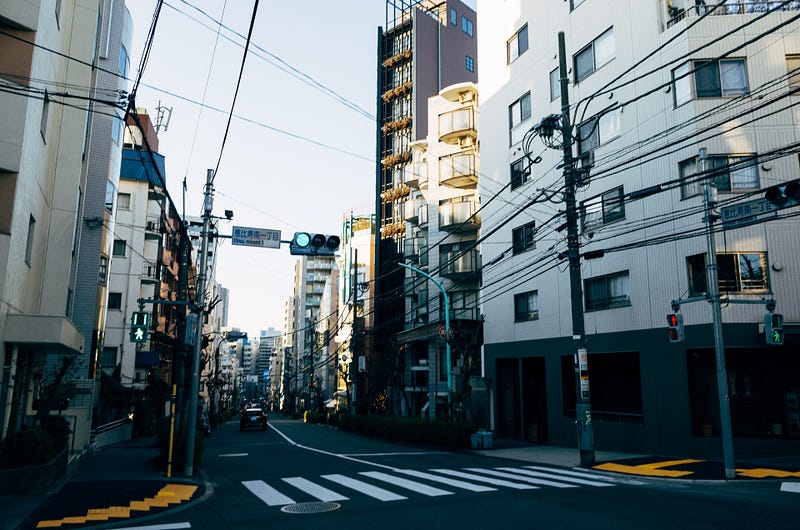
This is number 2 because, obviously, you need a place to live.
The real estate market is rigged against you.
Expect to pay nearly close to 6 months’ worth of rent when you first move in. Breakdown:
- Agent Commission — on average, 1 month’s worth of rent
- “Gift” Money (reikin) — 1 month (paid to the landlord to as a thank you “gift” — you won’t be getting this back)
- Deposit Money (shikikin) — 1 month (you will get some of it back when you move out, after a portion of it is paid for cleaning and any necessary repairs)
- Advance rent — Usually 2 months
- Additional fees (fire insurance, lock-change fee)
If that’s not all, not all landlords will rent to foreigners. Racism? Maybe. Maybe landlords are worried that foreigners will bail after 6 months in Japan. I don’t know. It doesn’t change the fact that your options will be selective. Not to mention that the houses are tiny, especially if you will be moving to Tokyo. People have compared them to rabbit holes. Expect to pay around 80,000JPY — 100,000JPY (around 800–1000USD) for around 25m² (approximately 270 square ft. for my American readers) in Tokyo.
And no, unless you’re earning a very high income — you will likely not be able to afford the rent in central Tokyo (which refers to places like the well-known Roppongi area). The rent will be much higher than I have described. And oh — most apartments won’t be furnished, so anticipate additional expenses. You’ll need to buy ALL your furniture and appliances, including your bed, cupboard, shelves, and other storage, washing machine, refrigerator, and microwave oven (a must-have in Japan because — overtime work, remember?).
Solution: Make sure to clarify all hidden costs when meeting with a real estate agent. Many real estate agents won't be able to speak English, so you may have to pay a little bit for English-speaking agents, but that's the price you may need to pay if you don't have any Japanese ability. 3. Interest rates are negative, and the banking experience is terrible
Banking is backward, expensive, and generally unpleasant.
First of all, to open a bank account, you’ll need a Japanese seal (hanko). Which adds unnecessary complexity to the already complex procedure of opening a bank account in a foreign country. Plus, not any hanko will do. There’s a whole universe of cultural knowledge behind the use of seals which I won’t cover here. If you are interested, you can check out this website for more information. There are signs that this is beginning to change as Japanese banks embrace digitalization, but as far as I know, it’s still required to open a bank account.
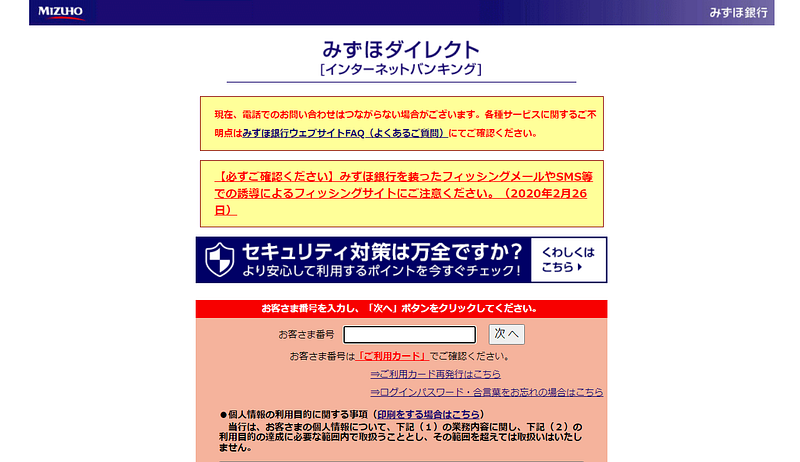
Secondly, the internet banking interface is rudimentary because banks haven’t bothered to invest in them. This is probably due to the aging population of Japan — older folks generally prefer paper-based banking. Just look at the login page of my bank account, which looks like a Geocities webpage from 1997 (I kid you not!):
To withdraw money from an ATM, you need to pay transaction fees (around 1–2 USD) outside of regular hours (for example, 9–6 PM on weekdays only). Although digital payments have become common recently, Japan is still largely a cash-based society and you will need these machines!
Making a transfer to another bank account costs even more, at around 4 USD.
It’s so bad that zero fees ATM withdrawals and low-fee transfers are a selling point for some banks.
Are you shocked yet?
This is how banks make money in Japan, due to the negative interest rates policy. Japan suffered two “lost decades” after the collapse of the Japanese real estate bubble. To boost growth, the Bank of Japan had to resort to monetary stimulus and in 2013 decreased interest rates to the point of making them negative to stimulate consumer spending (to no avail, apparently). In practical terms, this means you pay the bank to keep your money for you.
No wonder Japanese people love cryptocurrency and are some of the largest investors in the cryptocurrency markets.
By the way, if you think that cryptocurrencies are a fad, you should check out my article here:
If you need to transfer money back home, banks will rip you off. They’re expensive. I use Wise. If you sign up for Wise with my referral link here [disclosure: affiliate link], you can get the first 75,000 JPY transfer you make entirely free.
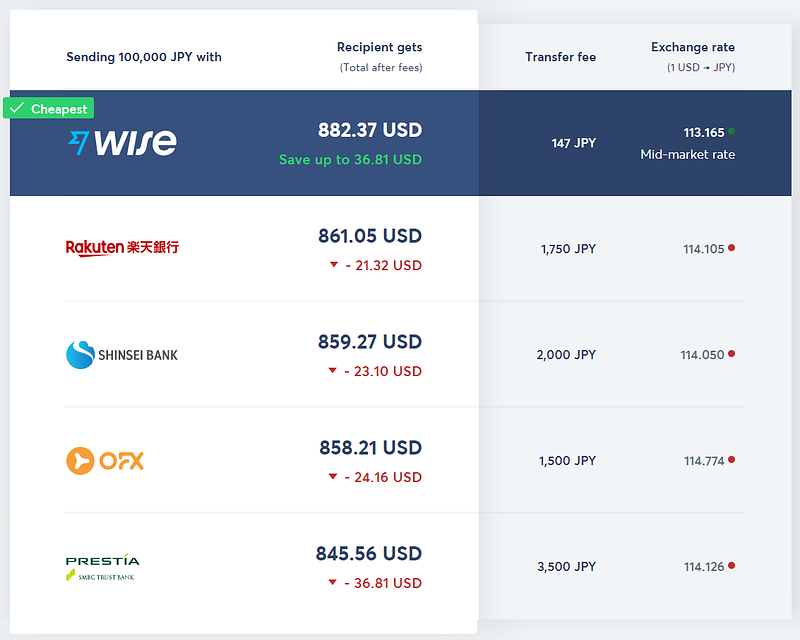
Solution: (Updated) You can try to use newer banks like Shinsei Bank, which promises zero ATM fees (at its own ATMs). As contributed by a kind reader, they also don't require hanko for the opening of a bank account. For money transfers overseas, you may want to look into using Wise for money transfers. But in some cases, you'll be forced to open a bank account with traditional, Japanese mega-banks, especially if your company requires it.4. Foreigners find it hard to apply for a credit card
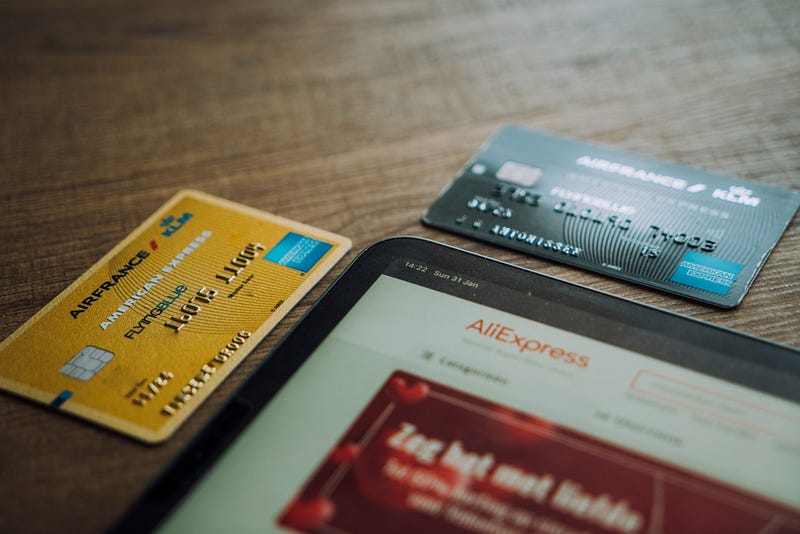
While we’re on the topic of finance, I wanted to talk about credit cards. When I first arrived in Japan, I tried to apply for a credit card with a department store to earn the sign-up bonus. I was declined. Another friend tried with another department store, but he couldn’t get it either. There was no reason given.
I later found out that since foreigners like us have no credit history, it’s difficult for us to get approved for credit cards. The underwriting companies don’t want to take the risk.
I finally got approved for two cards: Rakuten Card, which is offered by Rakuten Group, the largest e-commerce player in the Japanese market, as well as good old American Express, since I was already a customer back in my native Singapore. I used the global transfer program to sign up for a new card Amex card in Japan.
By the way, credit cards in Japan work a little bit differently than in the rest of the world. This story won’t go into the details, so if you’re serious about moving to Japan and want to learn more, you can check out this link for more information.
Solution: Anecdotally, Rakuten Card and American Express seem to be more open to approving foreigners. In either case, you'll need to provide evidence of stable income to be approved.5. Did I mention taxes?
There are only two certainties in life — death, and taxes. In Japan, you’ll not only be paying for income tax, but also residence tax. You’ll also be paying for mandatory healthcare insurance and the national pension scheme.
The Japanese lament that they’ll probably never see their pension monies again since the scheme requires them to keep paying until the age of 60. Understandably, Japan is an aging country, so it begs the question of who is going to fund the pension when the working population continues to shrink over time?
Probably suckers like me who buy into the dream of living in Japan.
When foreigners leave, it’s possible to go through some complicated pension refund application process to retrieve a part of the money (up to 36 months of payment, as far as I know, so it’s already impossible for me to get all my monies back unless I live in Japan for the rest of my life). I treat my pension monies as money that I’ll likely never see again.
Tip: If you already have a job offer in Japan and are wondering whether to pack your bags or not, use this free tax simulator to estimate how much taxes you need to pay.
Coming from Singapore, a tax haven with ultra-low taxes, this is all very depressing for me. This is the price you pay for living in a hyper-aged country where nearly 30% of the population is aged above 65. (To be fair, this tax rate could certainly be quite low compared to some countries in Europe.)
Solution: There are multiple ways to lower taxes or get something in return for the taxes you'll have to pay. One such way is through "Furusato Nozei," a program to transfer a portion of your tax to a different local government of your choice and enjoy gifts from the community in return. For more information, you can check out this website. You can also claim deductions for dependents back home if you're willing to go through the paperwork.And, because you’ve been so nice to read to the end, I want to throw in one more deal-breaker. I just want to say one word to you, just one word.
Earthquakes.
6. Earthquakes
They freaked the hell out of me the first time I experienced them.
Japan is one of the most earthquake-prone regions in the world. The island archipelago sits right on top of 4 tectonic plates. This unique geography is responsible for creating beautiful volcanoes like the famous Mount Fuji, as well as enabling onsen (hot spring) culture.
But the downside of this is an average of 1500 earthquakes striking the country every year. Most of them are minor but a few in recent history have devastated entire cities and towns.
A few in recent history come to mind—The Great Hanshin Earthquake (Kobe, Jan 17, 1995), and the Great East Japan Earthquake (Fukushima, March 11, 2011) — the massive one that made the Fukushima nuclear reactors go down.
But surely they will pale in comparison to the “big one” that is probably going to hit Tokyo at some point. It’s said that a massive, mother of all earthquakes is just lying in wait to take Tokyo down. The Tokyo Metropolitan Area is the largest metropolitan area in the entire world. When it hits, the damage is likely to be enormous.
I’m a sitting duck.
Solution: Move out of Japan to a place without earthquakes.With all that said, living in Japan has been a rewarding experience for me. It’s opened my eyes to new cultural experiences and I’ve come to appreciate ways of behavior that are different from mine. The Japanese are hardworking, creative, and pay a lot of attention to detail. I think these are good traits that anyone can learn from living in Japan.
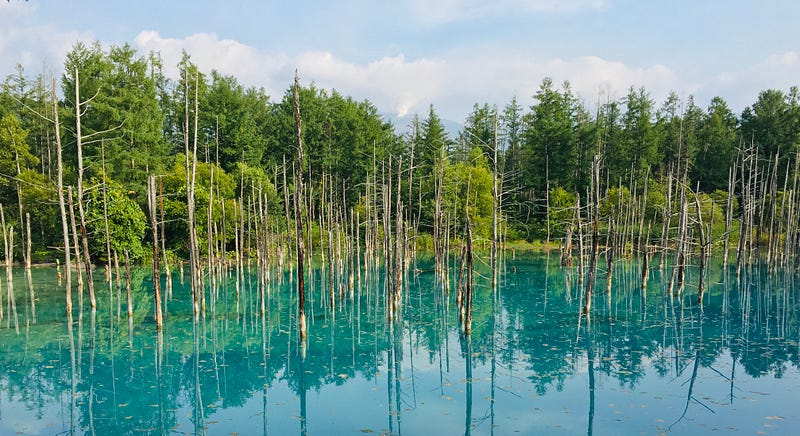
Not to mention, Japan offers great scenic beauty. From the beautiful bamboo forests and temples of Kyoto to the vast nature of Hokkaido, from the beaches of Miyakojima to the beautiful hot springs peppered through the island, Japan can be a marvel to behold.
And did I mention the food culture? Japanese food is universally popular. You’ll get to feast on ramen, sushi, sashimi, sake, tonkatsu, onigiri, tempura, udon. Everyday. Oh yes, this alone makes everything else worth suffering for…
The author writes on a wide variety of topics. His key topics are Japan, society, culture, modern work, and cryptocurrency. Discover his most-read stories here.
If these topics interest you, consider subscribing to receive new stories from the author via e-mail.


