
People Are Moving to Japan Because of Anime
Wanting to move to Japan because you want to live like your favourite characters is problematic.
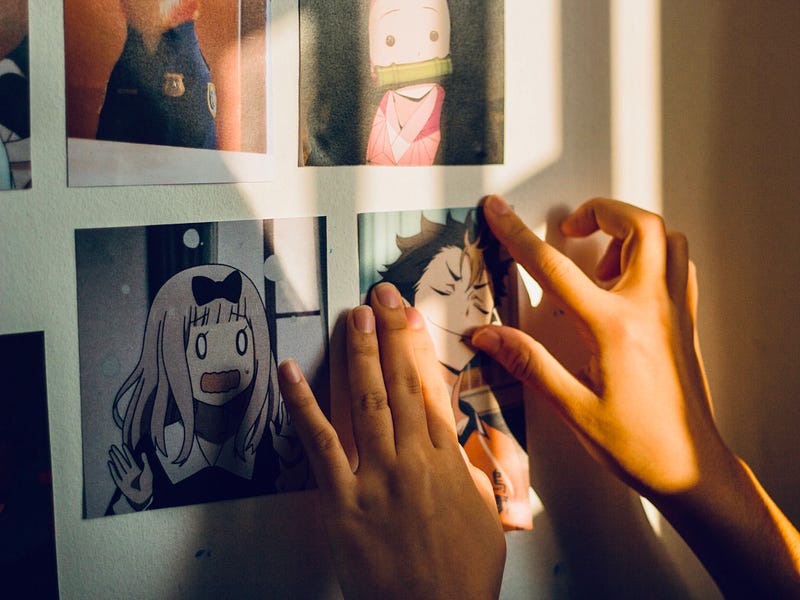
I’m moving to Japan — the only place in the world I belong.
No, I can’t speak Japanese but I have sat listlessly in front of the computer watching countess anime, and guess what? It wasn’t in English Dub!
So I know a few important Japanese words — baka, kawaii, onii-chan, tsundere, neko, and senpai.
When I get to Tokyo, I’ll fit right in. I just need a little practice once I get there but that’s all.
You see, I hate everything here. My country sucks. My culture sucks. Nobody relates to me here. The only time I’m happy is when I’m at Comic-Con dressed as Naruto. Every day I suffer in silence because I live a bitter, jaded life. Physically I’m in a Western country but in my mind, I’m in Tokyo.
For as long as I could remember, I’ve spent all my free time binging anime, playing Japanese video games, and reading manga. At school, I slip out the occasional “Nani!” and say “Arigato gozaimasu” instead of “Thank you.”
I’ve given up on saying “Hello” and greet classmates with “Kon’nichiwa.” They don’t understand what I’m saying and tell me that I’m annoying.
Well, you know what? I’m different and it’s not my fault I was born in the wrong country with all these stupid people who don’t even realize how unlucky they are to live in such a boring place.
My mom says that I spend too much time watching anime instead of interacting with people but that’s not the problem here! I just don’t belong in this society and culture that listens to Taylor Swift and don’t even know who neko girl is!
Anyways, I’m off to pack my bags and go to the land of big titty anime girls and bad-ass fighting student boys.
This weird phenomenon of people worshiping Japanese culture would be funny if it wasn’t so tragic…
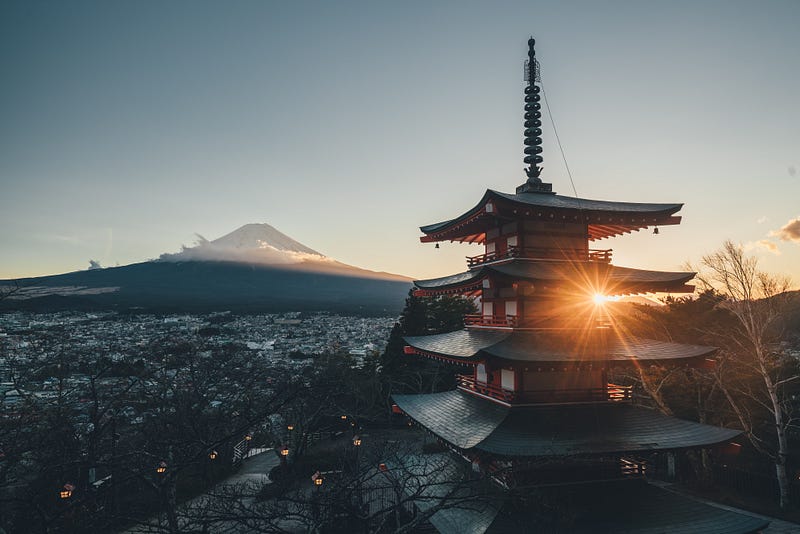
Admiring another nation’s culture is wholly acceptable. In fact, it shows you are an open-minded, well-rounded and exciting individual. It is something that should be actively encouraged.
But to have grandiose delusions about a nation shaped by the media you consume will only leave you disappointed. Anime only represents a slice of Japanese culture and many who claim to love ‘everything’ Japan, know surprisingly little of its culture and society.
For instance, it’s like a Japanese person over-glorifying American life based on what they’ve seen from Hollywood movies. Warped views of any nation will only bring you grief once you step of the plane and the severe culture shock might induce you into a coma.
Seriously, the immense distress that you could experience can leave you traumatized.
Japanese tourists have reportedly experienced the brunt of false expectations being dashed when visiting the city of love, Paris. The over-romanticized image of Paris as an artist’s dream with idyllic cafe shops and pastry shops, cobbled streets lined with tranquil terraces and the glistening Eiffel Tower in the distance is just a dream waiting to be shattered.
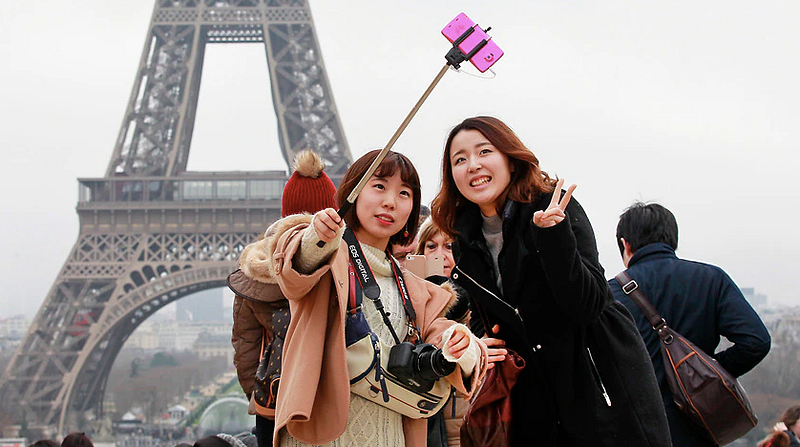
The Parisian dream is a sweet lie and their idealized image is cruelly smashed by harsh reality. Parisians are notorious for their unfriendly attitude to foreigners with many stories coming forth of unaccommodating and disdainful treatment in the service industry.
Public transportation, like in every big city, is a sweaty, crowded mess. Filth, petty crime, rudeness, and inequality would make any head spin if you’re expecting a dream-like city.
The most common symptoms of the Paris syndrome are, “acute delusions, hallucinations, dizziness, sweating, and feelings of persecution.”
“The Japanese embassy in Paris repatriates up to 20 tourists a year, sending them home with a doctor or nurse to ensure they recover from the shock.”
‘The embassy also runs a 24-hour helpline for expatriates experiencing the syndrome.” — Lucinda Kent on Paris Syndrome.
A Weeaboo, a name for someone unhealthily obsessed with Japan, who live in their head and fantasize about Japanese society in an unrealistic way. Very much the same way tourists prior to suffering from Paris Syndrome once felt about the city of love.
Simplifying a culture in your mind is an unhealthy coping mechanism…
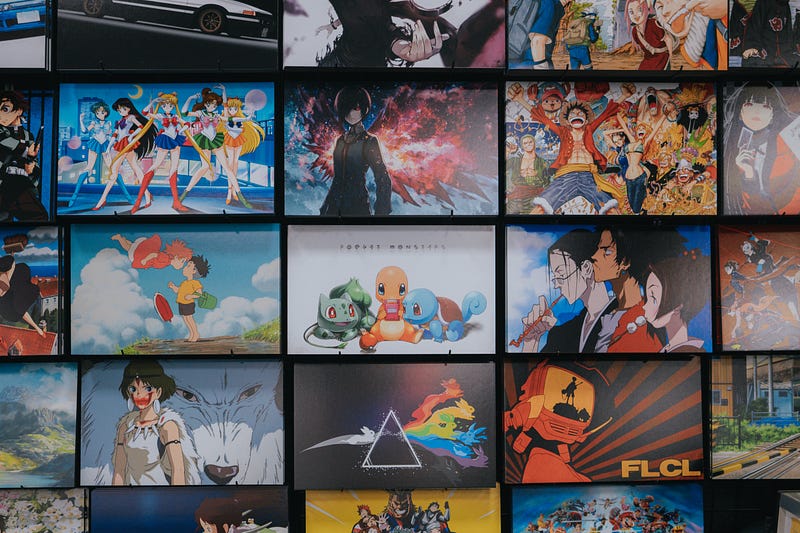
Weeaboos take their undying love for Japan to an extreme level. They don’t just admire the culture, they label it as all-perfection. It is the pinnacle of human civilization and they belittle other cultures as inferior.
This eccentric mentality is in the early stages of an avoidant personality.
These eccentric fans will overly-fantasize their ‘would-be’ life as a Japanese person by idealizing J-culture as a form of escapism.
Most of them feel weary about their life and find relief from depressive thoughts by escaping into their imagination. This coping strategy becomes an impediment to their ability to function in daily life.
Fantasizing about Japan through the lens of flashy anime characters and picturesque photography of the Japanese countryside will only leave you blind-sighted to the flaws of its society. This pretty illusion is wishful thinking and when faced with harsh reality, it will strike like a venomous cobra.
Despite Japan’s many virtues, the work culture is abysmal. Japan takes the term, ‘workaholic’ to a completely new level. Long and exploiting hours have driven many employees to Karoshi (death due to overwork) — a word invented in the Japan to describe deaths caused by work-related stresses and pressures.
In July 2013, Miwa Sado logged 159 hours of overtime work and took only two days off. She then died of heart failure.
Less than two years later, Matsuri Takahashi died by suicide after consistently logging more than one hundred overtime hours per month. Before her suicide, she tweeted “I want to die” and “I’m physically and mentally shattered.”
Japan faces an epidemic of over-worked employees who feel guilt-ridden when taking a meager two-day vacation. It is no wonder they have a dwindling population due to low-birth rates.
It’s not always greener on the other side…
It’s a bitter pill to swallow but if you find yourself worshiping another culture while denigrating you’re own, it’s a pill you desperately need. Living in your head and imagining a better life outside of your country could prove catastrophic.
There is nothing wrong with a little daydreaming but if your imagination is too far-drawn from any probability of actual realization, it will only make you more miserable. Especially, when you find out that you exaggerated life in Japan based on the anime you watched.
Anime is a terrible reason to move to Japan. Japan is not Anime. Anime is not Japan. An entire view of Japan shaped by anime will only leave you sorely disappointed. If you’re expecting a lifestyle of going to maid cafes, dressing up in a Lolita costume, and relaxing in an onsen — prepare yourself by buying a box of tissues to wipe your tears with.
Moving to Japan is not a horrible idea but moving to Japan because of anime?
That’s not a good idea.