
Lockdown Holds up a Mirror
Dare we take a peek?
Seven days of not setting foot outside my house or garden has given me plenty of time to ponder the macro and micro effects of the UK lockdown.
I mentioned in response to another UK blogger that Boris has played a blinder in purely political terms (ie leaving aside the mortal consequences). By deferring effective lockdown until there was an irresistible clamour from the nation, he was able to represent being reluctantly compelled to introduce more draconian measures, moving from advice and encouragement to instruction and legislation.
Even the Labour Party was shouting for him to revoke people’s civil liberties immediately, and complaining that he should have done it sooner.
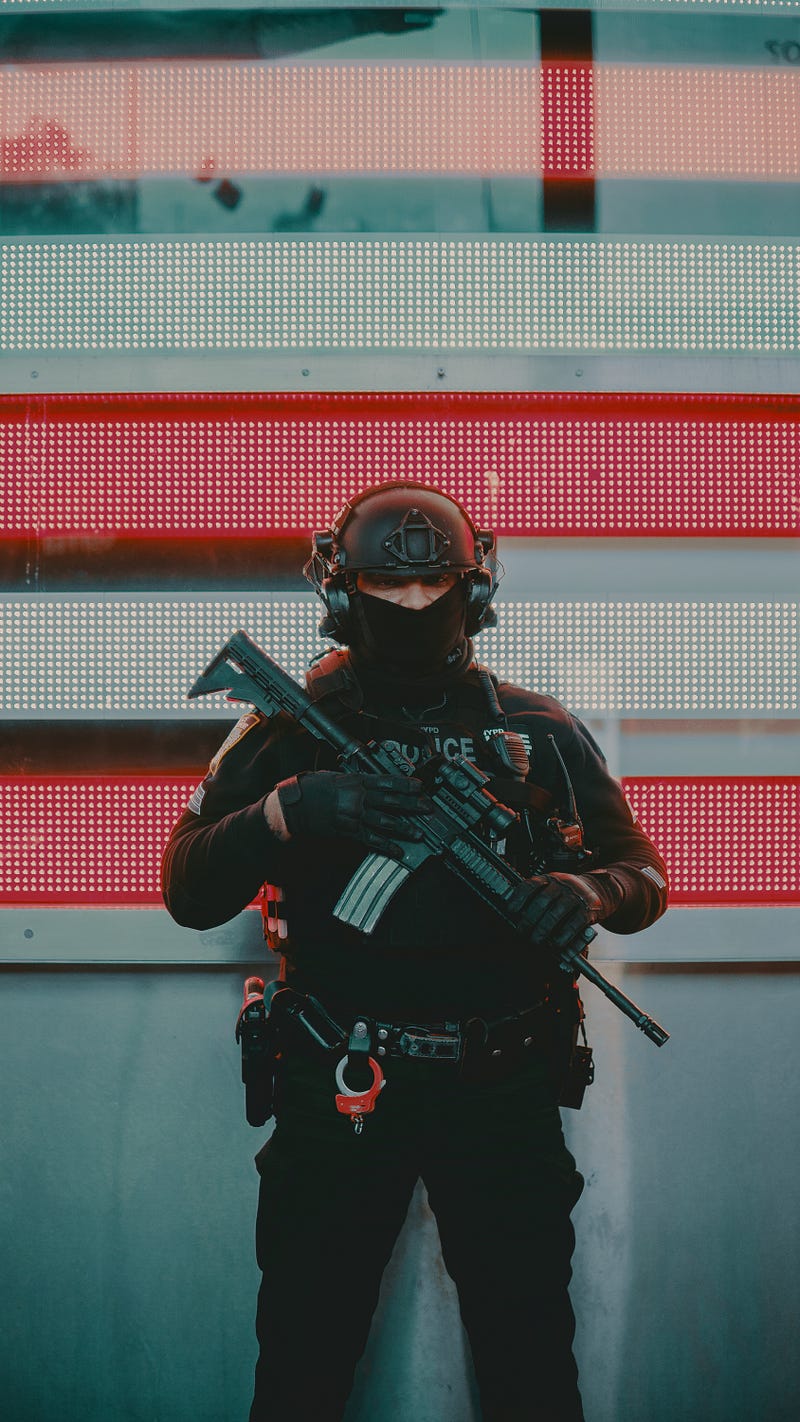
So step by step we move towards a (probably necessary) police state.
Of course some members of the police force are very pleased with this turn of events. Derbyshire police used drones to spot walkers taking unnecessary trips into the Peak District, while in South Wales drones with speakers were used to instruct people on the streets to get back to their homes.
Anyone who has watched the TV Series Colony knows where this is headed.
So why did I say that this state of affairs is probably necessary?
It’s because we were all shocked to see crowds flocking to parks and beaches in the pre-lockdown advice period. Too many of our compatriots decided that they were special or that their needs trumped the safety of the majority or that they were the rebels who would carry on defying authority. Whatever the thought process, their desires were placed above the clear need to safeguard the many. Like a class with a few unruly pupils, we were all grounded as a result.
I talked elsewhere about trivial benefits to one person outweighing more serious inconvenience to the majority.
It turns out I’m unable to put a block on this tendency even among my nearest and dearest. My twenty-year-old daughter continues to sneak out to mix with her pals (including the C19 positive one) under the guise of urgent shopping or exercise. Seems like her social life takes precedence over our actual lives.
Why is it so hard for me to accept that selfishness really knows no limits?
One of my current clients is based in the main tower at Canary Wharf, and before the lockdown I was expected to turn up there once a week. I was a little nervous, having a clear recollection of a scene from a contagion movie where that and other buildings were firebombed by the US Army.
I re-watched 28 Weeks Later, and wouldn’t recommend it to those of a weak disposition. The survivors and uninfected are being kept safe and confined in the Isle of Dogs, until an outbreak occurs there and the US military moves to a Code Red where they have to obliterate the lot (under the command, ironically, of Idris Elba).
I hadn’t focused before on the plot mechanism by which this comes to pass. The children who are the main characters are to blame. The younger boy complains that he is forgetting what his Mum looked like and his older sister helps out by taking them on an unsanctioned trip out of the confined zone to where they used to live. The purpose? To pick up a photo from the fridge door.
I won’t spoil the whole plot, but mayhem ensues, all of which can be traced back to these young folk being unable to just sit tight and follow orders.
The law of trivial benefit at work again.
I am more than happy to be obliged to follow my normal preference, which is to work from home and do everything remotely.
But I know some of my colleagues are suffering. The banter of the office comes across as forced and stilted over a conference call. The out of work distractions which used to be available have been withdrawn one by one, with bars, restaurants, cinemas and now national parks all closed down.
Which leaves us at home with our loved ones, with only the internet to keep us from having to interact with them on a far more frequent basis than we are used to.
Calls to domestic abuse hotlines have soared, and I continue to hear the phrases “cooped up” and “stuck at home” being bandied about in conversation.
If being forced to spend more time with our loved ones is such an imposition, maybe they aren’t really our loved ones so much as our partners of convenience, who can be tolerated in small doses during normal times, when we have a ready means of escape.
Optimists are predicting a baby boom to come out of this spell of enforced isolation.
Pessimists are predicting a massive increase in divorces.
Many thanks for reading!
More on the same theme below:
#500Race