
Fortress Britain
News from the frontline of a nation in panic
First of all the good news. My parents’ cruise has been postponed.
When Boris Johnson said that over-70s with health problems perhaps shouldn’t be taking cruises at the moment, Saga holidays realised that he had just described 90% of their clientele and pulled the plug.
My Mum and Dad were miffed, as they had so been looking forward to this tour of the Mediterranean epicentre of the Coronavirus. Behind their backs, the rest of the family were all high fives and fist bumps.
The rest of the landscape doesn’t look so bright. The local 24-hour Tesco closed its doors yesterday at 11:30pm to allow them to restock, as produce was flying off the shelves faster than they could replace it. Yes, there were snaking queues at the checkouts just before midnight.
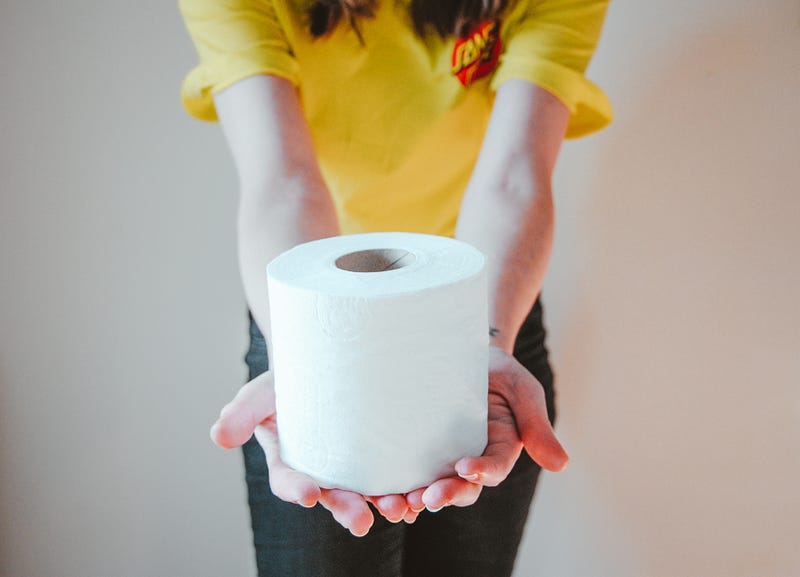
When I passed by yesterday, the pills section was empty, as was the toilet roll aisle. People were loading up with kitchen towels in the absence of more comfortable bathroom essentials.
Johnson adopted a sombre tone when confirming that many more families would lose loved ones before their time. He then spoilt the effect somewhat while the scientists were showing a graphic about delaying the spike in cases by referring to “squashing the sombrero”.
How the spike will be delayed was less clear. Schools won’t be closed and mass gatherings weren’t initially banned, until the sporting bodies started unilaterally closing down fixtures.
And I think that’s when it became real for the British people. You can nod along with the idea that elderly relatives could die, but when football matches start getting cancelled, you realise that this thing just got serious.
Some people seem to be focusing on the wrong things still, such as whether they will get a refund from Sky Sports for cancelled matches. But the rest are heading to the supermarkets. Or ordering online, with the result that there aren’t any delivery slots available for the next two weeks.
I’m highly suspicious of the contrarian approach being adopted. While other European countries are closing schools and telling workers to stay home, the UK is doing as much as possible to give the appearance of business as usual.
And that’s the core of my suspicion. That economic factors have weighed more heavily than public health in the decision not to close schools and offices. With children at home, parents would need to stay away from work. And not all staff can work from home, particularly in the services sector.
To justify the do-nothing approach, we have been told that we need to develop a “herd immunity” to the virus.
Unpacking that concept, it means that around 60% of the population should be allowed to get infected. Sure, some of the weaker animals in the herd will die, but think of those lovely antibodies produced by those who survive.
It’s Darwinian survival of the fittest, when you strip away the pseudo-science.
And I thought we had got beyond that by the twenty-first century.
Many thanks for reading!
In case you missed the similar bulletin from our Australian correspondent:
Dateline Down Under: the Australian Toilet Paper Wars
The bottom line from the front line
medium.com
#500Race


