
Mental Health | Health
Living Near Woodlands Linked to Better Mental Health in Children and Teens
Proximity to woodlands associated with better cognitive development and a lower risk of emotional and behavioral problems.
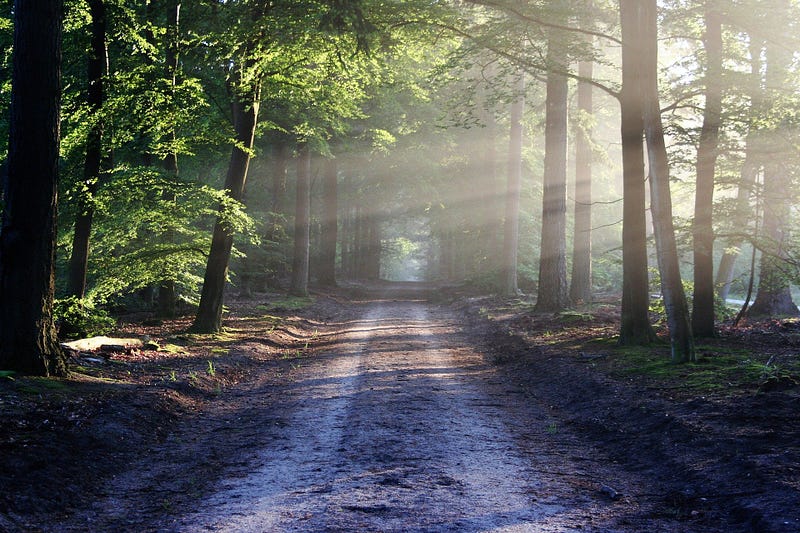
In Japan, the term shinrin-yoku or “forest bathing” emerged in the 1980s as a physiological and psychological exercise to take in the forest atmosphere as an eco-antidote to tech-boom burnout. And although the Japanese have embraced this form of ecotherapy, many cultures have long recognized the influence of the natural world on human health.
Research has also indicated that time spent in and around nature is good for us. Time spent in or near green spaces has been associated with a beneficial impact on stress hormone levels, heart rate, brain waves, protein markers, and mortality. In 2015, an international team of researchers who overlaid health questionnaire responses from more than 31,000 Toronto residents onto a map of the city found that those living on blocks with more trees showed a boost in heart and metabolic health equivalent to what one would experience from a $20,000 gain in income.
Now a study published July 19th in Nature Sustainability describes a link between proximity to woodlands and better mental health in children and teens.

Researchers from University College London (UCL) and Imperial College London (ICL) used longitudinal data relating to 3,568 children and teenagers, aged nine to 15 years, from 31 schools across London. Satellite data was used to help calculate subjects’ daily exposure rate to different environments within 50m, 100m, 250m, and 500m of their homes and schools. Urban environments were divided into green space (woods, meadows, and parks) and blue space (rivers, lakes, and ocean), with green space further separated into grasslands and woodlands.
The researchers looked at the relationship between different types of natural urban environments and subjects’ cognitive development, mental health, and overall well-being. After adjusting for other variables, their results showed that higher daily exposure to woodlands (but not grasslands) was associated with higher scores for cognitive development, and a 16% lower risk of emotional and behavioral problems two years later.
A smaller but similar effect was observed for green spaces generally with respect to higher scores for cognitive development. Curiously, this effect was not observed for blue space, though the researchers note that access to blue space among the subjects studied was generally low.
According to lead author, Mikaël Maes, a PhD student associated with both UCL and ICL, “Previous studies have revealed positive associations between exposure to nature in urban environments, cognitive development and mental health. Why these health benefits are received remains unclear, especially in adolescents.” Maes continued, “These findings contribute to our understanding of natural environment types as an important protective factor for an adolescent’s cognitive development and mental health and suggest that not every environment type may contribute equally to these health benefits.”
Professor Mireille Toledano, joint senior author and director of the Mohn Centre for Children’s Health and Wellbeing at ICL, added, “It’s critical for us to tease out why natural environments are so important to our mental health throughout the life course — does the benefit derive from the physical exercise we do in these environments, from the social interactions we often have in them, or from the fauna and flora we get to enjoy in these environments or a combination of all of these?”
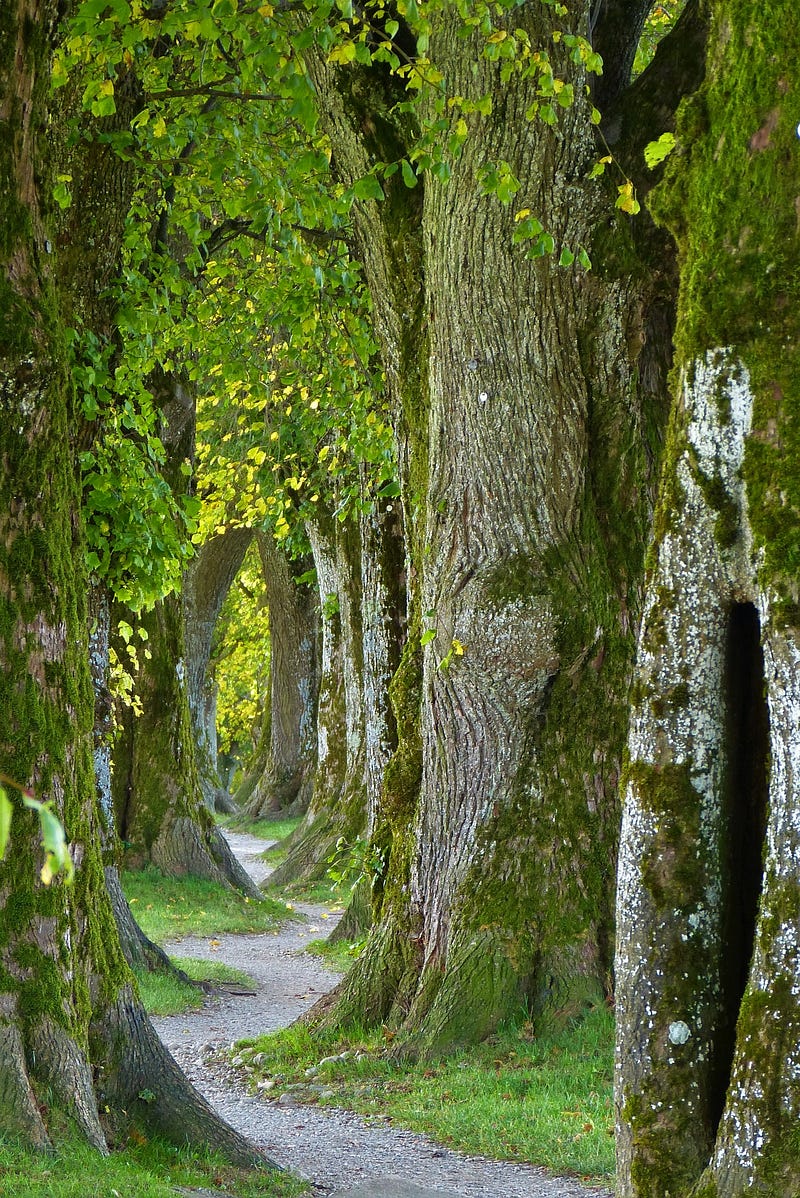
Another joint senior author, Professor Kate Jones of the UCL Centre for Biodiversity & Environment Research, offered one possible explanation for their findings, “[It] may be that audio-visual exposure through vegetation and animal abundance provides psychological benefits, of which both features are expected in higher abundance in woodland. Even though our results show that urban woodland is associated with adolescent’s cognitive development and mental health, the cause of this association remains unknown.”
Areas of further research may focus on determining whether the lack of an effect for blue space was the result of sampling error, as well as addressing limitations of the study that were noted by the researchers. For example, the assumption that living or going to school near natural environments means more exposure to those environments may not always be the case depending on how accessible or useable these environments are to a child or young person. Furthermore, adolescents from disadvantaged socio-economic groups or who require special needs may have been underrepresented.
“Further research is fundamental to our understanding of the links between nature and health,” said Professor Jones.
More like this:


